
Choosing the right milk for your three-year-old child can feel overwhelming with so many options on supermarket shelves in the Philippines. When comparing Nido, NAN, and Enfagrow, there is no single “best” milk that fits every toddler. The ideal choice depends entirely on your child’s unique growth milestones, digestive tolerance, and the guidance of your pediatrician. Each of these popular brands offers distinct formulations designed to support toddlers during this active stage of development. By understanding how to read their labels and match their ingredients to your child’s daily diet, you can make an informed decision that fits both your toddler’s nutritional needs and your family’s daily routine.
Nutritional Baselines for a 3-Year-Old
At three years old, your child is transitioning from rapid infant growth to steady toddler development. During this stage, active toddlers require a balanced mix of macronutrients—proteins, carbohydrates, and healthy fats—to fuel their daily play and physical milestones. In a warm, tropical climate like the Philippines, maintaining proper hydration and energy levels is essential as children spend more time playing outdoors and exploring their environment.
While solid foods should now serve as the primary source of nutrition, milk continues to play a supportive role in filling potential dietary gaps. Essential micronutrients such as calcium and vitamin D are crucial at this stage to support bone and teeth development. Iron is another vital nutrient, helping to prevent iron-deficiency anemia, which can sometimes occur if a toddler consumes too much unfortified milk at the expense of iron-rich solid foods.
Products mentioned in this guide
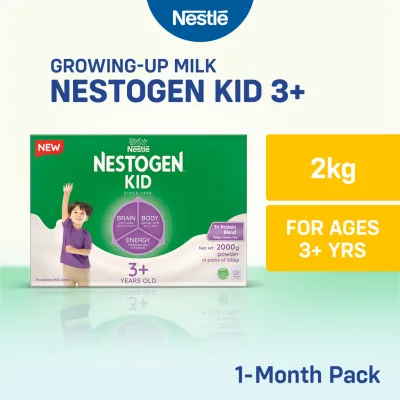
Prices are valid at publication and may change. Please refer to the product page for the latest price.
Additionally, brain development continues at a rapid pace during the preschool years. Nutrients like Docosahexaenoic Acid (DHA), an omega-3 fatty acid, are often highlighted in toddler milks to support cognitive and visual functions. When evaluating any milk option, it is important to view it as a supplement to a diverse diet of fruits, vegetables, grains, and proteins, rather than a complete meal replacement.
In the warm and humid climate of the Philippines, toddlers lose fluids and essential electrolytes more rapidly through sweat during active play. While water is the primary source of hydration, milk can also contribute to a child’s daily fluid intake while delivering essential nutrients. However, parents must balance this hydration need carefully, ensuring that milk does not replace water as the primary thirst-quencher throughout the day.
Age-Appropriate Variants: Nido, NAN, and Enfagrow
To make an accurate comparison, you must first identify the specific product lines each brand offers for children aged three and older. These are typically categorized as “Stage 3” or “Stage 4” formulas, or labeled specifically for preschoolers. Because product names and packaging designs can change, always check the front of the container and the detailed age recommendations printed on the back.

Nido offers popular powdered milk drinks formulated specifically for children aged three and above, such as Nido 3+. These products are widely accessible in local supermarkets and neighborhood stores, designed as affordable options to support general growth and daily activity. It is important to distinguish these standard powdered milk drinks from specialized medical formulas, as they are intended for generally healthy toddlers who already consume solid foods.
NAN provides growing-up milk variants, such as NAN Optipro 4 or specialized toddler options, which focus heavily on nutritional technology and digestive comfort. This brand is often positioned as a premium option, incorporating specific protein blends and active cultures. Parents choosing NAN should carefully read the packaging to ensure the variant matches the “three years old and above” age bracket.
Enfagrow features its own line of growing-up milks, such as Enfagrow A+ Four, which is heavily marketed around cognitive development and brain-support nutrients. This brand is positioned in the premium segment, targeting parents who want to prioritize specific fatty acids and dietary fibers. Regardless of the brand you select, always verify the exact preparation instructions, scoop-to-water ratios, and age limits on the local packaging before serving.
Living in a tropical environment also means that proper storage of these powdered milks is essential to maintain their nutritional quality and prevent spoilage. High humidity can cause milk powder to clump or spoil quickly once the tin is opened. Always store the container in a cool, dry place, seal the lid tightly after every use, and avoid using wet scoops, as moisture can introduce harmful bacteria into the powder.
Comparing Nutritional Profiles and Key Ingredients
When comparing these three brands, looking closely at the ingredient list and the nutrition facts panel is the most reliable way to understand what your child is consuming. Protein and calcium are the foundational building blocks for your toddler’s growing muscles and bones. While all three brands include these nutrients, the source of the protein and the exact calcium-to-phosphorus ratio can vary, affecting how easily your child’s body absorbs them.
Brain and eye development support is another major area of comparison, particularly regarding DHA, Arachidonic Acid (ARA), and lutein. Enfagrow often emphasizes its specific levels of DHA and dietary fibers, while NAN and Nido also include these fatty acids in varying amounts. To verify these claims, look at the nutritional information table on the back of the tin to compare the exact milligrams of DHA per serving, keeping in mind that these nutrients work best alongside a diet rich in fish and eggs.
Immune system support is typically addressed through a combination of vitamins, minerals, and gut-health ingredients. Look for the presence of zinc, vitamin C, and selenium, which play direct roles in maintaining a healthy immune response. Additionally, many modern toddler milks incorporate prebiotics (like fructooligosaccharides or galactooligosaccharides) and probiotics (active bacterial cultures) to support a healthy gut microbiome, which is closely linked to overall immunity.
Another critical factor to consider is the presence of added sugars and flavorings. Some powdered milk drinks contain sucrose, corn syrup solids, or added vanilla flavors to make the drink more appealing to picky eaters. While these can provide quick energy, they can also contribute to a preference for sweet tastes and increase the risk of dental cavities. Checking the ingredient list for terms like “sucrose,” “fructose,” or “maltodextrin” will help you manage your child’s daily sugar intake and protect their dental health.
Digestive Tolerance and Dietary Considerations
A child’s digestive system is unique, and what works perfectly for one toddler might cause discomfort for another. Lactose is the primary carbohydrate naturally found in milk, providing essential energy for growing bodies. However, some toddlers may experience mild lactose sensitivity, resulting in occasional bloating, gas, or loose stools. If you suspect your child has difficulty digesting lactose, look for variants that specify reduced lactose content or consult your pediatrician for advice.
It is vital to distinguish mild digestive sensitivity from a true cow’s milk protein allergy (CMPA). Standard variants of Nido, NAN, and Enfagrow are all based on cow’s milk and are completely unsuitable for children diagnosed with CMPA. If your child experiences severe symptoms such as hives, vomiting, chronic diarrhea, or respiratory issues after consuming milk, stop use immediately and seek professional medical evaluation for specialized hypoallergenic formulas.
The inclusion of dietary fiber in toddler milk can also influence bowel movements and overall digestive comfort. Prebiotic fibers help feed the beneficial bacteria in your child’s gut, which can assist in softening stools and maintaining regularity. If your toddler is prone to constipation, comparing the prebiotic blends on the labels of NAN and Enfagrow can help you identify which formulation might better support their digestive tract.
Before making any sudden changes to your child’s milk brand, especially if the transition is prompted by digestive issues, always consult your pediatrician. A qualified professional can help determine whether a symptom is a temporary phase or a sign that your child requires a specialized dietary approach.
Decision Framework: Which Milk Should You Choose?
To simplify your decision, you can use a conditional framework based on your child’s specific needs, your family budget, and your nutritional priorities. No single option is universally superior, but each brand aligns with different parenting goals and child profiles.
Choose Nido if your primary goal is to find an accessible, budget-friendly powdered milk drink that supports general growth, physical activity, and daily energy. This option is highly practical for families looking for a reliable, widely available milk to complement a toddler’s already diverse solid-food diet. It provides essential vitamins and minerals without the premium price tag of specialized formulas.
Choose NAN if your toddler has a sensitive stomach and you prioritize advanced digestive comfort and immune support. The inclusion of specific probiotic strains and optimized protein blends in NAN is designed to be gentle on developing digestive systems, making it a suitable option for toddlers who experience occasional gas or mild digestive irregularities.
Choose Enfagrow if you want to focus heavily on specific brain-support nutrients, such as DHA and dietary fibers, to complement your child’s cognitive and visual development. This premium option is well-suited for parents who prioritize structured nutritional support for learning milestones and are comfortable with a higher price point.
Always verify first with your pediatrician if your child has known food allergies, severe lactose intolerance, or any underlying medical conditions. In these cases, standard commercial growing-up milks may not be safe, and your doctor will need to prescribe a specialized or therapeutic formula tailored to your child’s medical requirements.
Frequently Asked Questions (FAQ)
Can I mix different brands of milk for my 3-year-old?
Mixing different brands of milk in the same bottle is generally not recommended because it can upset your toddler’s delicate digestive system. Each brand has a unique formulation, mineral concentration, and scoop size, and combining them can alter the intended nutrient balance or lead to constipation or diarrhea. If you need to transition your child from one brand to another, the best practice is to do so gradually over several days. Start by replacing one serving of the old milk with the new brand each day, monitoring your child’s stool and behavior for any signs of discomfort before completely phasing out the previous brand.
How much milk should a 3-year-old drink daily?
For most three-year-old toddlers, pediatric guidelines generally recommend around two glasses of milk per day, which equates to approximately 400 to 500 milliliters in total. Drinking too much milk can fill up your child’s small stomach, leaving little room for the solid foods that should now be their primary source of nutrients. Overconsumption of milk can also interfere with the absorption of iron from other foods, potentially leading to iron-deficiency anemia. Monitoring your child’s daily intake ensures they receive the calcium benefits of milk while maintaining a healthy appetite for diverse, nutrient-rich solid meals.
Is it necessary to give my 3-year-old formula instead of regular fresh milk?
It is not strictly necessary to give a healthy three-year-old fortified growing-up milk if they already consume a well-balanced, diverse diet of solid foods. Regular pasteurized fresh milk can be a suitable and cost-effective option for toddlers who readily eat fruits, vegetables, proteins, and grains. However, if your child is a picky eater, has specific dietary gaps, or is recovering from an illness, a pediatrician may recommend a fortified growing-up milk like Nido, NAN, or Enfagrow. These formulas are specifically designed to act as a nutritional safety net, providing extra vitamins, minerals, and fatty acids that might be missing from their daily meals.
Community discussion
Share your experience or ask a question. Comments are reviewed before publication.