
There is no single “best” formula milk for children aged 3 to 7. The ideal choice among Nido, NAN, Enfagrow, or alternatives like Ascenda Kid depends entirely on your child’s specific dietary gaps, digestive tolerance, and daily routine. While some children benefit from standard fortified milk drinks to complement their meals, others may require specific nutrient profiles or lactose-free options. Parents should evaluate the nutritional labels, consult their pediatrician, and observe how their child reacts to the taste and formulation before committing to a specific brand.
Identifying Your Child's Nutritional Needs
At ages 3 to 7, children undergo rapid physical and cognitive development, making consistent nutrition vital. However, their primary source of nutrients should ideally come from a balanced diet of solid foods, including fruits, vegetables, grains, and proteins. Fortified milk drinks serve as a supportive option to help fill potential nutritional gaps rather than replacing whole meals.
To determine what your child needs, start by evaluating their daily meals. If your child is a selective eater, they might miss out on essential nutrients like calcium, iron, and vitamin D. Calcium supports bone development, iron is crucial for cognitive function, and vitamin D aids in calcium absorption. Identifying these specific gaps helps you choose a milk drink with the right fortification levels.
Products mentioned in this guide
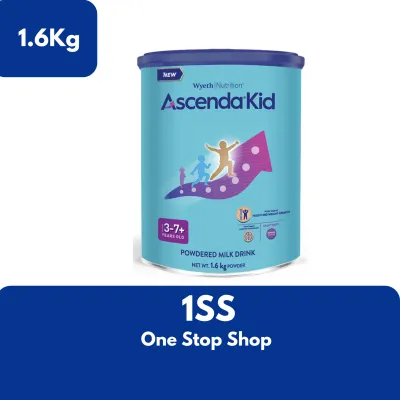
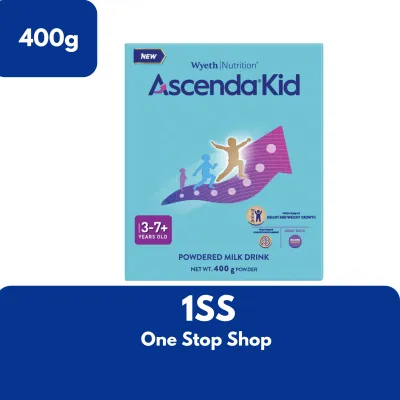

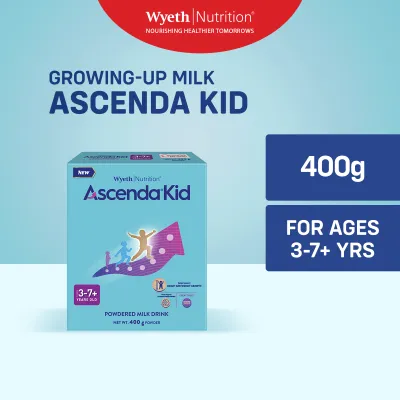
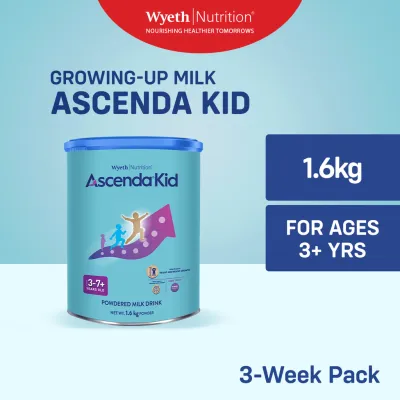
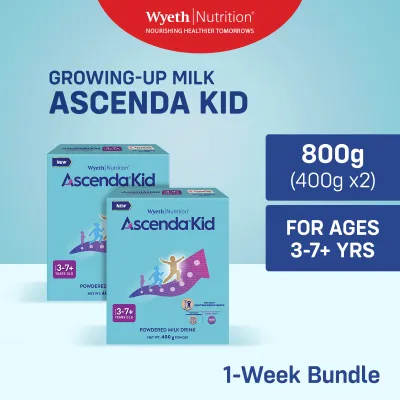

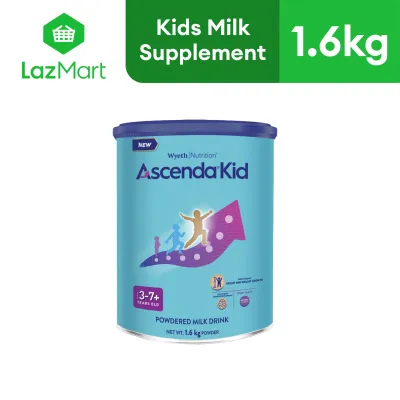
Prices are valid at publication and may change. Please refer to the product page for the latest price.
It is important to read product labels carefully to understand the difference between a nutritional supplement and a standard growing-up milk. Some formulations are designed as high-calorie nutritional supplements for children with specific growth challenges, while others are standard daily milk drinks. Using a high-calorie supplement when your child only needs a standard drink can lead to an unnecessary intake of calories.
Before introducing any new fortified milk or switching brands, consult your pediatrician. A healthcare professional can assess your child’s growth chart, identify actual dietary deficiencies, and recommend the safest options. This step is especially critical if your child has underlying health conditions, food allergies, or specific dietary restrictions.
Comparing Nido, NAN, and Enfagrow on the Label
When comparing Nido, NAN, and Enfagrow, the most reliable information is found directly on the product packaging. Marketing claims can be overwhelming, but the ingredient list and nutrition facts panel provide an objective view of what goes into your child’s cup.

Begin by checking the ingredient list, where items are listed in descending order by weight. Look closely at the types of carbohydrates used in the formulation. Some brands may include added sugars, such as sucrose, corn syrup solids, or maltodextrin, to enhance taste. If you prefer to limit your child’s intake of added sugars, look for options where lactose is the primary carbohydrate source and artificial flavorings are minimized.
Next, verify the exact age-stage formulation printed on the front of the packaging. Manufacturers design milk drinks with specific nutrient ratios tailored to distinct developmental stages. For children aged 3 to 7, look for labels indicating “Stage 3” or “Stage 4,” or those explicitly marked for ages three and above. Giving a child a formula meant for a younger infant can result in an imbalance of nutrients and may strain their developing digestive system.
Consider the available product formats to match your family’s daily routine and storage capacity. Powdered milk in bulk tins is often cost-effective for home use, but it requires proper storage in a cool, dry place to prevent clumping in humid tropical climates. Powdered sachets offer convenience for travel, while ready-to-drink cartons are highly portable for school lunches, though they may have a shorter shelf life once opened.
Factoring in Alternatives Like Ascenda Kid
While Nido, NAN, and Enfagrow are popular household names, exploring alternatives like Ascenda Kid can help you find a more precise match for your child’s needs. When evaluating these alternative brands, apply the same rigorous label-checking process to compare their nutrient profiles side-by-side with the major brands.
Read the nutritional panel of Ascenda Kid or similar growing-up milks to check their specific fortification levels. Some alternative brands are formulated with a higher concentration of energy and specific macronutrients to support children who are catching up on growth. Compare the protein, fat, and vitamin content per serving to ensure the milk aligns with your pediatrician’s recommendations.
Pay close attention to specific dietary claims highlighted on the packaging of alternative brands. If your child has a sensitive stomach, you may want to look for labels that specify “no added sucrose” or check for lactose-free options. Keep in mind that specialized dietary claims should always be verified against the actual ingredient list rather than relying solely on front-of-pack highlights.
Additionally, evaluate the practical aspects of choosing an alternative brand, such as local availability and shelf life. Some specialized formulas may not be as widely stocked in local supermarkets as mainstream brands. Ensure you can consistently source the product through verified online stores or official distribution channels in the Philippines to avoid sudden disruptions in your child’s feeding routine.
Assessing Taste, Tolerance, and Daily Routine
Introducing a new milk drink requires a systematic approach to ensure your child accepts the taste and tolerates the formulation. Children can be highly sensitive to changes in flavor and texture, so a sudden switch can sometimes lead to refusal or digestive upset.
To ease the transition, introduce the new milk gradually over several days. You can start by replacing a small portion of their current milk with the new brand, slowly increasing the ratio of the new milk each day. This gradual method allows your child to adjust to the new taste profile and helps you avoid wasting bulk purchases if they ultimately reject the flavor.
During the first two weeks of introducing a new milk, closely monitor your child for observable signs of digestive tolerance. Watch for symptoms such as bloating, excessive gas, abdominal discomfort, or sudden changes in bowel movements, such as diarrhea or constipation. If you observe persistent digestive issues, stop using the milk and consult a healthcare professional to rule out food intolerances or allergies.
To preserve the nutritional integrity of the milk, always follow the manufacturer’s exact mixing instructions printed on the packaging. Use the provided scoop to measure the powder accurately, and avoid packing the powder tightly unless specified. Mix the powder with water at the recommended temperature, as excessively hot water can destroy heat-sensitive vitamins and beneficial probiotics, while cold water may cause the powder to clump.
Decision Framework: Choosing the Right Fit
Selecting the right milk drink involves matching your child’s specific profile with the unique characteristics of each brand. By focusing on observable product features and your family’s lifestyle, you can make a practical and informed decision.
You might consider Nido if your child prefers a familiar, widely accepted taste and your daily routine requires flexible packaging options. Nido is highly accessible in local supermarkets across the Philippines and offers various formats, including convenient sachets and ready-to-drink options that fit easily into school lunchboxes.
You might look into NAN if you are seeking formulations that explicitly list specific probiotics or digestive-support ingredients on their packaging. This option is often considered for children whose parents want to focus on supporting digestive comfort and gut health through fortified milk.
You might choose Enfagrow if you want to compare specific levels of DHA and other brain-support nutrients as detailed on their nutrition facts label. This brand is frequently selected by parents who prioritize matching nutrient levels with their child’s cognitive development stage.
Before making a final choice, always verify if your child has diagnosed food allergies, lactose intolerance, or other medical conditions. If your child requires a specialized medical formula, do not rely on standard commercial milk drinks. Instead, seek a specific prescription and guidance from a qualified healthcare professional to ensure your child’s safety and nutritional needs are fully met.
Frequently Asked Questions (FAQ)
Can I mix two different brands of formula milk together?
Manufacturers generally recommend following single-brand mixing instructions and advise against mixing different milk powders in the same bottle. Mixing different brands can alter the intended nutrient density, osmolarity, and overall safety profile of the drink. Each brand is formulated with a precise balance of vitamins, minerals, and water-to-powder ratios; combining them can make the mixture too concentrated or too diluted, potentially straining your child’s digestive system and kidneys.
How long can prepared milk sit out before it spoils?
As a general food safety rule, prepared milk should not sit out at room temperature for more than one to two hours, especially in warm and humid tropical climates. If your child does not finish a cup or bottle within a feeding session, discard the remaining milk to prevent the growth of harmful bacteria from their saliva. Always check the specific storage instructions and time limits printed on the product packaging, as formulations can vary.
Community discussion
Share your experience or ask a question. Comments are reviewed before publication.