
When navigating the milk aisle of supermarkets in the Philippines, choosing the right formula or growing-up milk can feel overwhelming. Among the most popular options parents compare are Nido, NAN, and Enfagrow. Each brand has established a strong reputation, but they cater to different developmental stages, nutritional priorities, and family budgets. Deciding which one is best for your child requires looking beyond the packaging to examine specific nutritional profiles, age suitabilities, and digestive demands.
There is no single “best” brand that fits every child. The ideal choice depends entirely on your child’s current age, specific nutritional gaps, digestive tolerance, and overall diet. While one child may thrive on a formula designed for sensitive tummies, another may benefit more from a formulation enriched with brain-supporting nutrients, or a budget-friendly option that complements a robust solid-food diet.
It is also vital to remember that formula or growing-up milk is a nutritional supplement meant to support, not replace, a balanced diet of whole foods. For children with specific medical concerns, allergies, or unique developmental needs, always consult a pediatrician before introducing or switching milk brands.
Products mentioned in this guide
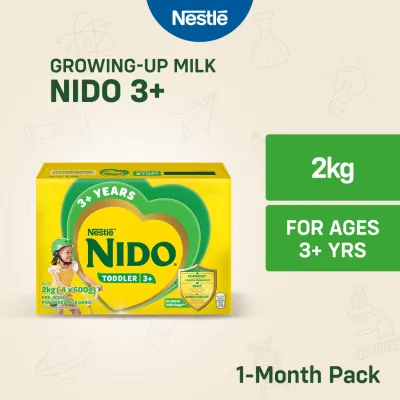
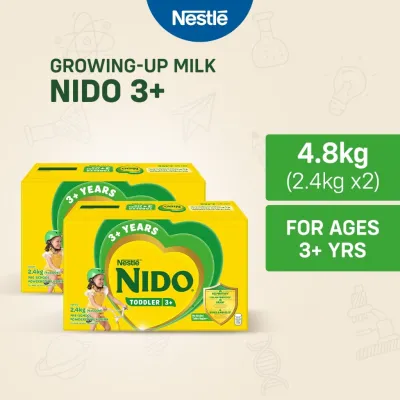
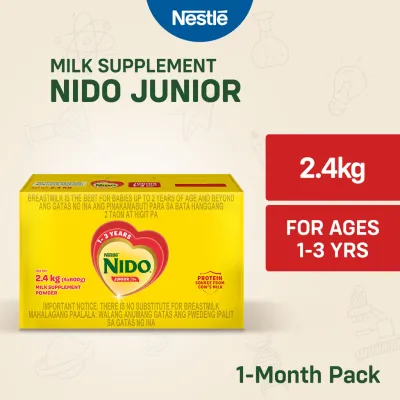
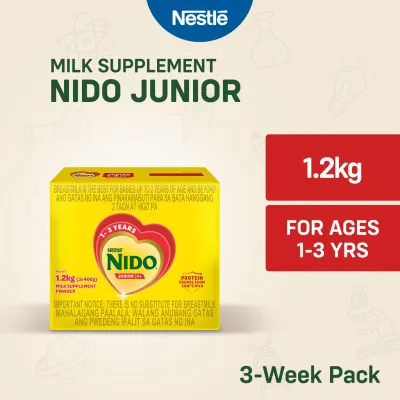
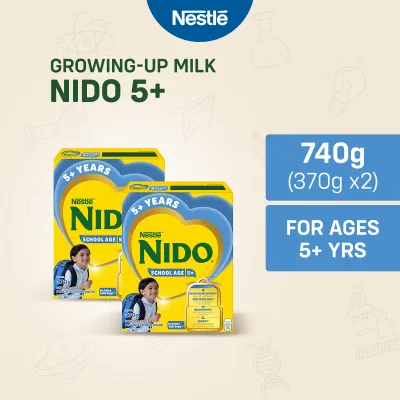
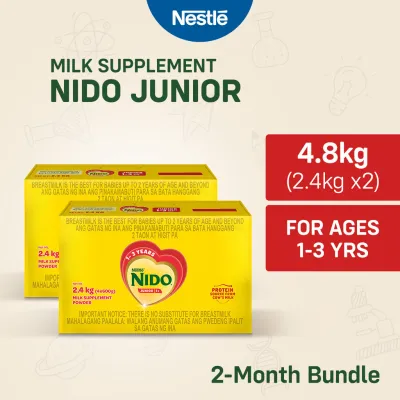
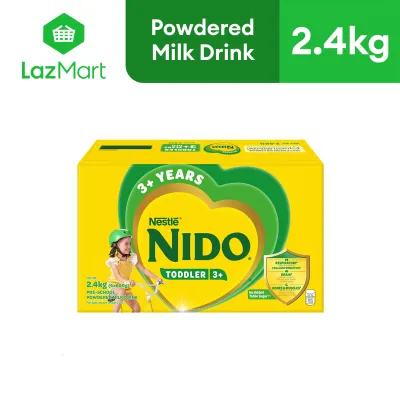
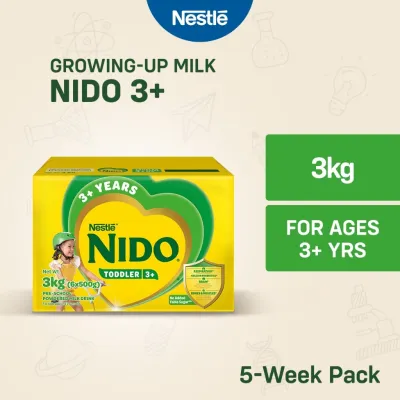
Prices are valid at publication and may change. Please refer to the product page for the latest price.
Evaluating Nido, NAN, and Enfagrow: Brand Positioning and Target Age Groups
To make an informed decision, it is essential to understand how manufacturers design and position their milk products. Formula brands segment their offerings into distinct stages (typically Stage 1, Stage 2, Stage 3, and Stage 4) to match the changing nutritional requirements of children as they grow. Parents must always verify the specific age range, weight recommendations, and stage numbering directly on the physical product label, as formulations and naming conventions can vary significantly across different product lines.
NAN
NAN is widely recognized in the early childhood nutrition space, with a strong emphasis on infants and young toddlers. Developed with a focus on early-stage development, this brand is highly regarded for its attention to digestive comfort and gut health. Its formulations often feature specialized protein profiles designed to be easier on a developing infant’s sensitive digestive system. For parents concerned about colic, gas, or general digestive transitions in the first few years of life, NAN is positioned as a gentle, scientifically backed option that supports the gut microbiome from the very start.
Enfagrow
Enfagrow primarily targets toddlers and preschoolers, typically focusing on children aged one to five years and beyond. The brand has built its reputation heavily around cognitive milestones, brain development, and mental agility. Its formulations are distinctively centered on high levels of Docosahexaenoic Acid (DHA) and other brain-supportive nutrients. Parents who choose Enfagrow are often looking to support their child’s cognitive growth, focus, and learning abilities during the crucial years of rapid brain development and early schooling.
Nido
Nido is a household name in the Philippines, primarily positioned for older toddlers, preschoolers, and school-age children, typically starting from age three and extending well into the school years. Unlike infant formulas, Nido is designed as a growing-up milk and nutritional supplement for active, older children who are already transitioned to a diet of solid foods. Its positioning focuses on general physical growth, bone strength, and immune support. Because it is formulated for older children with more mature digestive systems, it is often more affordable per serving, making it a highly practical choice for long-term daily consumption as part of a family’s regular grocery routine.
Comparing Key Nutritional Profiles and Ingredients
Evaluating the back of a milk tin can be daunting. Understanding how to read and compare the Nutrition Facts panel is the most reliable way to determine which product aligns with your child’s physical needs. Rather than relying on front-of-pack marketing claims, look closely at the ingredient list and the nutrient values per serving.

Brain and Cognitive Support
When comparing cognitive nutrients, look for Docosahexaenoic Acid (DHA), Arachidonic Acid (ARA), and Choline. DHA is an omega-3 fatty acid crucial for brain and retinal development. While Enfagrow is highly marketed for its brain-building nutrients, parents should actively compare the actual milligram content of DHA per serving across all three brands. Check if the formulation also includes Choline and Iron, which support neurotransmitter synthesis and oxygen transport to the brain. ARA, or Arachidonic Acid, is another long-chain polyunsaturated fatty acid that works in tandem with DHA to support neurological development. The ratio of DHA to ARA in a formula is often carefully calibrated by manufacturers to mimic natural development patterns. When comparing these brands, look for how they balance these two components on their nutritional panels, keeping in mind that these nutrients are most effective when supported by a diet rich in natural choline sources like eggs and local fish.
Immunity and Gut Health
A child’s immune system is closely linked to their gut health. When evaluating immunity support, look for prebiotics such as Galacto-oligosaccharides (GOS) and Fructo-oligosaccharides (FOS), which feed beneficial gut bacteria. Probiotics, which are live beneficial microorganisms, are also common additions. NAN frequently highlights its gut-health formulations, often incorporating specific probiotic strains. When comparing, check the ingredient list for the exact strains used and verify if the product requires specific storage conditions, as live cultures can be sensitive to the high humidity and tropical temperatures of the Philippines. Additionally, look for essential micronutrients like Zinc, Vitamin A, Vitamin C, and Selenium, which play critical roles in maintaining the integrity of the immune system.
Bone and Physical Growth
For physical development, the key nutrients to evaluate are Calcium, Vitamin D, Protein, and Iron. Calcium and Vitamin D work synergistically to build strong bones and teeth, which is vital during rapid growth spurts. Check the Nutrition Facts panel to see what percentage of the daily recommended intake—such as the Recommended Energy and Nutrient Intakes (RENI) for Filipino children—each serving provides. Ensure the protein source is high quality and matches your child’s digestive capacity. Older, highly active children may require the robust protein and calcium levels found in Nido, while younger toddlers may need the more easily digestible protein structures found in NAN.
Sugar and Carbohydrates
One of the most critical, yet often overlooked, aspects of choosing a milk formula is the source of carbohydrates. Naturally occurring milk sugar, known as lactose, is the preferred carbohydrate source for growing children. However, some growing-up milks contain added sugars such as sucrose, corn syrup solids, maltodextrin, or glucose syrup to enhance flavor and shelf life. Parents should carefully inspect the ingredient list. When checking labels in local supermarkets, look closely at the carbohydrate breakdown. Added sugars might be listed under names like sucrose, corn syrup solids, maltodextrin, or glucose syrup. In the warm, humid climate of the Philippines, children are highly prone to dehydration, and a diet high in sugar can worsen thirst and lead to rapid tooth decay if oral hygiene is not meticulously maintained. Choosing a formula with low or no added sugars is highly recommended to prevent early childhood dental caries and prevent the development of a lifelong preference for overly sweet foods.
Matching the Milk to Your Child's Developmental Stage
As children transition through different physical and cognitive milestones, their nutritional requirements shift. Aligning your choice of milk with these developmental milestones ensures they receive the right support at the right time.
Toddlers (1 to 3 Years)
The toddler years represent a major transition phase. Children are moving away from breastmilk or infant formula and are beginning to explore a wider variety of solid foods. At this stage, their digestive systems are still maturing, making digestive comfort a top priority. While they still require concentrated nutrients for rapid brain development and physical growth, their primary source of nutrition must gradually shift toward balanced solid meals. According to global health guidelines, while breastmilk or appropriate milk supplements continue to play a role, toddlers should be gaining the vast majority of their vitamins and minerals from a diverse plate of solid foods. Milk at this stage should act as a safety net to fill in micro-nutritional gaps, such as Vitamin D and Iron, without over-saturating their small stomachs or dulling their appetite for family meals.
Preschoolers (3 to 5 Years)
Preschoolers are characterized by high energy levels, rapid language acquisition, and increased social interaction as they enter daycare or kindergarten. This exposure to new environments also means exposure to school-yard germs, making immune defense highly important. Cognitive demands also peak as they begin formal learning. A milk formulation that balances cognitive-supporting DHA with robust immune-supporting vitamins and prebiotics can help support them through these active, high-exposure years, especially if the child is going through a typical “picky eating” phase.
School-Age (6+ Years)
For school-age children, daily life involves sustained physical activity, structured learning, and rapid bone elongation. At this age, milk is purely a supplementary beverage rather than a primary source of nutrition. The focus shifts to maintaining strong bones, supporting daily energy requirements, and reinforcing general wellness. A straightforward, calcium-rich growing-up milk like Nido is often highly suitable and cost-effective for this stage, helping to ensure they meet their daily calcium and vitamin requirements alongside a diverse family diet.
Regardless of the stage your child is in, it is vital to remember that no formula or growing-up milk can compensate for a highly restrictive or nutrient-poor solid-food diet. Parents should focus on building healthy, diverse eating habits, offering a wide range of fruits, vegetables, lean proteins, and whole grains, using milk as a supportive addition rather than a dietary foundation.
Decision Framework: How to Choose the Right Brand
To simplify your decision-making process at the grocery store, use this conditional framework to determine which brand aligns best with your child’s current situation.
- Choose NAN if: Your child is in the infant or early toddler stage and has a sensitive digestive system. If your child frequently experiences mild gas, colic, or irregular bowel movements, a formulation focused on gentle, easily digestible proteins and active probiotics may provide the comfort they need.
- Choose Enfagrow if: Your child is a toddler or preschooler, and your primary goal is to support cognitive development, focus, and early learning milestones. This is highly suitable if you want a premium formulation heavily fortified with DHA and other brain-supportive nutrients during key developmental leaps.
- Choose Nido if: Your child is three years or older, eats a relatively balanced solid-food diet, and you are looking for an affordable, everyday nutritional supplement. It is an excellent choice for supporting general immunity, physical growth, and bone strength in active school-age children without straining the household budget.
- Verify first and consult a pediatrician if: Your child has a known or suspected medical condition, such as lactose intolerance, a cow's milk protein allergy (CMPA), chronic eczema, or specific metabolic challenges. Standard formulations from NAN, Enfagrow, or Nido are not designed for these medical conditions. In such cases, specialized hypoallergenic, amino acid-based, or lactose-free formulas are required, and these must only be introduced under the direct supervision of a qualified healthcare professional.
Keep in mind that financial sustainability is a major factor in long-term nutrition. NAN and Enfagrow are positioned as premium options with higher price points per gram, which may impact your monthly household budget. Nido offers a highly accessible, budget-friendly alternative that delivers reliable baseline nutrition, allowing you to allocate resources toward a wider variety of fresh, whole foods for your child’s daily meals.
Frequently Asked Questions (FAQ)
Can I mix different formula milk brands together in one bottle?
No, mixing different formula milk brands or stages within a single bottle is generally not recommended. Each brand and stage is formulated with a precise balance of nutrients, proteins, and minerals, designed to be reconstituted with a specific ratio of water. Mixing them can alter the overall nutrient density and osmolarity of the feed, which can place unnecessary strain on your child’s kidneys and digestive tract. Additionally, it makes it difficult to identify the culprit if your child experiences an allergic reaction or digestive upset. It is safest to stick to one specific brand and stage per feeding.
Is it safe to switch my child from NAN to Nido or Enfagrow?
Yes, switching brands is generally safe, provided the new milk is appropriate for your child’s age and developmental stage. However, a sudden switch can sometimes cause temporary digestive mild upset, such as changes in stool consistency or gas. To ensure a smooth transition, introduce the new milk gradually. You can start by replacing one feeding a day with the new brand, slowly increasing the frequency over several days while carefully monitoring your child for any signs of digestive discomfort, skin rashes, or behavioral changes. If any adverse reactions occur, stop the transition and consult your pediatrician.
How do I know if my child actually needs a growing-up milk?
Growing-up milks (typically Stage 3 and Stage 4) are not strictly mandatory for every child. If your older toddler or school-age child is eating a highly diverse, nutrient-dense solid-food diet and drinking plain, unsweetened pasteurized cow’s milk, they may already be meeting all their nutritional requirements. Growing-up milks are designed as practical tools to fill potential nutritional gaps, particularly for picky eaters who may not get enough iron, vitamin D, or essential fatty acids from their meals. Evaluate your child’s overall eating habits and discuss their growth progress with a pediatrician to decide if a fortified milk is necessary.
Community discussion
Share your experience or ask a question. Comments are reviewed before publication.