
Choosing the right formula milk for your child in the Philippines can feel like an overwhelming task, especially with prominent options like Nido, NAN, and Enfagrow lining supermarket shelves. The ideal choice is not a single, universally superior brand; rather, it is a conditional decision that depends entirely on your child’s specific age, digestive tolerance, and current nutritional gaps. Nido is widely recognized for its focus on growing children, offering highly accessible, fortified milk options for toddlers and school-aged kids. NAN is frequently associated with specialized infant nutrition, utilizing advanced protein technologies to support delicate, developing digestive systems. Enfagrow typically targets toddler and preschool stages, prioritizing brain development and immune support as children transition to solid foods.
Because your child’s nutritional needs are highly individual, parents must always consult a pediatrician before introducing or switching formula milk. This is particularly critical for infants under 12 months of age, or for children with known food allergies, digestive sensitivities, or underlying medical conditions. A professional medical opinion ensures that the chosen formula aligns safely with your child’s developmental trajectory.
Brand Positioning: What Nido, NAN, and Enfagrow Focus On
To navigate these options effectively, it helps to understand the core philosophy and market positioning of each brand in the Philippines. Nestlé’s Nido has long been a household staple, known for providing practical, cost-effective, and heavily fortified milk powders. Its primary focus is on older toddlers and school-aged children, serving as a nutritional safety net that supplements a daily diet of solid foods with essential micronutrients.
Products mentioned in this guide
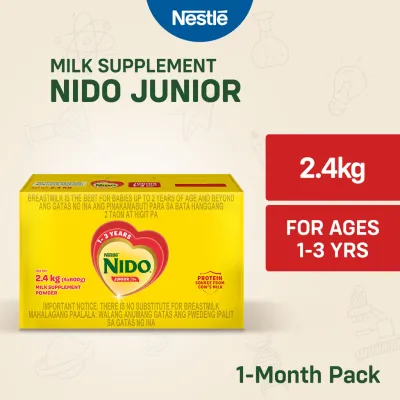
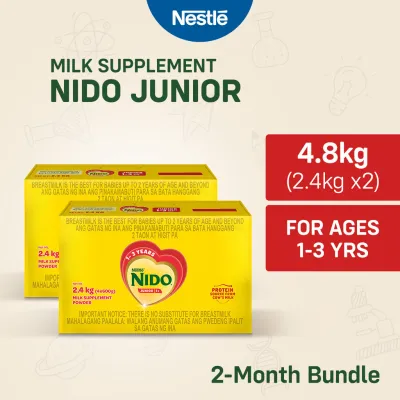
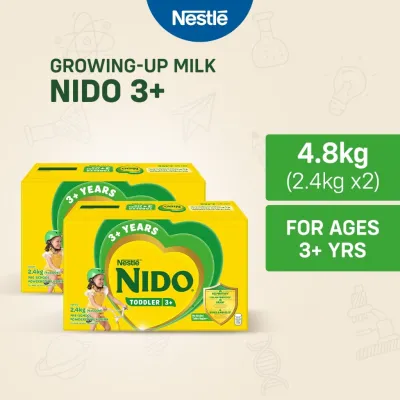
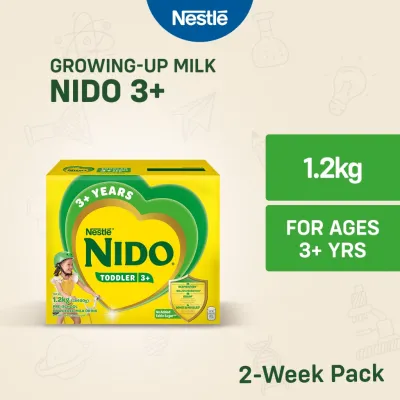
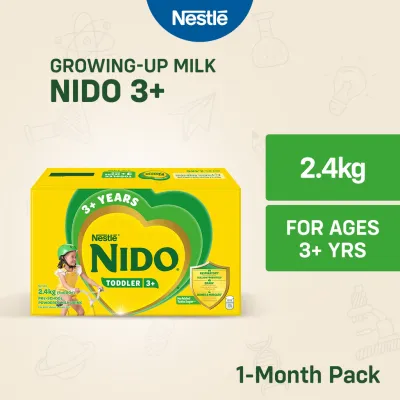
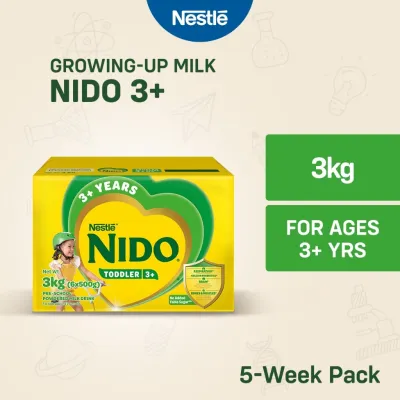
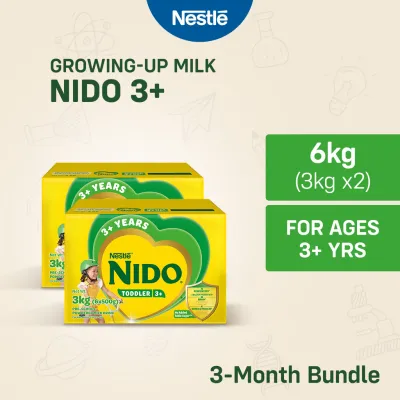
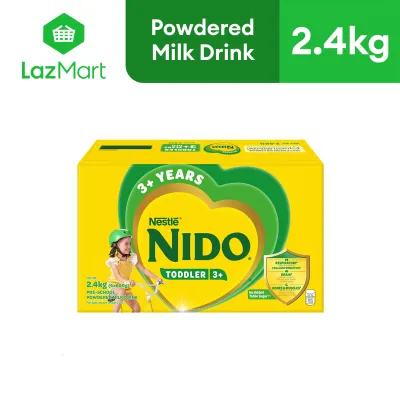
Prices are valid at publication and may change. Please refer to the product page for the latest price.
NAN, also developed by Nestlé, represents a highly specialized, science-driven tier of early childhood nutrition. The brand focuses heavily on the first thousand days of life, investing in research surrounding protein quality, structural lipids, and gut comfort. Its formulations are designed to be highly digestible, mimicking the gentle nature of breastmilk to support infants and young toddlers through early developmental milestones.
Enfagrow, produced by Mead Johnson, positions itself as a premium brand centered on cognitive and immune development. Its marketing and formulations emphasize high levels of Docosahexaenoic Acid (DHA) and unique prebiotic blends. The brand’s philosophy is built around maximizing a child’s learning potential and physical defenses during the rapid brain-growth phases of toddlerhood and preschool years.
Because manufacturers frequently update their formulations, ingredients, and product names to reflect the latest pediatric research, readers must verify the specific variant they are considering. Do not rely solely on general brand reputation; always check the physical packaging of the specific tin or box to confirm its current ingredients and target age group.
Age Suitability: Navigating Infant, Toddler, and Growing-Up Milk
Matching the correct product line to your child’s exact developmental stage is vital for their safety and health. The nutritional requirements of a newborn are vastly different from those of a active three-year-old. Formula milks are strictly categorized into infant formula (0 to 6 months), follow-on formula (6 to 12 months), toddler milk (1 to 3 years), and growing-up milk (3 years and older) to reflect these changing physiological needs.

Caregivers must strictly follow the age grading and preparation instructions printed on the specific product packaging. Age suitability cannot be assumed based on the brand name alone, as a single brand family often contains multiple vastly different formulations. Preparing a formula designed for an older child for a younger infant can lead to severe digestive distress or nutritional deficiencies.
Infant and Toddler Stages (0 to 3 Years)
During the critical first year of life, NAN maintains a dominant presence in the infant and follow-on formula categories. Its formulations focus on optimized protein blends that are easy on an infant’s immature digestive tract, helping to reduce common early issues like colic, gas, and regurgitation.
Enfagrow focuses its primary efforts on the toddler transition phase, typically starting from age one. As toddlers begin to explore solid foods and potentially become selective eaters, Enfagrow provides highly fortified toddler milks designed to bridge nutritional gaps, ensuring they still receive critical fatty acids and vitamins necessary for rapid physical and mental growth.
Nido offers specific toddler variants, such as Nido 1+, which are formulated to support the immune systems of children aged one to three years as they interact more with their environment. It is crucial to remember that regular powdered milk or standard growing-up milks are never safe substitutes for regulated infant formula for babies under 12 months. An infant’s kidneys and digestive system cannot process the high mineral and protein concentrations found in standard cow’s milk powders.
Preschool and Growing Child Stages (3 Years and Up)
As children reach preschool and early school age, their dietary patterns shift significantly. Nido’s fortified powdered milk lines, such as Nido 3+ and Nido 5+, are highly popular in Philippine households for this age bracket. These products are specifically fortified with micronutrients like Iron, Zinc, and Vitamin C to support the immune challenges of school-age environments, offering a highly economical choice for daily consumption.
Enfagrow competes in this older segment with variants like Enfagrow Four, which continue to prioritize cognitive support. These formulations maintain higher levels of DHA and immune-supporting ingredients like beta-glucan, targeting parents who wish to maintain a premium focus on brain development and respiratory health as their child enters preschool.
When deciding whether a growing-up milk is genuinely necessary for an older child, parents should assess their child’s overall dietary intake. If your child consumes a diverse, balanced diet consisting of fruits, vegetables, grains, and varied proteins, regular pasteurized fresh milk alongside their meals is often fully sufficient. However, if your child is a highly selective eater or is recovering from an illness, a fortified growing-up milk can serve as a beneficial dietary supplement under pediatric guidance.
Comparing Nutritional Profiles and Key Ingredients
To make an objective comparison, parents must learn to read and analyze the nutrition facts labels on formula packaging. When evaluating different brands, there are several key nutrient groups that you should look for and compare directly:
- Brain Development: Look for Docosahexaenoic Acid (DHA) and Arachidonic Acid (ARA). These are crucial long-chain polyunsaturated fatty acids that support brain development and visual acuity.
- Gut Health and Digestion: Look for prebiotics (such as GOS, FOS, or polydextrose) and probiotics (such as Bifidobacterium lactis). These ingredients help cultivate a healthy gut microbiome, which is closely linked to strong immunity and comfortable digestion.
- Immunity and Bone Growth: Check the levels of essential vitamins and minerals, particularly Iron, Vitamin C, Zinc, Calcium, and Vitamin D. These support physical growth, bone density, and defense against common infections.
It is important to avoid the assumption that a higher number of listed ingredients or a higher concentration of a specific nutrient automatically makes a product superior. What matters most is the bioavailability of those nutrients—how easily your child’s body can absorb them—and how well they address your child’s actual dietary gaps.
To assist you in comparing these products at the store or online, use the following structured template to record and evaluate the exact values printed on the physical packaging of the specific variants you are considering:
| Nutrient Group / Ingredient | NAN Variant (Verify on Label) | Enfagrow Variant (Verify on Label) | Nido Variant (Verify on Label) |
|---|---|---|---|
| DHA / ARA (mg per serving) | |||
| Prebiotics / Probiotics (Strains/Types) | |||
| Calcium & Vitamin D (% RENI or mg) | |||
| Iron & Zinc (% RENI or mg) | |||
| Protein Source (e.g., Whey/Casein ratio) | |||
| Sugar Content (g per serving) |
Digestibility, Tolerance, and Dietary Restrictions
Digestive comfort is a primary concern for many parents, often prompting them to switch formula brands. However, it is vital to understand that common digestive struggles require careful diagnosis. Cow’s milk protein allergy (CMPA) and lactose intolerance are distinct medical conditions that cannot be resolved by simply switching between standard Nido, NAN, or Enfagrow lines.
CMPA is an immune system response to the proteins in cow’s milk, whereas lactose intolerance is the inability to digest milk sugars due to a deficiency in the lactase enzyme. Both conditions require a formal diagnosis from a pediatrician. Children diagnosed with these conditions must use specialized hypoallergenic, amino acid-based, or lactose-free formulas under strict medical supervision.
For children without diagnosed medical conditions who experience mild gassiness or fussiness, the structural differences in the proteins used by different brands can influence digestibility. For example, certain specialized NAN variants utilize partially hydrolyzed proteins, which are pre-broken down into smaller pieces to make gastric emptying easier. Enfagrow and Nido variants use different protein configurations and prebiotic fibers that may suit some children’s digestive tracts better than others.
Parents must observe a strict safety boundary: if your child experiences persistent diarrhea, vomiting, blood in the stool, unexplained skin rashes, or excessive, inconsolable fussiness after feeding, stop using the formula immediately. Do not engage in a trial-and-error approach by repeatedly switching brands on your own. Consult a pediatrician immediately to identify the root cause of the symptoms.
Final Decision Framework: Which Brand Fits Your Child?
To help guide your final decision, consider how your child’s developmental stage, digestive health, and your family’s practical circumstances align with the strengths of each brand.
- Choose NAN if: You are looking for specialized infant nutrition or advanced protein technologies designed to support early digestion and minimize mild gassiness in babies and young toddlers, subject to pediatric advice and precise variant selection.
- Choose Enfagrow if: Your primary focus is supporting rapid cognitive development, brain function, and immune transitions for toddlers and preschoolers (ages 1 to 3+ years) who are transitioning to solid foods and may benefit from high DHA levels and prebiotic blends.
- Choose Nido if: You require an affordable, highly accessible, and fortified milk supplement for a growing toddler or school-aged child (ages 1, 3, or 5+ years) who already eats a solid diet but needs extra support for physical growth and immune defense.
- Verify first if: Your child has a history of food allergies, severe digestive distress, or specific medical conditions; always consult a healthcare professional before purchasing or switching to any new formula brand.
In addition to nutritional profiles, practical local factors in the Philippines should play a role in your decision. Formula milk is a recurring household expense, so you must evaluate how a brand fits into your long-term budget. Standard fortified milk powders like Nido represent a highly budget-friendly tier (often ranging from ₱300 to ₱700 per medium pack), whereas premium specialized infant and toddler formulas like NAN or Enfagrow sit in a higher price band (frequently ranging from ₱1,000 to over ₱2,500 per large can).
Furthermore, ensure that the specific brand and variant you choose is consistently available in your local supermarkets, pharmacies, or trusted online flagship stores. Sudden, forced brand switches due to local stock shortages can disrupt your child’s digestion. Finally, respect your child’s personal taste preferences; even the most nutritionally advanced formula is only effective if your child drinks it willingly.
Frequently Asked Questions (FAQ)
Can I mix Nido and Enfagrow in the same bottle?
No, you should strongly avoid mixing different formula brands or variants in the same bottle. Each brand is formulated with a precise balance of nutrients, specific scoop sizes, and unique water-to-powder preparation ratios. Mixing them can alter the osmotic concentration of the feed, leading to dangerous over-concentration (which strains the child’s kidneys and causes dehydration) or under-concentration (which leads to nutritional deficiencies). Always prepare each formula separately according to its specific package instructions.
How do I safely switch my child from NAN to Nido?
To safely transition your child from NAN to Nido, use a gradual transition method over several days to allow their digestive system to adapt. Start by offering the new milk in a separate bottle for just one feed a day, while keeping the remaining feeds as the old milk. Gradually increase the number of feeds using the new milk over a week while closely monitoring your child for any signs of digestive upset, such as changes in stool consistency, vomiting, or fussiness. Throughout this process, strictly follow the exact water-to-powder ratio and preparation instructions printed on the new Nido packaging.
Community discussion
Share your experience or ask a question. Comments are reviewed before publication.