
There is no single “best” toddler formula for children aged 1 to 3 years in the Philippines. The ideal choice depends entirely on your toddler’s specific nutritional gaps, digestive tolerance, and your family’s household budget. Instead of searching for a universal winner, parents can make an informed decision by systematically reading nutrition labels, observing physical responses, and calculating the actual cost per serving.
Toddlerhood is a period of rapid physical growth and cognitive development, but it is also a time when picky eating habits often emerge. During this transition from an all-milk diet to family meals, milk supplements can help bridge nutritional gaps. However, because every child’s digestive system and taste preferences are unique, what works perfectly for one toddler might cause digestive discomfort or be rejected by another.
By understanding how to evaluate Nido, NAN, and Enfagrow based on their typical formulations, ingredient profiles, and cost efficiency, you can select a formula that aligns with your child’s developmental stage. This guide provides a practical, step-by-step framework to help you navigate the milk aisle with confidence, ensuring you choose a product that supports your toddler’s growth while fitting your family’s lifestyle.
Products mentioned in this guide
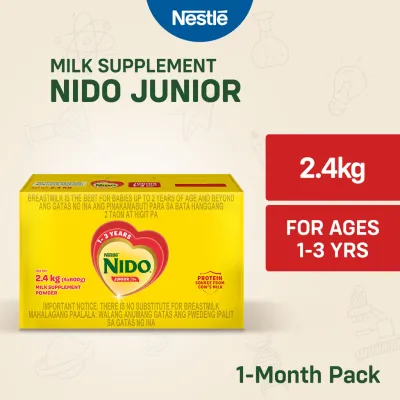
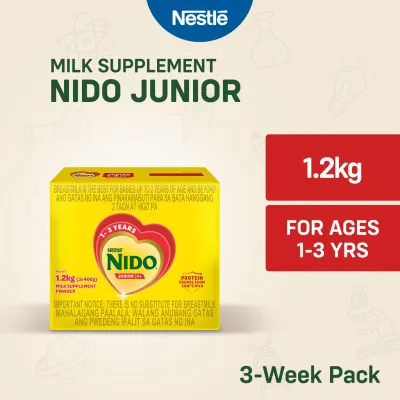


![[ONLINE EXCLUSIVE] NIDO JUNIOR 1+ Milk Supplement Powder for Children 1-3 Years Old 4kg](https://img.lazcdn.com/g/p/346169b16d6126178676b1f57c9aec63.jpg_400x400q80.jpg_.webp)
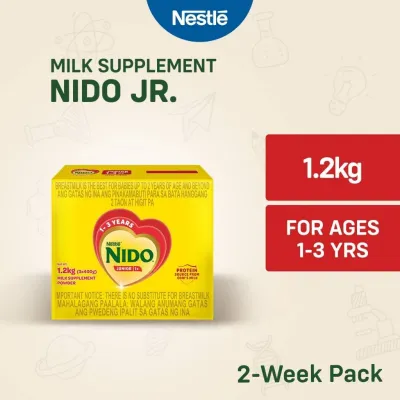
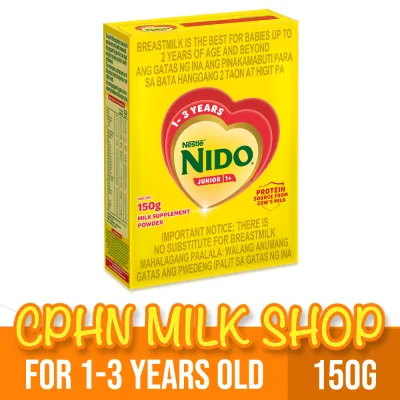
Prices are valid at publication and may change. Please refer to the product page for the latest price.
Understanding Your Toddler's Nutritional Needs (1-3 Years)
Between the ages of one and three, toddlers undergo immense developmental milestones, from taking their first steps to rapid language acquisition. To support these changes, their bodies require a steady intake of essential nutrients, including iron, calcium, vitamin D, and docosahexaenoic acid (DHA). Iron is crucial for brain development and preventing anemia, while calcium and vitamin D work together to build strong bones and teeth during active growth spurts.
When reading the nutrition facts panel on any toddler formula, it is important to check the percentages of these key nutrients per serving. Manufacturers design these products to supplement a toddler’s diet, meaning they are formulated to fill the nutritional gaps that often occur when a child refuses certain foods. For instance, if your toddler is currently going through a phase of rejecting green leafy vegetables or meat, a formula with a reliable iron content can provide peace of mind.
However, parents must remember that toddler formula is a supplement to a transitioning solid-food diet, not a complete replacement for daily meals. By age one, solid foods should gradually become the primary source of nutrition and energy. Relying too heavily on milk can fill up a toddler’s small stomach, making them less interested in exploring different textures and flavors of solid foods at the family table.
Before introducing any new formula or switching brands, consulting a pediatrician is highly recommended, especially if your child has specific health conditions. Toddlers with a history of prematurity, slow weight gain, food allergies, or chronic digestive issues require specialized medical guidance. A healthcare professional can help you determine whether a standard toddler formula is appropriate or if a specialized, hypoallergenic, or lactose-free option is necessary for your child’s well-being.
Comparing the Core Profiles: Nido, NAN, and Enfagrow
When walking down the baby care aisle in Philippine supermarkets, you will find that Nido, NAN, and Enfagrow are positioned differently by their respective manufacturers. Understanding these general brand focus areas helps you match a product to your specific parenting priorities. Rather than relying on marketing slogans, you can verify these focus areas by carefully examining the ingredient lists and nutrition panels on the packaging.

Nido is widely recognized for its focus on general growth and immunity support for active toddlers. Its formulations often highlight a combination of essential vitamins, minerals, and prebiotic fibers designed to support a child’s natural defenses as they begin to explore their environment. When evaluating Nido, look for the presence of vitamins A, C, and E, as well as zinc and specific prebiotic cultures on the ingredient list to verify these immunity-support claims.
NAN is typically positioned with a strong emphasis on digestive comfort and easy absorption. Many variants in the NAN line feature partially hydrolyzed proteins or specific probiotic strains aimed at supporting a sensitive digestive tract. To verify these features, check the label for terms like “hydrolyzed whey protein” or specific active cultures, which are included to help toddlers who are prone to mild gassiness or irregular bowel movements.
Enfagrow is highly associated with brain development and cognitive support, placing a significant emphasis on its DHA content. DHA is an omega-3 fatty acid that serves as a primary structural component of the brain and retina. If cognitive development is your primary focus, compare the exact milligrams of DHA per serving listed on the Enfagrow nutrition facts panel against other brands to see how it aligns with your expectations.
Regardless of the brand you choose, it is vital to verify that you are purchasing the correct age-stage labeling, typically designated as Stage 3 or formulated specifically for children aged 1 to 3 years. Formulations can update periodically as manufacturers adjust their recipes based on newer nutritional research or regulatory updates. Always read the packaging of the specific tin or box you are holding in the store to ensure the ingredients and nutrient levels match your child’s current needs.
Evaluating Digestibility and Taste Acceptance
Introducing a new toddler formula or transitioning from breast milk or infant formula requires a period of careful observation. A toddler’s digestive system is still maturing, and it can take several days to a week for their stomach to adjust to a new formulation. During this transition, minor changes in stool consistency or frequency can be normal as their gut microbiota adapts to the new ingredients.
However, parents must remain vigilant for clear red-flag symptoms that indicate a formula is not agreeing with their child. Persistent constipation, severe abdominal bloating, frequent vomiting, unexplained skin rashes, or blood in the stool are signs that you should stop using the formula immediately. These symptoms could indicate an underlying food allergy or severe intolerance, requiring prompt consultation with a pediatrician rather than continued trial and error.
Taste acceptance is another common hurdle when introducing a new milk supplement, as toddlers are naturally sensitive to changes in flavor and texture. If your toddler rejects a new formula, try introducing it gradually by mixing small amounts of the new formula with their previous milk, slowly increasing the proportion over several days. Maintaining a calm, pressure-free environment during feeding times can also help reduce resistance and encourage your child to accept the new taste.
While it may be tempting to rely on home remedies or informal tolerance tests, such as switching formulas rapidly to see which one “sticks,” this approach can distress your child’s digestive system. If you suspect your toddler has a cow’s milk protein allergy or lactose sensitivity, seek professional medical advice. A pediatrician can recommend clinically supervised testing and guide you toward safe, specialized formulas designed for sensitive systems.
Calculating Cost per Serving and Availability
The financial commitment of purchasing toddler formula is a significant consideration for most Filipino households. Because retail prices can fluctuate based on promotions, store locations, and packaging sizes, relying solely on the shelf price can be misleading. To understand the true long-term cost, parents should calculate the cost per serving based on the manufacturer’s preparation instructions.
To calculate the cost per serving, first identify the total net weight of the package in grams and the retail price. Next, check the preparation instructions on the back of the pack to find the exact weight of one scoop of powder and the number of scoops required for a single serving. Divide the total net weight of the package by the weight of a single serving to find the total number of servings per pack, then divide the retail price by this number of servings to get the cost per serving (₱).
When choosing between packaging options, consider the trade-offs between buying bulk tins and smaller cardboard boxes or pouches. Bulk tins generally offer a lower cost per gram and provide better protection against tropical humidity and pests, but they must be consumed within a specific timeframe once opened to maintain freshness. Smaller pouches are highly portable and ideal for testing a new brand, but they may carry a slightly higher cost per serving and require airtight storage containers once opened.
To ensure your toddler’s safety, always purchase formula from reputable sources such as major supermarkets, official brand stores on ecommerce platforms, or authorized pharmacies in the Philippines. Inspect the packaging thoroughly before purchase, checking for intact safety seals, a clear expiration date, and the absence of dents or punctures. Avoid buying from unverified online sellers, as counterfeit or improperly stored milk powder can pose severe health risks to your child.
Decision Framework: Which Formula Fits Your Child?
To help you make a final decision, it is helpful to synthesize your observations and priorities into clear, condition-based pathways. If your toddler is generally healthy, has no history of digestive issues, and you are looking for an affordable, well-rounded milk supplement to support their daily physical activities, Nido is an excellent option to consider. Its focus on general growth, immunity-supporting vitamins, and broad availability makes it a practical choice for many active Filipino families.
If your toddler has a sensitive stomach, experiences occasional gassiness, or struggles with mild digestive discomfort during milk transitions, NAN may be the more suitable choice. Its emphasis on easy digestibility, often supported by partially hydrolyzed proteins or specific probiotics, is designed to be gentle on developing digestive tracts. Choosing this option prioritizes digestive comfort, helping to minimize fussiness and support regular bowel movements.
If you want to prioritize cognitive development and are looking for a formula with a prominent focus on brain-supporting nutrients like DHA, Enfagrow fits this specific profile. This choice is ideal for parents who want to ensure their toddler receives a dedicated source of omega-3 fatty acids to complement their early learning milestones. While it may represent a higher financial investment, it provides a targeted nutritional profile focused on early brain development.
Regardless of these general pathways, you must verify your choice with a pediatrician if your child has a history of allergies, exhibits poor weight gain, or shows signs of developmental delays. A medical professional can evaluate your toddler’s unique growth chart and dietary intake to provide personalized recommendations. Never hesitate to seek professional guidance, as a doctor’s expertise is invaluable in ensuring your child’s nutritional needs are met safely and effectively.
Frequently Asked Questions (FAQ)
Can I mix different formula brands in one bottle?
Mixing different toddler formula brands or stages in a single bottle is generally discouraged by pediatricians and nutritionists. Each brand is formulated with a precise balance of nutrients, and mixing them can alter the intended nutrient density and osmolarity, potentially straining your toddler’s kidneys and digestive system. Additionally, different brands have unique scoop sizes and water-to-powder ratios, making it easy to accidentally prepare a feed that is too concentrated or too diluted. If you are transitioning your child from one brand to another, it is safer to offer separate feeds of each brand rather than mixing them together in the same bottle.
How long can a toddler safely drink formula instead of whole cow's milk?
Most pediatric guidelines suggest that healthy toddlers can transition to whole cow’s milk or suitable unsweetened milk alternatives after they reach one year of age, provided they are eating a balanced diet of solid foods. While toddler formulas can safely be consumed up to age three as a nutritional supplement, they should not replace solid foods as the primary source of nutrition. If your toddler is growing well, eating a wide variety of family foods, and meeting their developmental milestones, you can discuss transitioning to regular milk with your pediatrician. The decision to continue formula past the age of one should be based on your child’s specific dietary intake and growth progress.
What are the clear signs that a formula is not working for my toddler?
If a toddler formula is not compatible with your child’s digestive system, they will typically exhibit clear physical symptoms. Watch for chronic diarrhea, blood or mucus in the stool, persistent vomiting, severe abdominal pain or excessive crying after feeding, and unexplained skin rashes or eczema. Poor weight gain or a sudden drop on their growth chart are also critical indicators that the current diet or formula is not meeting their needs. If you observe any of these red flags, stop using the formula immediately and consult your pediatrician to identify the underlying cause and find a safe alternative.
Community discussion
Share your experience or ask a question. Comments are reviewed before publication.