
Quick Answer: Matching the Right Brand to Your Child's Needs
Choosing between Nido, NAN, and Enfagrow for a five-year-old depends on your child’s specific dietary gaps, digestive tolerance, and developmental needs. There is no single “best” brand; instead, each targets different priorities.
If your main goal is supporting general physical growth, active play, and a familiar, widely accepted taste profile, Nido is often the go-to choice for many families. If your child has a sensitive tummy or requires optimized, easy-to-digest protein blends, NAN is typically positioned to address digestive comfort. If you want to focus heavily on cognitive development and specific brain-support nutrients like DHA, Enfagrow is formulated with these lipid blends in mind.
Always verify the exact product variant and age indicator (such as “School Age” or “5+”) on the physical label, as these brands offer multiple formulations for different stages. Remember that your pediatrician’s personalized medical advice always supersedes general brand comparisons.
Products mentioned in this guide
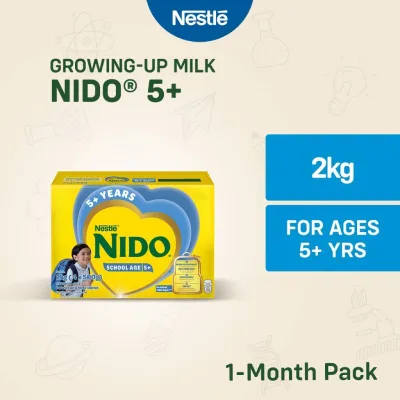
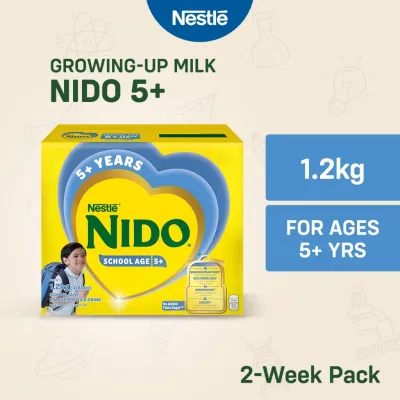
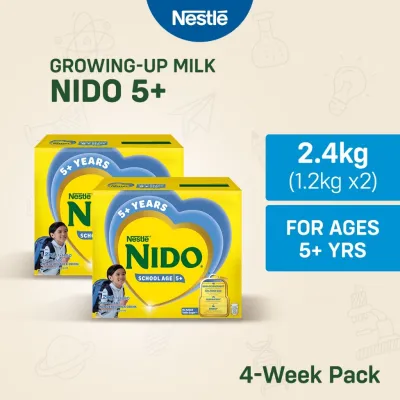
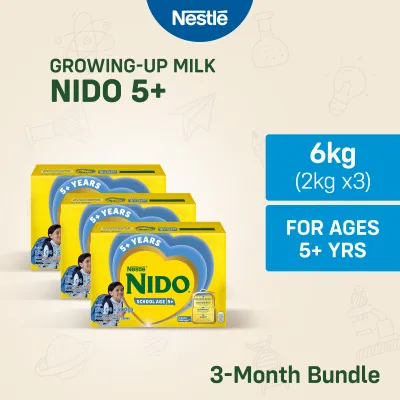
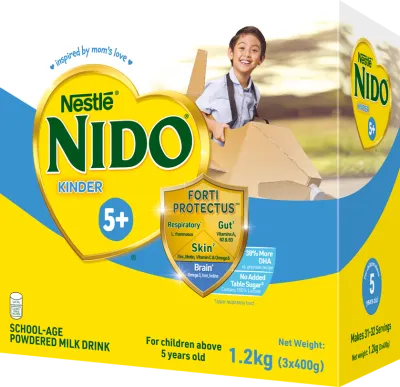

Prices are valid at publication and may change. Please refer to the product page for the latest price.
Baseline Nutritional Needs for 5-Year-Olds
At five years old, children are entering preschool or kindergarten, experiencing rapid physical growth, cognitive leaps, and increased social interaction. Key developmental focus areas include bone health, immune support, and cognitive development. These require a steady intake of calcium, vitamin D, iron, zinc, and essential fatty acids.

In tropical climates like the Philippines, active outdoor play in the heat means children also need proper hydration and nutrients that support energy metabolism. Milk serves as a nutritional supplement to a balanced solid-food diet, not a replacement for regular meals. It helps fill nutritional gaps but should not crowd out diverse foods.
Picky eating habits, frequent fatigue, or high physical activity levels are observable signs that your child might benefit from a specific nutritional focus in their milk. Identifying these signs helps you choose a formula that complements their daily meals.
Evaluating Nido: Focus Areas and Label Checks
Nido is widely recognized for supporting general physical growth and immune defense in school-aged children. Its formulations for older kids often emphasize micronutrients like vitamin C, zinc, and selenium to help support the body’s natural defenses during school activities.
To find the correct option on the supermarket shelf, look closely for the specific age indicator, such as “3+” or “5+”, to ensure the nutrient levels match your child’s stage. Key label elements to verify before purchasing include the added sugar content, specific vitamin and mineral blends, and the recommended serving size.
When checking the label, verify the added sugar content per serving, as some variants may contain sucrose or other sweeteners to appeal to young tastes. Examine the vitamin and mineral breakdown on the back panel, noting the percentage of daily recommended energy and nutrient intake (RENI) provided per serving. Check the recommended serving size and the number of scoops required, as this affects how quickly you will go through a single pack or tin.
Evaluating NAN: Focus Areas and Label Checks
NAN is generally positioned around digestive comfort and high-quality, optimized protein blends designed for easy absorption. This brand often appeals to parents whose children experience occasional digestive sensitivity, bloating, or irregular bowel movements.
Ensure you select the correct stage by carefully distinguishing growing-up formulas from infant or toddler variants, which have vastly different protein and mineral concentrations. Key label elements to verify before purchasing include the inclusion of probiotics or prebiotics, specific protein sources, and exact preparation instructions.
When reading the ingredient list, check for the inclusion of specific probiotics (like active cultures) or prebiotics (like dietary fibers) that support gut health. Verify the primary protein sources listed on the label, noting whether the formula uses partially hydrolyzed proteins or standard cow’s milk proteins. Pay close attention to the exact preparation instructions, especially water temperature, as overheating can deactivate beneficial live microorganisms.
Evaluating Enfagrow: Focus Areas and Label Checks
Enfagrow focuses heavily on cognitive development, often highlighting specific lipid blends and brain-support nutrients. Its formulations typically emphasize ingredients like DHA (docosahexaenoic acid), iron, and iodine, which play key roles in brain function and visual development.
Identify the correct variant by looking for specific sub-line identifiers on the packaging, which indicate the targeted age group and specialized nutritional blends. Key label elements to verify before purchasing include the stated DHA or lutein levels, iron content, and available flavor options.
When evaluating the nutrition facts, check the exact levels of DHA, lutein, and choline stated per serving to understand the cognitive support profile. Review the iron content, as this mineral is crucial for oxygen transport and overall cognitive energy in growing preschoolers. Take note of the available flavor options, such as vanilla or plain, as children at this age can be highly sensitive to taste variations.
In-Store Comparison: How to Read and Compare Labels
When standing in the milk aisle, comparing options directly on the shelf helps you make an objective, budget-conscious decision. Use a structured approach to compare the physical labels of the specific tins or boxes available at your local store.
Primary Protein Source: Look at the ingredient list to see if the milk uses whole milk powder, skimmed milk, or hydrolyzed proteins.
Added Sugars: Check the carbohydrate breakdown for sucrose, corn syrup solids, or fructose, aiming for lower added sugars where possible.
Key Micronutrients: Compare the actual milligrams or micrograms of Calcium, Iron, and DHA per 100g or per serving.
Allergen Warnings: Scan for bolded warnings regarding lactose, soy lecithin, or fish oil (often the source of DHA) to avoid known sensitivities.
To calculate the actual cost per serving, do not just compare the retail price of the box. Use this simple formula:
Cost per Serving = (Retail Price of Pack ₱ / Total Net Weight in Grams) x Grams per Serving
Alternatively, divide the total retail price by the estimated number of servings indicated on the manufacturer’s preparation guide. Keep a checklist of your child’s known dietary restrictions, such as lactose intolerance or soy allergies, and cross-reference them with the allergen statement on each package before purchasing.
Transitioning Safely and Monitoring Tolerance
Introducing a new milk brand to a five-year-old should be done gradually to allow their digestive system and taste buds to adapt. A gradual transition plan involves mixing the old and new milk over several days, starting with a 75% old to 25% new ratio, then moving to 50/50, and finally 100% of the new brand.
Alternatively, you can alternate servings throughout the day, offering the new milk during a highly active period when they are more likely to accept it. Observe your child for signs of good tolerance, such as consistent energy levels, normal bowel movements, and a healthy appetite for solid foods.
Watch out for red-flag symptoms that indicate you should stop the new milk immediately and consult a pediatrician, including persistent diarrhea, vomiting, skin rashes, or hives. If your child dislikes the initial taste or texture, try adjusting the serving temperature, as some children prefer their milk chilled in warm tropical weather, while others prefer it warm. Avoid forcing your child to finish the cup, as pressure can create negative associations with the new milk and worsen picky eating behaviors.
Frequently Asked Questions (FAQ)
Can a 5-year-old drink regular cow's milk instead of growing-up formula?
Yes, most healthy five-year-olds who eat a diverse, balanced diet of solid foods can transition to regular pasteurized cow’s milk. Pediatricians generally agree that whole or low-fat cow’s milk is suitable at this age, provided the child gets adequate vitamins and minerals from their meals. However, if your child is a picky eater or has specific nutritional gaps, a doctor may recommend a fortified growing-up milk to ensure they receive sufficient iron, zinc, and vitamin D.
How many servings of milk should a 5-year-old have per day?
A five-year-old should typically consume no more than two servings (about 400 to 500 ml total) of milk per day. Restricting milk intake prevents children from filling up on liquids, which can ruin their appetite for nutrient-dense solid meals. If you notice your child refusing lunch or dinner but constantly asking for milk, it may be a sign that they are overconsuming liquids.
What should I do if my child refuses to drink the new milk brand?
If your child rejects the new brand, try serving it at a different temperature or blending it into a fruit smoothie with bananas or mangoes. You can also use the milk to prepare familiar foods like oatmeal or champorado. If the refusal persists or is accompanied by complaints of stomach discomfort, consult your pediatrician to rule out underlying sensitivities or to get advice on alternative nutritional options.
Community discussion
Share your experience or ask a question. Comments are reviewed before publication.