
Quick Answer: How to Choose Between Nido, NAN, and Enfagrow
Choosing the right growing-up milk for your child between the ages of three and seven can feel overwhelming with so many options on supermarket shelves. The ideal choice is not a one-size-fits-all solution; rather, it depends entirely on your child’s specific dietary gaps, taste preferences, and individual growth patterns. Before purchasing any formula, consulting a pediatrician is the most reliable way to identify what your child truly needs.
Generally, parents look at Nido for everyday growth and general nutritional support, NAN for its focus on digestive comfort and gut health, and Enfagrow for its emphasis on brain development nutrients like DHA. However, for children aged three to seven, these growing-up milks serve strictly as nutritional supplements. Whole foods from a balanced daily diet must remain the primary source of nutrition for your growing child.
Baseline Nutrition: What 3 to 7 Year Olds Actually Need from Milk
During the preschool and early school years, children undergo rapid physical and cognitive development. To support this growth, their bodies require a steady intake of essential macronutrients and micronutrients. Calcium and vitamin D are critical for building strong bones and teeth, while iron supports healthy blood production and cognitive function. Protein serves as the fundamental building block for muscles and tissues, making it a vital component of their daily intake.
Products mentioned in this guide
Prices are valid at publication and may change. Please refer to the product page for the latest price.

In tropical climates like the Philippines, where active outdoor play is common, maintaining hydration and energy levels is highly important. Growing-up milks can act as a practical safety net to fill specific nutritional gaps, especially during phases of picky eating. They should never be used as meal replacements, as children need the dietary fiber and varied nutrients found only in solid foods.
When evaluating any milk powder, parents must carefully inspect the ingredient list for potential red flags. High levels of added sugars, such as sucrose, corn syrup solids, or maltodextrin, can contribute to tooth decay and unhealthy weight gain. Artificial flavors and unnecessary fillers are also ingredients to watch out for, as they offer no nutritional value and can influence a child’s preference for overly sweet foods.
Label Reading Guide: Comparing Nido, NAN, and Enfagrow Profiles
To make an informed decision, parents must look past front-of-pack marketing claims and analyze the nutrition information panel on the back of the packaging. Each brand has a distinct formulation designed to address different developmental priorities. Comparing these profiles side-by-side requires a systematic approach to reading labels.
When examining Nido formulations, look closely at the serving size and the corresponding levels of essential vitamins and minerals. Nido is widely recognized for general growth support, so you should verify the amounts of calcium, zinc, and vitamins A, C, and E per serving. Check the label to see if the protein content aligns with your child’s daily requirements, and ensure the specific variant matches your child’s exact age bracket.
For NAN formulations, the focus often shifts toward digestive health and immune support. Parents should inspect the ingredient list for active probiotic cultures, such as Bifidobacterium lactis, which support a healthy gut microbiome. It is important to verify that these beneficial bacteria are guaranteed to be active at the time of consumption and to check the label for specific protein structures, such as partially hydrolyzed proteins, if your child has a sensitive stomach.
Enfagrow labels typically highlight cognitive-support nutrients, particularly docosahexaenoic acid (DHA) and arachidonic acid (ARA). Instead of relying on general claims about brain development, locate the exact milligrams of DHA per serving on the nutritional table. Compare this value against pediatric recommendations to ensure it provides a meaningful contribution to your child’s daily intake, alongside other key nutrients like choline and iron.
Beyond individual nutrients, compare the recommended serving sizes and preparation instructions across all three brands. A product that appears less expensive may require more scoops per serving, leading to faster consumption and higher long-term costs. Additionally, check the sugar content per serving, keeping in mind that naturally occurring lactose is preferable to added sugars like sucrose or fructose.
Beyond the Big Three: Evaluating Ascenda 3 to 7 and Other Alternatives
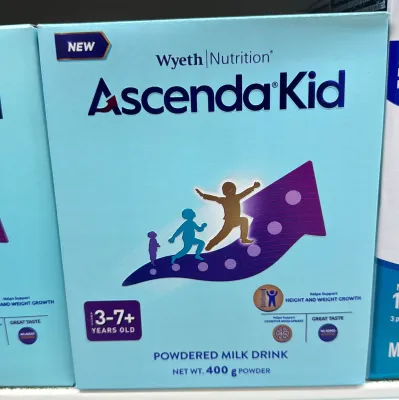
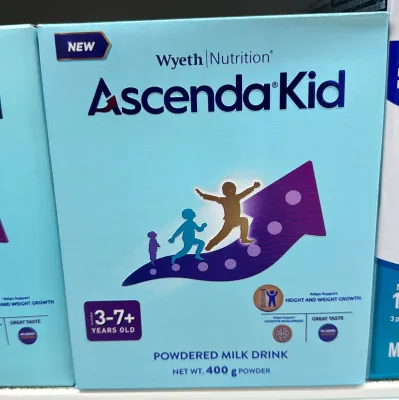
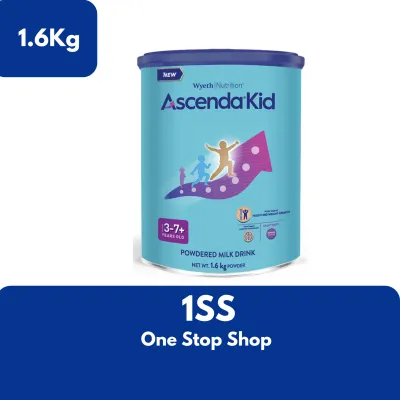
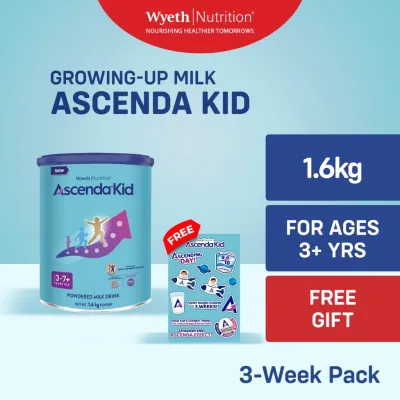
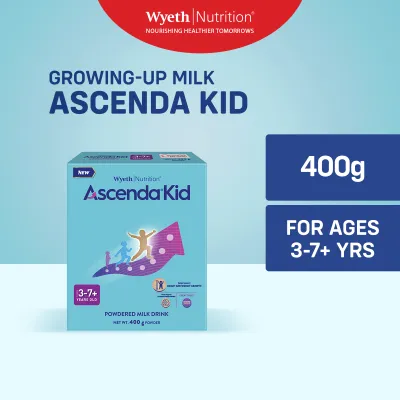
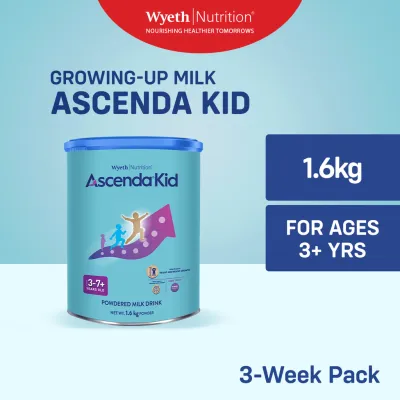
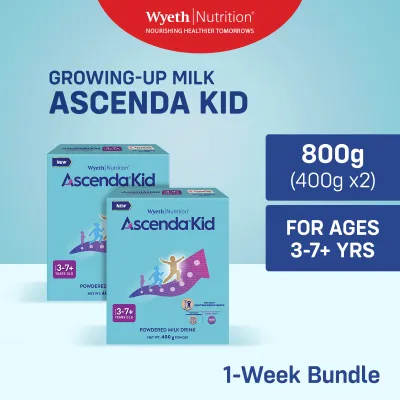
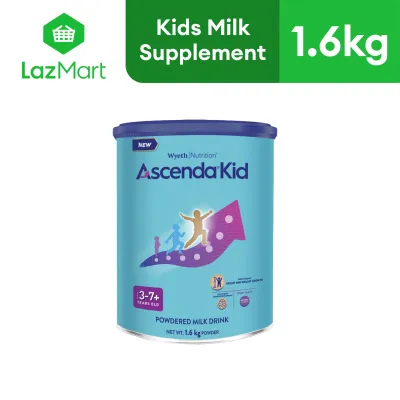
While Nido, NAN, and Enfagrow are popular household names, several other options exist in the market that may better suit your child’s needs or your family’s budget. Applying the same rigorous label-reading criteria allows you to evaluate alternative brands objectively. One such option is ascenda 3 to 7, which is formulated to support children who may need additional nutritional support during critical growth phases.
When researching alternatives like ascenda 3 to 7 or local pharmacy brands, always verify that the product has received official regulatory approval from the Food and Drug Administration. Look for clear, age-appropriate labeling on the packaging and ensure the manufacturer provides accessible contact information for consumer inquiries. This step is crucial for verifying the safety and quality standards of lesser-known brands.
Practical logistics also play a significant role in your final choice. Calculate the price per serving by dividing the total cost of the tin by the number of servings it yields, rather than comparing retail prices directly. Consider the local availability of the milk in nearby supermarkets or pharmacies, as a formula that is frequently out of stock can disrupt your child’s feeding routine and cause unnecessary stress.
Final Decision Matrix: Which Formula Fits Your Child's Needs?
Selecting the right growing-up milk involves matching a brand’s specific formulation with your child’s unique health profile and your household budget. If your child is a generally healthy eater who needs a reliable, everyday nutritional supplement to support overall growth, Nido is a practical choice. It offers a familiar milk taste that most children accept easily, but you must always verify the exact age variant on the label before purchasing.
If your primary concern is your child’s digestive comfort, frequent stomach upset, or immune support, NAN may be the more suitable option. Ensure you verify the specific probiotic strains listed on the packaging and monitor how well your child tolerates the formula over a trial period. This option is particularly relevant if your pediatrician recommends focusing on gut health.
For parents who wish to prioritize cognitive development and dietary sources of omega-3 fatty acids, Enfagrow is a strong candidate. Verify the exact DHA and ARA amounts per serving on the nutrition panel to ensure they meet your expectations, and discuss these levels with your pediatrician to confirm they complement your child’s overall diet.
Regardless of the brand you choose, safety must always come first. If your child has a known or suspected lactose intolerance, milk protein allergy, or any other medical condition, do not use standard growing-up milks. In these cases, stop and consult a qualified pediatrician or pediatric gastroenterologist to obtain a prescription for a specialized, hypoallergenic, or lactose-free formula tailored to your child’s specific medical needs.
Frequently Asked Questions (FAQ)
Can my 3 to 7 year old just drink regular fresh milk instead of formula?
Yes, many children in this age range can transition successfully to regular pasteurized fresh milk. If your child consumes a diverse, balanced diet of solid foods that provides sufficient iron, calcium, vitamin D, and other essential nutrients, fortified growing-up milk may not be strictly necessary. However, if your child is a picky eater or has specific dietary gaps, a fortified formula can serve as a helpful supplement. Always consult your pediatrician to evaluate your child’s nutritional status before making the switch.
How many servings of growing-up milk should my child drink daily?
You should always refer to the manufacturer’s suggested serving size and daily limits printed on the product label. Generally, pediatricians recommend limiting milk intake to one or two servings per day for children aged three to seven. Consuming excessive amounts of milk can fill your child’s stomach, significantly reducing their appetite for nutrient-dense solid foods and potentially leading to nutritional imbalances like iron-deficiency anemia.
What should I do if my child refuses the taste of a new formula milk?
If your child rejects a new milk, first double-check the preparation instructions on the packaging to ensure you are using the correct water-to-powder ratio and serving temperature. In humid tropical climates, powder can clump or absorb moisture if not sealed tightly, which can alter the taste and texture. To ease the transition, try gradually mixing a small amount of the new formula with their previous milk, slowly increasing the proportion of the new brand over several days. Alternatively, you can incorporate the milk into approved foods like oatmeal or smoothies, provided the manufacturer’s label permits heating or mixing with other ingredients.
Community discussion
Share your experience or ask a question. Comments are reviewed before publication.