
Quick Answer: Which Toddler Milk Should You Choose?
Choosing the right toddler milk for your child aged 1 to 3 is a highly individualized decision. There is no single brand that is universally best for every toddler. The ideal choice depends on your child’s unique digestive tolerance, taste preferences, and specific nutritional gaps, alongside your family’s budget.
Consider this conditional framework based on common parental priorities:
- Choose Nido variants (such as Nido 1+) if your primary focus is on finding a budget-friendly, widely accessible option that provides reliable everyday nutritional fortification.
- Choose NAN variants (such as NAN OPTIPRO 3) if your child has a sensitive stomach and you want to prioritize specific protein processing technologies or active probiotic strains.
- Choose Enfagrow variants (such as Enfagrow A+ Three) if you want to focus on higher levels of DHA and specific prebiotic fiber blends to support cognitive and digestive development.
Because every child’s digestive system and nutritional requirements are unique, always consult your pediatrician before switching brands or introducing a new toddler milk.
Products mentioned in this guide
![[ONLINE EXCLUSIVE] NIDO JUNIOR 1+ Milk Supplement Powder for Children 1-3 Years Old 4kg](https://img.lazcdn.com/g/p/346169b16d6126178676b1f57c9aec63.jpg_400x400q80.jpg_.webp)
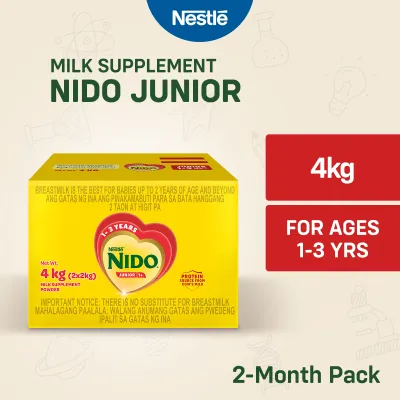
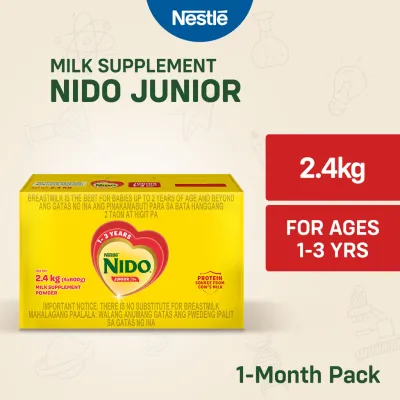
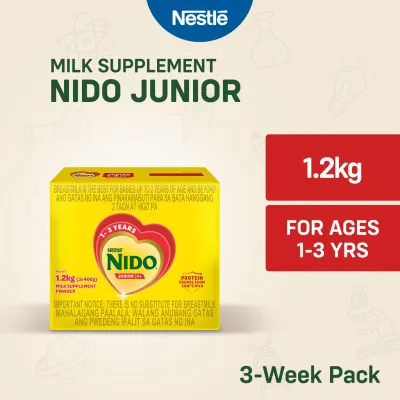


Prices are valid at publication and may change. Please refer to the product page for the latest price.
Understanding Nutritional Needs for 1 to 3 Year Olds
The transition from infancy to toddlerhood brings significant changes in dietary requirements. Between the ages of 1 and 3, your child undergoes rapid physical growth and cognitive development. During this stage, their primary source of nutrition shifts from breastmilk or infant formula to solid foods.

Toddler milk is not designed to be a total replacement for regular meals. Instead, it functions as a liquid nutritional supplement to help fill potential gaps in a toddler’s daily diet. When reviewing any toddler milk label, there are several key nutrients you should verify to ensure they align with standard pediatric guidelines:
- Iron: This is crucial for healthy brain development and preventing iron-deficiency anemia, which can occur when toddlers become picky eaters and reject iron-rich solid foods.
- Calcium and Vitamin D: These two nutrients work together to support the rapid growth of bones and teeth during these active years.
- Essential Fatty Acids: Look for Docosahexaenoic Acid (DHA) and Arachidonic Acid (ARA), which are important structural components of the brain and retina.
- Vitamins A, C, and E: These vitamins play a vital role in supporting your toddler's developing immune system as they interact more with their environment.
Evaluating Nido, NAN, and Enfagrow: What to Check on the Label
To make an objective comparison between Nido, NAN, and Enfagrow, you must look past the front-of-pack marketing claims and carefully evaluate the nutrition information panel and ingredient list on the back of the packaging.
First, verify that you are looking at the specific product variant formulated for the 1 to 3 age range. Manufacturers adjust nutrient ratios significantly between infant formulas and toddler milks to match changing developmental needs.
Second, pay close attention to the presence of added sugars and artificial flavorings. Ingredients such as sucrose, corn syrup solids, glucose syrup, or maltodextrin are often added to enhance taste, but they can contribute to dental decay and establish a preference for overly sweet foods.
Finally, remember that formulations, packaging designs, and ingredient sources change periodically. Always read the physical label of the product currently available on store shelves in the Philippines to ensure you have the most accurate and up-to-date information.
Checking Nido Formulations
When evaluating Nido for your toddler, start by locating the specific variant designed for children aged 1 to 3, which is typically labeled as Nido 1+.
Turn the package over and examine the ingredient list to identify the primary milk base. Nido formulations often utilize a base of whole milk powder or skimmed milk powder. Check the list for any added sweeteners or flavorings, such as honey or vanilla, which are sometimes included to appeal to toddler taste preferences.
Next, look at the nutrition facts table to verify the exact amounts of iron, calcium, and vitamin D per serving. Compare these values against your child’s daily recommended intake to understand how many servings would be appropriate to supplement their solid food diet without over-fortifying.
Checking NAN Formulations
To evaluate NAN, locate the variant designated for the 1 to 3 age group, such as NAN OPTIPRO 3.
Examine the label for details regarding the protein blend. NAN formulations often highlight specific protein processing methods aimed at making the proteins easier for a toddler’s developing digestive system to break down. Additionally, check the ingredient list for active probiotic cultures, such as Bifidobacterium lactis, which are included to support gut health.
Because probiotics are sensitive to high temperatures, pay close attention to the preparation instructions on the packaging. You will need to verify the recommended water temperature for mixing to ensure you do not accidentally deactivate the beneficial bacteria during preparation.
Checking Enfagrow Formulations
When considering Enfagrow, identify the correct variant for toddlers aged 1 to 3, such as Enfagrow A+ Three.
Focus your label check on the lipid and fatty acid profile. Look for the specific amount of DHA listed per serving, as well as other brain-development-related nutrients like choline and iron. Some premium variants may also list milk fat globule membrane (MFGM) components.
Additionally, check the ingredient list for added prebiotics, such as polydextrose and galactooligosaccharides (GOS), which help feed beneficial gut bacteria. Always review the allergen warning section on the label to check for ingredients like soy, milk, or fish oil, especially if your toddler has a history of food sensitivities.
Practical Decision Factors Beyond the Nutrition Label
While the nutrition label provides the structural foundation for your choice, several real-world factors will influence your daily feeding routine and long-term satisfaction.
Taste and Mixability
Toddlers are highly sensitive to the flavor and texture of their milk. Some brands have a distinct vanilla aroma and a sweeter taste, while others taste more like plain, fresh milk. If your toddler rejects a new brand, it is often due to this sensory difference. Mixability is another practical concern. Some powders dissolve quickly in room-temperature water, while others tend to clump or require vigorous shaking. Excessive shaking can introduce air bubbles into the milk, which your toddler might swallow, leading to painful gas and fussiness.
Digestion and Tummy Comfort
Your toddler’s digestive system will give you the clearest feedback on whether a formula is a good fit. Observe their daily physical comfort. A well-suited milk should result in soft, easy-to-pass stools, minimal bloating, and no unusual fussiness after feeding. If you notice persistent constipation, loose stools, excessive spitting up, or abdominal discomfort, these are clear signs that the current formulation may not be compatible with your child’s digestive system.
Budget and Local Availability
Toddler milk is a recurring expense, so it is essential to calculate the actual cost per serving rather than simply comparing the retail price of the tin. To do this, divide the total price of the package in ₱ by the number of servings it yields according to the preparation instructions. Additionally, consider how consistently the brand is stocked in your local supermarkets, neighborhood pharmacies, or authorized online marketplaces. Frequently switching brands because your preferred choice is out of stock can disrupt your toddler’s digestion and routine.
How to Safely Transition and Monitor Your Toddler
When introducing a new toddler milk, a gradual transition is the safest way to prevent digestive upset and help your child accept the new taste. Avoid switching from one brand to another overnight.
Use this systematic, seven-day mixing guide to transition your toddler safely:
- Days 1 and 2: Prepare a cup containing 75% of the old milk and 25% of the new milk.
- Days 3 and 4: Mix the two brands in a 50% to 50% ratio.
- Days 5 and 6: Prepare a cup with 25% of the old milk and 75% of the new milk.
- Day 7: Offer 100% of the new toddler milk.
Throughout this transition period, closely monitor your toddler for any signs of physical intolerance. A successful transition is indicated by normal bowel movements, consistent energy levels, and clear skin.
You must establish clear stop conditions for the transition. Halt the introduction of the new milk immediately and consult your pediatrician or a qualified healthcare professional if your toddler exhibits any of the following adverse reactions:
- Unexplained skin rashes, hives, or swelling.
- Persistent vomiting or severe spit-up.
- Severe diarrhea, watery stools, or blood in the stool.
- Extreme abdominal pain, excessive crying during or after feeding, or sudden, severe constipation.
Frequently Asked Questions (FAQ)
Can I mix two different brands of toddler milk together?
You should avoid mixing two different brands of toddler milk in the same cup or bottle as a long-term feeding practice. Each brand is formulated with a specific scoop size and a precise powder-to-water ratio designed to deliver a balanced concentration of nutrients. Mixing different powders arbitrarily can alter the intended nutrient density, which may lead to dehydration, kidney strain, or digestive discomfort. The only time you should mix two brands is during a temporary, gradual transition phase over a few days, or if you have received specific, calculated instructions from your pediatrician.
Is toddler milk necessary if my child eats a balanced diet?
Toddler milk is not strictly necessary if your child is growing well and consistently consumes a diverse, balanced diet of solid foods. If your toddler regularly eats a variety of fruits, vegetables, whole grains, healthy fats, and iron-rich proteins, they can get all their essential nutrients from whole foods. However, many toddlers experience picky eating phases where they reject certain food groups. In these situations, toddler milk serves as a convenient nutritional safety net. Consult your pediatrician or a registered dietitian to assess your child’s actual dietary intake before deciding if supplementation is necessary.
How long can I keep prepared toddler milk at room temperature?
In the warm and humid tropical climate of the Philippines, prepared toddler milk should not be left at room temperature for more than 1 hour. High temperatures and humidity accelerate the growth of harmful bacteria in prepared milk. Furthermore, if your toddler has already taken a sip from the cup or bottle, bacteria from their saliva have entered the liquid, speeding up the contamination process. Always discard any leftover milk immediately after a feeding session. If you prepare a serving in advance and your child has not touched it, store it in the refrigerator immediately and use it within 24 hours.
Community discussion
Share your experience or ask a question. Comments are reviewed before publication.