
Selecting the right Stage 1 formula for your newborn is one of the most significant decisions you will make in their first six months of life. While breastmilk is the gold standard for infant nutrition, families who use formula often find themselves comparing major brands like Nido, NAN, and Enfagrow to find the best balance of nutritional support, digestive tolerance, and value. When looking at bulk options like a 2kg pack on sale, the decision becomes a careful calculation of cost-efficiency versus safety. Ultimately, the ideal formula is not simply the most popular brand, but the one that your baby tolerates best and that your pediatrician explicitly recommends for their unique developmental needs.
Navigating the infant formula aisle can be overwhelming, especially with varying product names, stage numbers, and marketing claims. For infants aged 0 to 6 months, their digestive systems are highly sensitive and still developing, meaning that even minor differences in formula composition can affect their comfort and growth. This guide helps you understand the general positioning of these major brands, teaches you how to read nutrition labels effectively, and provides a framework for evaluating bulk purchases safely in tropical climates.
Understanding Stage 1 Formula Positioning
When comparing Nido, NAN, and Enfagrow, the first and most crucial step is to verify the age indication on the packaging. A common point of confusion for parents is brand naming conventions. For example, while Enfagrow is a highly recognized brand family, its formulations for the 0-6 month stage are typically marketed under the name Enfamil, whereas Enfagrow is formulated for older toddlers. Similarly, Nido is widely known for toddler and family milk products, meaning parents must carefully check if a specific 0-6 month infant variant is available and approved in their local market. NAN, produced by Nestlé, offers dedicated Stage 1 options such as NAN Optipro or NAN Infinipro specifically designed for newborns.
Products mentioned in this guide
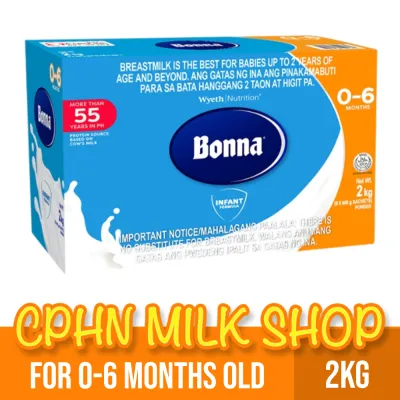
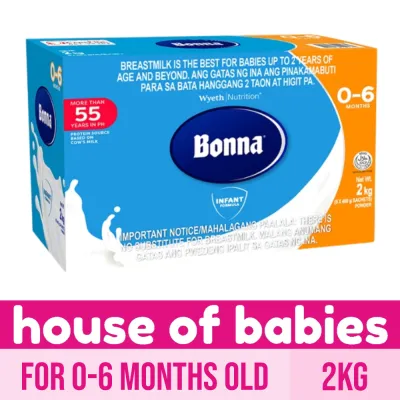
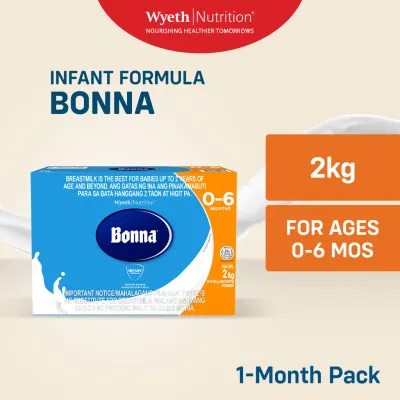
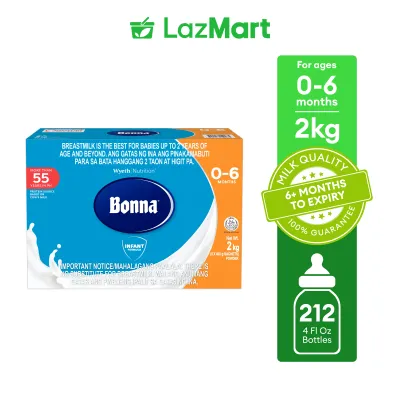
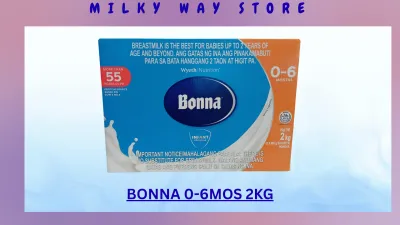
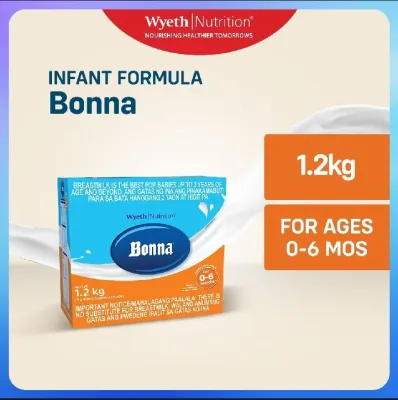
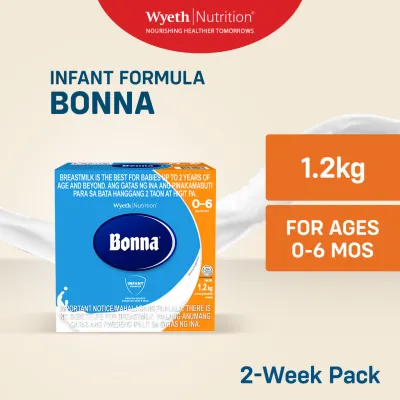
Prices are valid at publication and may change. Please refer to the product page for the latest price.
Each of these brand families traditionally emphasizes different areas of infant development in their standard product descriptions. NAN formulations often focus on protein quality and digestive comfort, utilizing optimized protein blends designed to be gentle on a newborn’s developing stomach. Enfamil (under the Enfagrow brand family) frequently highlights cognitive development, emphasizing ingredients like DHA, ARA, and specialized lipid complexes. Standard infant lines from other established brands generally focus on providing a balanced, cost-effective foundation of essential vitamins and minerals for overall growth.
Because manufacturers frequently update their formulations and offer multiple specialized sub-variants—such as lactose-free, hypoallergenic, or comfort versions for sensitive tummies—you must never assume suitability based on the brand name alone. Always read the exact product name, stage number, and age range printed on the tin. Most importantly, consult your pediatrician before introducing any new formula or switching brands, as professional medical advice supersedes all general brand positioning.
How to Read and Compare Nutrition Labels
To make an informed choice, you must look past front-of-pack marketing claims and examine the nutrition facts panel and ingredient list on the back of the tin. Start by comparing the macronutrient profiles: proteins, fats, and carbohydrates. In standard infant formulas, the whey-to-casein protein ratio is a key factor in digestibility. Breastmilk is whey-dominant, which is easier for a newborn’s stomach to break down. Check the label to see if the formula utilizes a whey-dominant ratio or features partially hydrolyzed proteins, which are pre-broken down into smaller pieces to ease digestion.

Next, look at the carbohydrate and fat sources. While lactose is the primary carbohydrate in standard formulas, some comfort variants replace a portion of it with maltodextrin or corn syrup solids for infants with temporary sensitivities. For fats, look for vegetable oil blends that provide essential fatty acids. When evaluating functional additions like DHA (docosahexaenoic acid), ARA (arachidonic acid), prebiotics (such as GOS or FOS), or probiotics, verify their presence directly on the ingredient list. These ingredients should be listed by their scientific names, allowing you to confirm that the formula actually contains the active components advertised on the front panel.
Finally, verify that the formula meets local regulatory standards for essential micronutrients, including iron, calcium, and vitamin D. In the Philippines, infant formulas must comply with strict nutritional guidelines set by regulatory authorities to ensure they provide a safe, complete source of nutrition. Carefully review the allergen warnings on the packaging, especially if your family has a history of food allergies, to ensure the primary milk protein source aligns with your baby’s needs.
Evaluating 2kg Pack Sizes and Promotional Value
Buying infant formula in bulk, such as a 2kg pack size, is a popular way to manage household expenses, especially when you find a reputable sale. However, calculating the true value requires more than just looking at the retail price. To find the most cost-effective option, calculate the unit price by dividing the total cost of the tin by its weight in grams, then multiplying by 100 to find the price per 100g. Compare this unit price across different sizes; occasionally, promotional discounts on smaller 400g or 800g tins can actually make them cheaper per gram than a standard 2kg bulk pack.
Before purchasing a large 2kg tin, you must evaluate the expiration and manufacturing dates. A newborn’s daily intake is relatively small, meaning a 2kg tin contains a substantial volume of powder that will take several weeks to consume. Ensure the expiration date is far enough in the future, but more importantly, check the manufacturer’s instructions regarding the safe usage window after opening. Most brands specify that the powder must be consumed within 3 to 4 weeks once the seal is broken. If your baby cannot finish a 2kg tin within this designated timeframe, buying in bulk can lead to dangerous spoilage and wasted money.
When shopping for discounted formula on online marketplaces or e-commerce platforms, verifying seller credibility is paramount to protecting your baby’s health. Only purchase from official flagship brand stores or highly reputable, authorized local retailers. Inspect the physical packaging immediately upon delivery: check that the safety seal is completely intact, ensure there are no dents or rust on the tin, and verify that the print quality is sharp and professional. Blurry text, spelling errors, or missing batch codes are immediate red flags for counterfeit or compromised products.
Additionally, consider the practical challenges of storing a large 2kg quantity in a tropical climate. The high humidity and ambient temperatures in the Philippines can cause open formula powder to absorb moisture rapidly, leading to clumping, nutrient degradation, and potential bacterial growth. Always store the tin in a cool, dry pantry—never in the refrigerator, as the temperature fluctuation when opening the tin causes condensation to form inside. Ensure the plastic lid is sealed tightly immediately after every scoop is measured.
Decision Framework: Choosing the Right Formula for Your Baby
To help you choose the most suitable formula option, use this conditional framework to match your baby’s observed digestive patterns and your family’s budget to the right product characteristics:
- Scenario A: Standard Growth and Budget-Conscious Feeding. If your baby has no history of digestive issues, experiences minimal gas or spit-up, gains weight consistently according to growth charts, and your family prioritizes budget management, choose a standard, cost-effective formulation. Established standard infant lines provide all the essential, federally regulated nutrients your baby needs to thrive without the added cost of premium specialty ingredients.
- Scenario B: Mild Digestive Sensitivity. If your baby exhibits mild fussiness, frequent gas, or minor colic after feeding, discuss a gentle digestion formula with your pediatrician. These formulations often feature partially hydrolyzed proteins or a modified carbohydrate blend designed to ease the digestive process. Brands like NAN offer dedicated comfort lines that fit this profile.
- Scenario C: Premium Nutrient Focus. If your budget allows for a higher price point and you prioritize specific label claims regarding brain development or immune support, consider a premium formulation. These options, often highlighted in premium lines like Enfamil, contain higher concentrations of DHA, ARA, prebiotics, or specialized lipid structures, provided your baby tolerates the formula well.
Regardless of the brand you choose, monitor your baby closely for any adverse reactions. If your baby experiences severe symptoms—such as projectile vomiting, persistent diarrhea, skin rashes, blood in the stool, extreme colic, or poor weight gain—stop using the formula immediately and consult a doctor. These signs may indicate a cow’s milk protein allergy or another underlying medical condition that requires a specialized, hypoallergenic, or therapeutic formula under strict medical supervision.
Frequently Asked Questions (FAQ)
Can I switch between Nido, NAN, and Enfagrow if my baby dislikes the taste?
While babies can develop subtle preferences, frequent and abrupt switching between formula brands can irritate a newborn’s sensitive digestive tract, leading to gas, spit-up, or changes in stool consistency. If a switch is necessary due to taste or tolerance, it should be done gradually under the guidance of a pediatrician. This transition typically involves mixing the old and new formulas in gradually changing ratios over several days to allow your baby’s digestive enzymes to adapt safely.
Is a 2kg formula tin safe to use for the entire 0-6 month period?
No, a single 2kg tin is not safe to use across the entire six-month period once opened. While the unopened shelf life printed on the bottom of the tin may span several months, the manufacturer’s strict post-opening safety window is typically only 3 to 4 weeks. Because a newborn’s daily consumption is low in the early weeks, they may not finish a 2kg tin within this safe timeframe. Always calculate your baby’s average weekly consumption to ensure a bulk tin can be safely finished before the post-opening expiration limit.
How do I verify if a discounted 2kg formula is authentic?
To verify authenticity, perform a thorough physical inspection of the tin. Check that the safety seal is unbroken, the metal tin is free of dents or rust, and the printed labels are clear, sharp, and free of spelling mistakes. Locate the batch number and manufacturing date on the bottom of the tin, and cross-reference them with the manufacturer’s official customer care hotline if you have doubts. To eliminate risk entirely, purchase your formula exclusively from verified official flagship stores on e-commerce platforms or reputable local supermarkets.
Community discussion
Share your experience or ask a question. Comments are reviewed before publication.