
Choosing the right formula milk for your baby between 6 and 12 months is a highly individualized decision that directly impacts their growth, comfort, and development. During this transitional stage, babies begin to explore solid foods while still relying heavily on milk for their primary nutrition. There is no single “best” formula that works universally for every infant; the ideal choice depends on your baby’s unique digestive tolerance, specific nutritional requirements, and your family’s household budget.
In the Philippine market, premium and standard brands cater to different developmental priorities. Enfagrow is widely recognized for its emphasis on cognitive and brain-development nutrients, such as high levels of DHA. NAN, produced by Nestlé, is highly regarded for its focus on gut health, easy digestion, and gentle protein formulations. Nido, while a household name for older children, is celebrated for its palatability and essential growth vitamins, though parents must navigate its age-specific availability carefully.
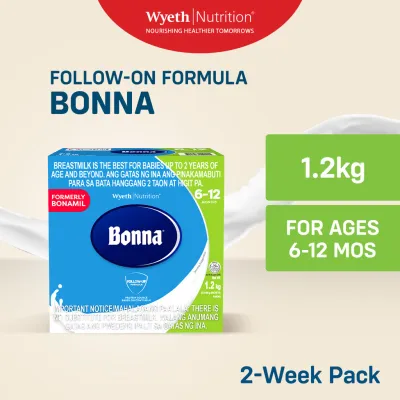
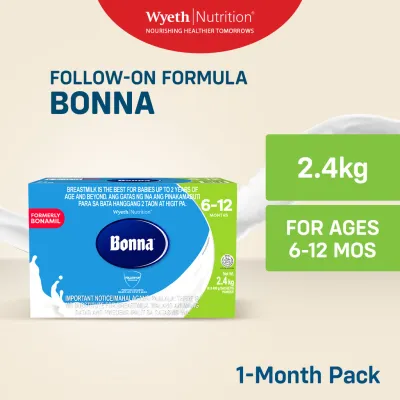
Additionally, many Filipino parents compare these premium options with standard, reliable alternatives like bona 6 to 12, which serves as a popular, budget-friendly Stage 2 option. When evaluating these brands, it is crucial to remember that any transition between formulas, or the introduction of a new brand to your 6-12 month old baby, must always be done in close consultation with your pediatrician. A medical professional can assess your baby’s growth chart and digestive history to recommend the safest path forward.
Products mentioned in this guide

Prices are valid at publication and may change. Please refer to the product page for the latest price.
Understanding Stage 2 Nutritional Needs for 6-12 Month Olds
As infants reach the six-month mark, their nutritional requirements undergo a significant shift. During the first half-year of life, babies rely on maternal iron stores built up during pregnancy. By around six months, these natural iron reserves begin to deplete, making dietary iron intake absolutely critical. Stage 2, or follow-on formulas, are specifically engineered to bridge this gap, offering higher concentrations of iron, calcium, and phosphorus compared to Stage 1 infant formulas to support rapid bone growth and cognitive development.
When reading the nutrition facts panel on a tin of formula, parents should systematically verify several key components. Look for the exact values of elemental iron, calcium, vitamin D, and polyunsaturated fatty acids like Docosahexaenoic Acid (DHA) and Arachidonic Acid (ARA). These nutrients work in tandem: vitamin D facilitates the absorption of calcium for skeletal strength, while DHA and ARA support retinal and neurological maturation during this high-growth window.
Strict adherence to age-appropriate labeling is a fundamental safety requirement that caregivers must never overlook. You must verify that the packaging explicitly states “Stage 2” or is clearly marked for infants aged “6-12 months.” Milk powders formulated for older toddlers, school-aged children, or general family consumption—such as standard Nido 1+ or family-grade powdered milks—are entirely unsuitable for infants under 12 months. These older-stage milks contain protein concentrations and mineral levels that are too high for an infant’s immature kidneys to process, and they lack the delicate balance of micronutrients required for safe infant development.
Comparing Core Formulations: Nido vs. NAN vs. Enfagrow
Enfagrow (Focus on Cognitive and Immune Support)
Enfagrow’s formulation philosophy centers heavily on supporting rapid brain growth and immune system development. Its Stage 2 follow-on formulas typically feature a proprietary blend of DHA, ARA, and Milk Fat Globule Membrane (MFGM). MFGM is a lipid-protein coat that naturally surrounds milk fat droplets, which clinical studies suggest plays a supportive role in cognitive development and behavioral regulation.

When examining an Enfagrow tin, parents should look at the ingredient list for these specific lipids and compare the DHA milligrams per 100 calories against other brands. Additionally, Enfagrow incorporates prebiotic blends, such as polydextrose and galactooligosaccharides (GOS), designed to support a healthy digestive tract and reinforce natural immune defenses. Parents of babies with no known milk sensitivities who want to focus on cognitive development markers often find this formulation aligns with their goals.
NAN (Focus on Digestion and Gut Health)
Nestlé’s NAN range is formulated with a distinct focus on digestive comfort, tummy tolerance, and gut microbiome colonization. The brand frequently utilizes partially hydrolyzed proteins or optimized protein blends (often marketed as Optipro) designed to be gentler on a baby’s developing stomach. This structural modification makes the proteins easier to break down, reducing the likelihood of gas and mild indigestion.
Another defining feature of the NAN Stage 2 lineup is the inclusion of active probiotic cultures, most notably Bifidobacterium lactis. These beneficial bacteria help populate the infant’s gut, supporting smoother digestion and consistent bowel movements during the challenging transition to solid foods. When evaluating NAN, caregivers should check the packaging to confirm the presence of active probiotics and verify the storage instructions, as live cultures are sensitive to high temperatures and humidity.
Nido (Focus on Palatability and Essential Growth)
Nido is a highly popular brand in the Philippines, primarily famous for its rich, creamy taste and affordable nutritional profile. However, parents must exercise extreme caution here: the vast majority of Nido products lining supermarket shelves, such as Nido 3+ or Nido 1+, are strictly formulated for toddlers and young children over one year old. Standard toddler Nido contains added sugars and protein structures that are unsafe for a 6-12 month old infant.
If you are considering Nido for a baby under 12 months, you must search specifically for Nido’s designated Stage 2 infant formula variant, which is formulated to meet strict infant nutrition standards. This variant focuses on providing essential growth vitamins, zinc, vitamin C, and iron in a highly palatable powder. Because Nido Stage 2 can be more difficult to find in standard retail outlets compared to their toddler lines, always double-check the age indication on the tin before purchase.
| Comparison Dimension | Enfagrow (Stage 2) | NAN (Stage 2) | Nido (Stage 2) |
|---|---|---|---|
| Primary Nutritional Focus | Cognitive development, brain lipids, and immune support | Gut health, easy digestion, and protein optimization | Overall physical growth, palatability, and core vitamins |
| Key Claimed Ingredients | DHA, ARA, MFGM, Prebiotics (GOS/Polydextrose) | Optimized proteins, active probiotics (B. lactis) | Iron, Zinc, Vitamin C, Calcium, Vitamin D |
| Best Suited For | Infants with standard digestion where brain development is prioritized | Infants prone to mild gas, bloating, or irregular stools | Healthy, non-sensitive infants transitioning to solids who prefer a creamy taste |
| Availability Note | Widely available in supermarkets and drugstores | Widely available in premium and standard variants | Limited availability; must verify the specific 6-12 month variant |
Digestion and Tolerance: Managing Tummy Sensitivities
The period between 6 and 12 months is characterized by significant digestive adjustments. As you introduce pureed vegetables, fruits, and grains, your baby’s gut microbiome undergoes a major transition. This dietary shift often results in temporary changes in stool consistency, occasional gas, or mild constipation. Selecting a formula that complements this transition can help minimize daily discomfort for both the baby and the caregivers.
For infants who experience frequent gassiness, mild colic, or hard stools, NAN’s specialized focus on probiotics and modified proteins can offer a practical solution. The active probiotics work to break down food particles more efficiently in the large intestine, reducing fermentation and gas buildup. Conversely, brands like Enfagrow and Nido are generally formulated for infants with standard, robust digestive tracts who do not exhibit regular signs of physical discomfort after feeding.
It is vital for parents to recognize the limit of standard commercial formulas. If your baby exhibits symptoms such as blood or mucus in their stool, forceful vomiting, persistent watery diarrhea, severe abdominal pain, or a sudden body rash, you must stop using the formula immediately and consult a pediatrician. These symptoms may point to Cow’s Milk Protein Allergy (CMPA) or severe lactose intolerance. Standard formulas, including standard premium lines, are not designed to treat medical conditions; specialized hypoallergenic, extensively hydrolyzed, or amino acid-based formulas must only be introduced under strict medical supervision and diagnosis.
Calculating True Value and Ensuring Safe Purchases in the Philippines
When budgeting for infant formula in the Philippines, looking solely at the retail price of a tin can be highly misleading. To calculate the true cost of feeding, parents should determine the price per gram or the cost per serving. Different brands package their products in varying tin sizes (such as 800g, 900g, or 1.2kg) and utilize different scoop sizes. A brand that appears cheaper upfront might require more scoops per bottle, causing you to run through the tin much faster.
To find the cost per gram, divide the retail price of the tin by its net weight in grams. To calculate the cost per serving, check the preparation instructions on the back of the tin to see how many grams of powder are required for a standard 2-ounce or 4-ounce bottle. Multiply this gram requirement by your price-per-gram figure. This calculation allows you to compare premium options directly with standard choices, helping you see exactly how much you are paying for specialized ingredients like probiotics or MFGM.
Given the tropical climate of the Philippines, where high humidity and elevated temperatures are common, safe storage and purchasing practices are paramount. High humidity can cause formula powder to clump, degrade active nutrients, and encourage the growth of harmful bacteria if moisture enters the tin. Always store opened tins in a cool, dry pantry—never in the refrigerator, as the temperature transition creates condensation inside the container. Ensure the lid is sealed tightly after every use, and discard any remaining powder within three to four weeks of opening.
Furthermore, infant formula must only be purchased from official brand flagship stores on reputable ecommerce platforms, authorized supermarket chains, or licensed drugstores. Avoid purchasing heavily discounted tins from unverified third-party sellers online. The risk of counterfeit products, expired batches with altered expiration dates, or tins stored in hot, unventilated warehouses is extremely high, presenting severe health risks to your developing infant.
Decision Framework: Which Brand Should You Choose?
To simplify your final decision, you can use this structured framework to match a brand to your baby’s specific needs and your household circumstances:
- Choose Enfagrow if: Your baby has a strong, highly resilient digestive system, and you want to prioritize a formula rich in brain-development lipids like DHA and MFGM, provided the premium price fits comfortably within your monthly budget.
- Choose NAN if: Your baby is prone to mild digestive issues, gas, or hard stools, and you want a formula that emphasizes gut health through active probiotics and easily digestible, optimized proteins.
- Choose Nido if: You have verified the availability of the specific Stage 2 (6-12 months) variant, your pediatrician has cleared its nutritional profile, your baby prefers a rich, creamy taste, and you want a reliable growth formula.
- Consider bona 6 to 12 if: You are looking for a highly reliable, budget-friendly Stage 2 formula manufactured by a reputable global brand (Nestlé) that meets all essential regulatory nutrient standards for infants in the Philippines without the premium price tag of specialized additives.
- Verify first if: Your baby has a history of allergies, eczema, or severe colic. In these cases, bypass standard retail formulas entirely and consult your pediatrician for a specialized prescription medical formula.
Frequently Asked Questions (FAQ)
Can I mix Nido, NAN, and Enfagrow in the same bottle?
No, you should never mix different brands of formula in a single bottle. Each brand is scientifically calibrated with a specific powder-to-water ratio to ensure safe concentration levels (osmolality). Combining different powders alters this delicate balance, which can overload your baby’s kidneys, cause severe dehydration, or lead to chronic digestive upset. If you are transitioning from one brand to another, feed them in separate bottles at different times of the day, gradually increasing the feeds of the new brand under the guidance of your pediatrician.
When should I transition my baby from Stage 1 to Stage 2 formula?
Most infants transition from Stage 1 to Stage 2 formula around the six-month mark, coinciding with their readiness for solid foods. However, age is not the sole indicator. You should look for developmental signs of readiness, such as the ability to sit with support, good head control, and an interest in family mealtimes. Because some infants with sensitive stomachs or specific growth patterns may benefit from staying on a Stage 1 formula longer, always consult your pediatrician before making the transition.
Is it safe to buy these formula brands from online marketplaces?
It is safe only if you purchase directly from the brand’s official flagship stores or authorized retail partners on those platforms. Look for verified seller badges, official mall indicators, and high positive rating scores. Avoid individual, unverified resellers offering deeply discounted formula, as these products may be counterfeit, expired, or stored in conditions that compromise their nutritional safety and hygiene.
Community discussion
Share your experience or ask a question. Comments are reviewed before publication.