
Choosing the right growing-up milk for your child is one of the most frequent decisions you will face as a parent. With shelves filled with various brands, each claiming unique benefits, finding the perfect match requires looking closely at your child’s specific developmental stage, digestive health, and daily dietary habits. The ideal choice is not about finding a single universal winner, but rather identifying which formulation aligns best with your child’s current growth priorities and physical tolerance.
To help you navigate these options quickly, you can use a simple decision framework based on your child’s primary needs:
- Choose Nido if your main goal is supporting general physical growth, bone strength, and accessible daily nutrition for older toddlers and school-aged children who already eat a relatively balanced diet.
- Choose NAN if your child has a sensitive stomach, experiences frequent digestive discomfort, or if you want to prioritize gut health and immune support through specialized probiotic and prebiotic blends.
- Choose Enfagrow if you want to focus heavily on cognitive development, brain growth, and early learning support during critical preschool years, especially if your child's diet lacks natural sources of omega-3 fatty acids.
While these commercial options are widely available, children with diagnosed medical conditions, severe lactose intolerance, or cow’s milk protein allergies require specialized therapeutic formulas. Standard commercial growing-up milks are not suitable substitutes for medical-grade formulas, and any suspected allergy should be evaluated by a pediatrician before you introduce a new brand.
Products mentioned in this guide
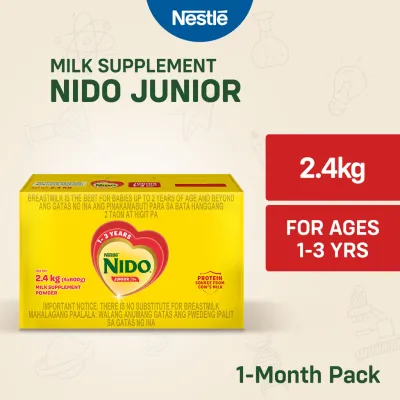
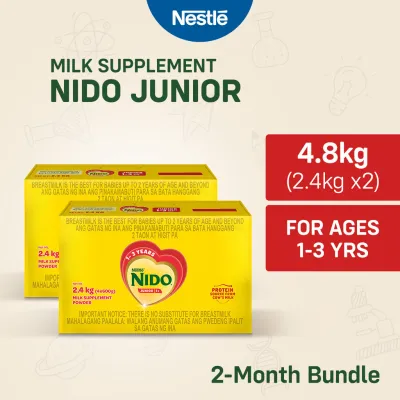
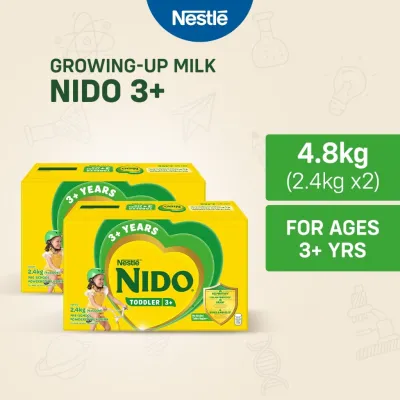
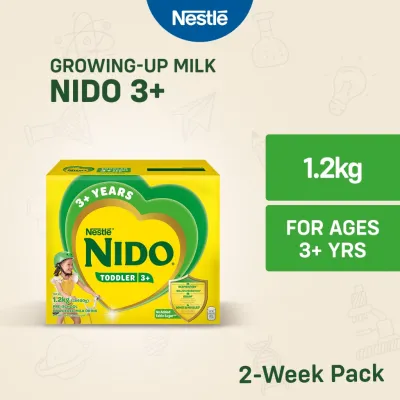
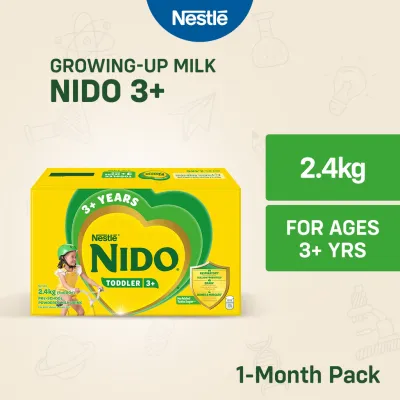
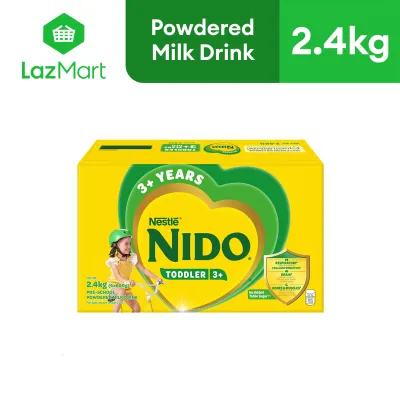
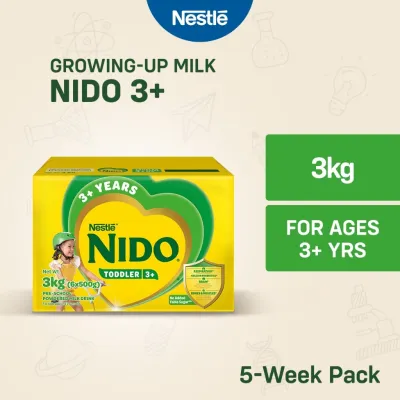
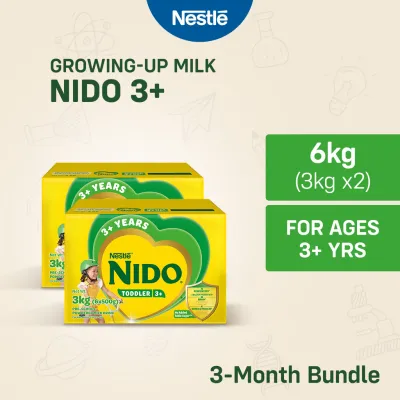
Prices are valid at publication and may change. Please refer to the product page for the latest price.
Matching Milk to Your Child's Developmental Stage
As children transition from infancy into busy toddlerhood and preschool years, their nutritional requirements undergo significant shifts. During the first year of life, breastmilk or infant formula provides virtually all necessary sustenance. After the first birthday, however, milk transitions from being the primary source of nourishment to a dietary supplement that supports a growing menu of solid foods.
Toddlers (1 to 3 Years)
This stage is characterized by rapid physical milestones, including walking, running, and exploring. Toddlers require high energy and specific micronutrients like iron and zinc to support their expanding physical boundaries and developing immune systems. Because toddlers often experience phases of picky eating, a fortified milk can serve as a reliable safety net to prevent common nutritional gaps.
Preschoolers (3 to 5 Years)
During the preschool years, cognitive development, language acquisition, and social interactions accelerate dramatically. Children at this stage benefit from nutrients that support brain structure and neural signaling, such as docosahexaenoic acid (DHA), choline, and iron. Their physical play also becomes more robust, requiring steady energy and immune-supporting vitamins like A, C, and E to help them stay active in group settings.
School-Aged Children (5+ Years)
Once children enter school, the focus shifts toward sustained physical stamina, bone density, and prolonged concentration. Calcium and vitamin D become highly critical during this phase to support rapid bone elongation and skeletal strength. Fortified milks designed for this age group typically emphasize these bone-building minerals alongside energy-yielding B vitamins.
The Role of Growing-Up Milk
For children over one year of age, growing-up milk is designed to complement a balanced diet of whole foods rather than replace it. As your child’s diet diversifies with local fruits, vegetables, grains, and proteins, their reliance on milk will naturally decrease. Transitioning between different stages of a brand or switching brands entirely is a normal part of adapting to these shifting dietary patterns.
Nido: Nutritional Focus, Benefits, and Ideal Use Cases
Nido is a highly familiar household name in the Philippines, widely recognized for its accessibility and focus on everyday physical growth. It has built a strong reputation as a practical, family-friendly option available in various packaging sizes, from large tins to budget-friendly daily sachets. This high availability makes it a staple for households seeking reliable, everyday nutrition.

Core Nutritional Focus
The formulation of Nido generally centers on supporting bone health, physical growth, and basic immunity. It is typically fortified with high levels of calcium, vitamin D, and zinc to assist in skeletal development and help build physical resilience. Many parents select this brand to ensure their active children receive sufficient daily calcium during periods of rapid height growth.
Product Line Stages
Nido offers distinct formulations tailored to different age groups, including options for toddlers aged 1 to 3 years, preschoolers aged 3 to 5 years, and school-aged children older than 5. Each stage adjusts the ratios of essential vitamins and minerals to match the typical physical demands of that specific age bracket.
Label Verification Checklist
When purchasing Nido, parents should carefully examine the physical packaging to verify the following elements:
- Added Sugars: Check the ingredients list for sucrose, corn syrup, or other added sweeteners, especially if you are monitoring your child's daily sugar intake.
- Vitamin Fortification: Look at the Nutrition Facts table to confirm the percentages of iron, zinc, and vitamin C provided per serving.
- Milk Base: Verify whether the product is based on whole milk powder, skimmed milk, or a modified milk solids blend.
Limitations and Considerations
Nido is designed for generally healthy children who do not have complex digestive issues or milk protein sensitivities. It may not be the ideal choice for younger toddlers who struggle with constipation or gassiness, as it typically does not focus as heavily on specialized, easy-to-digest protein structures or high-density probiotic strains.
NAN: Nutritional Focus, Benefits, and Ideal Use Cases
NAN is widely associated with advanced nutritional science, particularly focusing on early childhood digestion, gut health, and immune system development. It is often positioned as a premium option for parents who want to support their child’s digestive comfort from an early age.
Core Nutritional Focus
The primary distinction of NAN lies in its emphasis on gut-supportive ingredients. Formulations frequently include active probiotic cultures, such as Bifidobacterium lactis, alongside specific prebiotic fibers designed to nourish beneficial gut bacteria. Additionally, NAN often utilizes optimized protein blends that are modified to be gentler on a young child’s developing stomach, helping to reduce the occurrence of mild digestive issues like bloating or hard stools.
Product Line Stages
NAN provides specialized stages for toddlers and young children, typically focusing on the transition from infancy through the first three years of life. These stages are carefully calibrated to ensure that the protein quality and digestive tolerance match the physiological capabilities of younger toddlers.
Label Verification Checklist
When evaluating NAN on the shelf, keep these specific verification points in mind:
- Probiotic Strains: Confirm the exact active probiotic strains listed on the label and check if the manufacturer provides storage instructions to keep these cultures viable in hot, humid climates.
- Protein Source: Look for terms like "optimized protein" or partially hydrolyzed protein if your child requires a gentler digestion process.
- Absence of Unnecessary Additives: Check if the formulation is free from added sucrose, prioritizing lactose as the primary carbohydrate source.
- Storage Conditions: Due to the tropical humidity in the Philippines, verify that the packaging is fully intact and stored in a cool, dry place to protect the active ingredients.
Limitations and Considerations
Because of its advanced formulation and specialized ingredients, NAN is generally positioned at a higher price point than standard family milks. Parents should assess whether their child actually experiences digestive sensitivities that justify this premium cost, as a child with an exceptionally robust digestive system may not require such highly specialized gut support.
Enfagrow: Nutritional Focus, Benefits, and Ideal Use Cases
Enfagrow is widely recognized for its strong focus on cognitive development and brain growth. It is a popular choice among parents who want to support their child’s early learning, memory, and concentration skills as they begin preschool and interactive play.
Core Nutritional Focus
The defining feature of Enfagrow is its concentration of brain-supportive nutrients. It is heavily fortified with docosahexaenoic acid (DHA), an omega-3 fatty acid that serves as a primary building block of brain tissue. The formulation also typically includes choline, iron, iodine, and B vitamins, which play crucial roles in supporting neural connections and overall cognitive function during peak learning years.
Product Line Stages
Enfagrow offers stages tailored for toddlers (typically Stage 3) and preschoolers (typically Stage 4). These products are designed to align with the developmental milestones of children who are actively learning to speak, count, and navigate social environments.
Label Verification Checklist
Before choosing Enfagrow, parents should review the product label to verify these specific details:
- DHA Content: Check the exact milligrams of DHA per serving to understand how much it contributes to your child's daily nutritional goals.
- Sweetener Types: Examine the ingredients list for the presence of corn syrup solids, sucrose, or table sugar, which are sometimes used to enhance flavor.
- Immune Support Blends: Look for added beta-glucans or prebiotic fibers that are designed to support respiratory and digestive health alongside cognitive development.
Limitations and Considerations
While high DHA levels are beneficial, they may be less critical if your child already consumes a diet rich in natural omega-3 fatty acids, such as regular servings of local fish like bangus (milkfish) or salmon. Additionally, like other premium brands, Enfagrow comes with a higher price tag, which is an important factor to weigh against your family’s monthly budget.
Side-by-Side Comparison: Nido vs NAN vs Enfagrow
To help you compare these three brands more easily, the table below outlines their primary characteristics, typical target age groups, and key ingredients to look for on the physical packaging.
| Brand | Primary Nutritional Focus | Typical Target Age Groups | Key Ingredients to Verify on Label | Best Suited For |
|---|---|---|---|---|
| Nido | General physical growth, bone density, and accessible daily nutrition | Toddlers (1-3), Preschoolers (3-5), and School-Aged (5+) | Calcium, Vitamin D, Zinc, Added Sugars | Active, generally healthy children who need budget-friendly, reliable daily nutrition |
| NAN | Gut health, easy digestion, and immune system support | Toddlers and Young Children (1-3 years) | Probiotic strains (B. lactis), Whey-to-casein ratio, Lactose content | Children with mild digestive sensitivities, gassiness, or those needing extra gut support |
| Enfagrow | Cognitive development, brain growth, and early learning support | Toddlers (1-3) and Preschoolers (3-5 years) | DHA (mg per serving), Choline, Iron, Sweeteners | Children in active learning phases whose diets may lack natural omega-3 fatty acids |
When using this comparison, remember that manufacturers frequently update their formulations, and product lines can vary. Always treat the physical label of the specific tin or box you purchase in the store as the ultimate source of truth regarding ingredients and nutritional values.
How to Read Labels and Make the Final Choice
Making the final decision requires looking past front-of-pack marketing claims and learning to read the Nutrition Facts table and ingredients list on the back of the packaging. This practice ensures you know exactly what you are introducing into your child’s daily diet.
Reading the Nutrition Facts Table
Start by checking the serving size and calculating how many servings your child actually consumes daily. Look closely at the sugar content; look for products where lactose is the primary carbohydrate rather than added sucrose or corn syrup solids. Compare the levels of critical micronutrients—such as iron, calcium, and zinc—to ensure they adequately supplement your child’s solid food intake.
Observing Your Child's Physical Response
Whenever you introduce a new milk brand or transition to a different stage, observe your child closely over a period of two to three weeks. Keep a simple mental or written log of their physical reactions, looking for positive signs of tolerance as well as potential red flags.
- Positive Signs: Steady energy levels, regular and soft bowel movements, healthy skin, and a general willingness to drink the milk without fuss.
- Signs of Discomfort: Excessive gas, abdominal bloating, sudden changes in stool consistency (such as severe constipation or watery stools), or unexplained irritability shortly after feeding.
Stop-and-Consult Conditions
If your child develops persistent digestive issues, skin rashes, hives, vomiting, or shows a complete refusal to drink the milk, stop using the product immediately. These symptoms can indicate an underlying food allergy or severe intolerance. Consult your pediatrician or a registered dietitian to seek professional guidance and obtain a safe, tailored recommendation.
Ultimately, the right growing-up milk is the one that your child digests comfortably, enjoys drinking, and fits naturally within your family’s household budget and daily routine in the Philippines. By focusing on your child’s unique physical needs and verifying labels carefully, you can make a practical and confident choice.
Community discussion
Share your experience or ask a question. Comments are reviewed before publication.