
Selecting the right formula milk for your growing child is one of the most significant decisions you will make as a parent. In the Philippines, supermarket shelves are lined with various options, with Nido, NAN, and Enfagrow being among the most prominent names that parents encounter. Finding the ideal match for your little one requires looking beyond the brand name and carefully verifying the manufacturer’s specific age brackets, nutritional formulations, and your child’s unique developmental needs. Because every child’s digestive system and growth rate are different, parents must always check the physical product label and consult a pediatrician before making a final decision or introducing any new formula variant to their child’s diet.
Decoding the Product Lines: Nido, NAN, and Enfagrow
To make an informed choice, it is essential to understand the distinct positioning and target audiences of these three popular product lines. NAN is widely recognized as a premium line primarily focused on the delicate nutritional needs of infants and early toddlers. Formulated to support early development, NAN products often feature specialized variants designed for sensitive tummies, comfort, or specific early-stage growth requirements.
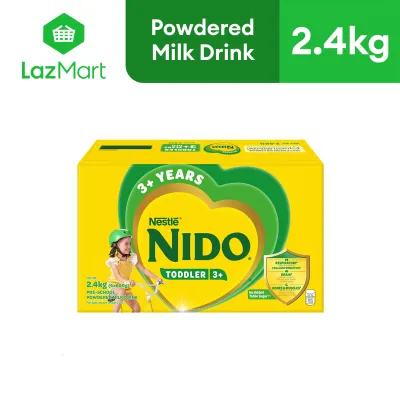
In contrast, Nido is a household staple in many Filipino families, traditionally positioned for older toddlers, preschoolers, and school-aged children. As children grow more active and transition to a wider variety of solid foods, their nutritional requirements shift. Nido formulations are generally designed to complement a diversified diet, focusing on fortifying the daily intake of older children who are exploring their environments and need support for their immune systems and bone development.
Products mentioned in this guide
Prices are valid at publication and may change. Please refer to the product page for the latest price.
When evaluating Enfagrow, parents must take extra care to verify the exact manufacturer, brand lineage, and specific product variant printed on the physical label. While often compared alongside Nestle’s offerings due to its prominent shelf presence, Enfagrow is actually produced by Mead Johnson (a Reckitt company), meaning its brand lineage, manufacturing standards, and proprietary ingredient blends differ from those of NAN and Nido. Because manufacturers frequently update their sub-lines, ingredient ratios, and product names to align with the latest pediatric research, always cross-reference the packaging details during your grocery trips to ensure you are purchasing the exact variant intended for your child’s developmental stage.
Navigating Age Stages and Label Recommendations
Understanding how to read and interpret the age-stage indicators on formula packaging is critical for your child’s safety and nutritional balance. Manufacturers use clear visual cues, often referred to as “Steps” or specific month and year ranges, prominently displayed on the front of the tin or box. For instance, Step 1 is typically formulated for newborns and infants, Step 2 for older infants, Step 3 for toddlers, and Step 4 for preschoolers. However, these numbers are not universal across all brands, making it vital to read the exact age range printed alongside the step number.

Transitioning your child from one stage to the next should never be based on general assumptions or a simple calendar date. A child’s readiness to move to a new formula stage depends heavily on their physical weight, digestive maturity, and overall developmental milestones. Infant formulas are designed to be easily digestible for immature guts, whereas toddler and preschool milks contain different protein structures and mineral concentrations that a younger infant’s kidneys and stomach cannot yet process safely. Always follow the manufacturer’s specific weight and age guidelines listed on the packaging rather than rushing the transition.
Before you decide to switch formula brands, introduce a new stage, or make any changes to your child’s feeding routine, consulting your pediatrician is an indispensable step. This is especially critical if your child was born prematurely, had a low birth weight, or has experienced developmental delays. A qualified healthcare professional can evaluate your child’s growth chart, assess their digestive tolerance, and provide a personalized recommendation that ensures they receive the correct balance of macronutrients and micronutrients without putting unnecessary strain on their developing organs.
Evaluating Nutritional Profiles and Dietary Restrictions
When comparing different formula lines, reading the nutrition facts panel on the back of the packaging is the most reliable way to assess what your child is consuming. Parents should establish a systematic checklist to compare key functional ingredients. Look closely at the levels of docosahexaenoic acid (DHA) and arachidonic acid (ARA), which are fatty acids crucial for early brain and visual development. Additionally, check the values for essential minerals like iron, which supports healthy blood cells, and calcium and vitamin D, which are vital for bone mineralization, especially in active toddlers.
Another critical factor to examine is the source and type of milk protein used in the formulation. Standard formulas are typically based on intact cow’s milk protein, which is suitable for most healthy children. However, if your child has a sensitive digestive system, you may need to look for specialized variants, such as partially hydrolyzed proteins, lactose-free options, or soy-based alternatives. Identifying these protein structures on the label helps you match the formula to your child’s known digestive tolerances and avoid unnecessary discomfort.
Finally, always review the ingredient list for added sugars, artificial flavorings, or potential allergens that might not be suitable for your child’s stage of development. In tropical climates like the Philippines, maintaining optimal digestive health is highly important, and excess sugars can sometimes contribute to loose stools or dental issues as teeth begin to emerge. If you observe any adverse reactions—such as skin rashes, excessive spitting up, vomiting, unusual fussiness, or changes in stool consistency—after introducing a formula, stop using the product immediately and seek professional medical advice.
Decision Framework: Which Formula Fits Your Child's Current Needs?
To help you navigate the selection process, you can use a conditional decision framework based on observable developmental milestones and professional guidance. If your child is currently an infant or an early toddler (typically under one year of age) and requires a highly precise nutritional profile that closely mimics early developmental needs, NAN may be a suitable starting point, provided the specific product label matches their exact age bracket and any specific digestive sensitivities.
If your child has transitioned fully into the older toddler or preschool stage (usually ages one to three and beyond), is consuming a varied diet of solid foods, and requires an everyday milk to support their active lifestyle and immune defense, Nido is a highly popular option. Always confirm that the specific Nido variant you select is labeled as appropriate for their current age, as formulations for toddlers differ significantly from those intended for school-aged children.
If you are looking for a premium option that focuses heavily on specific developmental ingredients like DHA, and you have confirmed that the brand’s formulation aligns with your child’s age and nutritional goals, Enfagrow is a strong candidate. Before purchasing, ensure you have verified the manufacturer’s instructions, as Enfagrow’s preparation steps and scoop-to-water ratios may differ from those of Nestle’s product lines.
Regardless of the brand you lean toward, this framework serves only as a preliminary guide. If your child has known food allergies, a family history of milk protein intolerance, chronic digestive issues like severe reflux or colic, or any specific medical dietary requirements, you must bypass general retail options. Stop and consult a pediatrician or a pediatric gastroenterologist to obtain a prescription for a specialized, therapeutic formula tailored to your child’s clinical needs.
Frequently Asked Questions (FAQ)
Can I mix different formula brands or stages in one bottle?
Mixing different formula brands or stages in a single bottle is generally not recommended unless you have received explicit instructions from your pediatrician. Each formula variant is scientifically designed with a precise balance of nutrients, proteins, and minerals, and has its own specific scoop size and water-to-powder ratio. Combining them can alter the caloric density and concentration of the feed, potentially leading to dehydration, kidney strain, or nutritional imbalances. To ensure your child’s safety, always follow the exact preparation, measurement, and mixing guidelines printed on the specific product label you are using.
How do I safely transition my child to a new formula stage?
When transitioning your child to a new formula stage or brand, a gradual approach is highly recommended to allow their digestive system to adapt. A standard method involves slowly introducing the new formula over several days. For example, on the first day, you might replace just one feed with the new formula, while keeping the remaining feeds as the old formula. Over the next three to five days, you can gradually increase the proportion of new feeds until the transition is complete. Throughout this period, closely monitor your child for observable signs of tolerance or intolerance, such as changes in stool consistency, excessive gas, skin rashes, or unusual fussiness. If any adverse reactions occur, stop the transition immediately and consult your pediatrician for guidance.
Community discussion
Share your experience or ask a question. Comments are reviewed before publication.