
Choosing the right formula milk for your toddler is a significant milestone that often comes with a mix of excitement and confusion. As your child transitions from infancy to the active toddler years, their nutritional requirements shift dramatically. In the Philippines, supermarket shelves are lined with prominent options like Nido, NAN, and Enfagrow, leaving many parents wondering which one will best support their child’s growth.
There is no single “best” formula milk that works universally for every toddler. The ideal choice depends entirely on your child’s unique digestive tolerance, taste preferences, dietary gaps, and your family’s monthly budget. While one toddler may thrive on a formula designed for digestive comfort, another might benefit more from a highly fortified option or a simple, dairy-forward milk.
Before making a decision, it is important to understand the general market positioning of these major brands. Nido is widely recognized for its focus on rich dairy taste and essential daily micronutrients. NAN often emphasizes digestive comfort and gut health through specific protein blends. Enfagrow typically highlights formulations enriched with fatty acids and micronutrients aimed at supporting cognitive development. However, because formulations can change, you should always verify the current ingredients and nutrient values on the physical product packaging.
Products mentioned in this guide
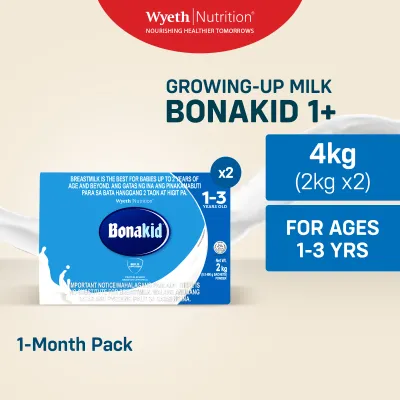
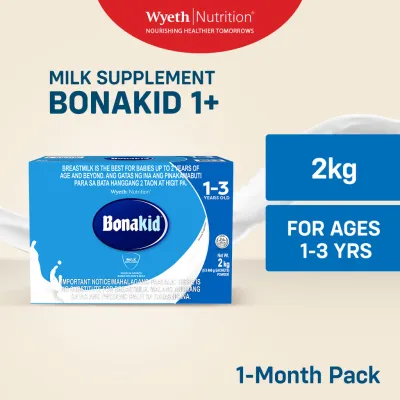
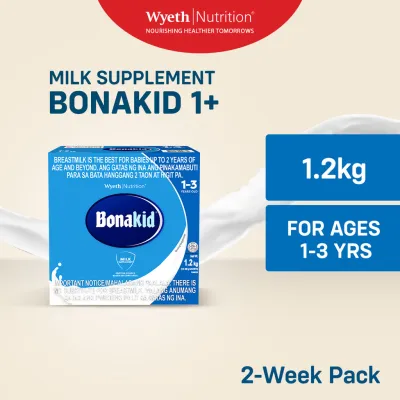
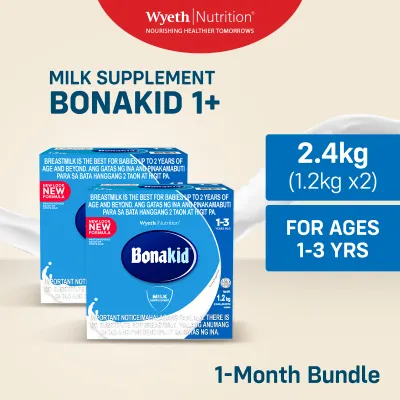
![[ONLINE EXCLUSIVE] BONAKID 1+ Stage Three Milk Supplement Powder for Children 1 to 3 Years Old 4kg](https://img.lazcdn.com/g/p/99cb25ddadc379437fbfd8f71263acbb.jpg_400x400q80.jpg_.webp)
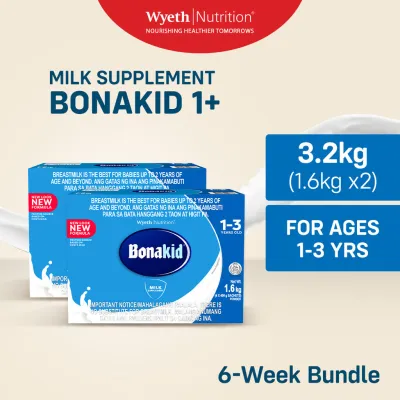
Prices are valid at publication and may change. Please refer to the product page for the latest price.
Remember that toddler formula is not a complete meal replacement. Between the ages of 1 and 3, solid foods should become your child’s primary source of nutrition. Milk serves as a practical supplement to fill in potential nutritional gaps, and any transition to a new milk stage should be done with careful observation and, ideally, under the guidance of your pediatrician.
Establishing Your Baseline: Nutritional Needs for 1 to 3 Year Olds
To make an informed comparison, you must first understand what a toddler’s body actually needs during this rapid stage of physical and cognitive development. Between 1 and 3 years of age, children require a balanced intake of macronutrients and micronutrients to support bone growth, brain development, and a strengthening immune system.
When examining any toddler milk label, there are several critical nutrients you should look for:
- Iron: Essential for healthy blood cells and brain development, as toddlers are at risk of iron deficiency when transitioning to solid foods.
- Calcium and Vitamin D: Working in tandem, these nutrients are vital for building strong bones and teeth during active growth spurts.
- Essential Fatty Acids (such as DHA and ARA): These support ongoing brain development and visual acuity.
- Zinc and Vitamin C: Key players in maintaining a robust immune system as your toddler begins to explore their environment more actively.
While whole cow’s milk is a common option for toddlers who eat a fully balanced diet, fortified toddler milks are formulated to provide a safety net for picky eaters. If your child struggles to consume a diverse range of meats, vegetables, and grains, a fortified milk can help bridge the gap.
However, if your toddler has a diagnosed medical condition, severe lactose intolerance, or a suspected cow’s milk protein allergy, standard commercial formulas may not be suitable. In these cases, specialized or hypoallergenic formulas are necessary. These specialized products should only be introduced under a pediatrician’s strict diagnosis and prescription, as self-prescribing can lead to nutritional imbalances.
How to Compare Nido, NAN, and Enfagrow Using Product Labels
Navigating the nutrition labels on the back of formula tins can feel overwhelming, but a systematic approach makes it simple. Instead of relying on front-of-pack marketing claims, turn the container around to read the Nutrition Facts panel and the ingredient list. This allows you to make an objective, side-by-side comparison of what your child is actually consuming.

Start by checking the serving size and the number of servings per container. Different brands use different scoop sizes, which means a single serving of one brand might require more powder than another. Compare the nutrient values per 100 grams or per prepared serving to get an accurate picture of the nutrient density.
Pay close attention to the carbohydrate section, specifically looking for added sugars such as sucrose, corn syrup solids, or fructose. While lactose is the natural sugar found in milk, excessive added sugars are unnecessary and can influence a toddler’s preference for overly sweet foods. Additionally, check the sodium content per serving, as a lower sodium intake is generally preferred for developing kidneys.
Next, verify the age-stage labeling on the front of the pack. Manufacturers tailor their formulations to specific age brackets, such as Stage 3 for children aged 1 to 3 years. Feeding a toddler a formula meant for an infant or an older child can result in getting too little or too much of certain nutrients.
Finally, read the ingredient list, which is organized by weight from highest to lowest. The first few ingredients will tell you the primary base of the milk, whether it is whole milk powder, skimmed milk, or a blend of vegetable oils and whey proteins. Take note of any potential allergens, such as soy or gluten, and look for added flavorings like vanilla, which some brands use to improve taste acceptance but may not be preferred by all parents.
Assessing Taste Acceptance and Digestive Tolerance
Even the most nutritionally perfect formula is of no use if your toddler refuses to drink it or if it upsets their stomach. Every child’s digestive system and palate are unique, meaning that physical tolerance and taste acceptance are the ultimate deciding factors.
When introducing a new formula, monitor your child for positive signs of digestive tolerance. A well-tolerated milk will result in regular, soft bowel movements, minimal flatulence, and a generally happy disposition after feeding. Your toddler should also show a natural willingness to drink the milk without fussing or turning away.
Conversely, you must remain vigilant for red flags that indicate poor tolerance or an adverse reaction. If your child experiences any of the following symptoms, stop using the formula immediately and consult your pediatrician:
- Persistent diarrhea or unusually loose, watery stools
- Frequent vomiting or severe spit-up long after feeding
- Unexplained skin rashes, hives, or eczema flare-ups
- Excessive gas, abdominal bloating, or prolonged crying due to colic
- Severe and consistent refusal to drink the milk, which may indicate physical discomfort
To minimize the risk of digestive upset, avoid switching formulas abruptly. Instead, use a gradual transition method over several days. Start by mixing a small portion of the new formula powder with the old one, slowly increasing the proportion of the new brand over a week. This gradual shift allows your toddler’s digestive enzymes and taste buds to adapt comfortably to the new formulation.
Calculating True Value: Cost Per Serving and Convenience
Raising a toddler involves many ongoing expenses, and formula milk can quickly become a significant portion of your monthly household budget. To manage these costs effectively, look beyond the retail price of a single tin or box and calculate the true cost per serving.
To find the cost per serving, divide the total retail price of the package by the number of servings it yields. You can determine the number of servings by dividing the total net weight of the powder (in grams) by the weight of a single serving scoop recommended on the label. This simple calculation often reveals that a larger, seemingly more expensive tin actually offers a lower cost per serving than smaller boxes.
In the tropical climate of the Philippines, packaging format also plays a crucial role in both convenience and product preservation. High humidity can cause opened formula powder to clump and spoil quickly if not stored correctly.
- Bulk Tins: These offer excellent protection against moisture, pests, and physical damage, making them ideal for home storage. However, they carry a higher upfront cost.
- Refill Pouches: Often more economical, these cardboard boxes containing foil pouches are budget-friendly. However, once opened, the powder must be transferred to a clean, airtight container to prevent spoilage from humidity.
- Single-Serve Sachets: Highly convenient for travel, family outings, or daycare, these prevent exposure to air and moisture. However, they carry the highest cost per gram of powder.
Before purchasing formula in bulk to save money, always check the expiration dates printed on the bottom of the packaging. Ensure your child can realistically consume the volume before the product expires. Additionally, factor in the cost and availability of preparation tools, such as sterilized bottles or cups, and access to clean, safe drinking water.
Decision Framework: Which Formula Fits Your Toddler?
To help you finalize your choice, use this practical decision framework based on your toddler’s specific needs and your household priorities.
- Consider Nido if: Your toddler has a strong appetite, enjoys a rich and creamy dairy taste, and you are looking for a highly accessible, cost-effective daily milk supplement to support a standard diet.
- Consider NAN if: Your toddler has a sensitive stomach, is prone to mild gas or occasional constipation, and you want a formulation that prioritizes easy-to-digest proteins and gut comfort.
- Consider Enfagrow if: You are looking for a premium formulation with a strong emphasis on micronutrient fortification, particularly fatty acids like DHA, to complement your toddler's daily dietary intake.
Verify first if: Your toddler has a history of food allergies, lactose sensitivity, or chronic digestive issues. In these situations, standard commercial options may cause discomfort, and you must seek a specialized recommendation from a healthcare professional.
Ultimately, no guide can replace the personalized advice of a medical expert. Always consult your pediatrician or a registered dietitian to monitor your child’s growth, assess their dietary intake, and receive tailored recommendations for their nutritional journey.
Frequently Asked Questions (FAQ)
Can I switch directly from infant formula to toddler milk at 12 months?
Yes, the 12-month mark is a common milestone for transitioning to toddler milk or whole cow’s milk, as nutritional needs change. However, you must check the specific brand’s stage labeling to ensure the formulation is designed for the 1 to 3 years age bracket. If your child was born prematurely, has developmental delays, or has specific dietary restrictions, consult your pediatrician before making any changes to their milk routine.
Are budget-friendly toddler formulas a safe alternative to premium brands?
Yes, budget-friendly options can be a safe and nutritionally adequate choice. When exploring affordable alternatives, brands like Bonna 1 to 3 year old are frequently considered by practical households. Always verify that any budget brand displays a valid registration mark from the local food and drug authority on its packaging. Check the nutrition label to ensure the essential vitamins and minerals meet standard daily requirements, and observe your child’s physical tolerance, as a higher price tag does not automatically guarantee better suitability for your individual toddler.
How long can I keep an opened tin of toddler formula?
Always check and follow the manufacturer’s printed storage instructions on the packaging, as guidelines can vary. Generally, most manufacturers recommend discarding any remaining powder within three to four weeks after opening. In the humid tropical climate of the Philippines, it is crucial to store the container in a cool, dry place—never in the refrigerator—and keep the lid tightly sealed. If you notice any physical signs of moisture, clumping, discoloration, or off-odors, discard the powder immediately regardless of how long it has been open.
Community discussion
Share your experience or ask a question. Comments are reviewed before publication.