
Choosing the right formula milk for your child is a highly individualized decision that depends on your child’s unique digestive tolerance, developmental stage, and your pediatrician’s guidance. While Nido, NAN, and Enfagrow are all prominent names on supermarket shelves, there is no single “best” brand for every child. Instead, the optimal choice relies on a systematic comparison of nutritional labels, ingredient sources, and how well your child digests a specific formulation.
To make an informed decision, parents should establish a clear comparison framework. First, consult your pediatrician to identify any specific nutritional requirements or sensitivities your child may have. Second, examine the physical packaging of the formula to verify the exact stage number and age range, as these specifications can vary. Finally, compare the ingredient lists and nutritional panels of the current batches available in your local store, as manufacturers periodically update their formulations.
Understanding Formula Stages 1 to 3 and Age Suitability
Formula milks are systematically categorized into stages to mirror the physiological development and changing nutritional requirements of growing children. Stage 1 formulas are typically designed for infants from birth to six months, serving as a complete source of nutrition when breastfeeding is not possible or is being supplemented. These formulations focus on highly digestible proteins and essential fatty acids that support early organ and tissue development.
Products mentioned in this guide


Prices are valid at publication and may change. Please refer to the product page for the latest price.
Stage 2 formulas, often referred to as follow-on formulas, are generally tailored for infants aged six to twelve months. During this phase, infants begin their transition to solid foods, meaning the formula is no longer their sole source of nutrition. Stage 2 products are adjusted to complement a weaning diet, often featuring different iron and calcium ratios to support rapid bone growth and cognitive milestones.
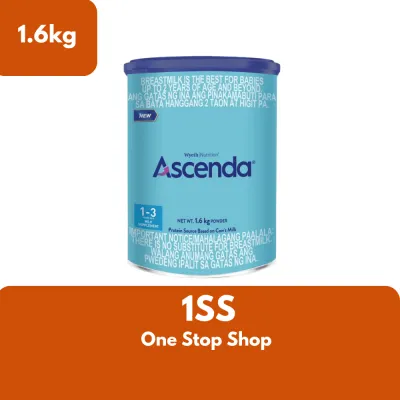
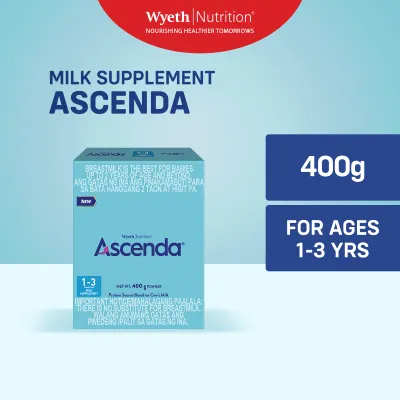
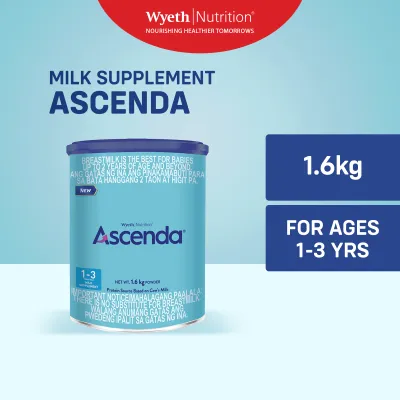
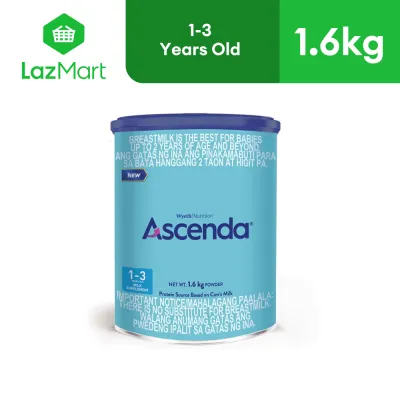
Stage 3 formulas, commonly known as toddler or growing-up milks, are formulated for children aged one year and older. These products are designed to address potential nutritional gaps as toddlers transition to a family diet and experience increased physical activity. When evaluating options for this active age group, parents may also encounter specialized growth formulas, such as Ascenda 1 to 3, which are designed to support specific dietary needs under professional supervision.
Before purchasing any product, parents must verify the manufacturer’s stated age range on the front of the packaging. Month ranges can vary slightly between brands and regions, and advancing a child to the next stage prematurely can strain their developing kidneys and digestive system. Always ensure your child has met both the minimum age and the developmental milestones indicated by the manufacturer before transitioning to a higher stage.
Comparing Nutritional Profiles: What to Check on the Label
To perform an objective comparison between Nido, NAN, Enfagrow, or alternative options like Ascenda 1 to 3, parents must look past front-of-pack marketing claims and focus on the Nutrition Information panel. This panel, usually located on the back or side of the container, provides a detailed breakdown of the macro- and micronutrients contained within the powder.

When comparing different brands, it is essential to look at the standardized values. Manufacturers typically list nutrients per 100 grams of dry powder and per 100 milliliters of prepared feed. Comparing the values per 100 grams of powder allows you to evaluate the dry product’s overall nutrient density. Conversely, comparing the values per 100 milliliters of prepared feed gives you a realistic view of what your child actually consumes, which is highly dependent on the specific scoop size and dilution instructions provided by each brand.
Macronutrients and Energy Density
Evaluating the core energy and building-block components of a formula begins with the carbohydrate, protein, and fat sources listed in the ingredients. For carbohydrates, check whether the formula relies primarily on lactose, which is the natural sugar found in breast milk, or if it incorporates other carbohydrate sources such as maltodextrin, sucrose, or corn syrup solids. Some children tolerate specific carbohydrate sources better than others, making this a key point of comparison.
Next, examine the protein composition, specifically the ratio of whey to casein. Whey protein is generally easier for younger infants to digest, while casein digests more slowly. The protein source—whether derived from cow’s milk, soy, or partially hydrolyzed proteins—should align with your child’s digestive comfort and any medical recommendations.
Energy density, which refers to the number of calories or kilojoules per serving, must also be evaluated. Standard formulas generally provide a consistent caloric density, but specialized toddler formulas may vary to support specific growth trajectories. Always consult a healthcare professional to determine the appropriate energy density for your child’s daily intake.
Fortification: Vitamins, Minerals, and Gut Health Ingredients
Beyond basic macronutrients, formula brands frequently highlight their fortification profiles. Parents should look for key added ingredients such as docosahexaenoic acid (DHA) and arachidonic acid (ARA), which are polyunsaturated fatty acids. It is important to verify the actual milligrams of DHA and ARA per serving on the nutritional panel rather than relying on front-of-pack promotional graphics.
Essential minerals like iron and calcium are also critical points of comparison. Iron supports healthy blood development, while calcium is vital for bone and tooth strength. Ensure that the levels of these minerals in your chosen formula align with the recommended daily intakes for your child’s specific age bracket.
Additionally, many modern formulas include prebiotics (such as galacto-oligosaccharides or fructo-oligosaccharides) and probiotics (active bacterial cultures) to support gut health and digestion. Because these ingredients are often marketed under proprietary or trademarked names, parents should cross-reference the ingredient list to identify the specific prebiotic fibers or probiotic strains used, ensuring they are suitable for their child’s digestive system.
Evaluating Price, Packaging, and Accessibility
Managing household expenses in the Philippines requires a practical approach to evaluating the cost-effectiveness of formula milk. To determine the true value of Nido, NAN, Enfagrow, or other options like Ascenda 1 to 3, do not rely solely on the retail price of the container. Instead, calculate the cost per 100 grams of powder by dividing the retail price by the total weight of the package, or calculate the cost per serving based on the manufacturer’s preparation instructions. This method allows for an accurate comparison across different packaging formats, such as small boxes, standard tins, or larger refill pouches.
When purchasing formula, verifying product authenticity and safety is paramount. Buy exclusively from reputable supermarkets, pharmacies, or authorized online brand stores. Always inspect the physical integrity of the packaging before purchase; ensure there are no dents, rust, or broken seals. In the hot and humid tropical climate of the Philippines, compromised packaging can expose the powder to moisture and air, leading to spoilage, clumping, or bacterial contamination.
While online marketplaces and ecommerce platforms frequently offer promotional pricing, bundle deals, or bulk discounts, parents should exercise caution. Avoid stockpiling large quantities of formula near its expiration date. If your child experiences a sudden developmental shift, transitions to the next stage, or requires a brand change due to digestive sensitivities, excess stockpiled formula may go to waste. Always check the expiration date printed on the bottom of the container before finalizing any purchase.
Monitoring Tolerance, Acceptance, and When to Consult a Pediatrician
When introducing a new formula brand or transitioning between stages, close observation of your child’s physical response and feeding behavior is essential. Signs of good formula acceptance include consistent feeding volumes, a child who appears satisfied and settled between feeds, and regular, soft stool consistency. It is normal for a child’s stool color and frequency to shift slightly when changing formulas, but these changes should stabilize within a few days.
Conversely, parents must remain vigilant for signs of intolerance or sensitivity. These can include excessive fussiness during or after feeds, increased gassiness, abdominal bloating, sudden changes in stool consistency (such as hard, dry stools or watery diarrhea), or mild skin rashes. If you observe these symptoms, it is advisable to discuss them with your pediatrician before making any further changes.
Establish clear safety boundaries and know when to seek immediate medical attention. Stop using the formula immediately and consult a pediatrician or visit an emergency care facility if your child exhibits severe symptoms, such as persistent or projectile vomiting, blood or mucus in the stool, difficulty breathing, swelling of the face or lips, or a sudden, widespread hives rash. Any transition between formula brands or stages should be conducted gradually over several days and always under the guidance of a qualified healthcare professional.
Frequently Asked Questions (FAQ)
Can I mix different formula brands in the same bottle?
Mixing different formula brands or stages in a single bottle is generally not recommended. Each product is formulated with a precise balance of nutrients, and combining them can alter the concentration of vitamins, minerals, and proteins, potentially straining your child’s kidneys or digestive system. Additionally, different powders require specific water-to-powder ratios; mixing them increases the risk of preparation errors. Always follow the exact preparation instructions on each individual package and consult your pediatrician before attempting to combine or transition formulas.
When is the right time to transition from Stage 2 to Stage 3?
The transition from Stage 2 to Stage 3 should align with the age guidelines printed on the product packaging, which typically specify twelve months of age. This transition should also coincide with your child’s developmental shift toward consuming a wider variety of solid family foods, as Stage 3 toddler milks are designed to complement, not replace, a balanced diet. Before making the switch, consult your pediatrician to ensure your child’s growth and nutritional needs are on track for this developmental milestone.
Community discussion
Share your experience or ask a question. Comments are reviewed before publication.