
When your toddler experiences frequent tummy troubles, finding the right gatas becomes an urgent priority. There is no single “best” brand among Nido, NAN, and Enfagrow that universally cures digestive sensitivity. The ideal choice depends entirely on your toddler’s specific digestive trigger, whether that is a sensitivity to intact proteins, lactose, or an imbalance in gut flora.
To make the right choice, parents must look past front-of-pack marketing and adopt a condition-based decision framework. For instance, if your toddler struggles to digest standard milk proteins, a formula featuring partially hydrolyzed proteins—often found in specialized NAN variants—may be the most suitable option. If the goal is to support a developing gut microbiome, formulas from Nido or Enfagrow that are enriched with specific prebiotic fibers or active probiotic cultures might be more appropriate.
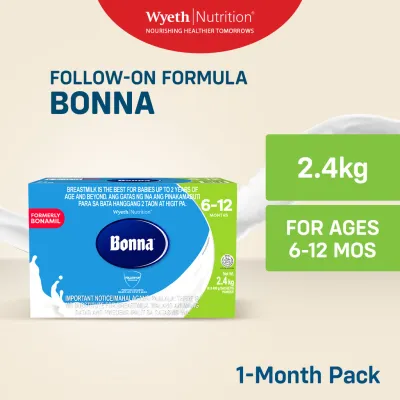
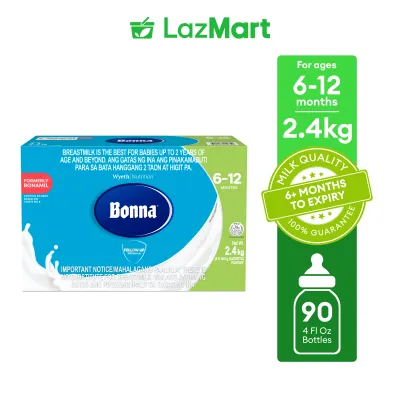
Before making any purchase, it is essential to verify the exact ingredient list on the physical packaging. Standard toddler milks, including classic options like bona milk, are designed for general nutrition, whereas “sensitive” or “gentle” lines are formulated with modified ingredients to ease digestion. Understanding these differences is the first step toward comforting your little one’s stomach.
Products mentioned in this guide
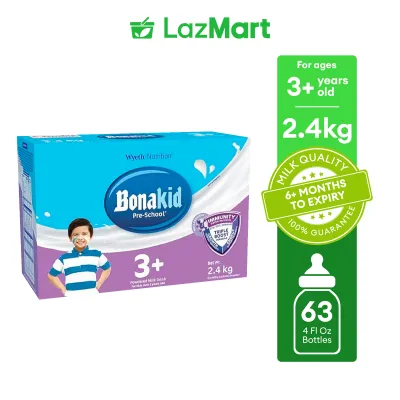

Prices are valid at publication and may change. Please refer to the product page for the latest price.
Recognizing Signs of Digestive Sensitivity in Toddlers
Toddlers in the Philippines often face digestive adjustments as their diets expand to include more solid foods alongside their daily gatas. Distinguishing between normal developmental changes and a genuine formula sensitivity is crucial for avoiding unnecessary milk switches. A toddler’s digestive system is still maturing, making it highly reactive to changes in diet, routine, and even environmental factors like tropical heat.
Monitor these common observable signals over several consecutive days to identify potential sensitivity:
- Excessive Gas and Bloating: A toddler who frequently passes gas, cries out in discomfort, or has a visibly firm, distended abdomen shortly after feeding may be struggling to break down certain milk components.
- Stool Consistency Changes: Watch for hard, dry pellets that indicate constipation, or conversely, watery, unusually frequent stools. Healthy toddler stool should be soft and formed, though color can vary based on solid food intake.
- Unusual Fussiness: If your child consistently arches their back, draws their knees to their chest, or becomes highly irritable within an hour of drinking their bottle, their digestive tract may be under strain.
It is vital to separate temporary digestive adjustments from formula intolerance. When toddlers try new solid foods, their gut bacteria adapt, which can temporarily alter their stool or cause mild gas. This is a normal part of growing up and usually resolves without changing their milk. However, if the symptoms persist for more than a week and occur consistently after milk feeds, the formula itself may be the primary trigger.
To track these patterns accurately, maintain a simple feeding and reaction diary. Record the exact time of each milk feed, the amount consumed, all solid foods eaten throughout the day, and any subsequent physical reactions or bowel movements. This written record provides invaluable data for your pediatrician and prevents hasty, stressful brand-hopping that can further irritate your toddler’s stomach.
Nido vs. NAN vs. Enfagrow: Key Label Ingredients to Compare
When standing in the supermarket aisle comparing Nido, NAN, Enfagrow, or even classic options like bona milk, the marketing claims on the front of the tin can be overwhelming. To make an informed decision, turn the can around and focus on the specific nutritional components listed in the ingredient and guaranteed analysis tables.

Carbohydrate Sources and Lactose Content
Lactose is the natural sugar found in milk and serves as an important energy source for growing toddlers. However, some toddlers produce less lactase, the enzyme needed to break down this sugar, leading to fermentation in the colon, gas, and loose stools.
Standard toddler formulas from Nido, NAN, and Enfagrow generally use lactose as their primary carbohydrate. If you suspect lactose sensitivity, look for specialized variants that substitute a portion of the lactose with easily digestible maltodextrin or corn syrup solids. Always check the label to confirm the percentage of lactose reduction, as some “gentle” formulas are low-lactose rather than completely lactose-free.
When reading the ingredient list, ingredients are listed in descending order of weight. In standard toddler milks, lactose is usually the very first ingredient. In sensitive or comfort formulas, you will often see maltodextrin, corn syrup solids, or sucrose listed before lactose, indicating a significantly reduced lactose load. This adjustment helps minimize the osmotic load in the intestines, which is a frequent cause of watery stools and painful gas in sensitive toddlers.
Protein Structures: Intact vs. Hydrolyzed
The size and structure of the milk proteins (whey and casein) play a massive role in how easily a toddler digests their gatas. Standard formulas contain intact proteins, which require the toddler’s digestive enzymes to do all the heavy lifting of breaking them down.
For toddlers with sensitive stomachs, partially hydrolyzed proteins are highly beneficial. In these formulas, the proteins are pre-treated with enzymes to break them down into smaller, more manageable fragments. This reduces the digestive workload on the stomach. When comparing brands, look for terms like “partially hydrolyzed whey protein” or “comfort” on the ingredient list, which are common in specialized NAN or Enfagrow sensitive lines.
Additionally, pay attention to the whey-to-casein ratio on the nutritional panel. Whey protein remains liquid in the stomach and is emptied quickly, making it gentler on the digestive tract. Casein, on the other hand, forms a firmer curd in the stomach, which takes longer to break down. Standard cow’s milk has a high casein content, but many toddler formulas adjust this ratio to favor whey, especially in comfort or sensitive variants. Checking for a higher whey percentage can be a game-changer for toddlers prone to slow digestion and heavy spitting up.
Prebiotics and Probiotics for Gut Health
A healthy gut microbiome is essential for smooth digestion and strong immunity. Prebiotics are non-digestible fibers that feed beneficial gut bacteria, while probiotics are live, friendly microorganisms.
Different brands utilize distinct strains and combinations. For instance, some formulations feature specific probiotic strains like Lactobacillus reuteri (often associated with NAN) or Bifidobacterium lactis. Others emphasize prebiotic blends like galacto-oligosaccharides (GOS) and fructo-oligosaccharides (FOS), which are common in Nido and Enfagrow. Check the label to see which specific strains are included, as different strains target different digestive issues, such as stool softening or gas reduction.
In the humid, tropical climate of the Philippines, storing these formulas correctly is just as important as choosing the right ingredients. High humidity and heat can degrade active probiotic cultures inside the tin over time. Always store the tightly sealed can in a cool, dry pantry—never in the refrigerator, as the temperature change can introduce moisture and cause the powder to clump, potentially spoiling the delicate probiotics before your toddler can benefit from them.
Dietary Fiber and Constipation Management
In the tropical climate of the Philippines, dehydration can quickly exacerbate toddler constipation, making dietary fiber in formula even more critical. Some toddler milks incorporate added dietary fiber or specific prebiotic blends designed to draw water into the colon, softening the stool.
If your toddler struggles with hard, painful stools, compare the fiber content per serving across your candidate brands. Ensure you are also offering plenty of water throughout the day, as fiber requires adequate hydration to work effectively in preventing constipation. Balancing your monthly budget in ₱ while looking for these specialized ingredients will help you find a sustainable, digestion-friendly option.
How to Safely Transition and Monitor a New Formula
Switching your toddler’s gatas too quickly can shock their sensitive digestive system, causing temporary diarrhea, gas, or vomiting that might be mistaken for a formula intolerance. A gradual, systematic transition is the safest way to introduce a new brand like Nido, NAN, or Enfagrow.
Use a step-by-step mixing method over a period of five to seven days to allow your toddler’s digestive enzymes and gut flora to adapt:
- Days 1 and 2: Mix 75% of the old formula with 25% of the new formula in each bottle.
- Days 3 and 4: Mix equal parts (50% old and 50% new) of both formulas.
- Days 5 and 6: Mix 25% of the old formula with 75% of the new formula.
- Day 7 and beyond: Feed 100% of the new formula.
During this transition and for the first two weeks of exclusive use, closely observe your toddler’s physical reactions. It takes time for the gut microbiome to stabilize, so minor changes in stool color or a slight increase in gas during the first few days are normal. Do not panic or switch brands again immediately, as this temporary adjustment period is common.
Look for clear indicators of improvement, such as a happier disposition after feeding, softer and more regular bowel movements, and a reduction in painful bloating. Conversely, if you notice worsening symptoms like skin rashes, persistent spitting up, or extreme fussiness, the new formula may not be the right fit, and you should pause the transition.
When to Stop and Consult a Pediatrician
While mild digestive adjustments are common when changing toddler milks, certain symptoms indicate a more serious underlying issue that cannot be solved by simply switching from Nido to NAN or Enfagrow. Parents must be able to recognize these critical red flags.
Stop feeding the formula immediately and seek professional medical advice if your toddler exhibits any of the following severe reactions:
- Persistent or Projectile Vomiting: This goes beyond normal mild spitting up and can quickly lead to dehydration.
- Blood or Mucus in the Stool: This is a primary indicator of severe gut inflammation or an allergic reaction.
- Severe, Watery Diarrhea: Frequent, loose stools can cause rapid fluid loss, especially in hot, humid tropical weather.
- Signs of Dehydration: Watch for dry lips, a lack of tears when crying, sunken eyes, or significantly fewer wet diapers than usual.
If you have completed a gradual transition to a new formula and see no improvement in your toddler’s chronic gas, bloating, or constipation after two weeks, consult your pediatrician. Do not continue to switch between multiple brands, as constant changes can further irritate the stomach lining.
A professional medical diagnosis is essential to differentiate between a simple dietary sensitivity and a true cow’s milk protein allergy (CMPA). If your toddler has CMPA, standard commercial toddler milks—including Nido, NAN, Enfagrow, or bona milk—are not safe, and your pediatrician will need to prescribe a specialized, extensively hydrolyzed or amino acid-based medical formula.
Frequently Asked Questions (FAQ)
Can I mix two different formula brands in one bottle?
Mixing different formula powders in a single bottle is generally not recommended unless specifically instructed by your pediatrician. Each brand, whether it is Nido, NAN, Enfagrow, or bona milk, has a unique scoop size and precise powder-to-water ratio designed to deliver a specific concentration of nutrients.
Combining different powders can easily disrupt this delicate balance, leading to a mixture that is either too concentrated (which strains the toddler’s kidneys and digestive tract) or too diluted (which deprives them of essential nutrition). To avoid digestive distress and ensure proper hydration, always prepare each brand strictly according to its individual packaging instructions.
Does warm or cold milk affect toddler digestion?
For most healthy toddlers, the temperature of their milk is a matter of personal preference rather than a biological digestive requirement. Some toddlers prefer warm milk because it mimics the temperature of breast milk, while others living in warm tropical climates may happily drink it cool or at room temperature.
However, temperature does matter during preparation. If your chosen formula contains heat-sensitive probiotics, using water that is too hot can destroy these beneficial live bacteria before they reach your toddler’s gut. Always mix the powder with lukewarm or room-temperature water that has been previously boiled, ensuring you preserve the active ingredients designed to support their sensitive digestion.
Community discussion
Share your experience or ask a question. Comments are reviewed before publication.