
Choosing the right formula milk for a newborn is one of the most critical decisions a parent will make during the first few months of life. For infants aged 0 to 6 months, breast milk remains the gold standard of nutrition, providing optimal antibodies and balanced nourishment. However, when breastfeeding is not possible, insufficient, or medically contraindicated, parents must rely on infant formula to support their baby’s rapid growth and development.
When navigating the crowded shelves of local pharmacies and supermarkets, prominent brand names like Nido, NAN, and Enfagrow frequently catch the eye. Many parents search for a direct comparison among these three brands to find the single “best” option for their newborn. However, a crucial distinction must be made immediately: not all of these brands actually manufacture products designed for the 0-6 month age bracket. Feeding a newborn a formula designed for older toddlers can lead to severe nutritional imbalances and physical harm.
This guide provides an objective, safety-first framework to help you evaluate these brands, understand the critical differences between infant and toddler formulas, and integrate popular alternatives like Promil 0 to 6. By focusing on label verification, ingredient safety, and pediatric guidance, you can make an informed decision that supports your baby’s unique digestive system.
Products mentioned in this guide
Prices are valid at publication and may change. Please refer to the product page for the latest price.
Understanding Stage 1 Formula Requirements for Newborns
During the first six months of life, an infant’s digestive tract, kidneys, and immune system are highly immature. Consequently, any commercial formula intended for this stage must adhere to strict international and local food safety standards. These products are specifically designated as “Stage 1” or labeled explicitly for infants aged “0-6 months” on the front of the packaging.
Stage 1 formulas are engineered to mimic the nutritional profile of breast milk as closely as possible, utilizing highly processed whey and casein proteins that a newborn’s delicate stomach can break down. They must contain precise baseline levels of essential nutrients, including iron to prevent anemia, and specific fatty acids like Docosahexaenoic Acid (DHA) and Arachidonic Acid (ARA) to support brain and visual development. Many formulations also include prebiotics to encourage the growth of beneficial gut bacteria, helping to ease digestion and reduce common newborn issues like colic and constipation.
Before purchasing any infant formula, it is a non-negotiable safety requirement to consult a pediatrician. A qualified medical professional is the only person who can accurately assess your baby’s birth weight, growth curve, and digestive tolerance to recommend a specific formulation. Never introduce, switch, or dilute infant formula without direct medical supervision, as improper preparation or inappropriate formula selection can lead to severe malnutrition or electrolyte imbalances.
Comparing Nido, NAN, and Enfagrow for the First 6 Months
When comparing Nido, NAN, and Enfagrow for a newborn, the most critical step is verifying whether the brand actually offers a Stage 1 product. In the Philippines, Nido is a highly popular brand, but its product lines—such as Nido 1+ and Nido 3+—are formulated exclusively for toddlers and young children. There is no standard Nido Stage 1 formula for infants aged 0 to 6 months in the local market. Feeding toddler milk to a newborn is highly dangerous, as the high protein and mineral content can place an overwhelming strain on an infant’s immature kidneys.

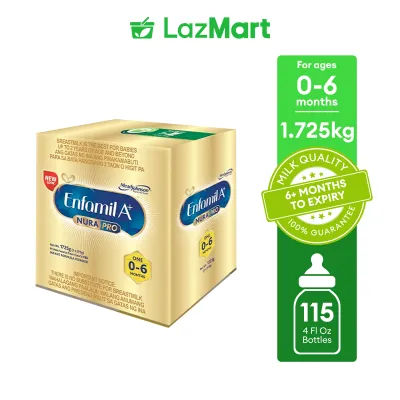
In contrast, both NAN and the manufacturers of Enfagrow offer dedicated infant formulas for the 0-6 month stage. For the NAN brand, this includes options like NAN Optipro 1 or NAN Infinipro 1, which are specifically formulated for newborns. For Enfagrow, the manufacturer’s dedicated Stage 1 infant formula is actually marketed under the sister brand name Enfamil (such as Enfamil A+ Stage 1), while the name “Enfagrow” is reserved for their Stage 3 toddler products. Parents must carefully read the front labels to ensure they are purchasing the correct infant-specific line rather than the toddler variant.
When inspecting these products at the store, look closely at the ingredient list on the physical packaging. Some variants are designed for standard nutritional needs, while others offer gentle or lactose-reduced options featuring partially hydrolyzed proteins. These specialized formulas are designed to be easier to digest for babies prone to excessive gas or fussiness, but they should only be used if explicitly prescribed by your pediatrician.
Given the tropical climate and high humidity in the Philippines, physical product safety is paramount. Always inspect the tin cans for any signs of denting, rusting, or bulging, which can compromise the sterile vacuum seal inside. Check the manufacturing and expiration dates printed on the bottom of the can. To minimize the risk of purchasing counterfeit or improperly stored products, buy infant formula exclusively from authorized physical pharmacies, reputable supermarkets, or the official flagship stores of the brands on registered ecommerce platforms.
Evaluating Alternatives: Where Promil 0 to 6 Fits In
For parents exploring options beyond NAN and Enfamil, Promil is another widely recognized brand in the local market. Manufactured by Wyeth Nutrition, Promil offers a specific Stage 1 variant commonly referred to as Promil 0 to 6 (or Promil Stage 1). This product is specifically formulated to meet the nutritional requirements of infants from birth up to six months of age.
To evaluate how Promil fits alongside other options, parents should perform a direct, objective comparison of the nutritional information panels on the back of the cans. Compare the exact amounts of macronutrients—proteins, fats, and carbohydrates—per 100 kilocalories or per 100 milliliters of prepared formula. Pay close attention to the source of the protein (such as the ratio of whey to casein) and the presence of supportive ingredients like DHA, ARA, lutein, and prebiotic fibers.
Promil Stage 1 is widely distributed across major supermarkets and drugstores in the Philippines, making it a highly accessible option for many families. However, as with any infant formula, availability can occasionally fluctuate. Ensure you establish a reliable source through authorized physical retailers or official online brand stores to avoid the temptation of purchasing from unverified third-party sellers, which carries a high risk of counterfeit or expired goods.
How to Choose the Right Formula for Your Baby
Selecting the right formula involves a structured decision-making process centered on your baby’s health and your family’s practical circumstances. The primary factor must always be your pediatrician’s professional recommendation, which takes into account your baby’s gestational age, birth weight, and overall health status.
Once a medically appropriate brand is identified, monitor your baby’s physical tolerance over several weeks. A formula is considered a good fit if your baby exhibits steady weight gain along a normal growth curve, maintains a relatively predictable sleep and wake cycle, and produces soft, formed stools without excessive straining. Minor spitting up and occasional gas are normal parts of newborn development, but they should not cause your baby extreme distress.
It is vital to recognize that standard commercial formulas may not be suitable for every infant. If your baby was born prematurely, had a low birth weight, or has a family history of severe allergies, they may require specialized prescription formulas. These include hypoallergenic formulas (extensively hydrolyzed or amino acid-based) for babies with cow’s milk protein allergy, or low-sodium formulations for specific metabolic conditions. These specialized products must only be used under strict medical supervision.
Caregivers must remain vigilant for signs of formula intolerance or allergic reactions. Stop using the formula and consult your pediatrician immediately if your baby exhibits severe symptoms, including projectile vomiting, persistent watery diarrhea, blood or mucus in the stool, unexplained skin rashes or hives, extreme colic, or a sudden flatlining in weight gain. Prompt medical evaluation ensures that any underlying digestive or allergic issues are addressed safely.
Frequently Asked Questions (FAQ)
Is it safe to switch between formula brands for a newborn?
Switching between different formula brands for a newborn should not be done casually or frequently. A newborn’s digestive system is highly sensitive and takes time to adapt to the specific protein structures and ingredient blends of a particular formula. Rapidly changing brands can cause digestive distress, resulting in increased gas, colic, changes in stool consistency, and fussiness. If you suspect your baby is not tolerating their current formula, consult your pediatrician first. If a switch is medically recommended, your doctor will advise you on whether to transition gradually by mixing the formulas over several days or to make an immediate switch depending on the severity of your baby’s symptoms.
How do I compare the cost per serving of different formula brands?
To compare the financial impact of different formula brands, do not rely solely on the retail price of the tin can. Instead, calculate the cost per serving using the manufacturer’s preparation instructions. First, note the net weight of the powder in grams (e.g., 800g) and the retail price in ₱. Next, check the feeding table on the back of the can to find the exact weight of a single scoop of powder (usually ranging from 4.3g to 4.5g) and the amount of water required per scoop. Divide the total net weight of the can by the weight of one scoop to determine the total number of scoops per tin. Finally, divide the retail price by the total number of scoops to find the cost per scoop, allowing you to compare the actual cost of feeding your baby across different brands over a monthly period.
Community discussion
Share your experience or ask a question. Comments are reviewed before publication.