
Quick Answer: Which Formula Milk Is Best?
Choosing the best growing-up milk for your child between the ages of 3 and 7 depends entirely on their individual nutritional needs, daily eating habits, taste preferences, and your household budget. There is no single formula that serves as a universal solution for every growing child. Instead, each major brand on the market is formulated with a distinct nutritional focus designed to address different aspects of childhood development.
To help you navigate your options, the three major brands are generally positioned around specific benefits. Nido is widely recognized for supporting general growth, physical activity, and daily energy requirements at an accessible price point. NAN focuses heavily on digestive comfort, gut health, and immune support through specialized protein blends and active cultures. Enfagrow targets cognitive and brain development by emphasizing higher levels of neuro-nutrients like DHA. Additionally, some parents explore specialized options such as ascenda milk 3 to 7 when looking for targeted support for catch-up growth and picky eating habits.
While these powdered milks offer a convenient way to fill nutritional gaps, it is important to remember that for children aged 3 to 7, milk is a dietary supplement rather than a primary source of nutrition. At this developmental stage, preschoolers and school-aged children should obtain the vast majority of their daily vitamins, minerals, and macronutrients from a diverse and balanced diet of whole foods. Growing-up milk should be used to complement, not replace, regular healthy meals.
Products mentioned in this guide
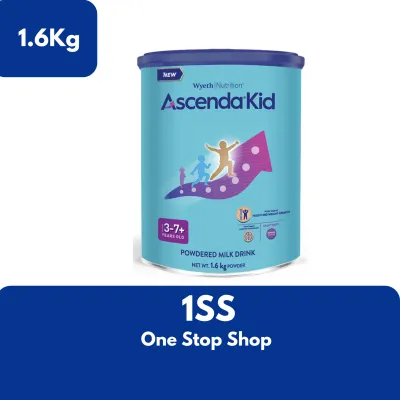


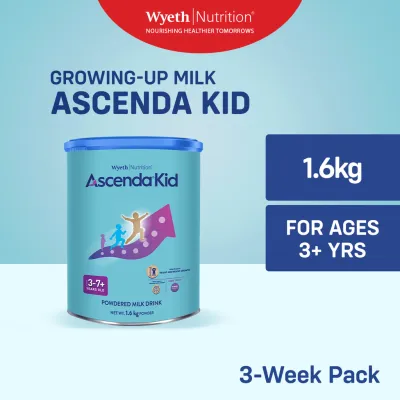
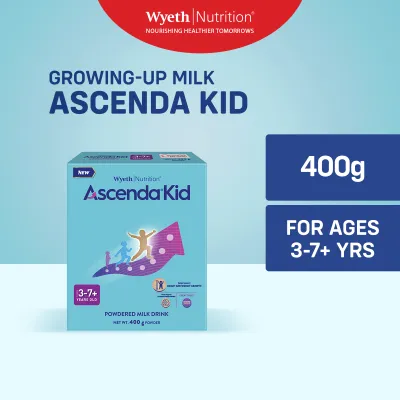

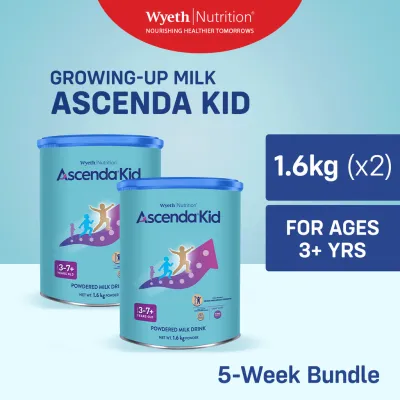
Prices are valid at publication and may change. Please refer to the product page for the latest price.
Comparing Nutritional Profiles and Key Ingredients
When comparing growing-up milks, looking past the front of the packaging and analyzing the nutrition facts panel and ingredient list is essential. Product formulations are updated periodically by manufacturers to reflect the latest pediatric research and food safety standards. Therefore, you should always check the physical label of the specific tin or box you are purchasing to verify the exact nutrient values and ingredient sources.

Understanding the primary nutritional focus of each brand allows you to align your purchase with your child’s physical development. Some children require more support for physical energy and bone density, others need help with sensitive digestion, and some may benefit from targeted cognitive nutrients. Examining these profiles side-by-side helps clarify which formula matches your child’s current growth priorities.
Nido: General Growth and Energy
Nido formulations designed for children aged 3 and older, such as Nido 3+, are engineered to support the high energy demands of active preschoolers. During this stage of rapid physical development, children require a steady supply of macronutrients and micronutrients to support bone growth, muscle development, and daily physical play. Nido typically features a robust combination of calcium, vitamin D, and high-quality proteins, which serve as the fundamental building blocks for strong bones and teeth.
When reviewing the Nido label, pay close attention to the fortification of iron, zinc, and vitamin C. These three nutrients work synergistically to support a healthy immune system and facilitate proper cognitive function. Iron is crucial for oxygen transport in the blood, while vitamin C enhances iron absorption in the body. Parents should check the daily value percentages on the packaging to understand how many servings are required to meet their child’s recommended daily intake, keeping in mind the child’s overall consumption of solid foods.
NAN: Digestive Health and Immunity
NAN growing-up milks, such as NAN Kid 4 or NAN Optipro, are formulated with a strong emphasis on digestive comfort and gut-associated immunity. A significant portion of a child’s immune system is housed within the gastrointestinal tract, making gut health a critical factor in overall well-being. NAN formulations often feature optimized protein blends that are easy for young digestive systems to break down, reducing the likelihood of mild stomach discomfort, bloating, or irregular bowel movements.
To support a healthy gut microbiome, NAN typically incorporates active probiotic cultures, such as Bifidobacterium lactis, alongside specific prebiotic fibers. These beneficial microorganisms help maintain a balanced digestive tract, which can enhance nutrient absorption and bolster the body’s natural defenses against common childhood infections. When examining the ingredient panel, look for these specific probiotic strains and prebiotic oligosaccharides to confirm their presence and understand how they contribute to your child’s digestive comfort.
Enfagrow: Brain and Cognitive Development
Enfagrow, particularly its Stage 4 formulations designed for children aged 3 and up, focuses extensively on supporting brain development and cognitive function. The brain undergoes significant growth and neural mapping during the preschool and early school years. To support this rapid cognitive expansion, Enfagrow highlights a blend of neuro-nutrients, with docosahexaenoic acid (DHA) serving as a key component of its nutritional profile.
DHA is an omega-3 fatty acid that serves as a primary structural component of the brain and retina. Alongside DHA, these formulations typically include other brain-supporting nutrients such as choline, iron, iodine, and taurine. Parents should verify the actual milligrams of DHA per serving listed on the nutrition facts table. Comparing these numbers against standard dietary recommendations for this age group can help you determine if the formula provides meaningful support, especially if your child does not regularly consume DHA-rich foods like fatty fish.
Specialized Alternatives: When to Consider Ascenda Milk 3 to 7
For children who have unique growth trajectories or highly selective eating habits, standard growing-up milks may not always provide sufficient support. This is where specialized options like ascenda milk 3 to 7 enter the decision-making process. Formulated specifically to address the needs of children experiencing growth faltering, picky eating, or recovery from illness, these specialized formulas offer a different nutritional density compared to standard retail milks.
Specialized formulas typically provide a higher caloric density per milliliter and a comprehensive blend of essential vitamins and minerals designed to support catch-up growth. They are engineered to ensure that even small volumes of milk deliver a concentrated dose of nutrition. However, because these products are highly specialized, they should not be introduced arbitrarily. Parents must consult a pediatrician or a qualified pediatric nutritionist to verify if a specialized growth milk is appropriate for their child, rather than self-diagnosing growth delays or nutritional deficiencies.
Age-Appropriateness, Taste, and Mixability
Selecting the Correct Stage
Using a milk formula that aligns with your child’s precise age group is vital for their safety and nutritional balance. Growing-up milks are carefully calibrated to meet the changing physiological needs of children as they transition from infancy to early childhood. For the 3 to 7 age range, you should look for products labeled as Stage 4 or explicitly designated for children aged 3 years and older.
Never feed infant formulas (Stage 1 or Stage 2) to children in this older age bracket, as the nutrient concentrations are designed for immature digestive systems and do not meet the nutritional demands of a preschooler. Conversely, introducing young toddler milks to older children may result in an imbalance of proteins and minerals. Always check the age indicators on the front of the packaging before making a purchase.
Taste Profiles and Child Acceptance
At ages 3 to 7, children have highly developed taste preferences and can be remarkably vocal about what they drink. The three brands differ noticeably in flavor and sweetness. Some formulations have a sweeter taste profile due to the inclusion of specific carbohydrates, which can make them highly appealing to picky eaters but may raise concerns for parents monitoring sugar intake. Other brands offer a more natural, milky, or plain flavor profile that mimics regular fresh milk.
Because children can easily reject a new milk based on flavor or aroma, committing to a large, expensive tin immediately is risky. A practical approach for parents in the Philippines is to purchase small trial packs, single-serve sachets, or the smallest available tin sizes (typically 350g or 400g) first. This allows your child to sample the taste and texture over a few days without committing to a significant financial investment or risking product waste.
Mixability and Safe Preparation in Tropical Climates
Properly preparing and storing powdered milk is critical to maintaining its nutritional value and ensuring food safety, particularly in the warm and humid climate of the Philippines. High humidity can cause milk powder to absorb moisture quickly once the container is opened, leading to clumping, nutrient degradation, and an increased risk of bacterial contamination. Always store opened tins or foil packs in a cool, dry pantry—never in the refrigerator, as the temperature fluctuation when opening and closing the fridge can introduce condensation inside the container.
When preparing the milk, always follow the manufacturer’s exact instructions regarding the scoop-to-water ratio. Using too much powder can strain your child’s kidneys and cause constipation, while using too little dilutes the nutrients and deprives them of essential calories. Use lukewarm, previously boiled water to dissolve the powder. Avoid using boiling water, as excessive heat can destroy heat-sensitive nutrients like vitamin C and kill the beneficial live probiotics found in digestive-focused formulas like NAN.
Evaluating Price and Value per Serving
Navigating Local Retail and Online Pricing
In the Philippine market, the cost of growing-up milk can vary significantly depending on where you shop. Prices fluctuate across physical supermarkets, local pharmacies, and official brand stores on online marketplaces. Standard brands like Nido generally represent the most budget-friendly tier, making them highly accessible for daily consumption. Premium options like NAN and Enfagrow occupy a higher price bracket, while specialized growth formulas like Ascenda sit at the top of the pricing scale.
Rather than assuming prices are static, parents can look for cost-saving opportunities. Purchasing from official flagship stores on e-commerce platforms during monthly sales events often yields substantial discounts. Additionally, buying in bulk or opting for larger box packaging (which contains multiple foil pouches) typically offers a lower cost per gram than buying individual small tins. Always ensure you are purchasing from authorized, official sellers to guarantee product authenticity and proper storage history.
Calculating the True Cost per Serving
Comparing the shelf price of two different tins of milk can be highly misleading. A cheaper tin may actually cost more in the long run if it requires larger scoop sizes or more frequent servings per day. To find the true value, parents should calculate the cost per serving using a simple three-step method:
- Identify the Serving Size in Grams: Check the nutrition label to see how many grams of powder make up one standard serving (e.g., 35 grams or approximately 4 scoops).
- Determine the Total Servings per Tin: Divide the net weight of the container (e.g., 900 grams) by the weight of a single serving. In this case, a 900g tin would yield approximately 25.7 servings.
- Calculate the Cost per Serving: Divide the purchase price of the tin by the total number of servings.
By comparing the resulting cost per serving across Nido, NAN, and Enfagrow, you can make a highly accurate financial comparison that reflects actual daily usage rather than raw package weight.
Decision Framework: Which Brand Should You Choose?
To make a confident final decision, parents should evaluate their child’s specific physical needs, digestive history, and behavioral patterns. Applying a conditional framework simplifies this choice by matching your child’s profile to the primary strength of each brand:
- Choose Nido if: Your child is highly active, has a robust digestive system, eats a reasonably varied diet, and you are looking for a trusted, cost-effective daily milk to support general physical growth, bone density, and everyday energy.
- Choose NAN if: Your child is prone to mild digestive issues such as occasional constipation, hard stools, bloating, or gas, and you want to prioritize gut health, easy protein digestion, and immune system support through active probiotics.
- Choose Enfagrow if: You want to focus specifically on cognitive development and dietary neuro-nutrients, your child does not regularly consume DHA-rich foods like fish, and they prefer the taste profile of this brand.
- Choose a specialized option like Ascenda if: Your child has been identified by a healthcare professional as needing targeted support for catch-up growth, is an extremely selective eater missing key nutritional milestones, or requires a higher caloric density.
Before introducing any new growing-up milk, parents must carefully verify if their child has any underlying food sensitivities. If your child has a diagnosed or suspected cow’s milk protein allergy, lactose intolerance, or any chronic medical condition, stop and consult your pediatrician immediately. Standard growing-up milks are not suitable for children with milk protein allergies, and specialized medical formulas must be selected under direct professional supervision.
Frequently Asked Questions (FAQ)
Can I mix different brands of milk together?
No, you should not mix different brands of powdered milk together in the same cup or bottle. Each brand is formulated with a precise ratio of nutrients, minerals, and proteins, and requires a specific scoop size and water volume to achieve the correct concentration. Mixing different powders can disrupt this balance, resulting in a solution that is either too concentrated or too diluted. This can put unnecessary strain on your child’s kidneys, lead to dehydration, or cause significant digestive upset.
If you need to switch your child from one brand of milk to another, the safest approach is to transition gradually over several days. Start by replacing just one full feed per day with the new brand, keeping the other feeds as the original milk. Over the course of a week, slowly increase the number of feeds using the new brand while phasing out the old one. This gradual transition allows your child’s digestive tract and taste buds to adapt comfortably to the new formulation.
Is milk still necessary for a 3 to 7 year old?
While growing-up milk is a highly convenient source of calcium, vitamin D, protein, and fortified micronutrients, it is not a strict biological necessity for children aged 3 to 7, provided they consume a highly varied and nutrient-dense diet of whole foods. If a child regularly eats a balanced selection of green leafy vegetables, fish, eggs, poultry, lean meats, and other dairy products like cheese or yogurt, they can obtain all their required nutrients without relying on powdered milk.
However, for many families, growing-up milk serves as a practical nutritional safety net. During periods of picky eating, busy school schedules, or fluctuating appetites, a daily serving of fortified milk helps ensure that gaps in micronutrient intake are covered. It should always be viewed as a supportive supplement to healthy meals rather than a primary source of daily calories.
How do I transition my child from infant formula to growing-up milk?
Transitioning your child from a toddler or infant formula to a Stage 4 growing-up milk should be done slowly to monitor for tolerance. Begin by introducing a small portion of the new milk during a time of day when your child is active and generally in a good mood, such as mid-morning. This makes it easier to observe how their body reacts to the change in formulation without disrupting their nighttime sleep.
During the transition period, which typically takes about a week, closely monitor your child for any physical changes. Watch for signs of digestive discomfort, such as loose stools, constipation, unusual gas, or abdominal pain. You should also look out for skin rashes, hives, or sudden changes in behavior. If you observe any adverse reactions, discontinue the new milk immediately and consult your pediatrician for guidance.

Community discussion
Share your experience or ask a question. Comments are reviewed before publication.