
Quick Answer: Which Formula Milk Fits Your Baby Best?
Choosing the right follow-on formula for your baby is one of the most critical decisions you will make during their first year. As your child transitions from early infancy options like bona 6 to 12, selecting the next step in their nutritional journey can feel overwhelming. To help you navigate the options, here is a quick, conditional framework based on the general product positioning of Nido, NAN, and Enfagrow:
- Choose Nido if you prioritize overall physical growth, immune support, and wide accessibility in local stores.
- Choose NAN if your baby has a sensitive stomach or is prone to mild digestive issues, and you prefer optimized, easy-to-digest protein structures.
- Choose Enfagrow (specifically the corresponding Stage 2 follow-on formula from its manufacturer) if you want to focus heavily on cognitive development and high concentrations of brain-building ingredients like DHA.
Ultimately, the absolute best formula milk depends entirely on your baby’s individual digestive tolerance, your pediatrician’s specific medical advice, and your family’s monthly budget. Because manufacturers frequently update their formulations, product names, and stage indicators, always verify the exact Stage 2 label on the physical packaging before purchasing to ensure it is designed for the 6-to-12-month age range.
What 6-12 Month Old Babies Need From Formula Milk
Between 6 and 12 months of age, your baby undergoes rapid physical and cognitive developmental milestones. During the first six months of life, infants rely on natural iron stores accumulated while in the womb. However, by the sixth month, these fetal iron stores begin to deplete rapidly, making external sources of iron absolutely essential to prevent iron-deficiency anemia and support healthy brain development.
Products mentioned in this guide
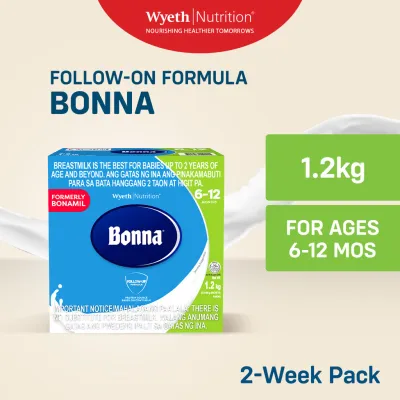
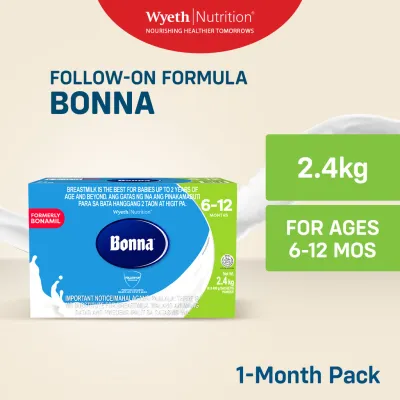

Prices are valid at publication and may change. Please refer to the product page for the latest price.

When evaluating any follow-on formula, you must look closely at the nutritional label for key ingredients that support this specific stage of growth. Essential nutrients to verify include iron for red blood cell production, calcium and vitamin D for strong bones and teeth, zinc for cellular growth and immune function, and Docosahexaenoic Acid (DHA) and Arachidonic Acid (ARA) for visual and cognitive development. Additionally, prebiotics and probiotics are highly beneficial at this stage to help establish a healthy gut microbiome as your baby begins to digest more complex compounds.
It is vital to remember that follow-on formula at this stage is designed to complement solid foods, not replace them entirely. This period marks the introduction of complementary feeding, where your baby learns to swallow, chew, and experience different textures. Because formula milk remains the primary source of nutrition, you must consider your baby’s total daily diet—balancing both milk intake and solid meals—to ensure they receive adequate, well-rounded nutrition without overloading their digestive system.
Nido, NAN, and Enfagrow: Stage 2 Product Lines
Understanding how each brand names and positions its products for the 6-to-12-month age bracket is essential for making an informed purchase. Manufacturers use specific naming conventions, often labeling these products as “Stage 2,” “Follow-on Formula,” or explicitly marking them for “6-12 months” on the front of the tin. Knowing these distinctions prevents you from accidentally purchasing a Stage 1 infant formula or a Stage 3 toddler milk.
Nido is widely recognized in the Philippines for its toddler and school-age milk options, such as Nido 3+. However, for the 6-to-12-month range, Nestlé offers specific follow-on formulas under its broader portfolio. Parents looking for Nido-branded options must carefully check local availability, as the brand’s primary focus in many regions is on children aged one year and older. If Nido Stage 2 is unavailable, parents often look to Nestlé’s sister brands, such as NAN, which are specifically formulated for infants under twelve months.
NAN, also produced by Nestlé, is highly regarded for its scientific focus on gentle digestion and premium protein quality. For babies aged 6 to 12 months, the brand offers NAN Optipro 2 and NAN Infinite Pro 2. These formulas are specifically positioned to support babies transitioning into solid foods by providing optimized protein levels that are easy on developing kidneys and digestive tracts.
Enfagrow, manufactured by Mead Johnson, is a household name associated with cognitive development. While “Enfagrow” is often used by parents as a blanket term for the brand, the specific product designed for the 6-to-12-month stage is Enfamil A+ Stage 2. This follow-on formula is formulated with a highly emphasized blend of brain-building nutrients, aiming to support the rapid neural connections occurring during your baby’s second half of their first year.
Because product lines, packaging designs, and formulations are subject to frequent updates by manufacturers, never rely solely on memory or generic brand names. Always inspect the physical packaging in-store or verify the product specifications on official online flagship stores to confirm the exact age suitability, weight limits, and manufacturer warnings.
Comparing the Core Nutritional Dimensions
To determine which formula is best suited for your baby, you must look past marketing claims and examine the actual nutritional facts. Comparing how Nido, NAN, and Enfagrow approach protein structures, brain development, and essential micronutrients will give you a clearer picture of their developmental benefits.
Protein Quality and Digestibility
The protein structure in formula milk plays a major role in how easily your baby digests their feeds. Cow’s milk naturally contains a higher ratio of casein to whey, which can be difficult for a young baby’s stomach to break down. Follow-on formulas alter this whey-to-casein ratio to mimic the easy-to-digest nature of breast milk, which is whey-dominant.
When comparing these brands, look at the ingredient list on the back of the tin. NAN Optipro 2 utilizes a patented optimized protein blend designed to deliver the right quantity and quality of proteins without overloading your baby’s digestive organs. Some variants, such as NAN H.A. (Hypoallergenic), feature partially hydrolyzed whey proteins, which are pre-broken down into smaller pieces to significantly reduce the likelihood of allergic reactions and digestive discomfort. Enfamil A+ Stage 2 also focuses on high-quality whey-to-casein ratios to ensure smooth digestion, while Nido’s follow-on options focus on robust protein structures to support rapid physical growth.
If your baby has been diagnosed with a cow’s milk protein allergy (CMPA), standard follow-on formulas from Nido, NAN, or Enfagrow are not suitable. Babies with CMPA require specialized, extensively hydrolyzed or amino acid-based formulas. These formulas must be prescribed strictly by a qualified pediatrician, and you should never attempt to manage an allergy by switching between standard commercial brands.
Brain Development and Immune Support
The second half of the first year is a golden window for cognitive and visual development. DHA and ARA are critical fatty acids that serve as structural building blocks for your baby’s brain and retina. Alongside these, prebiotics (such as GOS and FOS) and probiotics (such as Bifidobacterium lactis) are added to support gut-associated immunity, which makes up a significant portion of your baby’s overall immune system.
Enfamil A+ Stage 2 heavily emphasizes its high DHA and ARA content, positioning itself as a premium choice for cognitive support. NAN Optipro 2 and NAN Infinite Pro 2 counter this by offering a highly balanced blend of DHA and ARA, often paired with active probiotic cultures to support gut health and natural defenses. Nido’s follow-on formulations generally include essential fatty acids paired with immune-supporting vitamins to provide a broad foundation for physical and immune resilience.
While these added ingredients provide excellent support, their actual benefits depend heavily on your baby’s overall health, digestive absorption, and the introduction of nutrient-dense solid foods. To verify exactly what you are paying for, use this simple checklist when examining a formula tin:
- Locate the "Nutritional Information" or "Nutritional Facts" panel on the back of the can.
- Find the rows labeled DHA (Docosahexaenoic Acid) and ARA (Arachidonic Acid).
- Check the values listed per 100 grams of powder or per 100 kilocalories.
- Note the presence of specific prebiotics (like GOS, FOS, or HMOs) and active probiotics in the ingredient list.
- Compare these exact numbers across the tins to see which brand aligns with your pediatrician's recommendations.
Essential Micronutrients for Growth
Physical growth during the 6-to-12-month stage requires a steady supply of essential vitamins and minerals. Iron, calcium, and zinc are particularly crucial during this phase of rapid bone elongation, muscle development, and immune system maturation.
To compare these micronutrients effectively, you should look at the percentage of the Recommended Energy and Nutrient Intake (RENI) or local daily value guidelines provided per serving. Different brands balance these nutrients slightly differently to complement typical infant diets. For example, some formulas may offer higher iron concentrations to compensate for low-iron solid foods, while others may focus on calcium and phosphorus ratios to optimize bone mineralization.
Because exact values can vary based on regional manufacturing batches and product updates, you should verify these numbers directly from the physical cans available in your local store. Use the following comparison table as a template to write down and compare the values of the specific tins you are considering:
| Nutrient (per 100g or serving) | Nido Stage 2 / Follow-on | NAN Stage 2 (e.g., Optipro) | Enfagrow / Enfamil Stage 2 | Your Baby's Target (Consult Pediatrician) |
|---|---|---|---|---|
| Iron (mg) | [Verify on packaging] | [Verify on packaging] | [Verify on packaging] | [Write doctor's advice] |
| Calcium (mg) | [Verify on packaging] | [Verify on packaging] | [Verify on packaging] | [Write doctor's advice] |
| Zinc (mg) | [Verify on packaging] | [Verify on packaging] | [Verify on packaging] | [Write doctor's advice] |
| DHA (mg) | [Verify on packaging] | [Verify on packaging] | [Verify on packaging] | [Write doctor's advice] |
| ARA (mg) | [Verify on packaging] | [Verify on packaging] | [Verify on packaging] | [Write doctor's advice] |
Evaluating Cost, Value, and Availability
Feeding a growing baby can place a significant demand on your household finances. When comparing the cost of Nido, NAN, and Enfagrow, looking only at the retail price of the tin can be highly misleading. Instead, you should calculate the actual “price per serving” or “price per 100g” to understand the true long-term cost.
To calculate the price per serving, identify the total weight of the powder in the tin (e.g., 800g or 900g). Next, check the manufacturer’s feeding table to find the weight of a single scoop of powder and the number of scoops required per bottle. By dividing the total weight of the tin by the weight of a single serving, you will find the total number of servings per tin. Finally, divide the retail price of the tin by the total number of servings. This calculation is essential because scoop sizes and water-to-powder ratios vary between brands; a cheaper tin with larger scoop requirements may actually cost more per feed than a slightly more expensive tin with smaller scoop requirements.
In the Philippines, these brands fall into different price tiers. Nido and Nestlé’s entry-level follow-on formulas generally represent the budget-friendly to mid-range tier, making them highly accessible for daily use. NAN Optipro and Enfamil A+ sit in the premium tier, reflecting their specialized protein technologies and high DHA concentrations.
All three brands are widely available in major physical supermarkets such as SM Supermarket, Robinsons Supermarket, and Puregold, as well as leading national drugstores like Mercury Drug and Watsons. They are also sold on major online marketplaces. When purchasing online, you must prioritize safety by buying exclusively from official brand flagship stores or authorized digital distributors. Counterfeit infant formulas are a severe health hazard; buying from unverified third-party sellers to save money puts your baby at risk of consuming unsafe, unregulated ingredients.
Safe Preparation and Storage in a Tropical Climate
Preparing and storing formula milk in the Philippines requires extra care due to the country’s high humidity and warm tropical temperatures. These environmental conditions create an ideal breeding ground for harmful bacteria, making strict hygiene practices absolutely mandatory.
When preparing a bottle, always start by washing your hands thoroughly with soap and clean water. Ensure that all bottles, nipples, caps, and preparation utensils have been thoroughly washed and sterilized, either using a steam sterilizer or by boiling them in water for at least five minutes. Boil clean, safe drinking water and let it cool down to the temperature specified on the manufacturer’s label. Many health organizations recommend using water that has cooled to no less than 70°C to kill any potential bacteria present in the powder, though you must always check your specific brand’s packaging for precise temperature instructions to avoid destroying heat-sensitive nutrients like probiotics.
Once a bottle of formula is prepared, you must strictly adhere to the 2-hour rule. Any prepared formula that has not been consumed within two hours must be discarded immediately. Never save leftover formula from a half-finished bottle for a later feed; bacteria from your baby’s saliva enter the bottle during feeding and multiply rapidly in the warm, humid tropical air, which can lead to severe gastrointestinal infections.
Proper storage of the dry formula powder is equally critical. Keep opened tins in a cool, dry place away from direct sunlight, such as a pantry shelf. Never store opened formula tins in the refrigerator, as the high humidity inside the fridge can cause the powder to clump, absorb moisture, and spoil prematurely. Always check the manufacturer’s instructions on the label regarding how quickly the powder must be used after opening—typically within three to four weeks—and write the date of opening clearly on the lid to keep track.
Final Selection Rules for Parents
To make the final decision with confidence when standing in the store aisle or browsing online, follow these three practical rules:
- Rule 1: Consult your pediatrician first. Before switching brands or introducing a new follow-on formula, seek professional medical guidance. Your pediatrician can evaluate your baby's growth chart, digestive history, and specific nutritional needs to recommend the safest option.
- Rule 2: Buy a small pack first. Do not buy formula in bulk or purchase large multi-packs initially. Purchase the smallest available tin or box to test your baby's tolerance, taste acceptance, and digestive reaction first.
- Rule 3: Monitor your baby closely. After introducing the new formula, closely monitor your baby's physical reactions. Watch their stool consistency, look for skin rashes or eczema flare-ups, and note any changes in behavior such as excessive fussiness or spitting up. If you observe any adverse reactions, stop using the formula immediately and consult your pediatrician.
Frequently Asked Questions (FAQ)
Can I mix different brands of formula milk in one bottle?
No, you should never mix different brands or different stages of formula milk together in a single bottle. Every formula is scientifically designed with a highly specific nutrient concentration, scoop size, and osmolarity. Mixing different powders alters the precise water-to-powder ratio, which can result in a mixture that is either too concentrated or too diluted. This can place a dangerous strain on your baby’s developing kidneys, lead to severe dehydration, or cause digestive issues. If you need to transition your baby from one brand to another, do so gradually by alternating separate feeds over several days, strictly under the guidance of your pediatrician.
How do I know if my baby is intolerant to a specific formula?
Common signs of formula intolerance in infants include excessive or painful gas, persistent vomiting (which is different from mild spit-up), frequent watery stools or diarrhea, severe constipation with hard stools, blood or mucus in the stool, unexplained skin rashes or hives, and extreme irritability or crying during or immediately after feeding. Because these symptoms can also be triggered by other common occurrences—such as teething, minor viral infections, or the introduction of new solid foods—you should never self-diagnose. Always consult your pediatrician for a professional medical evaluation if you suspect your baby is struggling with their current formula.
Is it necessary to use formula milk if my baby is already eating solid foods?
Yes, milk remains the primary and most essential source of nutrition for babies between 6 and 12 months of age. While introducing solid foods is crucial for sensory development and learning to chew, solids do not yet provide the concentrated calories, essential fatty acids, and balanced vitamins and minerals that your baby needs to thrive. Breast milk or follow-on formula milk must continue to supply the majority of your baby’s daily liquid nutrition and caloric intake. You should consult your pediatrician to determine the appropriate daily volume of formula your baby requires alongside their solid meals as they grow.
Community discussion
Share your experience or ask a question. Comments are reviewed before publication.