
Choosing the right powdered milk for your child is a decision that directly impacts their growth, comfort, and daily energy. With prominent options like Nido, NAN, and Enfagrow lining the shelves, it is easy to feel overwhelmed by the variety of stages, formulations, and nutritional claims. The most suitable choice is not a matter of finding a single “best” brand, but rather matching a specific product’s formulation to your child’s precise age, digestive tolerance, and developmental needs.
Each of these three brands occupies a distinct niche in the pediatric nutrition landscape. NAN is widely recognized for its focus on early infancy and sensitive digestive systems, offering highly specialized starter and follow-on formulas. Enfagrow primarily targets the active toddler and preschool years, emphasizing cognitive development and immune support through fortified growing-up milks. Nido is a staple for older children and general family use, providing cost-effective, fortified milk powders designed to complement a solid food diet.
To make an informed decision, parents must learn to look past marketing slogans and focus on the nutritional facts panel, ingredient lists, and age-grading labels. This guide establishes a practical framework to help you evaluate these brands, understand your child’s changing nutritional requirements, and safely navigate transitions between different milk stages.
Products mentioned in this guide
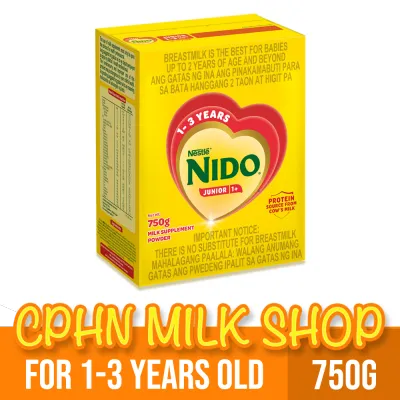

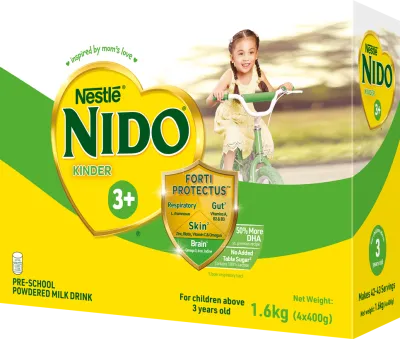

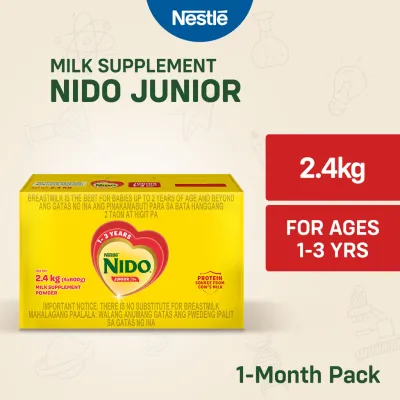
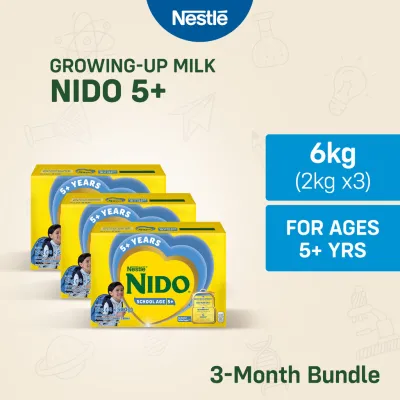
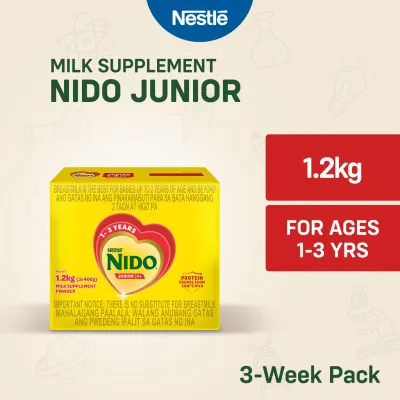
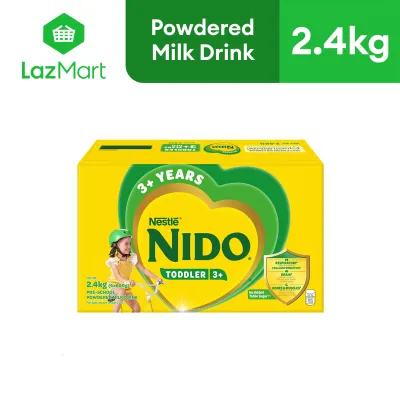
Prices are valid at publication and may change. Please refer to the product page for the latest price.
Understanding Age-Specific Nutritional Needs
During the first few years of life, a child’s nutritional requirements undergo rapid and dramatic shifts. In infancy, which spans from birth to twelve months, breast milk or specialized infant formula serves as the sole source of nutrition. During this stage, the digestive system is highly delicate, requiring easily digestible proteins, essential fatty acids, and precise ratios of vitamins and minerals to support rapid brain and organ development.
As children transition into toddlerhood, between one and three years of age, their physical growth slows slightly, but their cognitive, motor, and social activities accelerate. This stage introduces a wider variety of solid foods, meaning that milk transitions from being the primary source of nourishment to a supportive beverage. Toddlers require adequate amounts of iron to prevent anemia, calcium and vitamin D for bone development, and docosahexaenoic acid (DHA) to support ongoing brain development.
By the time children reach preschool and school age, typically three years and older, their dietary patterns closely resemble those of the rest of the family. At this stage, the primary role of powdered milk is to fill potential nutritional gaps in a diet that may occasionally be affected by picky eating. Key nutrients of focus include calcium for skeletal strength, zinc and vitamin C for immune defense, and high-quality protein to support muscle growth and daily physical activity.
Understanding these developmental milestones helps parents recognize that a milk powder designed for a school-aged child is entirely unsuitable for an infant. Conversely, continuing to feed an older child a highly specialized infant formula may not provide the appropriate balance of macronutrients and minerals required for their active lifestyle. Recognizing when and how these nutritional needs shift is the first step in selecting the correct product.
Comparing Nido, NAN, and Enfagrow: What to Check on the Label
Evaluating powdered milk requires a close inspection of the product packaging, specifically the ingredient list and the guaranteed analysis table. The first few ingredients listed represent the highest proportion of the product by weight. Parents should check whether the milk base consists of whole milk, skimmed milk, or demineralized whey, as this affects both the fat content and the ease of digestion for sensitive tummies.

Another critical factor to examine is the presence and type of carbohydrates or sweeteners. While lactose is the naturally occurring sugar in cow’s milk, some growing-up milks and toddler formulas contain added sugars such as sucrose, corn syrup solids, or maltodextrin to enhance flavor or texture. Checking the label allows you to select options with minimal or no added sugars, helping to establish healthy dietary habits early on and protecting developing teeth from decay.
Fortification levels vary significantly across Nido, NAN, and Enfagrow variants. When comparing labels, look at the specific amounts of DHA, iron, zinc, and vitamins per serving rather than just checking if they are present. For instance, some formulations may highlight brain development and feature higher levels of DHA, while others might focus on physical growth with elevated levels of calcium and vitamin D.
Additionally, parents must verify the exact age grading and stage numbers printed clearly on the front of the packaging. Manufacturers use distinct numbering systems—such as Stage 1 for infants, Stage 2 for older infants, Stage 3 for toddlers, and Stage 4 for preschoolers—to signal compliance with age-specific food standards. Always cross-reference these stage numbers with the age ranges specified on the label, as these classifications can vary slightly between different brands and product lines.
Finally, compare the preparation instructions, scoop sizes, and recommended daily servings. Different powders have unique densities, meaning that one brand may require more scoops per fluid ounce of water than another. Understanding these mixing ratios is essential for calculating the actual cost per serving and ensuring your child receives the intended concentration of nutrients without overloading their kidneys or digestive tract.
Matching the Brand to Your Child's Developmental Phase
To simplify your decision-making process, it helps to view Nido, NAN, and Enfagrow through the lens of their primary developmental targets. While there is some overlap, each brand has built its reputation around specific age brackets and nutritional philosophies.
Consider NAN if your child is in the infancy stage, from birth up to twelve months. Developed by Nestlé, the NAN product line is highly regarded for its focus on early-stage infant nutrition and digestive comfort. Many NAN formulations feature partially hydrolyzed proteins, which are broken down into smaller pieces to make digestion easier for sensitive infant tummies. If your pediatrician recommends a starter or follow-on formula, the NAN range offers highly regulated options designed to mimic the nutritional profile of breast milk as closely as possible.
Consider Enfagrow if your child has transitioned into toddlerhood or the preschool years, specifically from one to three years and beyond. Produced by Mead Johnson, Enfagrow is heavily marketed around cognitive development, featuring proprietary blends that often include high levels of DHA and dietary fibers like polydextrose and galactooligosaccharides (GOS). If your primary goal is to support brain development and immune health during these highly active learning years, Enfagrow’s growing-up milks provide targeted nutrient levels tailored for toddlers.
Consider Nido if your child is three years or older, or if you are looking for a fortified milk powder that can serve the needs of school-aged children and the wider family. Nido, another Nestlé brand, is highly popular for its accessibility, pleasant taste, and robust fortification of micronutrients like iron, zinc, and vitamin C. It is generally positioned as a cost-effective, everyday milk drink that helps fill nutritional gaps in children who are already consuming a diverse diet of solid foods.
Before making a final choice, always verify the specific product SKU and check for any manufacturer updates. Formulations can change, and localized variants may have different ingredients or age recommendations depending on regional dietary guidelines. If your child has a diagnosed medical condition, a history of allergies, or specific dietary restrictions, these general brand profiles should serve only as a starting point for a detailed discussion with your pediatrician.
Digestive Tolerance, Allergies, and Safety Boundaries
Even the most premium milk formulation will not benefit your child if their digestive system cannot tolerate it. When introducing a new brand or transitioning to a subsequent stage, monitor your child closely for signs of intolerance or allergy. Common indicators of a cow’s milk protein allergy or lactose intolerance include persistent loose stools, excessive gas, abdominal bloating, skin rashes, hives, or frequent vomiting.
Proper preparation and storage are critical to maintaining the safety and nutritional integrity of powdered milk, especially in warm and humid tropical climates. High humidity can cause milk powder to clump and spoil rapidly once the tin is opened. Always store the container in a cool, dry place—never in the refrigerator—and ensure the lid is tightly sealed after every use. Use only the scoop provided in the specific tin, and ensure it is completely dry before returning it to the container.
When preparing a bottle or cup, always use clean, sterilized utensils and safe drinking water. If you are boiling water, allow it to cool to a safe, lukewarm temperature before mixing in the powder to avoid destroying heat-sensitive vitamins and beneficial probiotics. Never alter the water-to-powder ratio recommended by the manufacturer unless explicitly instructed to do so by a qualified healthcare professional, as over-diluting can lead to malnutrition, while under-diluting can cause dehydration and strain your child’s kidneys.
If your child exhibits any adverse reactions after consuming a new milk powder, stop using the product immediately and consult your pediatrician. It is also important to remember that for children over the age of one, powdered milk should function as a supplement to a balanced diet, not a replacement for solid foods. Relying too heavily on milk can fill a toddler’s stomach, reducing their appetite for iron-rich solid foods and potentially leading to nutritional imbalances.
Frequently Asked Questions (FAQ)
Can I mix different milk brands or stages in the same bottle?
Mixing different milk brands or stages in a single serving is generally not recommended. Each product is formulated with a precise balance of proteins, fats, and minerals designed to be dissolved in a specific volume of water. Combining different powders can alter this delicate balance, potentially leading to digestive upset, constipation, or an improper concentration of nutrients that can strain your child’s developing kidneys. If you are transitioning from one brand or stage to another, it is safer to do so gradually by replacing one full feeding at a time over several days.
When should I switch my child to the next milk stage?
The transition to the next milk stage should be guided by your child’s age, physical development, and the specific recommendations on the product label. Most brands align their stages with key milestones, such as transitioning at six months, twelve months, or three years. However, age is not the sole factor; your child’s digestive readiness and overall solid food intake also play crucial roles. Always consult your pediatrician before moving to a new stage to ensure your child’s digestive system is ready for the altered protein and mineral levels.
How do I know if the new milk brand is working for my child?
A milk brand is generally considered a good fit if your child tolerates it well without physical discomfort. Positive indicators include consistent weight gain along normal growth curves, steady energy levels, and regular, soft stool patterns. Conversely, signs that a brand may not be suitable include frequent spitting up, excessive fussiness or crying after feeding, hard or watery stools, and skin irritations. If you observe any of these negative signs, consult a healthcare professional to discuss alternative options.
Community discussion
Share your experience or ask a question. Comments are reviewed before publication.