
When your child reaches three years old, their nutritional needs undergo a significant shift. They are no longer infants relying solely on liquid nutrition; instead, they are active, curious toddlers exploring a wider variety of family foods. Choosing between prominent growing-up milk brands like Nido Jr 3 Plus, NAN (such as NAN Optipro 3), and Enfagrow (such as Enfagrow A+ Four) is a common dilemma for parents in the Philippines. Each of these brands targets different developmental priorities, and finding the most suitable option requires looking beyond eye-catching packaging to understand what your specific child needs.
The most suitable choice among these three brands depends entirely on your toddler’s unique dietary gaps, physical tolerance, taste preferences, and your household budget. Nido Jr 3 Plus is a highly accessible, budget-friendly option that provides a solid foundation of essential vitamins and minerals with a rich, creamy taste that most local toddlers easily accept. NAN formulas focus on advanced protein processing and digestive comfort, making them a strong consideration for toddlers with sensitive tummies or those who benefit from specific probiotic strains. Enfagrow is widely recognized for its emphasis on brain-development nutrients, featuring higher levels of Docosahexaenoic Acid (DHA) and other cognitive co-factors, which appeals to parents prioritizing early learning support.
At three years of age, growing-up milk is classified as a nutritional supplement rather than a complete meal replacement. Your toddler should be obtaining the vast majority of their daily calories, fiber, and macronutrients from a diverse diet of solid foods, including fruits, vegetables, grains, and meats. Growing-up milk is designed to act as a safety net, filling in the nutritional blanks when picky eating habits or busy schedules get in the way of a perfectly balanced plate.
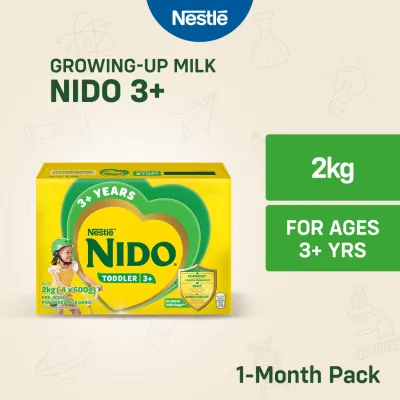
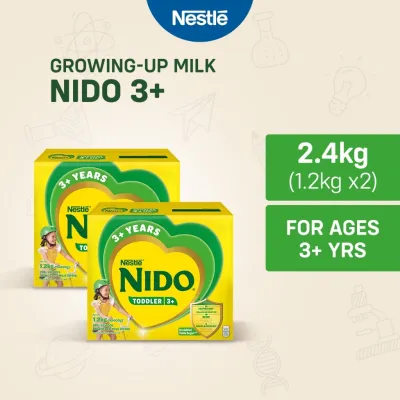
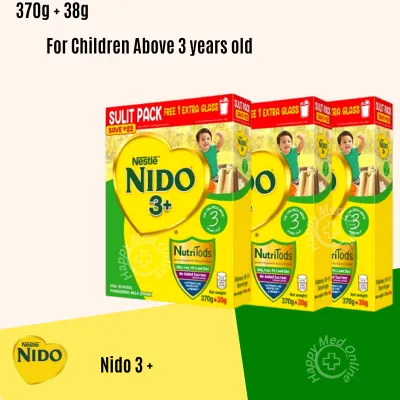
Products mentioned in this guide

![[ONLINE EXCLUSIVE] NIDO JUNIOR 1+ Milk Supplement Powder for Children 1-3 Years Old 4kg](https://img.lazcdn.com/g/p/346169b16d6126178676b1f57c9aec63.jpg_400x400q80.jpg_.webp)
Prices are valid at publication and may change. Please refer to the product page for the latest price.
Nutritional Showdown: What to Look for on the Label
Evaluating toddler milk requires a close look at the nutrition facts panel and the ingredient list. Because formulations are updated frequently by manufacturers to align with the latest pediatric research, relying on historical assumptions is not enough. Parents must learn to decode the specific values and ingredients listed on the back of each tin.
Macronutrients and Energy
Active three-year-olds playing in a warm, tropical climate require balanced energy to fuel their daily physical activities. When comparing labels, look at the energy value, which is usually measured in kilocalories (kcal) per serving or per 100 grams of powder. Pay close attention to the protein and fat content. Protein is vital for tissue repair and muscle development, but the source and quality of the protein matter just as much as the quantity.
Verify whether the protein is partially hydrolyzed or optimized for easier digestion, as seen in some specialized formulations. Additionally, check the carbohydrate sources on the label. Some brands use lactose as the primary carbohydrate, which mimics the natural sugars found in breastmilk, while others may add sucrose or corn syrup solids to enhance sweetness. If you prefer to limit your child’s intake of added sugars to encourage healthier long-term dietary habits, look for variants that list lactose as the primary carbohydrate and avoid those with high amounts of added sucrose.
Bone and Muscle Support (Calcium & Vitamin D)
During the toddler years, skeletal growth is rapid, requiring a steady supply of calcium and Vitamin D working in tandem. Calcium is the primary building block for strong bones and teeth, while Vitamin D acts as the key that unlocks calcium absorption in the gut. Without adequate Vitamin D, even a high-calcium diet cannot be fully utilized by your child’s body.
When examining the nutrition facts panel, compare the percentage of the Recommended Energy and Nutrient Intakes (RENI) or the Daily Value (%DV) for both calcium and Vitamin D. In the Philippines, where indoor play is common during hot mid-day hours or rainy seasons, ensuring your toddler receives sufficient Vitamin D through their diet is particularly important. Look for a balanced ratio where both nutrients are well-represented, and ensure that the serving size aligns with what your child actually consumes.
Immunity and Gut Health
A significant portion of a child’s immune system is housed within their digestive tract. Consequently, maintaining a healthy balance of gut microbiota is essential for overall systemic immunity. Manufacturers address this through different combinations of prebiotics, probiotics, and essential micronutrients.
Probiotics are live, beneficial microorganisms that actively populate the gut. NAN formulations are highly regarded for incorporating specific, clinically studied probiotic strains, such as Bifidobacterium lactis or Lactobacillus reuteri. Prebiotics, on the other hand, are non-digestible food fibers that nourish the beneficial bacteria already present in the gut. Look for ingredients like Galacto-oligosaccharides (GOS) and Fructo-oligosaccharides (FOS) on the ingredient lists of Enfagrow and Nido variants. A combination of these fibers helps support soft stools and comfortable digestion, which is a common concern for parents of toddlers transitioning to solid foods.
Cognitive Support (DHA/ARA/Iron)
The third year of life is a period of intense cognitive development, language acquisition, and motor skill refinement. Iron is a critical nutrient during this stage, as it is essential for oxygen transport in the blood and supports healthy brain function. Iron deficiency in toddlers can lead to fatigue and developmental delays, making it a key mineral to verify on any milk label.
Docosahexaenoic Acid (DHA) and Arachidonic Acid (ARA) are omega-3 and omega-6 fatty acids that serve as structural components of the brain and retina. Enfagrow has built a strong reputation around its focus on brain development, often highlighting higher concentrations of DHA and supporting nutrients like choline and iron. While Nido Jr 3 Plus and NAN also contain DHA and iron, the exact concentrations differ. Turn the tin around and compare the actual milligrams of DHA per serving to determine which product aligns best with your child’s developmental goals.
Taste and Mixability: Winning Over Picky Toddlers
The most nutritionally advanced formula in the world will not benefit your child if they refuse to drink it. Sensory attributes, preparation convenience, and transition strategies play a massive role in whether a milk brand succeeds in your household.

Flavor Profiles
Toddlers have highly sensitive taste buds, and their flavor preferences can be incredibly specific. Nido Jr 3 Plus is famous for its rich, creamy, and distinctively milky flavor. This familiar taste profile has been popular in Filipino households for generations, making it highly appealing to children who prefer a traditional, comforting milk flavor.
Enfagrow typically offers a clean, mild flavor profile, often available in vanilla or plain variants. The vanilla option is highly palatable for toddlers who enjoy a slightly sweeter, aromatic taste, though some parents prefer the plain version to avoid conditioning their child’s palate to sweetened drinks. NAN formulas are generally characterized by a lighter, more neutral, and less sweet taste. This neutral profile is highly beneficial if you want to transition your child smoothly from breastmilk or if you want to prevent them from developing a strong preference for sugary beverages.
Mixability and Clumping
Preparing a bottle or cup of milk should be a quick, hassle-free process, especially during busy mornings or late-night routines. The ease with which a powder dissolves in water is a key practical consideration. Powders that clump easily can block bottle nipples or leave a thick residue at the bottom of the cup, resulting in an inconsistent nutrient delivery.
To preserve the integrity of heat-sensitive nutrients, such as the live probiotics in NAN or delicate vitamins in Nido and Enfagrow, always use lukewarm or room-temperature water. Avoid using boiling water, as extreme heat denatures proteins and kills beneficial bacteria. When testing a new brand, observe how well the powder disperses. A high-quality powder should dissolve smoothly with minimal shaking or stirring, leaving no stubborn clumps behind.
Transitioning Strategies
If you are switching your three-year-old from breastmilk, an infant formula, or a different brand of growing-up milk, a sudden change can cause digestive protest or outright refusal. A gradual transition plan allows your child’s digestive system and taste buds to adapt comfortably.
- Days 1 to 3: Mix 75% of the old milk with 25% of the new milk in a single serving.
- Days 4 to 6: Move to a 50:50 ratio of old and new milk.
- Days 7 to 9: Use 25% of the old milk and 75% of the new milk.
- Day 10 onwards: Complete the transition to 100% of the new milk.
Keep the serving temperature consistent with what your toddler is already accustomed to. In the hot and humid climate of the Philippines, some toddlers prefer their milk slightly chilled, while others find comfort in a warm cup before bedtime.
Brand Trust, Availability, and Cost-Per-Serving
Managing household expenses while ensuring your child receives quality nutrition requires a practical look at brand heritage, product sourcing, and long-term costs.
Brand Heritage and Manufacturing
Both Nestlé (the parent company of Nido and NAN) and Mead Johnson (the manufacturer of Enfagrow) are established global leaders in pediatric nutrition. These companies operate under strict international quality control standards and have a decades-long presence in the Philippines. Their products are registered with local regulatory bodies, ensuring they meet the safety and nutritional standards required for growing children.
Accessibility and Safe Purchasing
All three brands are widely distributed across the Philippines. You can easily find them in major supermarkets, neighborhood grocery stores, chain pharmacies, and official brand stores on reputable online marketplaces. However, the rise of unauthorized online sellers presents a risk of counterfeit or poorly stored inventory.
Always purchase toddler milk from official flagship stores or authorized retail partners. Milk powder stored in hot, humid, or unventilated warehouses can degrade rapidly, compromising the quality of the fats and vitamins inside. Inspect the physical packaging upon delivery; ensure the safety seal is intact, the tin is not dented, and the expiration date is clearly printed and valid for several months.
Cost-Per-Serving Evaluation
Comparing the retail price of a tin of milk can be misleading, as package sizes and recommended scoop ratios vary significantly between brands. To find the true economic impact on your monthly budget, you must calculate the cost per serving.
To perform this calculation, check the net weight of the tin (for example, 1.2 kilograms) and locate the preparation instructions to find the weight of a single scoop in grams. Multiply the number of recommended scoops per serving by the weight of one scoop to find the total grams of powder used per cup. Divide the total weight of the tin by this single-serving weight to determine how many servings are contained in one package. Finally, divide the retail price of the tin in Philippine Pesos (₱) by the total number of servings. Generally, Nido Jr 3 Plus sits in a highly accessible, budget-friendly price band, while NAN and Enfagrow occupy premium tiers due to specialized processing and high-dose specialized ingredients.
The Final Verdict: A Parent’s Decision Checklist
Before making your final purchase, use this practical checklist to ensure a safe, informed, and successful transition for your three-year-old.
- Verify the Age Label: Double-check that the packaging is explicitly designed for children aged three and above. Look for designations like "Step 3," "Junior," or "3+" on the label. Formulations designed for younger infants are not appropriate for toddlers and can lead to nutrient imbalances.
- Consult Your Pediatrician: Always discuss dietary changes with your child's pediatrician, especially if your toddler has a history of food allergies, cow's milk protein allergy, lactose intolerance, or specific growth concerns. A professional medical assessment is irreplaceable.
- Start with a Trial Pack: Avoid buying large bulk boxes or multi-packs initially. Purchase the smallest available tin or pouch to test your child's acceptance of the taste and to observe how their digestive system responds.
- Observe and Monitor: Once you introduce the new milk, monitor your toddler closely for two to three weeks. Watch for changes in stool consistency, digestive comfort (such as excessive gas or bloating), skin reactions (like rashes or hives), and general behavior. If you observe any adverse symptoms, stop using the product immediately and seek medical advice.
Frequently Asked Questions (FAQ)
Can I mix Nido Jr 3 Plus, NAN, and Enfagrow together in one bottle?
You should never mix different brands of growing-up milk or formulas together in the same serving. Each brand is scientifically formulated with a precise powder-to-water ratio designed to achieve a specific osmolarity and nutrient concentration. Mixing different powders alters this delicate balance, which can cause digestive distress, constipation, or improper hydration. Stick to one brand per feeding to ensure your child receives a safe and balanced serving.
How many servings of growing-up milk should a 3-year-old drink daily?
Pediatric guidelines generally recommend that a healthy three-year-old consume no more than 2 to 3 servings of milk per day, which equates to approximately 400 to 500 milliliters in total. Consuming more than this can overfill your toddler’s stomach with liquid, reducing their appetite for solid foods. Because solid foods are the primary source of essential nutrients, iron, and dietary fiber at this stage of development, milk should remain a supplement rather than the main focus of their daily diet. Always consult your pediatrician to customize these limits to your child’s specific growth chart and dietary intake.
Community discussion
Share your experience or ask a question. Comments are reviewed before publication.