
Choosing the right growing-up milk for your three-year-old child involves balancing nutritional benefits, digestive tolerance, and your family budget. While Nido 3+, NAN 3, and Enfagrow A+ are all popular options in the Philippines, they cater to different developmental priorities. The best choice depends on whether your child needs general growth support, a formula that is gentle on a sensitive tummy, or specific nutrients associated with cognitive development.
As toddlers transition from babyhood to active childhood, their nutritional needs change significantly. At three years old, children are rapidly developing their motor skills, exploring their environments, and experiencing cognitive leaps. While solid foods should now be their primary source of nutrition, growing-up milks serve as a practical supplement to ensure they receive adequate vitamins and minerals during this critical growth phase.
Understanding the Core Differences in Growing-Up Milks
As toddlers reach three years of age, their nutritional requirements shift to support rapid physical growth, active play, and cognitive milestones. Growing-up milks are formulated to bridge the gap between solid foods and daily nutritional needs, but each brand emphasizes a slightly different developmental area. Understanding these core differences helps you align your purchase with your child’s specific growth stage.
Products mentioned in this guide
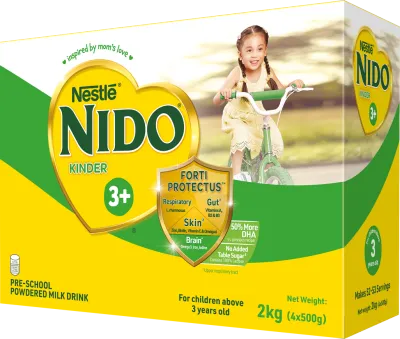
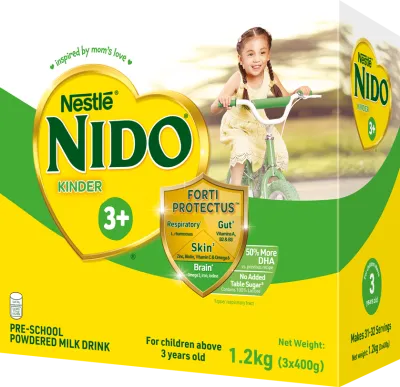
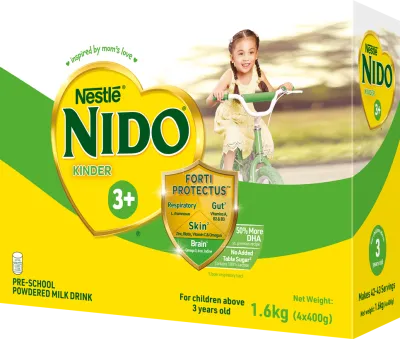

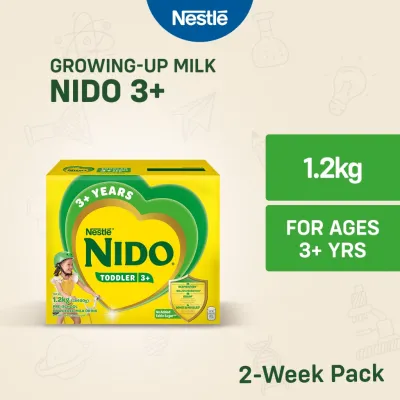
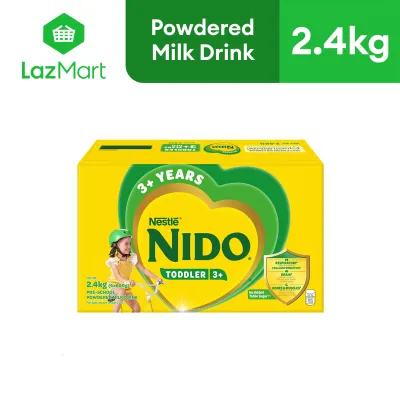
Prices are valid at publication and may change. Please refer to the product page for the latest price.
Nido 3+ is widely recognized as a general-purpose growing-up milk designed to support everyday physical growth, bone development, and immune health. It is typically fortified with essential vitamins and minerals like calcium, vitamin D, and zinc, making it a popular choice for active toddlers who need reliable daily nutritional supplementation. This option is often positioned as an all-around partner for a child’s active, everyday adventures, especially in tropical climates where outdoor play demands robust physical resilience.
NAN 3 is frequently formulated with a strong focus on digestive comfort and gut health. It often contains specific probiotic strains or prebiotics designed to support a healthy gut flora and make digestion easier for young children. If your toddler is prone to minor tummy issues, irregular bowel movements, or needs a gentler option to support comfortable digestion, this brand is generally positioned to address those specific needs.
Enfagrow A+ is commonly marketed with a distinct emphasis on cognitive and brain development. Its formulation typically highlights ingredients like DHA, iron, and other micronutrients that are closely linked to brain function and visual development. Parents who want to prioritize nutritional support for their child’s learning, memory, and cognitive milestones as they prepare for preschool often look toward this option.
Because manufacturers frequently update their recipes, ingredient sources, and nutritional claims, it is essential to verify the current formulation on the actual product packaging before buying. Checking the label ensures you have the most up-to-date information on what you are serving your child, as formulations can vary over time.
How to Compare Nutritional Labels for Toddlers
Reading the back of a milk tin can feel overwhelming with the long list of scientific terms and percentages. However, focusing on a few key macronutrients and micronutrients can simplify the comparison process. A systematic approach to the nutritional label allows you to see exactly what each serving delivers to your growing toddler.

Start by checking the protein and calcium levels, which are fundamental for supporting your child’s ongoing bone and muscle growth. At three years old, children are highly active, and their skeletal systems require consistent calcium intake to build strong bones. Compare the amount of these nutrients per serving across the three brands to see which one aligns best with your child’s daily dietary intake.
Next, look closely at the specific added ingredients, such as DHA, prebiotics, probiotics, iron, and zinc. Compare the stated amounts of these functional ingredients per serving rather than just looking at their presence on the front of the tin. Some brands may include higher concentrations of specific fatty acids, while others might focus more on immune-supporting minerals or gut-friendly fibers.
It is also crucial to compare the sugar content and carbohydrate sources listed on the label. Some growing-up milks contain added sugars or flavorings to make them more appealing to toddlers, which can sometimes lead to an excessive preference for sweet tastes. Checking the ingredient list for sucrose, corn syrup solids, or other sweeteners helps you manage your child’s daily sugar intake and support long-term dental health.
Finally, pay close attention to the recommended serving size and the suggested daily limits printed on the packaging. Overconsumption of milk can fill up a toddler’s small stomach, leaving little room for the solid foods that should make up the bulk of their diet. Following the manufacturer’s serving guidelines ensures your child receives balanced nutrition without overindulging in liquid calories.
Evaluating Cost and Value Across Brands
While nutrition is the primary concern, managing household expenses is a practical reality for most families. Comparing the upfront price of a tin or box of milk can be misleading because packaging sizes and serving recommendations vary significantly. To find the true value, you need to look beyond the retail price tag.
Begin by checking the net weight of the tin or refill pack and the stated number of servings per container. A larger package might seem more expensive initially, but it often provides a lower cost per gram. Refill packs, which are common in local supermarkets, are also generally more economical than rigid metal tins and can be transferred to clean, airtight containers at home.
To make a fair comparison, calculate the cost per serving for Nido 3+, NAN 3, and Enfagrow A+ based on your local retail prices. Divide the total price of the package by the number of servings it contains. This simple calculation reveals the actual daily cost of feeding, allowing you to see which brand fits comfortably into your monthly budget over the long term.
Consider the availability of each brand in your local supermarkets, pharmacies, and trusted online marketplaces. Opting for a brand that is widely available prevents the stress of running out of milk unexpectedly. Some parents also look for bulk buying options or official store subscriptions on ecommerce platforms to secure better value and convenient delivery.
Ultimately, the child’s acceptance is the most critical factor in determining value. An expensive, highly fortified milk offers poor value if your child refuses to drink it or experiences digestive discomfort after consumption. It is often wise to start with a smaller pack size to test your child’s preference and tolerance before investing in a large tin or bulk purchase.
Practical Decision Framework: Which One to Choose?
Choosing between these three options becomes much simpler when you match their specific benefits to your child’s current physical needs and your family’s priorities. Every toddler is unique, and what works for one child may not be the ideal fit for another.
You might choose Nido 3+ if your primary goal is to provide a reliable, everyday nutritional supplement that supports general physical growth and immune health. This option is highly suitable for families looking for a well-rounded, accessible milk drink that fits easily into a standard daily routine and budget.
You might choose NAN 3 if your toddler has a sensitive stomach, experiences occasional constipation, or requires extra support for digestive comfort. The focus on gut-friendly ingredients makes this brand a suitable candidate for children who need a gentle formula that is easy on their developing digestive systems.
You might choose Enfagrow A+ if you want to prioritize nutritional support for cognitive development, learning, and visual acuity. This brand is often preferred by parents who are looking for higher levels of ingredients like DHA to complement their child’s early learning experiences and preschool preparation.
Before making a final decision, verify whether your child has any specific food allergies, such as cow’s milk protein allergy, or lactose intolerance. Standard growing-up milks are made from cow’s milk and are not suitable for children with these diagnosed conditions. If you suspect an allergy or intolerance, avoid standard formulas and consult a pediatrician for specialized dietary recommendations.
Transitioning and Serving Tips for 3-Year-Olds
Introducing a new brand of powdered milk or transitioning from one to another should be done carefully to ensure your child’s digestive system adapts smoothly. A gradual approach minimizes the risk of tummy upset and helps your toddler get used to any subtle changes in taste or texture.
When transitioning to a new brand, mix the new powder gradually with the current milk over several days, slowly increasing the proportion of the new brand. This step-by-step introduction allows you to monitor your child’s tolerance and acceptance closely. If you notice any changes in stool consistency or behavior, you can pause the transition and consult a professional.
Always follow the exact water-to-powder ratio specified on the product label during preparation. Using too much powder can lead to dehydration and strain your child’s kidneys, while using too little dilutes the essential nutrients. In tropical climates with high humidity, ensure the milk powder is stored in a cool, dry place and the container is sealed tightly to prevent clumping and spoilage.
At three years of age, it is highly recommended to serve milk in an open cup or a straw cup rather than a traditional baby bottle. Transitioning away from bottles supports healthy dental development, helps prevent tooth decay, and encourages the development of oral motor skills. It also helps toddlers learn to regulate their fluid intake more naturally.
If you observe persistent digestive upset, skin rashes, vomiting, or if your child begins to reject solid meals in favor of drinking milk, stop use immediately. These signs indicate that the milk may not be suitable for your child. Consult a pediatrician promptly to assess your child’s growth and address any potential feeding challenges.
Frequently Asked Questions (FAQ)
Is powdered milk necessary for a 3-year-old?
A balanced diet consisting of diverse solid foods is the primary source of nutrition for a three-year-old toddler. Powdered growing-up milk is not strictly mandatory if your child is already meeting all their nutritional requirements through a well-rounded diet of meats, vegetables, fruits, grains, and regular milk. However, growing-up milks can serve as a convenient safety net to supplement potential nutritional gaps, especially for picky eaters. If you are unsure whether your child needs supplemental milk, a pediatrician can provide a personalized dietary assessment based on your child’s growth chart.
Can I mix different brands of powdered milk?
It is generally discouraged to mix different brands of powdered milk together in the same serving. Each brand has a unique nutrient profile, specific scoop size, and precise water-to-powder preparation instructions designed by the manufacturer. Mixing them can alter the intended nutrient density and potentially cause digestive strain or improper hydration. If you are transitioning your child from one brand to another, it is safer to prepare them in separate containers or follow a gradual transition plan rather than mixing the dry powders arbitrarily. Always adhere to the standard preparation rules for each specific brand to ensure safety.
Community discussion
Share your experience or ask a question. Comments are reviewed before publication.