
Choosing the right powdered milk for your three-year-old in the Philippines can feel overwhelming with so many options on supermarket shelves. At this stage, toddler milk is no longer the primary source of nutrition but a supplement to a balanced diet of solid foods.
There is no single “best” powdered milk for every 3-year-old; the right choice depends on your child’s specific nutritional gaps, digestive tolerance, and your family’s budget. This guide compares the general formulation focus, label-reading strategies, and practical considerations for Nido 3, NAN 3, and Enfagrow A+ to help you make an informed, conditional decision.
Understanding the Core Focus of Each Brand
Each brand of toddler milk is designed with a specific formulation philosophy. Understanding these core differences helps you align the milk with your child’s developmental needs and daily diet.
Products mentioned in this guide
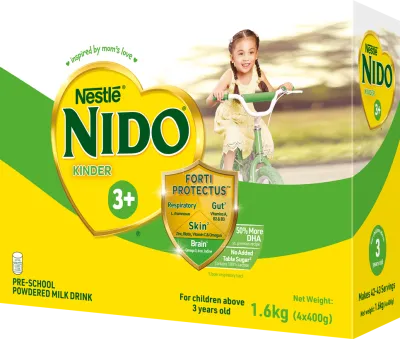

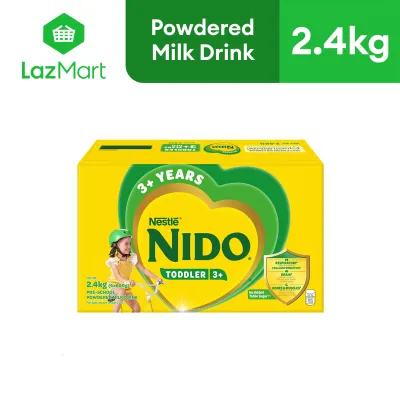
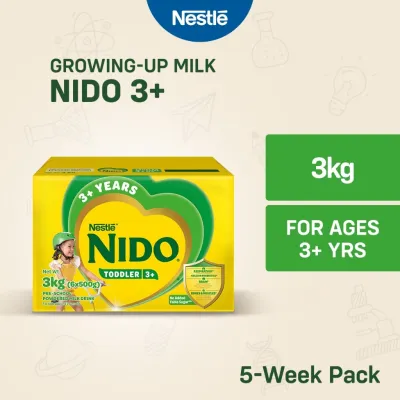
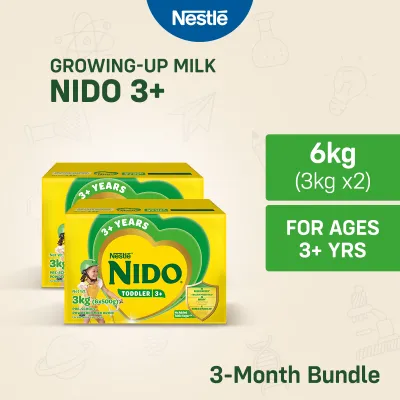
Prices are valid at publication and may change. Please refer to the product page for the latest price.
Nido 3 is generally positioned for overall physical growth, energy provision, and bone support. It is often fortified with essential vitamins and minerals like calcium, vitamin D, and zinc, making it a popular, practical choice for active toddlers who need everyday nutritional support to fuel their physical play and daily activities.
NAN 3 typically focuses on gut health, digestion, and immune system support. Formulations in this line often incorporate specific probiotic strains or prebiotic fibers designed to foster a healthy gut microbiome. This focus is particularly relevant for toddlers who experience occasional digestive discomfort, irregular bowel movements, or hard stools.
Enfagrow A+ usually emphasizes cognitive development and brain health. Its marketing and formulation highlight ingredients like DHA (docosahexaenoic acid) and specific lipid profiles to support brain development during these crucial early years of rapid learning and language acquisition.
Because manufacturers frequently update their formulations, always verify the exact claims and ingredient lists on the current product packaging before making a purchase. A brand’s focus can shift, and checking the physical label ensures you have the most up-to-date information.
How to Compare Nutritional Labels and Ingredients
Reading the nutrition facts panel is the most reliable way to compare these milks. Do not rely solely on front-of-pack marketing claims; the real details are in the ingredient list and nutrient table.

First, examine the macronutrients. Check the protein, fat, and carbohydrate ratios per serving. Since a three-year-old should get most of their daily calories from solid foods, the milk should complement their diet without overloading them with excess carbohydrates or fats. Look at how much protein and fat a single serving contributes to their daily recommended energy intake.
Next, look at key micronutrients. Pay close attention to the percentages of calcium, iron, zinc, and vitamin D per serving. In tropical climates like the Philippines, ensuring adequate vitamin D and iron intake is essential for healthy bone development and immune function. Compare the daily value percentages to see which brand covers your child’s specific dietary gaps.
Be highly vigilant about additives and sweeteners. Scan the ingredient list for added sugars, sucrose, corn syrup solids, or artificial flavorings. High sugar content can negatively affect a toddler’s palate, leading to a preference for sweet drinks over water, and can also increase the risk of dental cavities. Opt for brands that minimize added sugars in favor of lactose, the natural sugar found in milk.
Finally, look for specialized ingredients. Check the label for the specific amounts of DHA, ARA, prebiotics (such as GOS or FOS), or probiotics. Comparing the actual milligrams or colony-forming units (CFUs) per serving across brands will give you a clearer picture of their nutritional value rather than just relying on the ingredient’s presence.
Digestion, Tolerance, and Taste Preferences
A milk’s nutritional profile matters little if your child cannot tolerate it or refuses to drink it. Monitoring your child’s physical response is a crucial step in finding the right match.
When introducing or switching to a new brand, observe your child’s digestive patterns. Watch for changes in stool consistency, frequency, bloating, or excessive gas. A child’s digestive system is still maturing, and what works well for one toddler might cause discomfort in another. Introduce any new milk gradually over several days to allow their system to adjust.
If you notice persistent digestive issues, your child might have a sensitivity to lactose or cow’s milk protein. Always consult a pediatrician before switching to specialized or hypoallergenic formulas, as self-diagnosing can lead to unnecessary dietary restrictions or nutritional imbalances.
Taste and texture also play a major role in acceptance. Some milks are creamier, while others may have a distinct taste due to added fish oils (DHA). If your toddler refuses a new milk, try introducing it gradually by mixing it with their current milk, slowly increasing the proportion of the new brand over a week.
Stop using any milk immediately and seek professional medical advice if your child exhibits severe symptoms such as vomiting, hives, facial swelling, blood in the stool, or extreme lethargy after consumption. These are signs of a potential allergic reaction or severe intolerance.
Evaluating Cost and Purchasing Channels
Managing the household budget is a key factor for families. Calculating the long-term financial commitment of each brand requires looking beyond the retail price of the tin.
To find the true cost, calculate the cost per serving. Divide the price of the pack by the total weight in grams, then multiply that by the recommended grams per serving. This gives you the actual cost per glass (in ₱), which is a much more accurate metric for monthly budgeting than the upfront cost of the container.
Consider the trade-offs of different packaging sizes. Buying smaller tins or boxes is ideal for trial periods to ensure your child tolerates the taste and digestion. Once suitability is established, transitioning to larger tins or refill pouches usually offers better value per gram and reduces packaging waste.
Always purchase from reliable channels to avoid counterfeit products, which pose severe health risks. Stick to established supermarkets, official brand websites, or authorized online mall flagship stores rather than unverified third-party sellers on online marketplaces.
When evaluating promotions, bundle deals, or subscription options, always check the expiration dates. In humid tropical climates, ensure any opened milk is stored in a cool, dry place in an airtight container, and consumed within the manufacturer’s recommended timeframe (usually three to four weeks) to prevent clumping and spoilage.
Decision Framework: Matching the Milk to Your Child's Needs
To finalize your choice, match the specific characteristics of each brand to your child’s dietary habits, physical tolerance, and your family’s budget.
Choose Nido 3 if your child is generally healthy, has no digestive issues, eats a relatively balanced diet, and you prefer a widely available, cost-effective staple that supports overall physical growth and bone development.
Choose NAN 3 if your child occasionally struggles with digestion, constipation, or hard stools, and you want to prioritize gut health and immune support through specialized probiotic or prebiotic blends.
Choose Enfagrow A+ if your child is a picky eater who might have gaps in their dietary intake of brain-supporting nutrients, and you want to prioritize a formulation that emphasizes DHA and cognitive development support.
Verify first if your child has a known medical condition, severe allergies, or specific dietary restrictions. Always consult a pediatrician or registered dietitian before making a final decision or switching formulas to ensure the choice aligns with your child’s health profile.
Frequently Asked Questions (FAQ)
Can I mix different brands of toddler milk in the same day?
Mixing different brands or formulas in the exact same bottle is generally discouraged. Each brand is formulated with specific nutrient concentrations and osmolarity; mixing them can alter the water-to-powder ratio, potentially straining your toddler’s kidneys or causing digestive upset. However, alternating different brands across different meals during the day is generally safe, provided your child tolerates both well. Monitor for any signs of gas or loose stools during any transition period.
When should I transition my 3-year-old from powdered milk to fresh milk?
Most pediatricians agree that by age one, children can transition to whole cow’s milk if they are eating a balanced diet of solid foods. By age three, many children can transition fully to fresh milk. However, if your child is a picky eater, has specific nutritional gaps, or struggles to gain weight, fortified powdered toddler milks can provide a helpful safety net of vitamins and minerals. Consult your pediatrician to assess your child’s growth and determine if they are ready for fresh milk.
Community discussion
Share your experience or ask a question. Comments are reviewed before publication.