
Choosing the right powdered milk for your growing toddler is a significant decision that directly impacts their daily nutrition and development. In the Philippines, parents frequently compare Nido 3+, NAN 3+, and Enfagrow 3+ to determine which option aligns best with their child’s needs. There is no single, universally superior brand; rather, each formulation is designed with distinct nutritional priorities, ranging from immune support and physical growth to digestive comfort and cognitive development.
To make the best choice, you must look beyond the brand names and systematically evaluate the physical labels, ingredient lists, and preparation instructions. Your child’s unique digestive tolerance, taste preferences, and overall dietary intake of solid foods will ultimately dictate which option is most suitable. Before making any changes to your toddler’s diet, it is essential to consult a pediatrician to ensure the chosen milk supports their specific growth milestones and health requirements.
Evaluating the Manufacturer's Stated Focus and Formulation Goals
Every powdered milk brand designs its formulation with specific developmental goals in mind, which are prominently highlighted on the product packaging. When examining Nido 3+, you will typically find a strong emphasis on physical growth, bone development, and immune system support. The packaging often highlights micronutrients like zinc, vitamin C, and selenium, which are intended to support the body’s natural defenses as toddlers begin exploring more of their physical environment.
Products mentioned in this guide
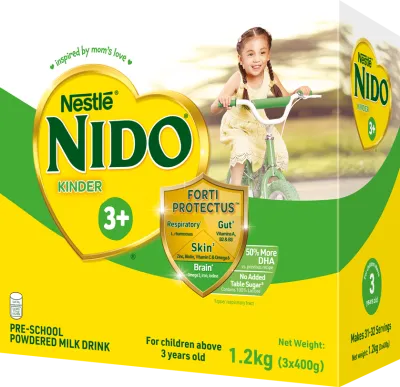
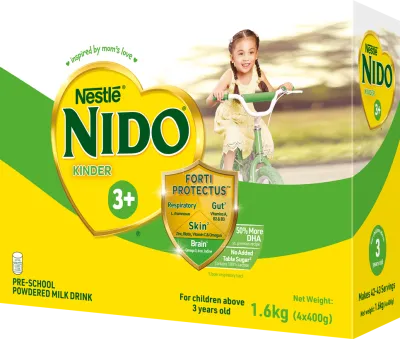
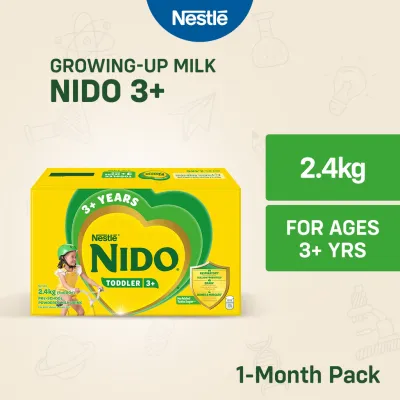
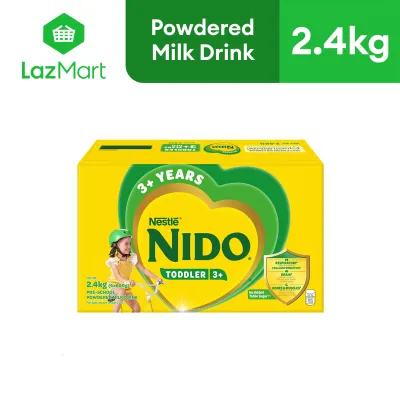
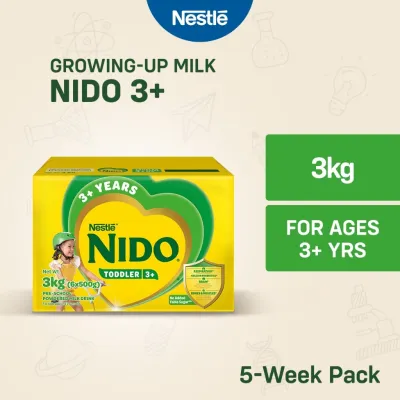
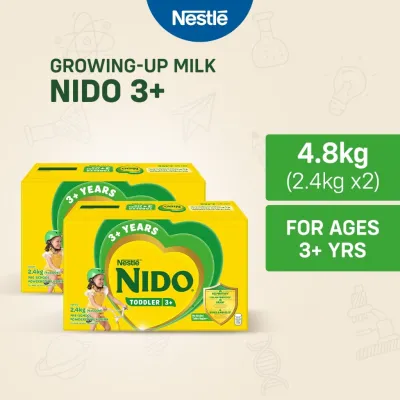
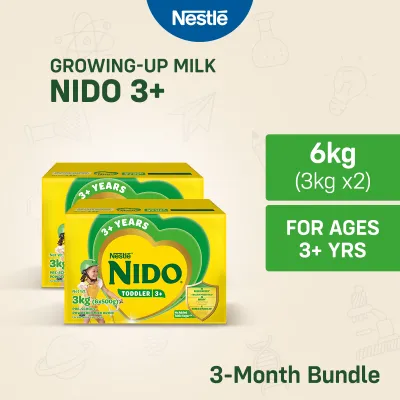
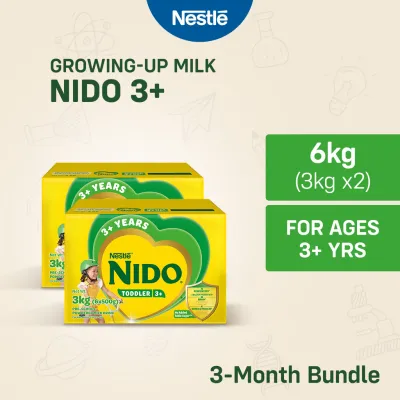
Prices are valid at publication and may change. Please refer to the product page for the latest price.
In contrast, NAN 3+ is generally formulated with a focus on digestive comfort and gut health. Its packaging often highlights optimized protein blends and specific active cultures, such as probiotics, which aim to support a balanced gut microbiota. This focus is particularly relevant for toddlers who experience occasional digestive sensitivity or those transitioning from infant formula to standard toddler milk.
Enfagrow 3+ positions its formulation heavily around cognitive development and brain growth. The labels on these tins or pouches frequently emphasize ingredients like DHA (docosahexaenoic acid), ARA (arachidonic acid), and other brain-support nutrients. This focus targets the rapid cognitive milestones toddlers achieve between the ages of three and five, such as language acquisition and problem-solving.
Because manufacturers periodically update their recipes, add new ingredients, or adjust nutrient ratios, you should always verify these claims directly on the physical packaging or the manufacturer’s official website. Do not rely solely on older reviews or word-of-mouth recommendations, as the formulation available on store shelves today may differ from previous versions.
Comparing Key Nutritional Profiles and Ingredients
To perform a meaningful comparison, you must learn to read and interpret the nutritional information panel printed on the back of each milk container. Start by comparing the macronutrient ratios—specifically the protein, fat, and carbohydrate content—per serving. Keep in mind that serving sizes can vary significantly between brands, so you should calculate the nutrient density per 100 grams or per 100 milliliters of prepared milk to ensure an accurate, head-to-head comparison.

Next, examine the micronutrient profile, paying close attention to the declared amounts of essential vitamins and minerals. Look for the specific quantities of Vitamin A, Vitamin C, Vitamin D, calcium, and iron, which are crucial for bone density, immune function, and oxygen transport in growing children. If cognitive support is your primary interest, compare the exact milligrams of DHA and ARA per serving, as these levels can vary widely between Enfagrow 3+, NAN 3+, and Nido 3+.
It is equally important to scrutinize the ingredient list for added sugars, sweeteners, and flavorings. Some toddler milks contain added sucrose, corn syrup solids, or maltodextrin to enhance taste and provide quick energy, while others rely solely on lactose, the natural sugar found in milk. Additionally, check for the inclusion of specific prebiotic fibers (such as fructooligosaccharides or galactooligosaccharides) and probiotic strains, which contribute to gut health.
Finally, always review the allergen warnings and cross-contamination statements on the packaging. Toddler milks may contain ingredients derived from soy, fish oil (a common source of DHA), or other potential allergens. If your child has a known food sensitivity, asthma, or eczema, identifying these ingredients on the label is a critical safety step before introducing any new powdered milk brand.
Practical Feeding Considerations: Taste, Mixability, and Digestion
Beyond nutritional values, the practical aspects of daily preparation and toddler acceptance play a major role in your decision. The physical texture of the powder affects how easily it dissolves in water. In the humid, tropical climate of the Philippines, some powders may absorb moisture quickly upon opening, leading to clumping during preparation. Observe how easily the powder mixes in lukewarm or room-temperature water; a formula that clumps easily can frustrate busy parents and lead to inconsistent nutrient delivery if residue is left at the bottom of the cup.
Your toddler’s taste preference is another critical factor that cannot be overlooked. Children are highly sensitive to flavor profiles, and a milk that is nutritionally ideal is of no use if your child refuses to drink it. Some brands have a distinct vanilla flavor or a sweeter taste, while others have a more neutral, milky flavor. Introduce a new brand gradually to monitor your child’s willingness to consume it consistently without forcing them.
Digestion is the ultimate test of compatibility for any toddler milk. After introducing a new brand, closely monitor your child’s digestive comfort over several days. Watch for signs of bloating, excessive gas, abdominal discomfort, constipation, or sudden changes in stool consistency and frequency. A transition period of one to two weeks is normal, but persistent discomfort suggests the formulation may not suit your child’s digestive system.
If your child experiences persistent digestive issues, skin rashes, vomiting, or any other adverse reactions after switching brands, stop using the product immediately. Consult your pediatrician to rule out milk protein allergies or lactose intolerance. A medical professional can provide personalized guidance and recommend specialized or therapeutic formulas if standard toddler milks are not tolerated.
Evaluating Cost, Sizing, and Safe Purchasing Channels in the Philippines
Feeding a toddler is a long-term financial commitment, making it essential to evaluate the cost-effectiveness of each brand. Instead of simply comparing the retail price of a tin or pouch, calculate the actual cost per serving. To do this, divide the retail price in ₱ by the total number of servings a single package yields, which you can determine using the net weight and the manufacturer’s recommended scoop-to-water ratio. This calculation reveals the true daily cost of feeding.
Consider the available packaging sizes and formats, such as tins or refill pouches, to match your household’s consumption rate. Large tins are highly practical for protecting the powder from the high humidity and pests common in tropical environments, while refill pouches are often more economical but require immediate transfer to a clean, airtight container. Ensure that any storage container used is thoroughly sanitized and completely dry before transferring the powder.
To guarantee product safety and authenticity, purchase powdered milk only from authorized physical supermarkets, official brand stores, or verified online flagship stores on reputable ecommerce platforms. Avoid buying from unverified third-party sellers or online marketplaces offering unusually low prices, as these products may be counterfeit, improperly stored, or close to their expiration dates.
When your purchase is delivered or brought home, perform a thorough physical inspection of the packaging. Check that the safety seals are completely intact, the tin is not dented, and the pouch has no punctures. Locate the expiration date and the batch or lot number printed on the container; never feed your child milk that is past its expiration date or shows signs of moisture ingress, such as hard clumps or an unusual odor.
How to Decide: A Conditional Choice Framework
Choosing between these three prominent brands requires a structured decision framework tailored to your child’s specific developmental needs and your family’s lifestyle. If your primary goal is to support overall physical growth, bone strength, and immune health with a widely accessible and familiar option, Nido 3+ is a highly suitable candidate, provided your child enjoys its flavor profile and digests it comfortably.
If your toddler has a sensitive digestive system, experiences occasional constipation, or requires a formulation that prioritizes gut comfort, NAN 3+ is a strong option to consider. Its focus on optimized proteins and active probiotic cultures is designed to support a gentle digestive process, making it a practical choice for children who need extra support in maintaining digestive regularity.
If you wish to place a strong emphasis on cognitive milestones, language development, and visual acuity during these critical early learning years, Enfagrow 3+ aligns well with those priorities. Its formulation is specifically geared toward delivering higher levels of brain-support nutrients like DHA, making it suitable for parents focusing on early childhood education and cognitive stimulation.
Regardless of which brand seems most appealing, you must verify your choice with a pediatrician before making a final decision. This is especially critical if your child has pre-existing medical conditions, severe food allergies, a history of colic, or requires a specialized therapeutic formula. A pediatrician can review your child’s growth chart and dietary intake to confirm that your chosen toddler milk safely complements their solid food diet.
Frequently Asked Questions (FAQ)
Can I mix two different powdered milk brands together?
Mixing two different brands of powdered milk in the same bottle or cup is generally not recommended. Each brand is formulated with a precise balance of water, proteins, fats, and micronutrients; mixing them can unpredictably alter the nutrient density and osmolarity of the feed, potentially straining your toddler’s kidneys or digestive system. Furthermore, if your child experiences an allergic reaction, gas, or diarrhea, mixing brands makes it nearly impossible to identify which formulation caused the adverse reaction.
How long can I keep prepared formula milk at room temperature?
Prepared toddler milk should be consumed or stored with strict adherence to safety guidelines to prevent rapid bacterial growth, which is accelerated by the warm, humid climate of the Philippines. Always check the specific preparation and storage instructions printed on your product’s label, as guidelines can vary. Generally, prepared milk left at room temperature should be discarded after one to two hours, and any milk left over in the cup after a feed must be thrown away immediately to prevent contamination from oral bacteria.
When should I transition my child from toddler formula to fresh milk?
The transition from toddler formula to regular fresh milk or pasteurized whole milk depends on your child’s overall developmental milestones and nutritional status rather than a strict age limit. Before making this transition, consult your pediatrician to ensure your child is consuming a diverse, balanced diet of solid foods that provides adequate iron and vitamins. If your child is a picky eater or has specific growth gaps, your pediatrician may recommend continuing with a fortified toddler milk to ensure they receive essential micronutrients.
Community discussion
Share your experience or ask a question. Comments are reviewed before publication.