
Preparing for a new baby is an exciting journey, but stepping into a baby store or browsing an online marketplace can quickly feel overwhelming. The sheer volume of products marketed as absolute necessities for a nursery is staggering. From multi-piece bedding sets decorated with elaborate embroidery to plush pillows and matching bumpers, the options seem endless. However, when it comes to setting up a safe sleep space for your newborn, the golden rule is simplicity.
To create a safe sleep environment, a newborn actually needs very few things: a firm, flat mattress that fits your crib perfectly, and a tightly fitted sheet. That is the entire baseline. Every other item, no matter how beautifully designed or heavily marketed, is either optional or a potential safety hazard. Newborns lack the motor skills to move away from soft objects, loose fabrics, or plush surfaces if their breathing becomes obstructed. By keeping the sleep space completely bare, you eliminate these risks entirely.
Prioritizing your nursery budget means focusing on structural safety and high-quality, breathable materials rather than decorative accessories. Investing your ₱ budget in a certified, high-quality mattress and a few reliable fitted sheets is far more beneficial for your baby’s well-being than purchasing a matching bedding set filled with items you should not use. In a tropical climate like the Philippines, where heat and humidity are daily factors, focusing on breathability and ease of cleaning will keep your baby comfortable and safe.
Products mentioned in this guide
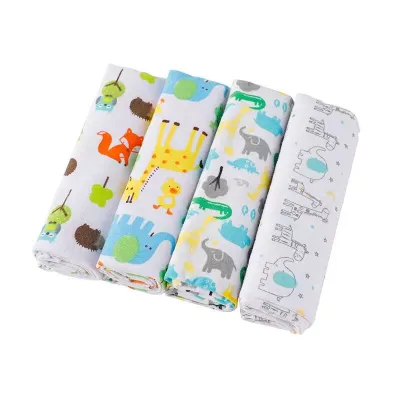
Prices are valid at publication and may change. Please refer to the product page for the latest price.
Choosing the Right Crib Mattress
Selecting a crib mattress is one of the most critical decisions you will make for your nursery. Unlike adult mattresses, which are designed for plush comfort and pressure relief, an infant mattress must be exceptionally firm. A newborn’s skeletal system is developing rapidly, and they require a stable surface that supports their growing body. More importantly, a firm surface prevents the mattress from conforming to the shape of your baby’s face, which is vital for protecting their airway if they happen to turn over.
To test the firmness of a mattress before purchasing, you can perform a simple physical check. Press your hand firmly down into the center and along the edges of the mattress. When you release your hand, the surface should snap back immediately without leaving any lasting indentation or handprint. If the mattress feels soft, cushiony, or slow to recover its shape, it is too soft for a newborn and should be avoided.
Proper fit within the crib frame is equally non-negotiable to prevent dangerous gaps where a baby could become trapped. You can verify this using the “two-finger rule.” Once the mattress is placed inside the crib, try to slide your fingers between the edge of the mattress and the wooden crib frame. If you can fit more than two fingers in that gap, the mattress is too small for that specific crib. The fit must be snug, leaving virtually no space for a baby’s limb or head to slip down the sides.
In the Philippines, the tropical climate brings high relative humidity, which makes material selection particularly important. Moisture from sweat, humidity, and diaper leaks can easily trap dampness inside a mattress, creating a breeding ground for mold, mildew, and allergens. Look for mattresses with manufacturer labels indicating water-resistant or waterproof covers that can be easily wiped clean. Breathable core materials, such as specialized food-grade polymers or woven fibers, allow better airflow and help dissipate heat, keeping your baby cooler during warm tropical nights.
While accepting hand-me-down baby items is a common and practical way to save money, a used mattress requires extreme caution. Over time, mattresses can lose their structural integrity, develop internal sagging, or accumulate hidden mold and dust mites from improper storage. If a pre-loved mattress shows any signs of wear, lacks a clear manufacturer label, has a lingering musty odor, or was stored in a damp environment, it is highly recommended to replace it with a new one to ensure a hygienic and structurally sound sleep surface.
Bedding Essentials vs. Items to Avoid
When it comes to dressing the crib, the only textile item that belongs in your baby’s sleep space is a fitted crib sheet. This sheet must be designed specifically for the dimensions of your mattress, featuring deep pockets and strong, fully elasticized corners that wrap completely underneath the mattress. A loose sheet can easily bunch up or pull away from the corners, creating a dangerous loose fabric hazard. The sheet should lay completely flat and smooth across the surface, with no wrinkles or slack.

To maintain a safe sleep environment, you must strictly exclude several popular items from the crib. This includes pillows, loose blankets, quilts, comforters, stuffed animals, and sleep positioners. While these items are often sold as part of attractive “nursery bedding sets,” they pose significant suffocation, entrapment, and strangulation risks. Traditional crib bumpers, once thought to protect babies from bumping against wooden slats, are also highly unsafe; they restrict airflow and can act as a climbing aid as your baby grows, increasing the risk of falls.
Many parents worry about how to keep their baby warm and comfortable without a traditional blanket, especially in air-conditioned rooms or during cooler rainy seasons. The key is to manage your baby’s temperature through appropriate sleep clothing rather than loose bedding. Lightweight swaddles or wearable blankets (often called sleep sacks) are excellent alternatives that keep your baby cozy while keeping their face completely clear.
To ensure your baby is not overheating in our humid climate, regularly check their physical state. You can do this by placing your hand on their chest or the back of their neck; these areas should feel warm and dry, not hot or sweaty. Avoid relying on the temperature of their hands or feet, as infant extremities naturally feel cooler to the touch. Adjust your air conditioning or fan settings to maintain a comfortable, well-ventilated room, and dress your baby in breathable cotton layers accordingly.
Optional Add-ons and Sleep Wear
Once you have secured the essential firm mattress and fitted sheets, you may want to consider a few practical add-ons that make daily nursery management easier. A waterproof mattress protector is one of the most useful optional items you can buy. Newborns are prone to frequent diaper leaks, spit-ups, and wet messes. A high-quality waterproof pad protects the mattress core from absorbing liquids, preventing permanent stains and mold growth. When using a protector, ensure it fits tightly over the mattress under the fitted sheet, without creating any loose or bunched-up layers on the surface.
Wearable blankets and swaddles are highly practical sleepwear options that promote better sleep while maintaining safety. Swaddling mimics the snug feeling of the womb, which can soothe a newborn’s startle reflex. However, it is crucial to monitor your baby’s physical development closely. As soon as your baby shows any signs of attempting to roll over on their own, you must stop swaddling immediately. At this stage, transition them to a wearable blanket that leaves their arms completely free, allowing them to use their upper body to reposition themselves if they roll over.
In the realm of nursery environment tools, a simple room thermometer is a highly practical and affordable addition. It helps you monitor the ambient temperature and humidity of the nursery, allowing you to make informed decisions about how to dress your baby for sleep. On the other hand, many high-tech gadgets, such as specialized movement monitors or sleep positioning wedges, are often unnecessary and lack robust scientific backing. Active caregiver supervision and adhering to basic safe sleep guidelines remain the most reliable ways to keep your baby safe.
Pre-Purchase Safety and Fit Checklist
Before you finalize your purchases or check out your online shopping cart, taking a few minutes to verify the specifications of your chosen items can save you time, money, and worry. Because crib and bassinet dimensions are not universally standardized across all brands, guessing the size of your mattress or sheets often leads to a poor fit. Always use a physical measuring tape to measure the interior dimensions of your specific crib frame, and compare those measurements directly with the product specifications before ordering.
Always read the manufacturer labels and product documentation carefully. Look for clear indications of age and weight limits, as well as specific care and washing instructions. In our humid climate, being able to machine-wash and quickly dry your bedding is a major convenience, so look for durable fabrics that can withstand frequent laundering. Additionally, take the time to verify that the products you are considering meet current safety standards by checking local consumer protection updates and product recall notices in the Philippines.
To help you navigate your shopping experience, use this quick, actionable checklist when evaluating mattress and bedding options:
- Mattress Firmness: Does the mattress surface snap back immediately when pressed firmly with your hand?
- Exact Fit: Have you measured your crib's interior to ensure the mattress leaves less than a two-finger gap on all sides?
- Sheet Security: Do the fitted sheets feature strong, fully elasticized edges that wrap securely underneath the mattress?
- Bare Environment: Have you excluded pillows, bumpers, loose blankets, and stuffed toys from your purchase list?
- Climate Suitability: Is the mattress cover waterproof or water-resistant to protect against humidity and spills?
- Label Verification: Have you checked the manufacturer's guidelines for weight limits and care instructions?
Frequently Asked Questions (FAQ)
Do I need a separate mattress for a bassinet?
Yes, but you must only use the specific mattress pad that is provided by the manufacturer of that particular bassinet. Bassinets are designed with unique dimensions and structural supports, and using an aftermarket mattress or adding extra padding can create dangerous gaps or soft surfaces. Never attempt to improvise a bassinet mattress using folded blankets, pillows, or custom-cut foam, as these materials pose severe suffocation and entrapment hazards. If the original bassinet pad becomes damaged or worn, contact the manufacturer directly to purchase an official replacement designed specifically for your model.
How many fitted sheets should I buy for a newborn?
For a newborn, having three to four fitted sheets is generally the ideal number to manage daily life practically. Newborns frequently experience diaper blowouts, spit-ups, and wet messes, which often happen in the middle of the night. Having at least three sheets ensures you have one on the mattress, one in the laundry, and one clean spare ready in the closet. To make midnight changes easier, many parents use a layering strategy: place a waterproof protector and a fitted sheet on the mattress, followed by a second waterproof protector and a second fitted sheet on top. If a mess occurs at night, you can simply peel off the top layer and have a clean, dry sheet ready immediately.
When can I introduce a pillow and blanket to the crib?
According to general pediatric guidelines, you should keep your baby’s sleep space completely bare, without any pillows, loose blankets, or soft toys, for at least the first twelve months of life. Before this milestone, these items present unnecessary safety risks. Even after your child reaches one year of age, they do not actually require a pillow or blanket for comfortable sleep. When you do decide to transition your child to using these items, it is highly recommended to consult your pediatrician first to ensure your child has reached the appropriate developmental milestones to use them safely.
Community discussion
Share your experience or ask a question. Comments are reviewed before publication.