
A newborn baby actually needs very little to thrive: a safe place to sleep, basic nourishment, proper hygiene supplies, appropriate clothing, and a secure way to travel. While baby registries and social media feeds showcase endless arrays of high-tech gadgets, many of these items remain unused. By focusing on your specific living space, daily routines, and local climate, you can build a practical, budget-friendly preparation plan that avoids unnecessary expenses and clutter.
Assess Your Lifestyle and Space Before Buying Newborn Essentials
Before purchasing any baby gear, evaluate your physical living environment. In many homes in the Philippines, space is at a premium, and high humidity levels influence how we store and maintain fabric items. A massive wooden crib or a bulky changing table might crowd a shared bedroom, making a compact, portable playard or a simple changing mat on a secure chest of drawers a much more practical choice. Consider your storage capacity as well; buying diapers or clothes in bulk can quickly overwhelm small closets and invite moisture if not stored in airtight containers.
Your daily routine and support system also dictate your gear requirements. If you rely on public transportation, ride-sharing services, or frequent walking, a heavy, complex stroller system may prove highly impractical compared to a lightweight, easily foldable stroller or an ergonomic baby carrier. Think about who will be assisting with childcare during the day. If grandparents or hired helpers are involved, choosing intuitive, straightforward gear ensures everyone can care for the baby safely without navigating complicated settings or heavy lifting.
Products mentioned in this guide

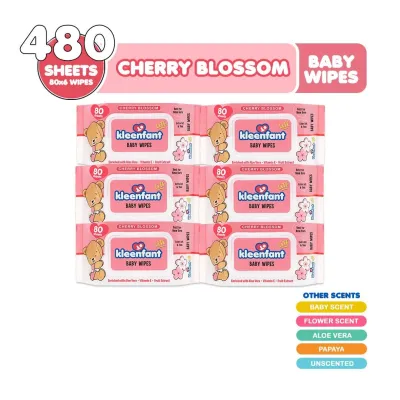
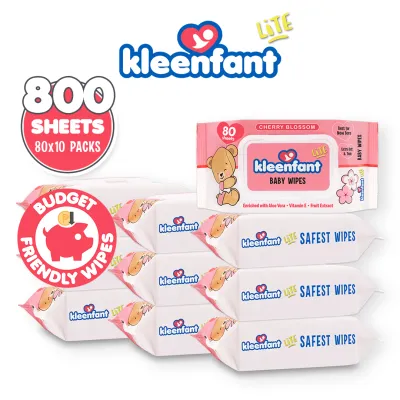
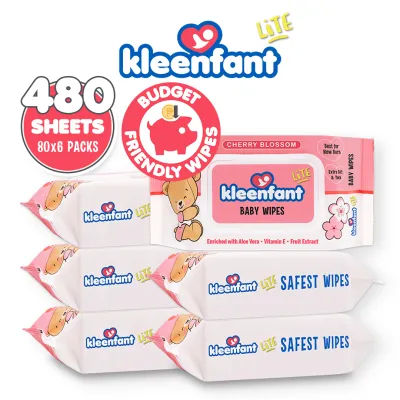
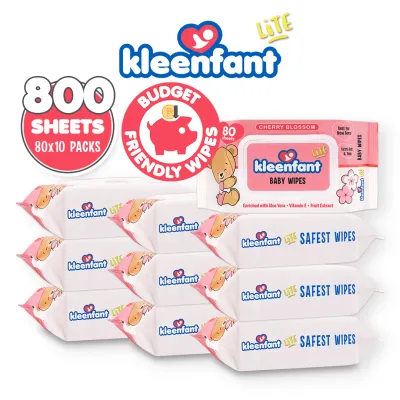
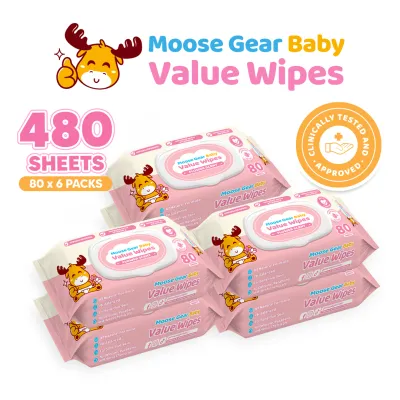
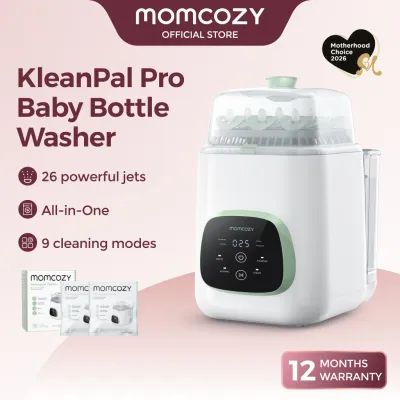
Prices are valid at publication and may change. Please refer to the product page for the latest price.
Finally, identify which items do not need to be purchased brand new. Many high-quality baby items, such as plastic baby baths, wooden crib frames, or outer clothing layers, are used for only a few months and can be safely borrowed from relatives or purchased second-hand. Always inspect pre-loved items carefully for structural integrity, missing parts, or manufacturer recall notices before bringing them into your home. Delaying non-essential purchases allows you to observe your baby’s unique preferences and physical growth before spending your hard-earned money.
The Core Newborn Essentials You Will Actually Use Daily
When preparing for your baby’s arrival, establishing a minimalist mindset centered on function, safety, and ease of cleaning is highly beneficial. The first few months of parenthood are filled with frequent diaper changes, spit-ups, and sleep transitions, meaning that elaborate designs often get in the way of practical care. Prioritize items made from durable, washable materials that can withstand frequent laundering in tropical weather.

To keep your preparation organized, it helps to divide your immediate purchases into core care categories. These essential pillars address your baby’s fundamental physiological needs: safe sleep, nutrition, hygiene, and secure transport. By focusing on these core areas, you ensure your baby is comfortable and protected without cluttering your home with single-purpose novelties.
Feeding, Sleep, and Safety Basics
A safe sleep environment is the most critical setup you will prepare for your newborn. Pediatric guidelines emphasize that a baby should sleep on their back on a firm, flat mattress covered only by a tight, well-fitted sheet. Avoid placing loose blankets, pillows, bumper pads, or soft toys inside the sleep space, as these pose serious suffocation risks. In warm, humid climates, a lightweight, breathable swaddle or sleep sack is highly preferable to heavy quilts, helping to keep your baby comfortable while maintaining a clear sleep space.
Your feeding setup should remain flexible until you establish your routine. For breastfeeding mothers, a few comfortable nursing bras, washable breast pads, and plenty of soft cotton burp cloths are the primary requirements. If you plan to bottle-feed, you will need a small selection of newborn-sized bottles, a bottle brush, and a reliable method for sterilization, such as a steam sterilizer or a dedicated pot for boiling. Because babies can be highly selective about nipple shapes, purchase only a few bottles initially to verify which style your infant accepts before buying larger sets.
Vehicle travel requires a dedicated infant car seat that meets recognized safety standards. Before purchasing, verify that the seat is compatible with your vehicle’s seatbelt system or ISOFIX anchors, and practice installing it ahead of your due date. Hospital discharge policies often require a properly installed car seat to ensure a safe journey home. Always review the manufacturer’s manual for weight limits, harness adjustments, and installation steps, and never use a second-hand car seat if its crash history is unknown.
Diapering, Bathing, and Clothing Minimums
Diapering is a constant daily task that requires a simple, organized station. Whether you choose disposable or reusable cloth diapers, you will need a reliable stock of newborn sizes, gentle alcohol-free wipes or soft cotton balls with warm water, and a barrier cream to protect sensitive skin. A dedicated changing table is optional; a portable, waterproof changing mat placed on a secure, waist-high surface works well and can be moved around the home as needed. Keep these supplies within arm’s reach so you never have to leave your baby unattended during a change.
Bathing a newborn requires minimal equipment but high attention to physical support. A basic plastic baby bath that fits securely in your sink or on the bathroom floor is ideal, especially models that feature an ergonomic support to keep the baby’s head and neck elevated. You will also need a mild, fragrance-free baby wash, a soft washcloth, and a couple of absorbent towels. Always test the water temperature with your elbow or a thermometer to ensure it is comfortably warm, and keep bath times short to prevent your baby’s skin from drying out.
For clothing, a practical capsule wardrobe is highly practical compared to a collection of elaborate outfits. In a tropical climate, newborns spend most of their time in lightweight cotton onesies, sleeveless undershirts, and breathable footed sleepers for air-conditioned nights. Focus on garments with front snaps or wide necklines that make dressing and frequent diaper changes quick and painless. A small collection of soft mittens, booties, and a lightweight hat will protect your baby during their first few weeks, but avoid over-purchasing newborn sizes, as many infants outgrow them within a month.
Common "Nice-to-Haves" You Can Safely Skip or Delay
The baby product market is filled with items designed to appeal to parental anxieties and aesthetic desires, many of which are entirely unnecessary. Specialized nursery furniture, such as matching dresser sets, heavy wardrobes, and decorative toy chests, can easily be skipped. Your baby will not notice the decor, and standard household storage solutions can be repurposed with simple drawer organizers to hold tiny garments and diapering supplies just as effectively.
Excessive clothing and footwear are other common areas of overspending. Hard-soled shoes are completely unnecessary for non-walking infants and can actually hinder natural foot development; simple socks or booties are more than sufficient to keep tiny feet warm. Similarly, complex outfits featuring stiff fabrics, multiple buttons, or elaborate lace are often uncomfortable for the baby and frustrating for parents during middle-of-the-night diaper changes. Keep clothing simple, soft, and easy to wash.
High-tech monitoring gadgets and single-use soothing devices are heavily marketed but rarely essential. Wearable monitors that track heart rates or oxygen levels are not necessary for healthy infants and can sometimes increase parental anxiety with false alarms. Bulky, expensive travel systems can also be delayed; unless you travel by car daily, a simple, lightweight stroller or a high-quality baby carrier is often much more practical and easier to maneuver through narrow store aisles and crowded streets.
Building a Prioritized and Budget-Friendly Shopping List
To avoid impulse buying and manage your budget effectively, divide your purchases into distinct phases. Your “must-haves before birth” should consist strictly of safe sleep gear, a car seat, basic hygiene supplies, and a week’s worth of simple clothing. By keeping this initial list minimal, you reduce pre-birth stress and keep your initial expenses manageable.
For all other items, adopt a “wait-and-see” approach. Specialized items like baby swings, pacifiers, breast pumps, and specific bottle brands should only be purchased after your baby is born and you have identified their specific preferences and your feeding routine. When sourcing gear, prioritize safety by checking manufacturer labels for age and weight recommendations, verifying that products meet current safety standards, and thoroughly cleaning any second-hand items before use.
Establishing firm boundaries against social media trends and registry pressure is crucial for maintaining your budget. It is easy to feel overwhelmed by curated nursery photos, but a baby’s developmental needs are met through loving care, safe sleep, and proper nutrition, not expensive gadgets. Set a realistic budget, focus on high-quality essentials, and remember that you can always purchase additional items quickly through online marketplaces once your baby’s actual daily patterns emerge.
Frequently Asked Questions (FAQ)
When is the best time to buy newborn essentials?
The ideal time to secure your core essentials is during the early part of your third trimester. Having your safe sleep setup, infant car seat, and initial clothing washed and ready by week 35 ensures you are prepared for an early arrival and have time to practice installing the car seat. However, delay purchasing bulk quantities of diapers, formula, or specialized soothing gear until after your baby is born, as their size and personal preferences will dictate what actually works.
How many outfits does a newborn actually need?
A practical baseline is to have about 7 to 10 simple cotton onesies or sleepers in newborn size, and a similar amount in the next size up (0 to 3 months). This quantity allows for two to three changes per day due to diaper leaks or spit-ups, while giving you a comfortable buffer between laundry cycles. If you have a reliable washing machine and dry clothes quickly in warm weather, you can easily manage with fewer outfits, preventing your baby from outgrowing clothes they never got to wear.
Community discussion
Share your experience or ask a question. Comments are reviewed before publication.