
Choosing a safe sleep environment is one of the most critical decisions you will make when preparing for your infant’s arrival. Because infants spend up to eighteen hours a day sleeping during their first few months, the structural integrity, material composition, and design of their sleep space directly impact their well-being. When shopping for a bed for baby new born, you must look past aesthetic appeal and focus entirely on verifiable safety features. Evaluating these physical and chemical properties before making a purchase helps prevent common sleep-related hazards and ensures a secure environment.
Navigating the wide variety of baby furniture options can feel overwhelming, especially with varying manufacturing standards across different brands. A safe sleep setup requires a systematic approach to inspecting both the bed frame and the mattress as a single, integrated system. By understanding what physical dimensions, material certifications, and structural designs to look for, you can confidently select a sleep space that supports your baby’s development. This guide outlines the essential safety checks you should perform before buying any newborn bed or mattress.
Structural Design and Hardware Checks
The physical frame of the bed serves as the primary protective barrier for your sleeping newborn. When inspecting a bed for baby new born, the spacing between the side slats is the first critical dimension to measure. Slats must be spaced no more than 6 centimeters apart to prevent an infant’s head or limbs from slipping through and becoming trapped. You can easily test this during an in-person inspection; if a standard soda can fits between the slats, the spacing is too wide and poses a severe safety risk.
Products mentioned in this guide
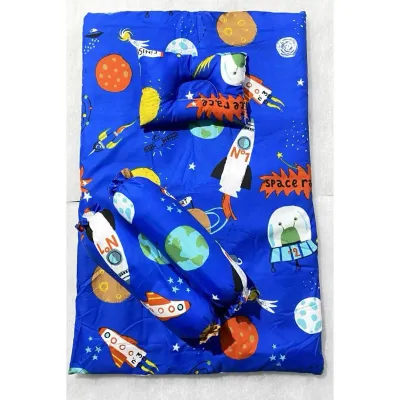
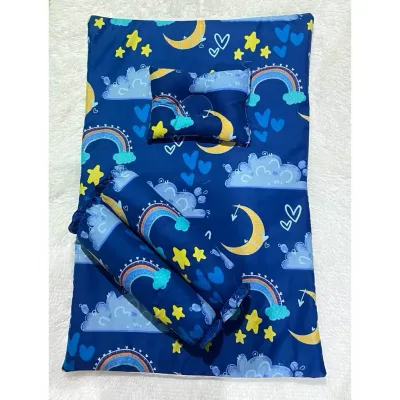
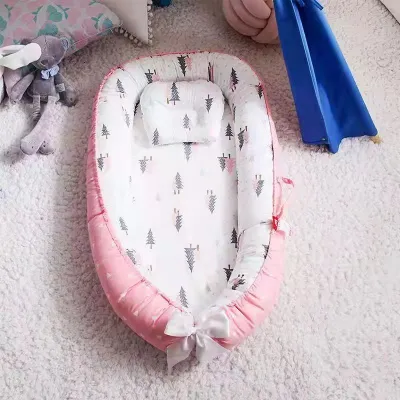
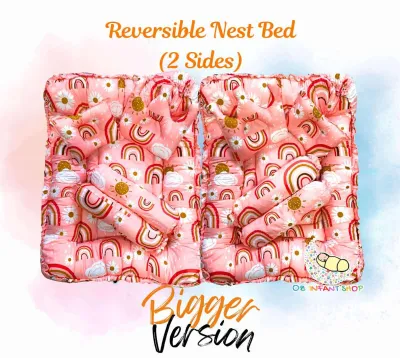

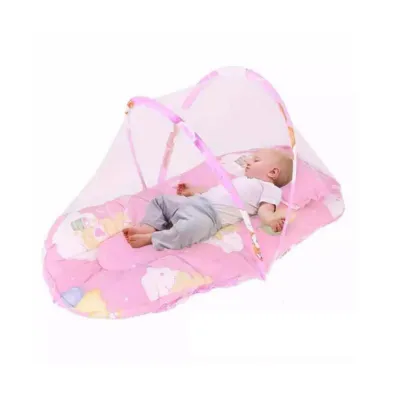
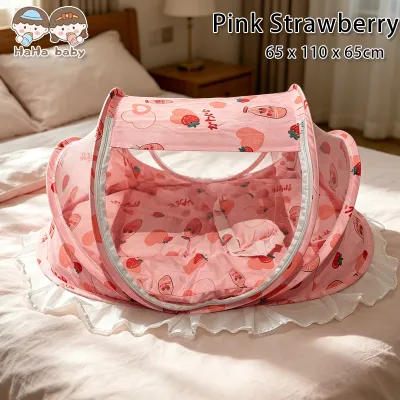
Prices are valid at publication and may change. Please refer to the product page for the latest price.
Corner posts and decorative cutouts present additional physical hazards that require close examination. Corner posts should be virtually flush with the end panels, rising no more than 1.5 millimeters above the top rail to prevent loose clothing or swaddles from catching. Avoid any bed frames with decorative cutouts in the headboard or footboard, as these openings can trap a baby’s head or limbs. The top of the crib rails must also be at a safe height relative to the mattress support platform to prevent an older or more active infant from climbing or falling out.
Hardware quality is another vital factor, particularly in warm, humid tropical environments where wood can expand, contract, or warp. Inspect all screws, bolts, brackets, and joints to ensure they are made of heavy-duty metal and fit tightly without any play. Avoid frames that rely on plastic brackets or wood screws driven directly into the frame, as these can strip or degrade over time, leading to structural instability. Shake the assembled frame firmly; any wobbling, squeaking, or shifting indicates poor construction or loose fittings that could fail under daily use.
Finally, completely avoid any bed designs that feature drop-side mechanisms. Drop-side cribs, which allow one side of the frame to slide down for easier access, have been widely banned by international safety agencies due to the risk of the sliding hardware breaking or detaching. When a drop-side detaches, it creates a dangerous gap between the mattress and the frame where an infant can become trapped. Stick to solid, fixed-sided bed frames that offer permanent structural stability on all four sides.
Mattress Firmness, Fit, and Material Checks
A newborn’s sleeping surface must be significantly firmer than an adult’s mattress to support developing bones and prevent suffocation. Soft mattresses can conform to a baby’s face if they roll over, blocking their airway and restricting oxygen flow. To evaluate firmness, perform a simple hand-press test: press your hand firmly into the center of the mattress and release it. A safe infant mattress will snap back immediately to its original flat shape without leaving any lingering indentation or handprint.

The physical dimensions of the mattress must match the bed frame perfectly to eliminate dangerous gaps. When the mattress is placed inside the bed, there should be no space where a baby’s head or body could slide and become wedged. You can verify this fit using the two-finger test by sliding your index and middle fingers between the edge of the mattress and the inner side of the bed frame. If you can easily fit more than two fingers into this gap, the mattress is too small for the frame and poses an entrapment hazard.
In humid climates, the materials used in the mattress cover and core require careful consideration to prevent moisture buildup and mold. Look for a mattress with a waterproof, wipeable outer cover that prevents sweat, spit-up, and diaper leaks from soaking into the inner cushioning. Ensure this cover is tightly fitted around the mattress core with no loose fabric, sagging areas, or exposed plastic seams that could tear. Avoid cheap, thin plastic covers that can crack over time, as torn plastic pieces present a direct choking and suffocation hazard to an active infant.
Chemical Safety and Non-Toxic Certifications
Newborns breathe at a much faster rate than adults, making them highly sensitive to the indoor air quality of their nursery. Many synthetic foams, adhesives, paints, and finishes used in baby furniture release volatile organic compounds (VOCs) into the air through a process known as off-gassing. To protect your baby’s respiratory health, prioritize beds and mattresses that carry recognized, independent third-party certifications for low chemical emissions. Look for established labels such as CertiPUR-US for polyurethane foams or OEKO-TEX Standard 100 for textiles and fabrics.
When shopping, it is important to distinguish between vague marketing claims and verified safety certifications. Terms like “eco-friendly,” “natural,” “hypoallergenic,” or “organic” are often unregulated and do not guarantee that a product is free from harmful chemicals. Always look for specific certification seals printed directly on the product packaging or law labels. If a manufacturer claims their product is certified, you should be able to request the certification registration number and verify it directly on the certifying organization’s public database.
Additionally, review the product documentation to ensure that no harmful chemical flame retardants, heavy metals, or formaldehyde were used during manufacturing. Paints and finishes applied to wooden bed frames must be certified lead-free and non-toxic, as teething infants frequently chew on the top rails of their cribs. Choosing solid wood frames finished with water-based, food-grade oils or zero-VOC paints is an excellent way to minimize chemical exposure in the nursery.
Breathability and Sleep Environment Hazards
Adequate air circulation is essential for regulating a newborn’s body temperature and reducing the risk of carbon dioxide rebreathing. In warm, tropical regions, a lack of airflow can quickly lead to overheating, which is a known risk factor for sleep-related infant deaths. Look for bed frames with slatted sides or breathable mesh panels that allow fresh air to flow freely across the sleeping surface from all directions. Avoid solid-sided wooden boxes or heavy fabric enclosures that trap heat and stagnant air around your baby.
The internal construction of the mattress also plays a major role in overall breathability. Some modern infant mattresses feature hollow, woven-polymer cores or open-cell structures that allow air to pass directly through the mattress itself. While these breathable cores can help dissipate heat and moisture, they do not replace the need for a safe, bare sleeping environment. Even with a highly breathable mattress, you must always place your baby to sleep on their back to ensure their airway remains completely unobstructed.
To maintain a safe sleep environment, keep the mattress completely bare except for a tight, well-fitted sheet. Never place pillows, quilts, thick blankets, stuffed toys, or sleep positioners inside the bed with your newborn. Bumper pads, which were traditionally tied to crib slats to prevent minor bumps, are highly dangerous because they restrict fresh air circulation and pose a severe suffocation hazard if a baby’s face presses against them. A simple, bare mattress with a fitted sheet is the safest configuration for your baby’s sleep.
Verifying Safety Claims and Recalls Before Purchase
Before finalizing your purchase, take the time to verify the manufacturer’s safety claims and check for any history of product recalls. Do not rely solely on the promotional descriptions provided on online marketplaces or retail websites. Instead, search official consumer protection databases and local trade department websites in the Philippines to ensure the specific model has not been recalled due to structural failures, chemical hazards, or design flaws.
If you are purchasing a bed or mattress from an import brand, ask the retailer or manufacturer to provide a copy of their compliance certificates. Reputable manufacturers will readily share their testing documentation, which proves the product has passed rigorous physical and chemical safety evaluations. If a seller is unable or unwilling to provide these certificates, it is best to look for an alternative product from a transparent, well-documented brand.
Finally, read through verified customer reviews on independent forums and retail sites, paying close attention to feedback regarding long-term durability and assembly. Look for any recurring complaints about wood splitting during assembly, screws loosening over time, or mattresses sagging after only a few weeks of use. Reviews that mention strong, persistent chemical odors upon unboxing are also a warning sign that the product may be off-gassing high levels of VOCs, indicating it may not be suitable for immediate use in a newborn’s nursery.
Frequently Asked Questions (FAQ)
Can I use a second-hand bed or mattress for my newborn?
Using a second-hand bed frame can be safe if you inspect it thoroughly, but you should always purchase a brand-new mattress. Older bed frames may not comply with current safety standards, so you must verify that the slat spacing is correct, all hardware is present and original, and there are no drop-side mechanisms. Wood can warp or weaken over time, especially in humid climates, so check for structural stability and ensure there are no splinters or peeling paint. A used mattress should be avoided because it can harbor hidden mold, dust mites, and bacteria deep within the core. Additionally, older mattresses often lose their original firmness, which increases the risk of suffocation for a newborn.
Are bedside sleepers safer than standard cribs for newborns?
Bedside sleepers offer convenience for nighttime feeding and comforting, but they require strict adherence to safety guidelines to remain secure. Unlike standard standalone cribs, bedside sleepers attach directly to the adult bed, which introduces unique risks such as entrapment in the gap between the two mattresses. When buying a bedside sleeper, ensure the attachment straps lock securely to your bed frame and cannot slip or create a gap over time. The drop-down barrier on the side facing the adult bed must be securely locked in the raised position whenever the baby is sleeping unsupervised. Always check the manufacturer’s weight limits and transition warnings, as most bedside sleepers are only safe until the baby begins to roll over or push up on their hands and knees.
Community discussion
Share your experience or ask a question. Comments are reviewed before publication.