
Preparing for a newborn’s arrival in the Philippines involves navigating both excitement and a vast market of baby products. The warm, humid tropical climate means keeping your baby clean and comfortable is a daily priority, but you do not need an array of expensive gadgets to do it safely. Newborn skin is incredibly delicate, thin, and prone to dryness or heat rash, requiring a minimalist approach that prioritizes safety, gentle ingredients, and physical security. By focusing on a few high-quality, functional essentials, you can create a soothing bath routine that protects your baby’s skin barrier while keeping your home organized and clutter-free.
Core Newborn Bathing Gear
Selecting the right physical equipment is the first step in establishing a safe bath routine. A dedicated baby bathtub provides a controlled, secure environment that makes handling a slippery newborn much easier. When shopping, look for standalone plastic tubs equipped with a removable fabric or mesh support sling. These slings cradle the newborn gently, keeping their head well above the water level while allowing you to keep both hands free for washing. Alternatively, soft foam sink inserts are excellent for the first few weeks, turning a standard bathroom or kitchen sink into a cushioned bathing station. Whichever style you choose, verify that the tub features a stable, non-slip base to prevent sliding on wet bathroom counters or tile floors. A built-in drainage plug at the bottom of the tub is also highly beneficial, allowing you to empty the water easily without heavy lifting.
Space is a premium in many urban homes, apartments, and condominiums across the Philippines. If you have limited bathroom space, consider collapsible or foldable baby bathtubs that can be flattened and hung on a wall hook or stored behind a door when not in use. Avoid bulky, rigid plastic tubs that lack storage flexibility unless you have a dedicated laundry area or large bathroom. Additionally, check the manufacturer’s weight limits and age recommendations on any tub or support sling you consider. Most slings are designed strictly for the first two to three months, or until the baby can sit up with minimal support.
Products mentioned in this guide
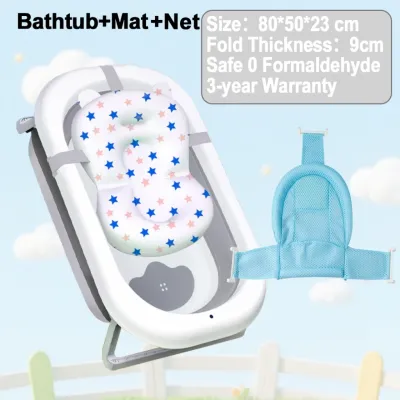
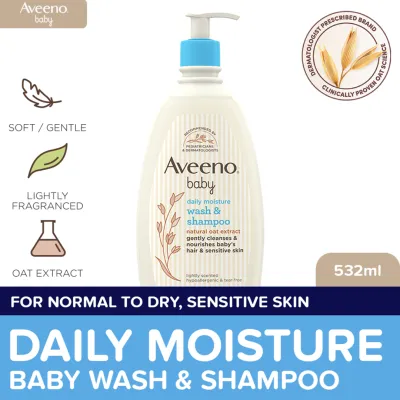
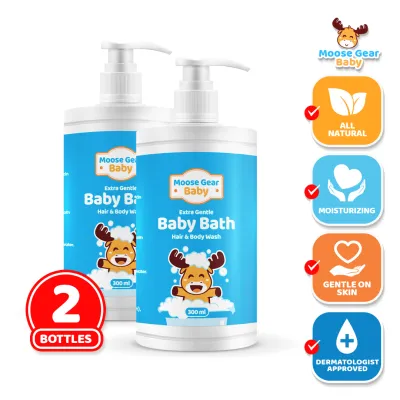
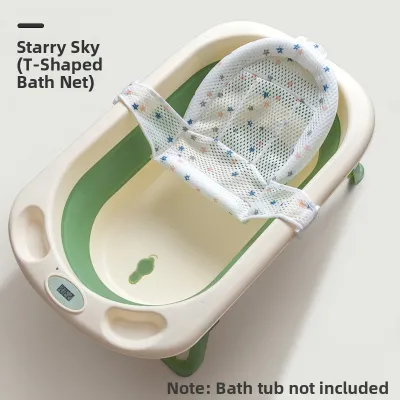
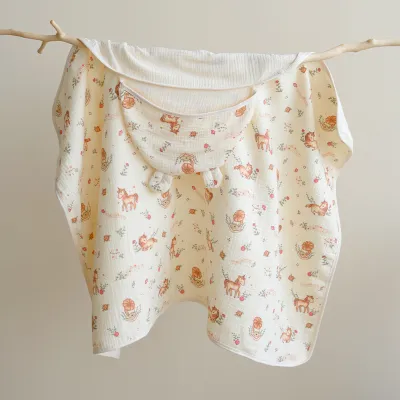
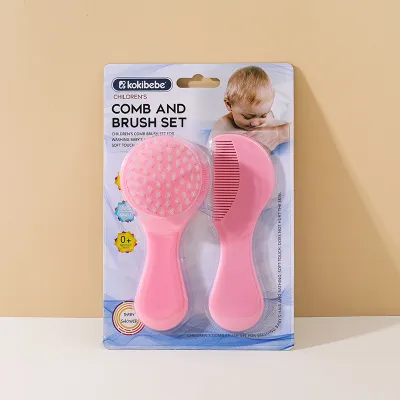
Prices are valid at publication and may change. Please refer to the product page for the latest price.
To enhance safety around the bathing area, invest in a mold-resistant, non-slip bath mat. Because tropical humidity can accelerate mold and mildew growth on damp surfaces, choose mats made from high-quality, BPA-free rubber or silicone that can be easily scrubbed and hung to dry. These mats provide essential traction for you as you kneel or stand beside the tub, reducing the risk of accidental slips on wet bathroom tiles.
Essential Wash and Skincare Products
A newborn’s skin barrier is still developing, making it highly susceptible to irritation, dryness, and chemical sensitivities. When selecting a baby wash and shampoo, look for liquid formulas explicitly labeled as tear-free, fragrance-free, and pH-balanced. Avoid products containing synthetic perfumes, parabens, or sulfates, as these can strip the skin of its natural oils and trigger conditions like eczema or heat rash, which are common in warm climates. A two-in-one hair and body wash is highly practical, minimizing the number of bottles you need to manage during bath time.

Moisturizers and lotions are not always necessary for every newborn, but they can help soothe dry patches or peeling skin, which is common in the first few weeks. If you choose to use a lotion, select a hypoallergenic, fragrance-free formula designed specifically for newborns. Look for nourishing, simple ingredients like ceramides or colloidal oatmeal, and avoid heavy mineral oils or products with long lists of synthetic additives. Always consult your pediatrician before applying any specialized creams, especially if your baby shows signs of persistent redness, scaling, or cradle cap.
For the delicate areas of the face, eyes, and diaper region, high-quality cotton balls or ultra-soft, water-based wipes are indispensable. During the first few weeks, many pediatricians recommend using only plain water and sterile cotton balls to clean your baby’s face and eyes to prevent irritation. Keep a clean container of large cotton balls next to your bathing station. When reading product labels on any skincare item, look for dermatological testing certifications and clear ingredient lists. Do not rely solely on front-of-package marketing terms like “natural” or “organic”; instead, turn the bottle over to verify that there are no hidden fragrances or harsh preservatives.
Drying and Dressing Must-Haves
Keeping your baby warm immediately after a bath is crucial, as newborns lose body heat rapidly when wet, even in a warm tropical environment. A hooded baby towel is a must-have for this transition. The hood is designed to cover the baby’s head immediately after they are lifted from the water, trapping body heat and preventing chills. Look for towels made from highly absorbent, soft fabrics such as organic cotton or bamboo terry. These materials are gentle on sensitive skin and dry quickly, which is essential for maintaining hygiene in humid weather.
Alongside the main towel, you will need several small, soft washcloths. These are useful for gently wiping the baby’s skin during the bath and cleaning hard-to-reach creases behind the ears, under the neck, and around the thighs. Plan to have at least six to eight washcloths in your rotation, as they require frequent laundering. Choose cloths with finished, soft edges that will not scratch or irritate the skin.
Before you even turn on the water, set up a clean diapering and dressing station within arm’s reach of the bath area. This setup should include a fresh diaper, a clean set of clothes (such as a lightweight cotton onesie suitable for local temperatures), and any necessary barrier ointments. Having these items organized beforehand ensures you never have to leave your baby unattended to search for a clean diaper. If you use diaper rash creams or barrier ointments, choose formulas containing zinc oxide to protect the skin from moisture. Verify that the ointment is compatible with your diapering choice, as some thick creams can clog the fibers of cloth diapers and reduce their absorbency.
Bath Time Safety and Environment Preparation
Creating a safe physical environment is the most critical aspect of the newborn bath routine. Before bringing your baby into the room, prepare the space to prevent drafts. In the Philippines, many homes rely on electric fans or air conditioning units to stay cool. Always turn off these cooling devices in the bathing room at least ten minutes before starting the bath, and close any open windows to keep the air still and warm.
Water temperature must be carefully managed to prevent accidental burns or discomfort. The ideal temperature for a newborn bath is lukewarm, typically between 37°C and 38°C. While a dedicated digital bath thermometer provides an exact reading, you can also perform the traditional wrist or elbow test. Submerge your elbow or the inside of your wrist into the water; it should feel comfortably warm, not hot. Always stir the water thoroughly before testing to eliminate any hot spots that may have settled at the bottom of the tub.
The golden rule of baby safety is absolute, uninterrupted supervision. A newborn can slip or drown in as little as two centimeters of water in a matter of seconds. Never leave your baby unattended in the tub, even for a moment to answer a phone, grab a towel, or open the door. If you must leave the room for any reason, wrap your baby in a towel and take them with you. This is why gathering all your supplies—towels, washcloths, clean clothes, diapers, and wash—before you begin is an essential safety step rather than just a convenience.
What You Can Skip or Buy Later
It is easy to get swept up in cute baby accessories, but many items marketed as bath essentials are unnecessary or even counterproductive for newborns. Bath toys, for instance, can be completely omitted from your initial shopping list. Newborns do not have the motor skills or visual acuity to interact with toys in the water; these items only become relevant around six months of age when the baby can sit up and play.
Similarly, elaborate bathrobes, fancy matching spa sets, and decorative accessories offer little practical value. They are often difficult to put on a squirming, wet newborn and do not dry the baby as quickly or efficiently as a simple, high-quality hooded towel. You can also skip bubble baths and heavily scented bath products. These formulas contain foaming agents and strong fragrances that can dry out delicate skin, cause allergic reactions, or irritate the urinary tract.
Lastly, avoid expensive specialized baby bath spas, complex electronic water-spraying gadgets, or oversized grooming kits. These items often feature hard-to-clean parts that can trap stagnant water and harbor mold, especially in humid climates. Stick to the basics of a safe tub, gentle wash, and soft towels to keep your routine simple, hygienic, and budget-friendly.
Frequently Asked Questions (FAQ)
How often should I bathe my newborn?
According to general pediatric guidelines, newborns do not need to be bathed every day. Two to three times a week is generally sufficient to keep them clean, as over-bathing can dry out their sensitive skin. Until the umbilical cord stump falls off and heals completely—and, if applicable, circumcision wounds heal—stick strictly to gentle sponge baths. Use a damp, warm washcloth to clean the diaper area, hands, face, and skin folds. If you live in a particularly hot or humid area, you can perform daily sponge-downs of the neck and diaper creases to prevent sweat rash without subjecting the baby to a full tub bath. If you notice signs of persistent dry, peeling, or cracked skin, reduce the frequency of soap use and consult your pediatrician.
When can I start using regular baby lotion?
You do not need to apply lotion to a newborn immediately or routinely unless their skin is visibly dry or peeling. A newborn’s skin naturally sheds its outer layer during the first few weeks, which is a normal process that does not require treatment. If you decide to introduce a moisturizer, wait until the baby is at least a few weeks old and choose a mild, fragrance-free lotion formulated specifically for sensitive newborn skin. Always perform a patch test first: apply a tiny amount of the lotion to a small, clear patch of skin on the baby’s arm or leg and monitor the area for 24 hours for any signs of redness, bumps, or irritation. If the skin remains clear, the product is generally safe to use. Consult your pediatrician for personalized recommendations if your baby has eczema or highly sensitive skin.
Community discussion
Share your experience or ask a question. Comments are reviewed before publication.