
When setting up your nursery, selecting a safe higaan ng baby new born (newborn baby mattress) is one of the most critical decisions you will make for your infant’s health and safety. A newborn sleeping surface is not merely a comfort item; it is a structural safety device designed to support a developing body and protect against sleep-related hazards. Sudden Infant Death Syndrome (SIDS) and accidental suffocation are closely linked to the physical characteristics of an infant’s sleep surface, making careful evaluation essential.
Because newborns lack the motor skills and neck strength to extricate themselves from dangerous positions, their sleep environment must be meticulously controlled. Understanding the physical properties of a safe mattress—such as surface density, dimensional compatibility, and material composition—allows you to eliminate preventable risks. By focusing on evidence-based safety standards rather than aesthetic appeal, you can create a secure space that supports your baby through their most vulnerable months.
Quick Answer: Essential Safety Features for a Higaan ng Baby New Born
To ensure your baby’s sleep environment is secure, look for these non-negotiable safety features when shopping for a newborn mattress:
Products mentioned in this guide
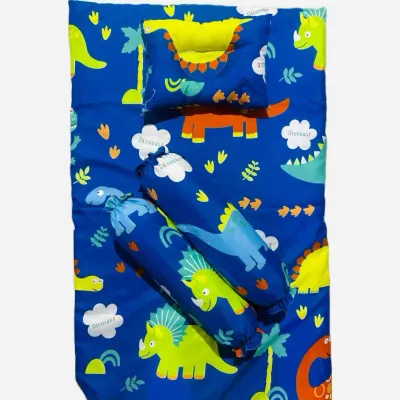
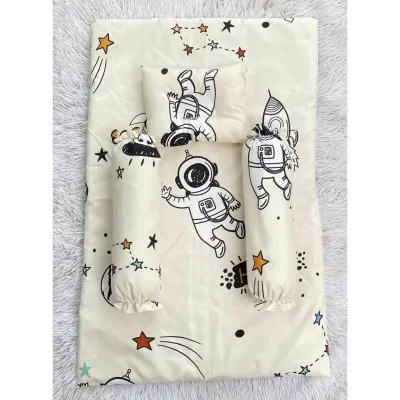

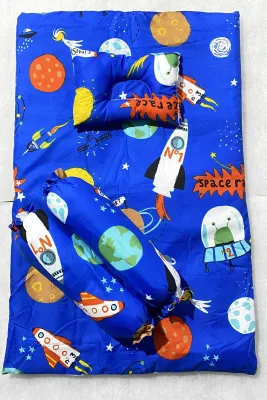

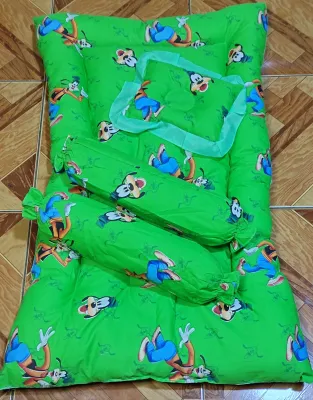
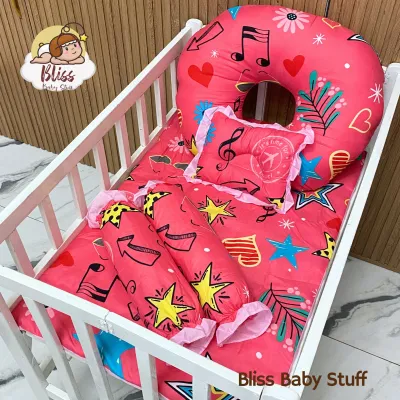
Prices are valid at publication and may change. Please refer to the product page for the latest price.
- Ultra-Firm Surface: The mattress must feel solid and resist conforming to the baby's head or body shape to keep airways completely unobstructed.
- Exact Crib Fit with Zero Gaps: There should be no space wider than two fingers between the mattress edge and the crib frame to eliminate entrapment hazards.
- High Breathability: Materials that promote airflow help regulate your baby's temperature and reduce the risk of carbon dioxide rebreathing.
- Non-Toxic, Certified Materials: Look for verified chemical emissions and material safety certifications to protect your baby from harmful volatile organic compounds (VOCs).
- Completely Flat Sleeping Surface: The mattress must lay flat without any built-in inclines, wedges, or elevated sections.
While selecting the right mattress is a critical step, it is only one component of a safe sleep environment. A safe mattress cannot neutralize the risks of loose bedding, improper sleep positioning, or lack of supervision. For personalized medical advice, or if your infant has underlying health conditions such as respiratory issues or premature development, always consult your pediatrician.
Firmness and Support: The Primary Defense Against SIDS
Many first-time parents are surprised by the rigidity of high-quality infant mattresses. While adults associate plush, contouring surfaces with comfort, such materials are highly dangerous for a newborn. A newborn’s skeletal system is rapidly developing, and their muscles are not yet strong enough to lift their head if they roll over. An ultra-firm sleeping surface provides the necessary resistance to keep the baby’s airway open and stable throughout the night.

When an infant sleeps on a soft surface, the material can conform to the shape of their face if they turn over. This creates a localized depression that traps exhaled carbon dioxide. The baby then rebreathes this trapped air, leading to a dangerous drop in oxygen levels—a primary mechanism linked to SIDS. Additionally, soft surfaces can compress under the weight of the baby’s head, potentially blocking the trachea if the neck bends at an awkward angle.
To evaluate mattress firmness when shopping, you can perform a simple, practical “hand press test” on the retail model:
- Step 1: Place the mattress on a flat, solid surface.
- Step 2: Press your hand firmly down into the exact center of the mattress, then release.
- Step 3: Repeat this firm pressure along the outer edges and corners.
- Step 4: Observe the recovery time. A safe infant mattress must snap back immediately into its original shape without leaving any temporary indentation or handprint.
If the mattress surface takes more than a second to recover, or if it retains a slight contour of your hand, it is too soft for a newborn. You must strictly avoid using soft mattress toppers, adult-grade memory foam, pillows, plush bedding, or padded mattress covers. These aftermarket additions compromise the structural firmness of the mattress and introduce severe suffocation risks.
Mattress Fit and Crib Compatibility: Eliminating Entrapment Hazards
Physical entrapment is a highly preventable hazard that occurs when a mattress does not match the dimensions of the crib frame. If a mattress is too small, dangerous gaps are created along the sides and corners. A moving infant can easily slide into these spaces, leading to situations where the head, limbs, or torso become wedged between the mattress and the crib rails, risking suffocation or structural strangulation.
To prevent this, parents should always utilize the “two-finger rule” when testing the fit of a mattress inside the crib. Once the mattress is placed flat within the crib frame, try to slide your index and middle fingers between the edge of the mattress and the inner wooden rails. If you can easily insert more than two fingers at any point along the perimeter, the mattress is too small for that specific crib and must not be used.
Never rely solely on generic industry labels such as “standard crib size” or “universal fit” when purchasing your sleep setup. Standard sizes can vary slightly between manufacturers, particularly when comparing imported brands with local Philippine fabricators. A discrepancy of even one or two centimeters is enough to create a hazardous gap. Always use a physical tape measure to record the precise interior length and width of your crib frame, and compare those measurements directly against the physical dimensions of the mattress.
Ensure you check for a snug fit at all four corners and along all sides of the crib. If you discover a gap that violates the two-finger rule, stop using that mattress and crib combination immediately. Do not attempt to resolve the issue by stuffing rolled-up towels, blankets, or foam wedges into the gaps, as these temporary fixes create severe, high-risk suffocation zones. Instead, contact the manufacturer to verify compatibility or replace the mattress with one that matches your crib’s exact measurements.
Material Safety and Breathability: Reducing Overheating and Toxicity
In the tropical, high-humidity climate of the Philippines, managing the sleep microclimate is a major safety priority. High ambient temperatures and humidity can cause a sleeping baby to sweat excessively, which increases the risk of overheating—a well-documented risk factor for SIDS. A mattress with high breathability allows heat and moisture to dissipate away from the baby’s body, helping to regulate their core temperature naturally.
Breathability and Airflow
Breathable mattresses typically feature open-cell foam structures, woven polymer cores, or specialized mesh covers that facilitate continuous airflow. This design ensures that if a baby does manage to turn face-down, air can still circulate around their nose and mouth, reducing the risk of asphyxiation. When selecting a mattress, look for materials that allow you to easily breathe through them when pressed directly against your face, as this indicates superior air permeability.
Balancing Waterproofing and Airflow
While airflow is critical, a newborn mattress must also be protected from moisture. Liquid penetration from diaper leaks, spit-up, and sweat can quickly turn the interior of a mattress into a breeding ground for mold, mildew, and bacteria. In humid Philippine households, this biological growth can occur rapidly, posing respiratory risks to your developing infant. To balance these needs, look for a mattress that features a removable, water-resistant cover that is vapor-permeable. This allows heat to escape while preventing liquids from soaking into the core.
Chemical Safety and Off-Gassing
Newborns spend up to 16 hours a day with their faces positioned directly above the mattress surface, making them highly sensitive to chemical off-gassing. Many conventional mattresses are manufactured using petroleum-based foams, chemical flame retardants, and heavy metals that release volatile organic compounds (VOCs) into the air. To protect your baby from inhaling these compounds, prioritize mattresses that explicitly detail their material composition. Avoid relying on unverified marketing terms like “natural,” “eco-friendly,” or “hypoallergenic” without reviewing the manufacturer’s technical specifications.
Cleaning and Maintenance
To maintain a hygienic sleep environment, the mattress cover must be easily removable and machine-washable. Regular washing at high temperatures is necessary to eliminate dust mites, sweat residue, and environmental allergens. Some modern infant mattresses even feature fully washable cores made of food-grade polymers that can be rinsed in the shower. Ensure that any cleaning method you use aligns strictly with the manufacturer’s care instructions to avoid degrading the structural integrity of the mattress materials.
Certifications and Standards to Verify Before Purchasing
Because marketing claims can be misleading, verifying independent, third-party safety certifications is the most reliable way to confirm a manufacturer’s safety assertions. Do not assume a product is safe simply because it is sold in a reputable store or features attractive packaging. Legitimate certifications must be verified by checking the physical product label or by searching the certifying body’s official public database.
When evaluating a newborn mattress, look for these recognized safety and environmental standards:
- GREENGUARD Gold: This certification ensures that the product has been rigorously tested for thousands of chemicals and VOCs, meeting strict emissions standards to safeguard indoor air quality.
- CertiPUR-US: For mattresses containing polyurethane foam, this seal verifies that the foam is manufactured without ozone depleters, heavy metals, formaldehyde, phthalates, or harmful flame retardants.
- GOTS (Global Organic Textile Standard): If you prefer organic textiles, this certification guarantees that at least 70% of the fibers are organic and free from toxic processing chemicals.
- OEKO-TEX Standard 100: This independent testing system verifies that the textile components of the mattress are completely free from harmful levels of regulated and unregulated chemicals.
In the Philippines, parents should also check for local consumer protection indicators. Look for compliance with local regulations, clear English-language safety warnings, and imported products that display verified international safety marks. Always read the manufacturer’s physical warning labels attached to the mattress before installation.
It is vital to understand that no certification, no matter how prestigious, guarantees the absolute prevention of SIDS. Certifications only indicate that a mattress has successfully complied with specific mechanical, chemical, or structural testing standards. They are a tool to verify material safety, but they must always be paired with consistent, safe sleep practices.
Safe Sleep Practices Beyond the Mattress
Even the safest, most certified mattress cannot protect a newborn if the surrounding sleep environment is hazardous. A safe mattress is simply the foundation of a comprehensive safe sleep strategy. To minimize the risk of SIDS and suffocation, caregivers must strictly adhere to established pediatric sleep guidelines for every nap and nighttime sleep cycle.
First and foremost, always place your baby flat on their back to sleep. Side and stomach sleeping positions are highly dangerous for newborns, as they make it much easier for the baby’s airway to become obstructed or for them to roll into a face-down position. Once your baby can consistently roll over from back to front and front to back on their own, you can allow them to choose their own sleeping position, but always start them on their back.
Keep the crib completely bare. The sleeping surface should consist only of the firm mattress and a tight-fitting sheet. Do not place these items in the crib:
- Pillows or cushions
- Loose blankets, sheets, or quilts
- Bumper pads (including breathable mesh bumpers)
- Stuffed toys or plush items
- Sleep positioners or wedges
If you are concerned about your baby getting cold in an air-conditioned room, dress them in a wearable blanket or sleep sack instead of using loose bedding. Ensure the sleep sack fits well around the neck and arms so it cannot slide up over the baby’s face.
Room-sharing without bed-sharing is highly recommended for the first 6 to 12 months of life. Keep your baby’s crib, bassinet, or playard in your bedroom close to your bed. This proximity allows for easy monitoring and feeding while avoiding the severe suffocation risks associated with sharing an adult bed, which is not designed to support a newborn safely.
Additionally, monitor your baby’s physical development to determine when to transition them out of their newborn sleep setup. You must adjust the crib mattress to its lowest setting or transition the baby to a toddler bed as soon as they show signs of pulling themselves up, sitting unassisted, or when they reach the manufacturer’s stated height and weight limits. If your baby has specific health conditions, such as severe gastroesophageal reflux, consult your pediatrician before altering their sleep position, as elevation wedges are not recommended for unsupervised sleep.
Frequently Asked Questions (FAQ)
Can I use a second-hand mattress for my newborn?
It is highly recommended to purchase a new mattress for your newborn. Second-hand mattresses carry hidden risks, such as structural sagging that compromises firmness, accumulated mold or bacterial growth from past spills, and exposure to dust mites. Additionally, older mattresses may not comply with current safety standards or may have suffered internal degradation that is not visible from the outside. Only use a second-hand mattress if you can verify its complete history, usage, and dry storage conditions, and confirm that its structural firmness remains fully intact.
Is a memory foam mattress safe for a newborn?
Traditional adult memory foam is highly unsafe for newborns because it is engineered to contour to the body’s shape using body heat. If a newborn turns face-down on traditional memory foam, the material will conform to their face, creating a pocket that can trap carbon dioxide and block their airway. If you are considering a foam mattress, it must be specifically engineered, tested, and certified as ultra-firm for infants. Always physically test the mattress yourself using the hand press test to ensure it does not contour or sink.
How often should I check the mattress for safety hazards?
You should perform a quick safety inspection of the mattress every time you change the crib sheets, or at least once a week. Check the surface for any signs of sagging, soft spots, or physical wear that could compromise its firmness. Inspect the waterproof cover for tears or cracks that could allow moisture to seep into the core, and re-verify that the mattress still fits snugly against the crib rails with no dangerous gaps developing over time. If you detect any structural changes, replace the mattress immediately.
Community discussion
Share your experience or ask a question. Comments are reviewed before publication.