
Quick Answer: Which Formula Is Best for Your 6-12 Month Old?
Choosing the right formula for your baby during the crucial 6 to 12-month window is one of the most significant decisions you will make as a parent. There is no universal “best” formula; the ideal choice depends on your baby’s unique digestive tolerance, nutritional needs, and your pediatrician’s guidance. What works beautifully for one infant might cause gas, spit-up, or constipation in another.
To help you navigate your choices, the four popular brands in the Philippines serve distinct roles. Enfagrow is highly recognized for its focus on DHA and brain-supporting nutrients. NAN emphasizes digestive comfort and immune support through optimized proteins and probiotics. Nestogen 6 to 12 months (Nestogen 2) offers balanced, reliable nutrition with prebiotics at an accessible, budget-friendly price point. Meanwhile, Nido is formulated for older toddlers and requires strict age-label verification before use.
For the 6 to 12-month age group, you must look for “Step 2” or “Follow-on” variants on the packaging. These are specifically tailored to bridge the gap as your baby transitions to solid foods. Always consult your pediatrician before switching brands to ensure the chosen formula aligns with your baby’s developmental health.
Products mentioned in this guide
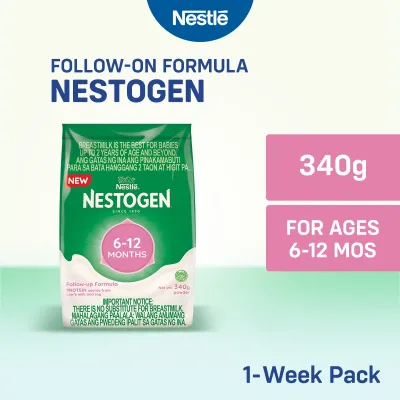
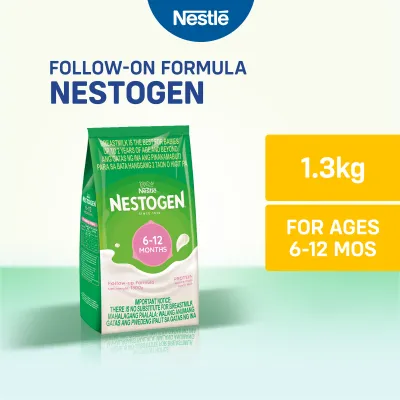
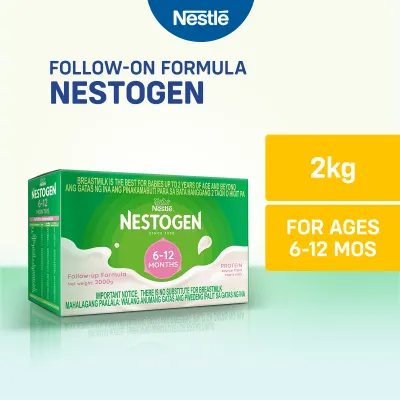



Prices are valid at publication and may change. Please refer to the product page for the latest price.
Understanding the Nutritional Shifts at 6-12 Months
At six months, your baby reaches an exciting developmental milestone: the introduction of complementary solid foods. While they begin exploring pureed vegetables, fruits, and local staples like lugaw (rice porridge), breastmilk or formula remains their primary source of nutrition and hydration. This period is marked by rapid physical growth and cognitive leaps that require a different nutrient profile than what newborn formulas provide.

During this stage, your baby’s natural iron stores, which accumulated while in the womb, begin to deplete. Consequently, their dietary requirement for iron spikes significantly to prevent iron-deficiency anemia and support brain development. Calcium and Vitamin D also become increasingly critical to support rapid skeletal growth as babies learn to roll, sit, crawl, and pull themselves up to stand.
Step 1 formulas designed for newborns do not contain the elevated levels of iron and calcium required for this active developmental stage. Conversely, Step 3 toddler milks are formulated for children aged one year and older who eat a much wider variety of table foods. Feeding Step 3 milk to a 6-12 month old can overload their immature digestive and renal systems with inappropriate protein and mineral concentrations, making a dedicated Step 2 follow-on formula essential.
Brand Profiles: What to Expect from Each Formula
Nestogen (Step 2 / Follow-on)
Nestogen 2 is a widely trusted follow-on formula in the Philippines, highly valued by families seeking a balance between reliable nutrition and budget-friendly accessibility. It is specifically formulated to meet the nutritional requirements of infants from 6 to 12 months during the complementary feeding phase.
This formula focuses on providing essential vitamins and minerals without a premium price tag. It features a blend of prebiotics, typically Galacto-oligosaccharides (GOS) and Fructo-oligosaccharides (FOS), which help support healthy digestion and maintain soft stools. This makes it a practical option for parents looking to support their baby’s gut comfort.
When choosing Nestogen 6 to 12 months, always check the nutrition facts panel on the tin. Ensure you verify the specific levels of iron, calcium, and zinc to confirm they meet your baby’s daily requirements alongside their solid food intake.
NAN (Step 2 / Follow-on)
NAN OPTIPRO 2 is a premium follow-on formula designed for infants from 6 to 12 months, focusing heavily on digestive comfort and immune system support. Developed with advanced nutritional research, this brand is often recommended for babies with sensitive stomachs.
The hallmark of this formula is its optimized protein blend, designed to deliver the high-quality protein your baby needs for healthy growth without overloading their developing metabolic system. It also frequently incorporates active probiotic cultures, such as Bifidobacterium lactis, and Human Milk Oligosaccharides (HMOs) to support a healthy gut microbiome and strengthen natural defenses.
Because formulations can undergo periodic updates, parents should carefully inspect the current packaging. Verify the specific probiotic strains and the exact levels of DHA and ARA listed on the label to ensure it matches your pediatrician’s recommendations.
Enfagrow (Step 2 / Follow-on)
Enfagrow A+ Step 2 is a premium follow-on formula that focuses its positioning on cognitive and visual development. It is designed for infants from 6 to 12 months who are undergoing rapid neural pathway development.
This formula is highly regarded for its inclusion of Docosahexaenoic Acid (DHA) and Arachidonic Acid (ARA), which are essential structural components of the brain and retina. Some premium variants also highlight the inclusion of Milk Fat Globule Membrane (MFGM) and other lipid structures like sphingomyelin, which support cellular connections in the brain.
When evaluating Enfagrow, look past front-of-pack marketing highlights. Turn the tin around to examine the nutrition facts panel and compare the actual milligrams of DHA per 100 kilocalories against other brands to make an objective, data-driven decision.
Nido (Age Verification Required)
Nido is a household name in the Philippines, known for its rich taste and affordability. This popularity often leads to a common point of confusion: parents sometimes wonder if they can transition their 6 to 12-month-old baby to Nido early to save on milk costs.
It is critical to understand that Nido products, such as Nido 1+, are formulated strictly for toddlers aged one year (12 months) and older. Giving toddler milk to an infant under 12 months poses serious health risks. The protein and mineral concentrations in toddler formulas are too high for an infant’s immature kidneys to process safely, which can lead to dehydration and metabolic stress. Furthermore, toddler milks do not contain the precise levels of iron and vitamins required by a developing infant.
Always check the age grading on the packaging before purchase. Never feed Nido to a baby under 12 months unless explicitly instructed by a pediatric specialist for a specific, documented medical reason.
Comparing Key Nutritional Dimensions on the Label
Brain and Eye Development (DHA, ARA, and Lipids)
DHA and ARA are long-chain polyunsaturated fatty acids that play a crucial role in the development of your baby’s central nervous system and visual acuity. During the 6 to 12-month stage, your baby’s brain is rapidly absorbing sensory information from their environment, making lipid support highly important.
To compare these nutrients objectively, locate the lipid section on the nutrition facts panel of each tin. These values are typically listed per 100 grams of powder or per 100 kilocalories of prepared formula.
While some brands highlight high DHA levels, check if the formula also contains supporting lipids like choline, taurine, and phospholipids. These compounds work together to aid the absorption of fatty acids and support overall cognitive function.
Digestive Health and Immunity (Prebiotics and Probiotics)
A significant portion of your baby’s immune system is housed in their digestive tract, making gut health a primary focus during the transition to solid foods. When comparing formulas, it is helpful to distinguish between prebiotics and probiotics.
Prebiotics (such as GOS and FOS) are non-digestible dietary fibers that serve as food for beneficial gut bacteria, helping to maintain soft stools and comfortable digestion. Probiotics are live, beneficial microorganisms introduced directly into the digestive tract to support a healthy balance of gut flora. Some advanced formulas also feature HMOs, which help support immune defenses by preventing harmful bacteria from adhering to the gut wall.
If your baby is prone to gas, colic, or constipation, check the ingredient list for these specific prebiotic blends and probiotic strains. Consult your pediatrician to determine which combination is best suited for your baby’s digestive profile.
Bone Growth and Energy (Iron, Calcium, and Vitamins)
As your baby begins to crawl and pull themselves up, their skeletal system undergoes rapid calcification, requiring a steady supply of calcium and Vitamin D. These two nutrients work synergistically to build strong bones and healthy teeth.
Equally vital is iron. Because your baby’s natural iron stores deplete around the sixth month, the follow-on formula must provide a reliable source of dietary iron to support red blood cell production and prevent deficiency.
Compare the iron, calcium, and Vitamin D levels per serving across the four brands. Remember that follow-on formula is designed to complement a balanced diet; you must also gradually introduce iron-rich solid foods, such as pureed meats and iron-fortified cereals, to meet your baby’s complete nutritional needs.
Decision Framework: Which Formula Fits Your Baby?
To help you make an informed choice, use this condition-based framework to match a formula to your baby’s specific needs and your family’s circumstances:
- Choose Enfagrow if… Your primary focus is maximizing DHA and brain-supporting lipids, your baby has no history of digestive sensitivity, and your household budget comfortably accommodates a premium-priced formula.
- Choose NAN if… Your baby has a sensitive stomach, experiences mild digestive discomfort like gas or hard stools, and you want to prioritize optimized proteins, active probiotics, and immune-supporting HMOs.
- Choose Nestogen if… You are looking for a reliable, nutritionally balanced follow-on formula that supports basic digestive health with prebiotics, is widely available in local stores, and fits comfortably within a practical monthly budget.
- Choose Nido ONLY IF… Your baby has already reached their first birthday (12 months or older). For the 6 to 12-month stage, you must stick strictly to Step 2 follow-on formulas.
Verify first if… Your baby shows any signs of food allergies, such as eczema, persistent vomiting, chronic diarrhea, or extreme fussiness after feeding. Standard cow’s milk-based formulas may not be suitable for babies with cow’s milk protein allergy (CMPA) or lactose intolerance. In these cases, always consult your pediatrician, who may recommend a specialized hypoallergenic, extensively hydrolyzed, or lactose-free formula.
Safe Preparation and Transitioning Tips
In the warm, humid climate of the Philippines, practicing strict hygiene during formula preparation is paramount to prevent harmful bacterial contamination. Always begin by washing your hands thoroughly with soap and clean water. Ensure that all feeding bottles, nipples, caps, and utensils are meticulously sterilized using a steam sterilizer, UV sterilizer, or by boiling them in water for at least five minutes.
Use clean, safe drinking water that has been boiled for five minutes and allowed to cool to room temperature before mixing. Never use boiling hot water directly on the formula powder, as excessive heat can destroy delicate vitamins and beneficial probiotics. Always follow the exact scoop-to-water ratio specified on the formula tin; altering the concentration can lead to malnutrition or dehydration.
When transitioning your baby to a new formula brand, avoid making an abrupt switch, which can upset their sensitive digestive system. Instead, implement a gradual transition over three to five days:
- Day 1: Replace one of your baby's regular feeds with the new formula.
- Day 2 & 3: Replace two feeds per day with the new formula.
- Day 4 & 5: Fully transition to the new brand if your baby shows no signs of discomfort.
Keep a close eye out for warning signs during any transition. Stop using the new formula immediately and consult your pediatrician or seek urgent medical attention if your baby develops a sudden skin rash or hives, experiences persistent vomiting, passes stools containing blood or mucus, shows signs of severe abdominal pain (such as pulling their legs up to their chest and crying inconsolably), or becomes unusually lethargic.
Community discussion
Share your experience or ask a question. Comments are reviewed before publication.