
Choosing the right milk supplement for a child between one and three years old is a significant decision for parents in the Philippines. When looking for the right milk option, such as Nestogen 1 to 3 years old, Nido, or Enfagrow, parents often face a confusing array of choices. The best formula ultimately depends on your toddler’s specific digestive tolerance, developmental needs, and your family’s household budget, as no single brand is a universal winner.
Each of these popular brands targets a distinct area of toddler development. Nestogen focuses heavily on digestive comfort and gut health, Nido emphasizes general physical growth and immune support, and Enfagrow prioritizes brain and cognitive development. Parents should use this comparison as a starting point to understand these differences. Always consult a pediatrician before making a final switch, especially if your child has known allergies, digestive sensitivities, or specific medical conditions.
Nutritional Baselines for Toddlers (1 to 3 Years Old)
The transition from infancy to toddlerhood brings a shift in nutritional requirements. Between the ages of one and three, physical growth slows down slightly compared to the rapid pace of the first year, but cognitive, motor, and social skills accelerate dramatically. To support this active stage, toddlers require specific amounts of calcium, vitamin D, iron, DHA, and protein daily.
Products mentioned in this guide
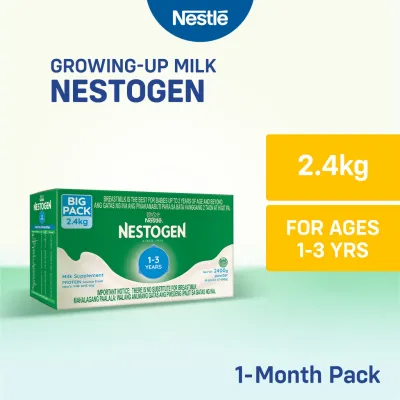
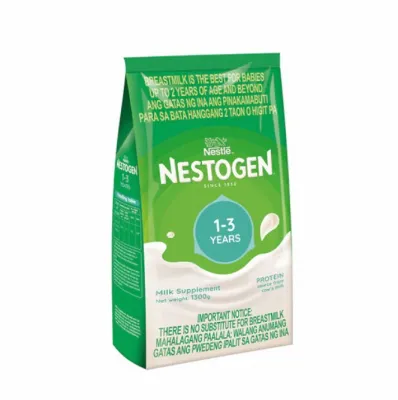
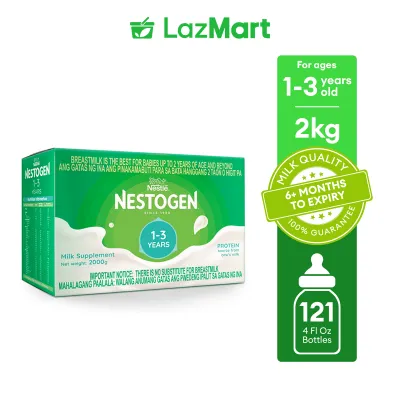
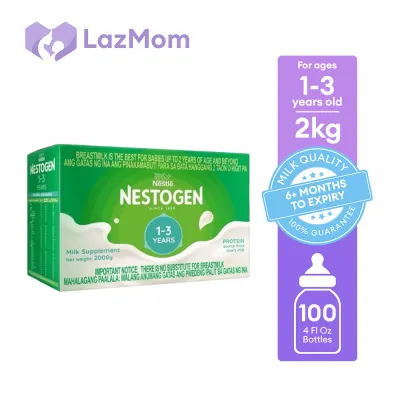
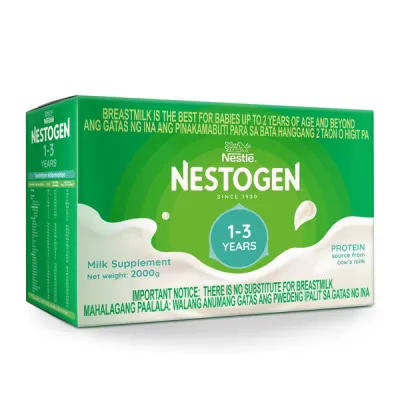



Prices are valid at publication and may change. Please refer to the product page for the latest price.
Calcium and vitamin D are essential for building strong bones and teeth as toddlers learn to walk, run, and explore. Iron plays a critical role in cognitive development and preventing anemia, while DHA (docosahexaenoic acid) supports brain and eye development. Protein is necessary for tissue repair, muscle growth, and overall physical development.
It is important to remember that toddler formula is designed as a nutritional supplement to a solid food diet, not a replacement for balanced meals. In the Philippines, where picky eating can be a common hurdle during the transition to table foods, fortified milk can help fill nutritional gaps. Parents should use these baseline requirements as a checklist when reading product labels, ensuring they understand what specific nutrients their child might need based on their daily food intake. Additionally, water intake should be encouraged, especially during hot afternoons, to maintain hydration alongside milk consumption.
Brand Profiles: Nestogen, Nido, and Enfagrow
To choose the right formula, parents must understand the unique positioning and nutritional focus of each brand.

Nestogen: Focus on Digestion and Gut Health
Nestogen 1 to 3 years old is highly regarded in the Philippine market for its focus on digestive comfort. During the toddler years, transitioning to solid foods can sometimes lead to digestive issues like constipation or hard stools, which can be exacerbated by the hot and humid tropical climate if the child is not adequately hydrated.
Nestogen’s formulation typically emphasizes gut health by incorporating specific prebiotics or dietary fiber blends designed to support a healthy gut microbiome and promote softer stools. Parents should inspect the physical label of Nestogen 1 to 3 years old to verify the exact types of fibers used and assess if this aligns with their toddler’s digestive patterns. This brand is often favored by families looking for a gentle, easy-to-digest option that helps maintain regular bowel movements.
Nido: Focus on General Growth and Immunity
Nido, particularly the Nido 1+ variant, is a household staple in the Philippines, widely marketed for general physical growth, bone strength, and immune defense. Because toddlers are constantly exploring their environment, supporting their immune system is a top priority for parents who want to protect them from common childhood illnesses.
Nido’s formulation typically includes a blend of essential vitamins and minerals, such as vitamins A, C, and E, zinc, and selenium, alongside calcium and vitamin D for bone health. It often features proprietary prebiotic blends to support overall wellness. Parents must carefully check the physical packaging to verify they are purchasing the correct age-specific variant, as Nido offers different formulations for different age groups.
Enfagrow: Focus on Brain and Cognitive Development
Enfagrow positions itself as a premium option with a strong emphasis on cognitive development and brain health. As toddlers rapidly develop language, motor skills, and social behaviors, parents often look for nutritional support that targets these specific cognitive milestones.
The brand is known for incorporating high levels of DHA, ARA, and sometimes MFGM (Milk Fat Globule Membrane), which are key components found in brain tissue. Because these premium ingredients require specialized manufacturing processes, Enfagrow generally sits at a higher price point. Parents should verify the exact DHA milligrams per serving on the nutrition facts panel, as formulations can vary significantly between different sub-lines, such as Enfagrow A+ Four or standard Enfagrow variants.
Comparing the Formulas: What to Check on the Label
To make an objective decision, parents must look past marketing slogans and analyze the actual nutrition information panel on the tin. Below is a structured comparison framework based on key label-checking dimensions.
| Comparison Dimension | Nestogen 1 to 3 Years Old | Nido 1+ | Enfagrow Three |
|---|---|---|---|
| Primary Nutritional Focus | Gut health, easy digestion, and regular bowel movements. | Physical growth, bone development, and immune support. | Cognitive development, brain health, and visual acuity. |
| Key Added Nutrients to Verify | Prebiotics, dietary fibers, essential vitamins, and minerals. | Vitamins A, C, E, Zinc, Selenium, Calcium, Vitamin D, Prebio3. | High levels of DHA, ARA, MFGM, Iron, Iodine, and Zinc. |
| Sugar & Sweetener Profile | Lactose-based; check label for any added sucrose or corn syrup. | Often contains sucrose alongside lactose; verify specific tin. | Lactose-based; check label for corn syrup solids or sucrose. |
| Preparation Ratio | Verify scoop-to-water ratio on the physical tin before preparing. | Verify scoop-to-water ratio on the physical tin before preparing. | Verify scoop-to-water ratio on the physical tin before preparing. |
Sugar content is a critical factor for toddler health. Parents should check the ingredient list for terms like sucrose, corn syrup, corn syrup solids, or fructose. While lactose is the natural sugar found in milk, some brands add sucrose or corn syrup to enhance sweetness and appeal to picky eaters. However, high exposure to added sugars at an early age can contribute to dental cavities and establish a lifelong preference for overly sweet foods. Choosing a formula that relies primarily on lactose is generally better for long-term metabolic and dental health.
Iron and calcium levels must also be verified against the daily recommended values for the one-to-three age group. Iron is vital for brain development and oxygen transport, while calcium is essential for bone density. Compare the milligrams of iron and calcium per serving across the brands. If your child eats plenty of iron-rich foods like meat, fish, and green leafy vegetables, a formula with moderate iron may suffice. If they are highly selective eaters, a formula with higher iron fortification might be more appropriate. Always remember that formulations change, so the physical tin in your hand is the ultimate source of truth. Make sure to look at the “per 100g” or “per serving” column on the nutrition facts panel to make an accurate, side-by-side comparison.
Budgeting and Cost Per Serving in the Philippines
Feeding a toddler is a long-term financial commitment, and the upfront price of a milk tin can be misleading. To find the true cost, parents should calculate the cost per serving rather than comparing the retail price of different tin sizes.
Use this formula to calculate the cost per serving:
**Cost Per Serving = (Retail Price of the Tin / Total Weight in Grams) (Grams per Scoop Number of Scoops per Serving)**
For example, a larger tin (such as 1.2kg or 1.6kg) usually offers a lower cost per gram compared to smaller 350g or 400g packs. However, larger tins require a higher upfront expense. Parents should also consider the manufacturer’s recommended daily intake—usually two to three servings per day—to estimate the weekly or monthly cost of each brand.
In the Philippines, Nestogen and Nido are generally positioned in the mid-to-budget range, making them highly accessible for average household budgets. Enfagrow is positioned as a premium brand, which can significantly increase monthly household expenses. Parents can find these brands at local supermarkets like SM Supermarket, Puregold, or Robinsons, as well as official brand stores on reputable e-commerce platforms. Keep an eye out for promotional bundles, bulk discounts, or loyalty points to help manage these recurring costs. Additionally, remember to store opened tins in a cool, dry place and consume them within the manufacturer’s recommended timeframe (usually three to four weeks) to avoid spoilage and waste.
Decision Framework: How to Choose the Right Formula
To simplify the choice, parents can use a conditional decision framework based on their toddler’s unique profile and the family’s financial situation.
- Choose Nestogen if: Your toddler experiences mild digestive issues, such as hard stools or occasional constipation, and you want to prioritize gut health and easy digestion. This is also an excellent choice if you need a reliable, budget-friendly formula that supports comfortable digestion.
- Choose Nido if: Your toddler has transitioned well to solid foods, has no major digestive sensitivities, and you want to support general physical growth, bone strength, and immunity. Nido is ideal for families looking for a highly accessible, cost-effective, and trusted everyday milk drink.
- Choose Enfagrow if: You wish to prioritize nutrients specifically geared toward brain and cognitive development, such as high levels of DHA, and your household budget comfortably accommodates a premium price point.
- Verify first with a pediatrician if: Your toddler has a history of allergies (such as cow's milk protein allergy), severe lactose intolerance, chronic digestive issues, or developmental delays. A pediatrician can help identify if your child requires a specialized hypoallergenic or lactose-free formula instead of standard toddler milks.
Transitioning Safely and Monitoring Your Toddler
When switching from breastmilk, infant formula, or another brand to a new toddler formula, a gradual transition is essential to prevent digestive shock. The toddler’s digestive system is still maturing and can be sensitive to sudden changes in protein structures or mineral concentrations.
A safe transition plan typically spans seven days. On days 1 and 2, prepare the bottle with 75% of the old formula and 25% of the new formula. On days 3 and 4, use a 50/50 mix. On days 5 and 6, shift to 25% old and 75% new formula. By day 7, you can transition fully to 100% of the new formula. Alternatively, you can introduce one bottle of the new formula per day, gradually replacing all daily feeds over a week.
During this period, closely monitor your toddler for signs of good tolerance, such as normal stool consistency, regular bowel movements, and a playful, energetic demeanor.
Conversely, watch out for clear red flags that indicate the formula may not suit your child. Stop using the new formula immediately and consult your pediatrician if you observe severe skin rashes, hives, persistent vomiting, watery diarrhea, blood in the stool, excessive abdominal gas, or signs of dehydration (such as crying without tears or fewer wet diapers). Always remember that toddler milk is meant to complement, not replace, a balanced solid food diet, and all feedings should be supervised by a caregiver.
Frequently Asked Questions (FAQ)
These common questions can help clarify specific concerns about toddler formula preparation and usage.
Can I mix different formula brands in one bottle?
No, you should not mix different formula brands in the same bottle. Each brand has a unique scoop size, powder density, and specific preparation instructions designed to achieve a precise nutrient and water ratio. Mixing powders can lead to improper dilution, making the milk either too concentrated (which strains the toddler’s kidneys and digestive system) or too diluted (which deprives them of necessary nutrients). Always prepare each formula separately according to its specific package instructions, and stick to one brand at a time unless otherwise directed by a pediatrician.
Is toddler formula necessary if my child eats solid foods well?
Toddler formula is not strictly necessary if your child is eating a diverse, well-balanced solid food diet and drinking whole cow’s milk. If your toddler consumes adequate portions of iron-rich foods, calcium sources, healthy fats, and vitamins from fruits and vegetables, their nutritional needs are likely met. However, many toddlers go through picky eating phases. In such cases, fortified toddler milk serves as a practical nutritional safety net to fill potential gaps. Consult your pediatrician to assess your child’s specific dietary intake and determine if a supplemental formula is beneficial for them.
Community discussion
Share your experience or ask a question. Comments are reviewed before publication.