
When choosing the right formula milk for your newborn, the immediate and most critical decision is ensuring the product matches your baby’s exact developmental stage. For a newborn baby aged zero to six months, only Stage 1 infant formulas—such as Nestogen Stage 1 or NAN Stage 1—are safe and appropriate options. Nido, which is formulated as a growing-up milk for toddlers aged one year and older, must never be given to a newborn. Breastmilk remains the gold standard for infant nutrition, providing optimal antibodies and nutrients uniquely tailored to your baby’s growth. However, when formula feeding is necessary or recommended by your pediatrician, selecting between Nestogen and NAN requires a careful look at their nutritional profiles, digestibility, and how they fit your family’s budget in the Philippines. This guide will help you navigate these choices safely, ensuring your baby receives the correct nutrition for their developmental stage.
Age Suitability and Safety for Newborns
Understanding the strict age boundaries of formula milk is the most vital safety step for any parent. Infant formulas are highly regulated and scientifically designed to mimic the nutritional composition of breastmilk at specific stages of growth. Nestogen Stage 1 and NAN Stage 1 are specifically formulated for infants from birth up to six months of age. These formulas contain highly processed, easily digestible proteins, essential fatty acids, vitamins, and minerals in precise ratios that support a newborn’s rapid development without overwhelming their delicate organs.
In contrast, Nido is a growing-up milk designed for toddlers aged one year and older, or young children aged three years and older, depending on the specific product variant. Full-cream milks and growing-up milks like Nido lack the specific nutrient ratios required for a newborn’s immature digestive system. A newborn’s kidneys are not yet fully developed and cannot handle the high concentration of proteins and minerals, such as sodium and potassium, found in toddler milks. Feeding a newborn toddler milk can lead to a dangerous condition known as high renal solute load, which can cause severe dehydration, digestive distress, and nutrient deficiencies. Furthermore, toddler milks do not contain the necessary levels of iron and other micronutrients required to prevent anemia and support brain development in the first six months of life.
Products mentioned in this guide
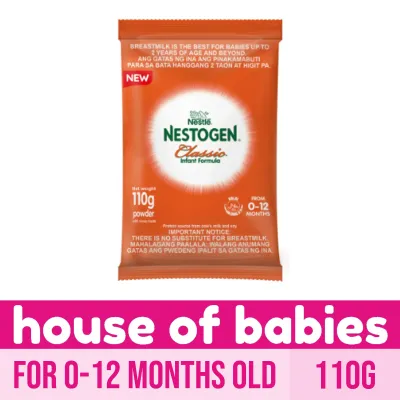
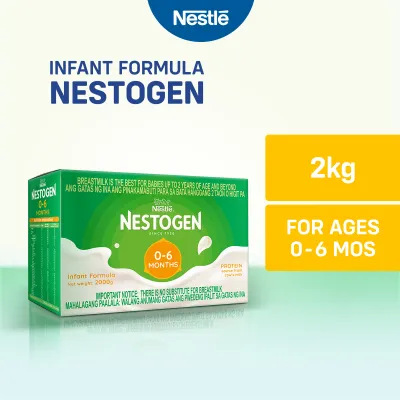
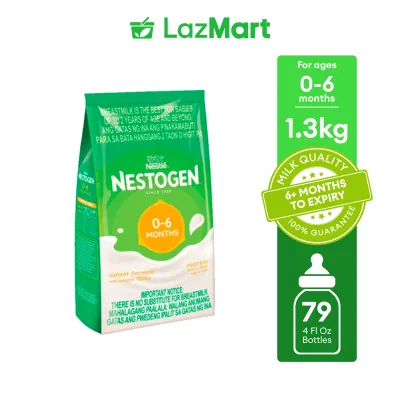
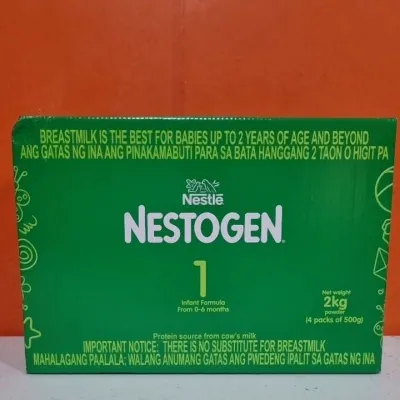
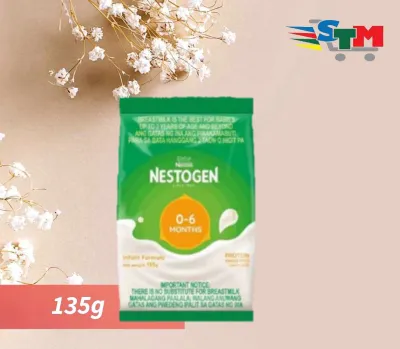
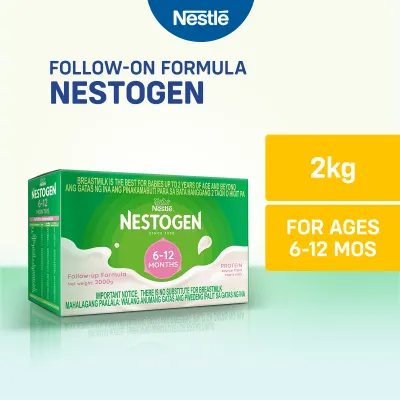
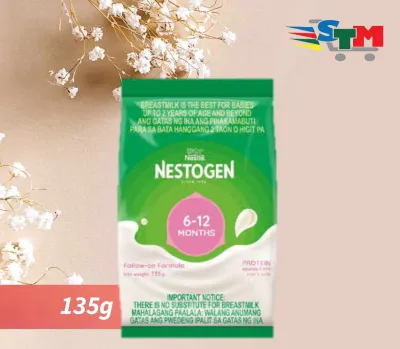
Prices are valid at publication and may change. Please refer to the product page for the latest price.
To ensure your baby’s safety, always check the product label carefully before making a purchase. Look for explicit indicators such as “Stage 1,” “Infant Formula,” or “for infants from 0 to 6 months” on the front of the packaging. Never rely on brand familiarity alone, as many brands produce multiple product lines for different age groups under very similar packaging designs.
Nestogen vs NAN: Nutrition and Digestibility
While both Nestogen Stage 1 and NAN Stage 1 are designed for newborns, they are formulated with different nutritional philosophies to address varying digestive needs. Understanding these differences allows you to align your choice with your baby’s unique digestive tolerance, always under the guidance of your pediatrician.

Nestogen is generally formulated with a focus on digestive comfort and gut health. Standard manufacturer descriptions indicate that Nestogen often incorporates specific prebiotics or dietary fiber blends. Prebiotics serve as food for the beneficial bacteria in your baby’s gut, helping to promote a healthy microbiome, soften stools, and support regular bowel movements. This focus makes Nestogen a common consideration for babies who experience mild constipation or hard stools.
NAN, on the other hand, typically focuses on advanced protein quality and immune support. Many products in the NAN line feature optimized protein ratios or partially hydrolyzed proteins, which are broken down into smaller pieces to make them easier for a newborn’s sensitive stomach to process. Additionally, NAN formulas often include specific active probiotics, such as Lactobacillus reuteri, which are live beneficial bacteria aimed at supporting the gut barrier and strengthening the immune system. This formulation is often considered for babies who experience frequent gas, colic, or spit-up.
When comparing these brands, it is highly beneficial to learn how to read the ingredient list and nutritional information panel on the back of the packaging. Look for key additions such as DHA (docosahexaenoic acid) and ARA (arachidonic acid), which are polyunsaturated fatty acids crucial for brain and visual development. Check for the specific types of prebiotics (such as GOS and FOS) or probiotics listed. Keep in mind that exact formulations can vary significantly depending on the specific product line (such as standard, premium, or specialized options) and regional availability.
Ultimately, the most important factor is how your individual baby tolerates the formula. Monitor your baby closely for signs of tolerance, which include consistent weight gain, a generally content disposition after feeding, and normal stool consistency (soft and easy to pass). Signs of intolerance may include excessive fussiness, severe gas, frequent projectile vomiting, or stools that are watery, bloody, or extremely hard. If you observe any signs of discomfort, consult your pediatrician immediately rather than switching formulas on your own.
Evaluating Price and Availability in the Philippines
Managing the cost of infant formula is a practical reality for many families in the Philippines. Because formula feeding is a continuous expense for at least the first year of life, finding a sustainable option that fits your household budget is essential. However, comparing prices directly by the container can be misleading due to varying packaging sizes, such as boxes versus tin cans.
To make an accurate financial comparison, calculate the cost per 100 grams of powder. You can do this by dividing the retail price of the package by its total weight in grams, and then multiplying the result by 100. For example, if a 340-gram box costs a certain amount, and an 800-gram tin costs another, calculating the cost per 100 grams will reveal which option offers better long-term value. Generally, larger tin cans or multi-pack bundles offer a lower cost per gram, though they require a higher upfront payment. Nestogen is widely recognized as a more budget-friendly option, whereas NAN is positioned as a premium formula with a higher price point due to its specialized protein processing and added ingredients.
When purchasing formula, always buy from authorized physical supermarkets, reputable drugstores, or official flagship stores on authorized online marketplaces in the Philippines. This guarantees that you are purchasing genuine products that have been transported and stored under appropriate conditions. Avoid buying from unauthorized third-party online sellers, even if they offer steep discounts. Counterfeit formula or products that have been improperly stored in hot, humid environments pose severe health risks to your newborn, including bacterial contamination and nutrient degradation.
Given the tropical climate of the Philippines, proper storage is critical to maintaining the safety and quality of the formula. High humidity and heat can cause powdered milk to clump, spoil, or attract pests. Once opened, store the formula in its original tin with the lid tightly sealed, or place a foil pack inside a clean, airtight container. Keep it in a cool, dry pantry away from direct sunlight and heat sources. Never store formula powder in the refrigerator, as the temperature change when opening the container can introduce moisture, leading to mold growth. Always use the powder within the timeframe recommended by the manufacturer, which is typically three to four weeks after opening.
Decision Framework: Choosing the Right Formula
To help you make an informed decision, use this structured framework to evaluate which formula aligns best with your baby’s needs and your family’s circumstances, subject to professional medical approval:
- Choose Nestogen Stage 1 if: Your primary goal is to support your baby's digestive comfort and regular bowel movements, you prefer a formula with a strong focus on prebiotics, and you are looking for a highly accessible, budget-friendly option.
- Choose NAN Stage 1 if: You want to prioritize advanced protein technology, specific active probiotics for immune support, and premium nutrient additions, and your household budget comfortably accommodates a higher price point.
- Do not choose Nido: Under no circumstances should Nido or any other toddler milk be given to a newborn or infant under twelve months of age.
- Consult a pediatrician first if: Your baby has a family history of allergies (such as asthma, eczema, or food allergies), exhibits signs of lactose intolerance, or suffers from severe colic, reflux, or digestive distress. In these cases, standard formulas may not be suitable, and your pediatrician may recommend specialized hypoallergenic, lactose-free, or anti-regurgitation formulas.
Frequently Asked Questions (FAQ)
Can I mix Nestogen and NAN for my newborn?
Mixing different formula brands or stages in the same bottle is generally not recommended unless you are specifically instructed to do so by your pediatrician. Each formula brand is scientifically calibrated with a precise ratio of powder to water to ensure the correct concentration of nutrients and water (osmolarity). Mixing different powders can disrupt this balance, making the feed too concentrated or too diluted. This can put dangerous strain on your newborn’s immature kidneys and digestive system, potentially leading to dehydration or nutritional imbalances. If you need to switch your baby from one brand to another, do so gradually under medical guidance. The safest transition method involves replacing one full feeding bottle per day with the new brand over several days, allowing your baby’s digestive system to adapt slowly.
When can my baby transition from Nestogen or NAN to Nido?
Your child should only transition to Nido or other growing-up milks when they reach the minimum age specified on the product packaging, which is typically one year (12 months) or older. During the first six months, newborns require Stage 1 infant formula or breastmilk. Between six and twelve months, infants should transition to Stage 2 follow-on formulas or continue breastfeeding, alongside the gradual introduction of solid foods. Toddler milks like Nido are not formulated to meet the strict nutritional requirements of infants under one year old. Always consult your pediatrician before making any major dietary transitions to ensure your child’s nutritional needs are fully met at each stage of growth.
Community discussion
Share your experience or ask a question. Comments are reviewed before publication.