
There is no single formula that serves as a universal solution for every 6 to 12-month-old baby. The ideal choice for your child depends heavily on their individual digestive tolerance, how well the formula complements their solid food intake, and your family’s budget. While Nestogen, NAN, and Enfagrow are highly visible options in the Philippines, they feature distinct formulations, ingredient sources, and targeted benefits. Navigating these differences requires looking beyond marketing claims to evaluate the actual nutritional labels, observe your baby’s physical reactions, and consider practical factors like local availability and cost. This guide provides a structured approach to comparing these three brands, helping you make an informed decision alongside your pediatrician.
Understanding the Nutritional Needs of 6 to 12-Month-Olds
The period between 6 and 12 months marks a major developmental transition for infants. During this stage, babies begin their weaning journey, gradually introducing solid foods into their daily routine. This shift changes their nutritional landscape, as breast milk or formula is no longer their sole source of nourishment, though it remains the primary driver of their liquid intake.
As solid foods become a larger part of the diet, the formula’s role shifts to supplementing these new meals and filling potential nutritional gaps. Rapid physical growth, bone development, and cognitive milestones require a steady supply of specific nutrients. When evaluating any formula for this age group, parents should look closely at the levels of iron, calcium, vitamin D, and docosahexaenoic acid (DHA) listed on the packaging.
Products mentioned in this guide

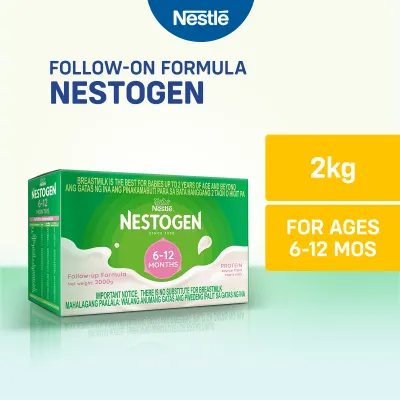
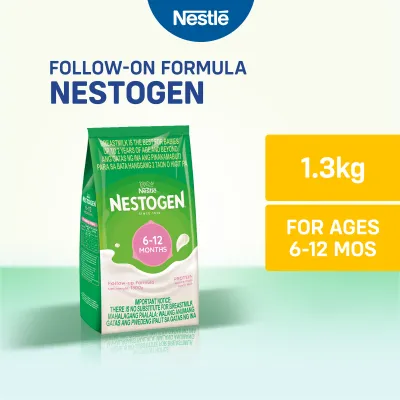
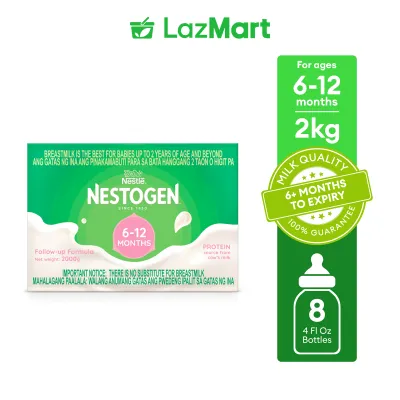
Prices are valid at publication and may change. Please refer to the product page for the latest price.
Iron is particularly critical during this window, as an infant’s natural iron stores accumulated during pregnancy begin to deplete around six months of age. Calcium and vitamin D support skeletal growth as babies begin to sit, crawl, and pull themselves up, while essential fatty acids like DHA support rapid brain and visual development. Because every baby transitions to solid foods at a different pace, their nutritional intake from solids will vary, meaning you must evaluate the formula as a supplement to their overall daily diet rather than viewing it in isolation.
Comparing Nestogen, NAN, and Enfagrow: What to Check on the Label
To make an objective comparison between Nestogen, NAN, and Enfagrow, you must learn to read the nutrition facts panel and ingredient list on each tin. Formulations, recipes, and manufacturing standards can change over time, meaning that general brand reputations may not always align with the current product on the shelf. Checking the label directly is the most reliable way to verify what you are feeding your baby.

Start by comparing the macronutrient distribution, which includes the total proteins, fats, and carbohydrates per serving. Next, examine the ingredient list to identify the primary carbohydrate sources. Some formulas utilize lactose as their main carbohydrate, mimicking the natural sugars found in breast milk, while others may incorporate alternative carbohydrates or corn syrup solids.
Additionally, look for the presence of functional ingredients such as prebiotics and probiotics. Prebiotics are dietary fibers that feed beneficial gut bacteria, while probiotics are live microorganisms that support digestive health. The specific strains and concentrations of these ingredients can vary widely between brands, and verifying them on the label helps you understand the digestive support each product aims to provide.
Nestogen 6-12 Months Label Checks
Nestogen is widely recognized in the Philippine market for its focus on digestive comfort and bowel regularity. When examining a tin of Nestogen designed for the 6 to 12-month stage, check the ingredient panel for prebiotic blends like galacto-oligosaccharides (GOS) and fructo-oligosaccharides (FOS). These dietary fibers are added to support soft stools and maintain a healthy gut environment, which is especially helpful if your baby is prone to occasional constipation during the transition to solid foods. Beyond digestive ingredients, verify the exact amounts of iron, vitamin C, and calcium on the current packaging to ensure they meet daily requirements, noting that vitamin C is crucial for enhancing iron absorption.
NAN Formulas Label Checks
NAN formulas are often positioned as premium options that emphasize immune support and advanced digestive science. When reviewing NAN products for the 6 to 12-month stage, inspect the ingredient list for active probiotic cultures, such as specific Bifidobacterium or Lactobacillus strains, which support gut barrier function and overall digestive comfort. Furthermore, examine the protein profile on the label, checking the whey-to-casein ratio and whether the proteins are partially hydrolyzed (broken down for easier digestion). Finally, note whether there are any added flavorings or sweeteners, as a simpler, lactose-dominant ingredient list is generally preferred for maintaining natural feeding habits.
Enfagrow Formulas Label Checks
Enfagrow products targeting the late infancy stage are heavily marketed around cognitive development, brain growth, and visual acuity. When evaluating an Enfagrow tin for a 6 to 12-month-old, focus your label inspection on the lipid profile, specifically verifying the exact milligrams of docosahexaenoic acid (DHA) and arachidonic acid (ARA) per serving. Additionally, check the source of these fats, noting whether they come from milk fat globule membrane (MFGM), vegetable oil blends, or specific marine oils. Finally, inspect the carbohydrate sources to verify whether the formula relies primarily on lactose or includes other complex carbohydrates, ensuring your baby receives energy from high-quality, easily digestible macronutrients.
Digestion, Tolerance, and Observing Your Baby's Response
While comparing labels provides an objective starting point, your baby’s physical response is the ultimate test of suitability. Observing daily physical cues will tell you whether their digestive system is tolerating the chosen formula. Signs of good tolerance include regular, soft stools that are easy to pass, consistent comfort during and after feeding sessions, steady weight gain along their growth curve, and normal energy levels.
Conversely, parents must remain vigilant for red flags that indicate poor tolerance or potential allergic reactions. If your baby experiences persistent diarrhea, frequent forceful vomiting, severe skin rashes, blood or excessive mucus in their stool, or extreme fussiness after feeding, stop using the formula immediately and consult a pediatrician.
If you decide to switch between Nestogen, NAN, or Enfagrow, avoid making the change abruptly, as a sudden transition can shock your baby’s sensitive digestive tract. Instead, plan a gradual transition over several days, slowly mixing increasing amounts of the new formula with decreasing amounts of the old one to allow their gut microbiome to adapt smoothly.
Evaluating Cost and Accessibility in the Philippines
Choosing a formula is also a long-term financial and practical commitment. In the Philippines, the cost of infant formula can vary significantly between budget-friendly options and premium lines. Because your baby will consume a substantial volume of formula between 6 and 12 months, these price differences can accumulate into a major monthly household expense.
To understand the true financial impact, calculate the cost per serving in ₱ by dividing the price of the tin by the total number of servings it yields based on the manufacturer’s preparation instructions. This calculation provides a realistic view of your ongoing expenses and helps you choose a brand that fits comfortably within your family’s budget.
Accessibility is equally crucial. Check the shelves of your local supermarkets, neighborhood pharmacies, and authorized online retail channels to ensure the specific brand and stage are consistently in stock. Frequent out-of-stock situations can force you to switch formulas abruptly, which can disrupt your baby’s digestion.
When purchasing formula online, only buy from official brand stores or authorized distributors on ecommerce platforms. Avoid buying from unauthorized third-party sellers offering unusually low prices, as these products may be counterfeit, expired, or stored in hot, humid conditions that degrade nutritional quality and compromise safety.
Decision Framework: Which Formula Fits Your Baby?
To help streamline your decision-making process, you can use a conditional framework based on your baby’s specific needs, your household budget, and your primary nutritional goals. If your main priority is supporting digestive comfort and bowel regularity on a practical, everyday budget, Nestogen is a strong candidate to verify. Its focus on prebiotic fibers makes it highly suitable for families looking for reliable, cost-effective digestive support.
If you are looking for a formula that emphasizes advanced gut health, immune system support, and features partially broken-down proteins for easier absorption, NAN is a brand worth discussing with your doctor. It is often suited for parents who want to prioritize specific probiotic strains and are comfortable with a slightly higher price point.
If your primary focus is on cognitive development, visual acuity, and maximizing DHA intake during this critical brain-growth window, Enfagrow is a logical option to evaluate. This brand is highly appropriate for parents who want to ensure robust levels of essential fatty acids and are prepared to invest in a premium, development-focused formulation.
Regardless of these general guidelines, a pediatrician’s professional advice must always override any independent comparison. This is especially true if your baby has a history of reflux, food allergies, colic, or other underlying medical conditions. Ultimately, the ideal formula is the specific one that your baby digests comfortably, thrives on physically, and fits seamlessly into your family’s daily life.
Frequently Asked Questions (FAQ)
Can I mix Nestogen, NAN, and Enfagrow in the same bottle?
No, you should not mix different formula brands or stages in the same bottle. Each brand has its own unique scoop size, powder density, and specific water-to-powder preparation ratio designed to deliver a precise concentration of nutrients. Mixing them can lead to over-concentration or dilution, which can strain your baby’s kidneys, cause dehydration, or lead to nutritional imbalances. Stick to one brand and stage per feeding session, following the exact preparation instructions on that specific tin.
How long should I wait to see if a new formula works for my baby?
Generally, you should allow a transition period of about one to two weeks to accurately observe how your baby’s digestive system adapts to a new formula. During the first few days, it is common to notice minor changes in stool consistency, color, or gas as their gut microbiome adjusts. However, if these minor symptoms do not normalize after two weeks, or if your baby displays severe reactions like vomiting, persistent diarrhea, or extreme fussiness, stop the formula and consult your pediatrician immediately.
Community discussion
Share your experience or ask a question. Comments are reviewed before publication.