
Quick Answer: Which Formula Is Right for Your Baby?
Choosing the right formula for your newborn is one of the most critical early decisions you will make as a parent. When comparing Nestlé’s two popular options, Nestogen and NAN, the best choice depends heavily on your baby’s unique digestive system, your pediatrician’s guidance, and your household budget. Both formulas are designed for infants from birth up to six months, but they target different developmental priorities and digestive needs.
Nestogen 0 to 6 months is generally formulated with a focus on digestive comfort and bowel regularity, often utilizing specific prebiotic blends to help keep your baby’s stools soft and consistent. On the other hand, NAN Stage 1 (also for 0-6 months) typically emphasizes early immune support, gut flora development, and highly optimized protein structures, often incorporating specific probiotic strains.
There is no single “superior” formula. Every infant’s gut is unique, and what works beautifully for one newborn might cause mild discomfort in another. Always consult your pediatrician and carefully verify the product labels, as manufacturers regularly update their ingredients and nutritional compositions.
Products mentioned in this guide
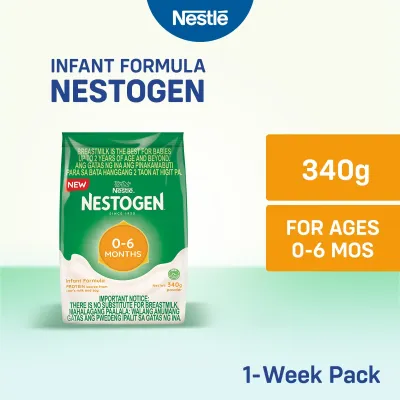
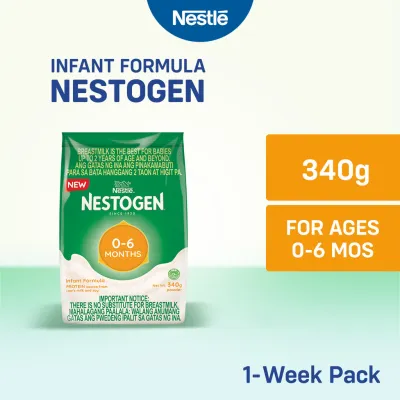
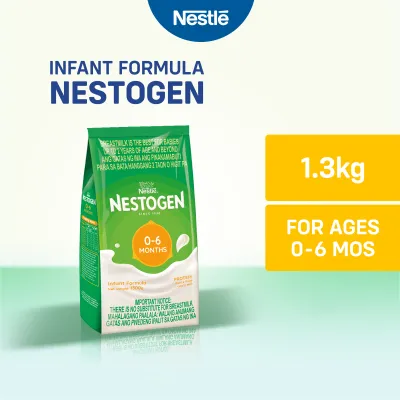
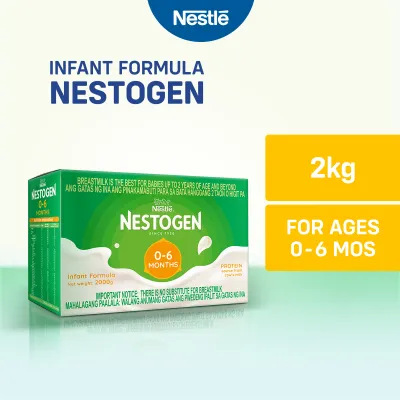

Prices are valid at publication and may change. Please refer to the product page for the latest price.
Nutritional Profiles: Comparing Nestogen 0 to 6 Months and NAN
Breast milk is the gold standard for infant nutrition, and infant formulas strive to mimic its composition. One of the most critical aspects of this composition is the whey-to-casein protein ratio. Whey protein remains liquid in the stomach and is highly digestible, whereas casein forms a firmer curd that takes longer to break down. For a newborn (0-6 months), a higher whey-to-casein ratio (such as 60:40, which is close to mature breast milk) is generally easier on a highly sensitive, developing digestive tract. When evaluating these two options, look closely at the ingredient list and nutrition panel on the back of the tin to verify the protein ratio of the specific batch you are purchasing.

Docosahexaenoic acid (DHA) and arachidonic acid (ARA) are polyunsaturated fatty acids that play crucial roles in the rapid development of a newborn’s brain and vision during the first six months of life. While many premium infant formulas include these fatty acids, the presence and exact concentrations can vary between brands and even between different regional versions of the same product. When comparing the tins, locate the nutritional information panel to check if DHA and ARA are listed, and compare the declared amounts per 100 kilocalories or per 100 grams of powder.
During the first six months, your baby undergoes rapid physical growth, requiring a precise balance of essential vitamins and minerals. Iron is critical for cognitive development and preventing anemia, while calcium and vitamin D work in tandem to support healthy bone and tooth formation. Both Nestogen and NAN are fortified to meet strict international and local food standards for infant nutrition. However, the specific mineral sources or exact ratios may differ slightly. It is highly recommended to inspect the label to ensure these key nutrients are present in adequate amounts.
Formula manufacturers frequently update their recipes, ingredient sources, and nutritional ratios to align with the latest pediatric research or local regulatory changes. Because of this, third-party comparison charts or older online reviews can quickly become outdated. Always make it a habit to read the physical label on the actual tin you hold in your hand, or check the official Nestlé manufacturer website for the most current nutritional matrix before making a purchase.
Digestion and Comfort: Addressing Tummy Issues
To support a newborn’s delicate digestive system, formulas use different types of gut-supporting ingredients. Prebiotics are non-digestible dietary fibers that act as food for beneficial gut bacteria. Nestogen typically highlights prebiotic blends, such as Galacto-oligosaccharides (GOS) and Fructo-oligosaccharides (FOS), which help draw water into the stool, promoting regular and soft bowel movements. Probiotics, conversely, are live beneficial microorganisms that actively populate the gut. NAN formulas often feature specific probiotic strains, such as Bifidobacterium lactis or Lactobacillus reuteri, to help establish a healthy gut microbiome and support the baby’s developing immune system. You should verify which of these active components are featured on the label of the specific product variant you are considering.
The way proteins are processed can significantly impact how easily a newborn digests them. Standard formulas contain intact cow’s milk proteins, which require a fully functioning digestive system to break down. Some specialized variants of infant formulas utilize partially hydrolyzed proteins, which are pre-broken down into smaller, more manageable pieces. This can be highly beneficial for babies prone to mild gas, fussiness, or spit-ups. While both standard Nestogen and standard NAN use intact proteins, NAN also offers specialized lines (such as NAN H.A.) that feature partially hydrolyzed proteins. Check the packaging carefully to determine if the variant you are looking at is designed for standard digestion or sensitive tummies.
When introducing a new formula, it takes time for your baby’s digestive tract to adapt. Parents should monitor their newborn closely for at least two weeks. Keep a daily log of the following:
- Stool consistency and frequency: Look for soft, formed stools. Hard, dry pellets may indicate constipation, while extremely watery stools could signal intolerance.
- Spit-up patterns: Note if spit-ups are normal, small occurrences or frequent, forceful, and painful.
- Signs of gas or discomfort: Watch for excessive crying, arching of the back, or pulling the legs up to the chest shortly after feeding.
- Skin health: Check for sudden rashes, eczema flares, or hives, which can indicate an adverse reaction.
Cost and Availability in the Philippines
Feeding a newborn exclusively with formula is a significant, ongoing financial commitment. Because retail prices fluctuate due to promotions, shipping, and retailer markups, comparing flat prices can be misleading. Instead, learn to calculate the cost per serving. Look at the total weight of the tin (e.g., 400g or 900g) and check the preparation instructions to see how many grams of powder are required per scoop and per fluid ounce of water. By dividing the retail price of the tin by the total grams, you can determine the cost per gram, allowing for an accurate, head-to-head financial comparison regardless of packaging size.
Both brands are available in several sizes to accommodate different budgets and usage rates. Nestogen and NAN are commonly sold in smaller trial sizes (such as 350g or 400g boxes or tins) and larger economy sizes (such as 800g, 900g, or even larger bulk tins). While larger tins generally offer a lower cost per gram, they must be consumed within a specific timeframe once opened—usually within three to four weeks. If your baby is mixed-fed or consumes small amounts, a smaller packaging option may be more practical to prevent waste, even if the unit cost is slightly higher.
In the Philippines, ensuring the authenticity and proper storage of infant formula is paramount for your baby’s health. You can find both Nestogen and NAN at major physical supermarkets (such as SM Supermarket, Robinsons Supermarket, and Puregold) and established pharmacy chains (such as Mercury Drug and Watsons). If you prefer online shopping, always buy directly from official brand stores on reputable e-commerce platforms or verified pharmacy websites. Avoid purchasing formula from unauthorized third-party sellers or parallel importers. Improperly stored formula—exposed to high tropical heat and humidity—can degrade nutritionally or become a breeding ground for harmful bacteria.
The Final Verdict: Decision Framework for Parents
- Choose Nestogen (0-6 Months) if: Your baby struggles with infrequent bowel movements, hard stools, or mild constipation, and you want a cost-effective formula that prioritizes prebiotic fibers (like GOS/FOS) to encourage softer, more regular stools. It is an excellent choice for families looking for reliable, high-quality nutrition that fits comfortably within a standard household budget.
- Choose NAN (0-6 Months) if: Your baby has standard, healthy digestion, and you want to prioritize early immune support and gut flora colonization through active probiotics. NAN is also highly suitable if you are looking for advanced protein options (such as partially hydrolyzed proteins found in specific sensitive lines) and are comfortable with a higher price point per serving.
- Neither may fit if: Your newborn shows signs of a cow's milk protein allergy (CMPA), severe lactose intolerance, or extreme, persistent colic. Standard intact-protein formulas like regular Nestogen or NAN are not suitable for babies with these diagnosed medical conditions. If your baby experiences chronic diarrhea, blood in their stool, severe vomiting, or poor weight gain, do not attempt to solve the issue by switching between standard formulas. Seek immediate medical evaluation.
- Verify first if: You are transitioning your baby from breast milk to formula, or if you are switching from another brand. Every baby's developmental stage, weight, and health status must be taken into account. Always consult your pediatrician before making any final decisions or changes to your infant's diet, particularly if your baby was born prematurely, had a low birth weight, or has any underlying health conditions.
Safe Preparation and Transitioning Guidelines
Preparing formula correctly is vital to protect your newborn’s fragile immune system from foodborne illnesses. Always begin by thoroughly washing your hands with soap and water, and ensure that all bottles, teats, and preparation utensils are sterilized in boiling water or a dedicated sterilizer. Boil clean, safe drinking water and let it cool down to approximately 70°C before mixing. This temperature is warm enough to kill any potential pathogens that might be present in the powder, yet safe enough not to destroy heat-sensitive nutrients. Once mixed, cool the bottle under running tap water or in a bowl of cold water until it reaches body temperature before feeding. Always defer to the specific preparation instructions printed on your formula tin, as mixing ratios must be followed precisely to prevent dehydration or malnutrition.
If you and your pediatrician decide to switch your baby’s formula, a gradual transition is generally the best approach to minimize digestive shock. Over a period of three to five days, slowly introduce the new formula. For example, on day one, replace one feeding with the new formula. On day two, replace two feedings, gradually increasing the ratio until your baby is fully transitioned. Alternatively, some pediatricians may recommend mixing the old and new powders in the same bottle in specific ratios, or switching directly if there is an urgent medical reason. Never alter the standard scoop-to-water ratio of either formula during this process.
While mild digestive adjustments are common when changing formulas, certain symptoms demand immediate attention. Stop using the formula and consult your pediatrician or visit a healthcare facility immediately if your baby exhibits any of the following red flags:
- Persistent, forceful vomiting or projectile spit-up.
- Stools that contain blood, mucus, or are consistently watery and frequent.
- A sudden, severe skin rash, hives, or swelling around the face or mouth.
- Extreme lethargy, unusual drowsiness, or difficulty waking up for feedings.
- Unexplained, inconsolable crying or signs of severe abdominal pain.
Frequently Asked Questions (FAQ)
Can I mix Nestogen and NAN in the same bottle?
It is highly advised not to mix two different formula brands or types in the same bottle unless explicitly directed by your pediatrician. Each formula has its own unique nutrient density, scoop size, and specific water-to-powder ratio designed by the manufacturer. Mixing them can easily lead to improper dilution, which can cause severe nutrient imbalances, dehydration, or significant digestive upset for your newborn.
How do I know if my newborn is reacting poorly to the formula?
A poor reaction to formula can manifest in several ways, including excessive and inconsolable fussiness, severe gas, frequent watery or green stools, blood in the stool, vomiting rather than normal spitting up, and sudden skin rashes or hives. If you observe any of these symptoms, do not attempt to self-diagnose a milk allergy or intolerance. Consult your pediatrician immediately for a professional evaluation and diagnosis.
Is it safe to switch between Nestogen and NAN frequently?
Frequently switching between different formulas is not recommended. A newborn’s gut microbiome and digestive system are still highly immature, and constant changes can cause unnecessary digestive distress, gas, and colic. It is best to stick to one formula for at least two weeks to allow your baby’s system to fully adjust, unless your pediatrician advises an immediate change due to an adverse reaction.
Community discussion
Share your experience or ask a question. Comments are reviewed before publication.