
Choosing the right toddler milk for your child between the ages of 1 and 3 is a highly individual decision. During this rapid stage of growth, your toddler is transitioning from a primary diet of milk to a diverse world of solid foods. Nestogen, Nido, and Enfagrow are three of the most prominent brands available, each offering distinct formulations designed to address different aspects of toddler development. Rather than searching for a universal winner, parents should focus on matching a milk’s specific formulation to their child’s digestive tolerance, daily dietary gaps, and the household budget.
In tropical climates where active play can quickly lead to dehydration and fatigue, ensuring your toddler receives adequate hydration and balanced nutrition is essential. Toddler milk serves as a convenient safety net to supplement solid meals, but the right choice depends entirely on what your child needs most. By learning how to analyze nutrition labels and calculate the true cost per serving, you can make an informed, practical decision that supports your child’s health without straining your finances.
Understanding the Core Differences in Toddler Milk Formulations
To make an accurate comparison, parents must look past marketing slogans and examine the core nutritional focus of each brand’s label. Nestogen, Nido, and Enfagrow target different areas of toddler development, which is reflected in their ingredient lists and nutrient profiles. Understanding these general directions helps you narrow down which brand aligns with your child’s current physical needs.
Products mentioned in this guide




Prices are valid at publication and may change. Please refer to the product page for the latest price.
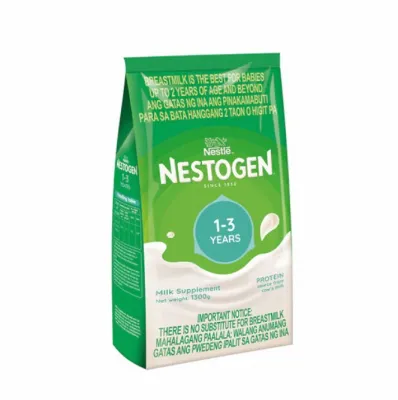
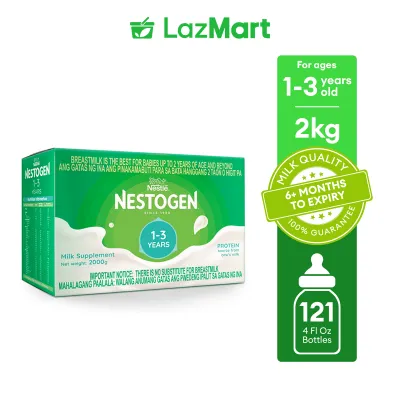
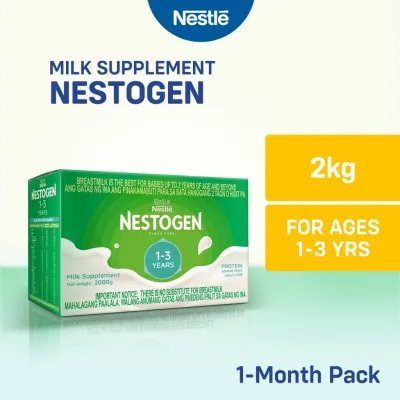
Nestogen is typically formulated with a strong focus on digestive comfort and gut health. On its packaging, you will often find highlighted ingredients such as prebiotics or specific dietary fiber blends. These components are designed to support a healthy gut microbiome, which can help maintain soft stools and ease digestion for toddlers prone to minor stomach discomfort or irregular bowel movements.
Nido is generally positioned as a fortified powdered milk drink that emphasizes overall physical growth, bone strength, and energy provision. Its formulation typically focuses on delivering essential vitamins and minerals alongside a traditional, rich milk taste. This makes it a popular choice for active toddlers who require a reliable source of daily energy to support their physical milestones and outdoor play.
Enfagrow commonly places a heavy emphasis on cognitive development and immune support. On its ingredient list, you will frequently see prominent mentions of docosahexaenoic acid (DHA), arachidonic acid (ARA), and specific vitamin complexes. This formulation is tailored for parents who want to prioritize nutrients associated with brain growth and immune system defense during these critical early learning years.
Because formulations, ingredients, and target age groups can vary significantly across different product lines, always verify the exact variant on the packaging. Look for indicators like “Step 3” or labels explicitly stating “for 1 to 3 years” to ensure you are purchasing the correct formulation designed for your toddler’s developmental stage.
Key Label Checks for 1-3 Year Olds
Reading the Nutrition Information Panel (NIP) on the back of the packaging is the most reliable way to evaluate any toddler milk. Relying on the front-of-pack highlights is rarely enough to understand what your child is actually consuming. A systematic label check allows you to compare macronutrients, micronutrients, sugars, and potential allergens.

First, examine the macronutrient profile, specifically the protein and fat levels per serving. Toddler milk is meant to supplement solid foods, not replace them. If a formulation is excessively high in protein or fats, it may overly fill your child’s small stomach, leading them to refuse solid meals. The goal is to find a balance that provides energy without suppressing their appetite for breakfast, lunch, and dinner.
Second, check the micronutrient content, focusing on iron, calcium, and zinc. These minerals are critical for toddlers, especially those going through picky eating phases where they might reject iron-rich meats or calcium-rich vegetables. Compare the nutrient values against the recommended daily intake percentages listed on the packaging to see how effectively the milk fills the gaps left by your child’s current solid food intake.
Third, scrutinize the ingredient list for added sugars and artificial flavorings. Manufacturers sometimes add sucrose, corn syrup solids, maltodextrin, or flavorings to make the milk more appealing to young children. Regularly consuming highly sweetened milk can influence your toddler’s long-term taste preferences, making them reject plain water or unsweetened foods, and can also increase the risk of early childhood dental caries.
Finally, always check for allergen warnings. Look for clear declarations regarding milk, soy, or potential cross-contamination in the manufacturing facility. If your child has a known sensitivity, a family history of allergies, or experiences mild skin reactions, verifying these warnings on every new batch is a vital safety step before introduction.
Matching the Formula to Your Child's Needs and Budget
Selecting the right toddler milk requires balancing your child’s physical profile with your household’s monthly budget. Because there is no single option that excels in every category, a conditional decision framework can guide you to the most practical choice for your family.
You may want to choose Nestogen if your toddler experiences mild digestive discomfort, occasional hard stools, or irregular bowel movements. Its focus on gut-friendly prebiotics can help support smoother digestion. This option is highly suitable for parents seeking a gentle formulation that prioritizes digestive comfort.
You may want to choose Nido if you have an active, fast-growing toddler who has no specific digestive sensitivities and prefers a classic, rich milk taste. It serves as an excellent, energy-dense option to support daily physical activity and overall growth, making it a reliable staple for children who already tolerate standard dairy products well.
You may want to choose Enfagrow if your primary goal is to supplement your child’s diet with specific nutrients linked to cognitive development and immune health, such as DHA and ARA. This formulation is ideal if your child tolerates the ingredients well and you want to ensure they receive these specific fatty acids during their peak brain development years.
When evaluating the financial aspect, do not rely solely on the upfront shelf price of a tin or box. To find the true cost, calculate the cost per serving in ₱ using this simple method:
- Identify the total net weight of the package in grams (e.g., 800g).
- Check the manufacturer's preparation instructions to find the recommended scoop size in grams (e.g., 10g per scoop) and the number of scoops required per serving (e.g., 4 scoops, totaling 40g per glass).
- Divide the total net weight by the weight of one serving to find the total number of servings per package (e.g., 800g divided by 40g equals 20 servings).
- Divide the retail price of the package by the total number of servings to find the actual cost per serving (e.g., ₱600 divided by 20 servings equals ₱30 per serving).
Comparing the cost per serving across different tin sizes and brands prevents you from being misled by varying package weights, helping you identify the most cost-effective option for your monthly budget.
Transitioning and Monitoring Your Toddler's Response
Introducing a new toddler milk should always be done gradually to give your child’s digestive system time to adapt. A sudden switch can cause temporary digestive upset, leading to unnecessary worry. A systematic transition plan minimizes discomfort and allows you to monitor your child’s response accurately.
To transition safely, gradually mix the old and new powders over a period of seven to ten days. Start by replacing a small portion of the old powder with the new one in each bottle, slowly increasing the proportion of the new brand every two to three days. This slow integration helps your toddler adjust to both the new taste and the different nutrient composition without shocking their stomach.
During and after the transition, monitor your child for observable signs of tolerance. A well-tolerated milk will result in normal, soft stool patterns, an absence of abdominal bloating or excessive gas, steady daily energy levels, and a general willingness to drink the milk. These positive signs indicate that the formulation is compatible with your child’s digestive system.
Conversely, you must watch for clear red flags and stop conditions. If your toddler experiences persistent diarrhea, severe constipation, unexplained skin rashes, hives, excessive fussiness, or vomiting, stop using the new milk immediately. These symptoms can indicate an intolerance or an allergic reaction to one of the ingredients.
If you observe any of these adverse reactions, pause the new formulation and consult a pediatrician or a qualified healthcare provider. They can help diagnose the underlying cause, evaluate your child’s specific nutritional needs, and provide professional recommendations for alternative milk options or dietary adjustments.
Frequently Asked Questions (FAQ)
Can I mix different brands of toddler milk in one bottle?
No, you should avoid mixing dry powders from different brands in a single bottle. Each manufacturer designs its toddler milk with a specific water-to-powder ratio to ensure the correct osmolarity, nutrient balance, and digestion rate. Mixing different brands can alter this delicate balance, potentially leading to an over-concentrated or under-concentrated drink. This can cause digestive upset, put unnecessary strain on your toddler’s kidneys, or result in inaccurate nutrient intake. To ensure safety, stick to one brand per feeding and strictly follow the preparation instructions printed on the packaging.
Is toddler formula necessary if my 1-3 year old eats solid foods well?
Toddler milk is a nutritional supplement, not a replacement for a balanced and diverse solid food diet. If your 1 to 3 year old is growing steadily, has no diagnosed nutrient deficiencies, and eats a wide variety of solid foods—including fruits, vegetables, grains, and proteins—toddler formula may not be strictly necessary. In such cases, whole cow’s milk alongside a diverse diet can be entirely sufficient. However, toddler milk remains highly beneficial if your child is a picky eater, has high energy demands, or has specific nutritional gaps identified by a doctor. Always consult your pediatrician to evaluate whether your child requires a specialized milk supplement.
Community discussion
Share your experience or ask a question. Comments are reviewed before publication.