
Deciding between Nestogen Kid and Enfagrow A+ depends on your toddler’s specific nutritional gaps, taste preferences, and your family’s budget. Because every child’s digestive system and developmental needs are unique, there is no single milk formula that is universally ideal for all 1-3 year olds. This guide will help you compare the labels, evaluate the cost per serving, and observe your child’s reaction to make an informed, condition-based choice.
By focusing on how to read the nutrition facts panel and how to transition your child safely, you can select a growing-up milk that supports your toddler’s growth without putting unnecessary strain on your household finances.
Understanding the Role of Growing-Up Milk for 1-3 Year Olds
Transitioning from infant formula or breastmilk to solid foods is a major milestone for a toddler. During the ages of 1 to 3, children experience rapid physical growth and cognitive development, which increases their daily nutrient requirements. Growing-up milks, often categorized as Stage 3 formulas, are formulated to help bridge the nutritional gaps that may arise during this transition.
Products mentioned in this guide
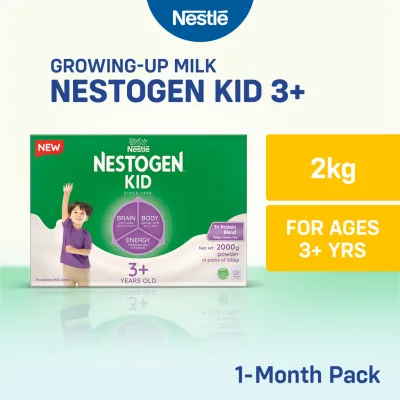
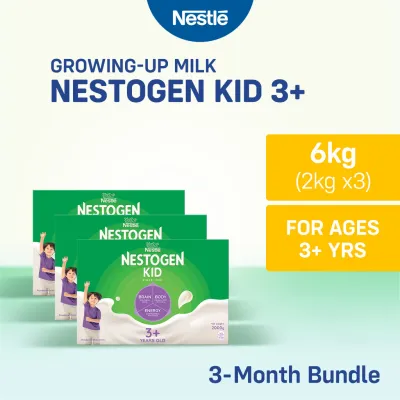
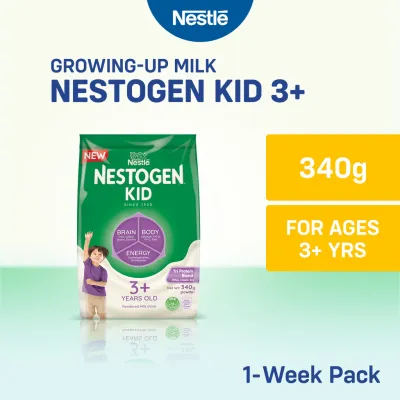
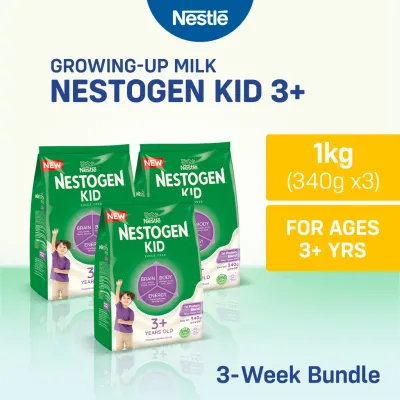
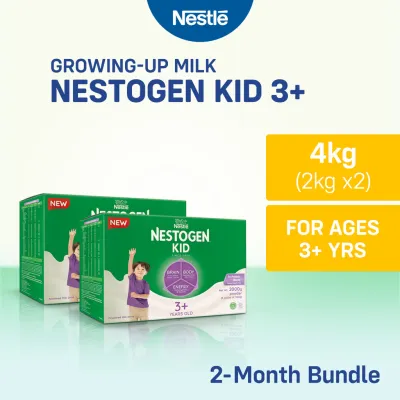
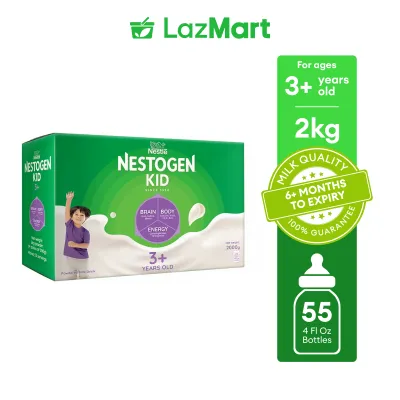
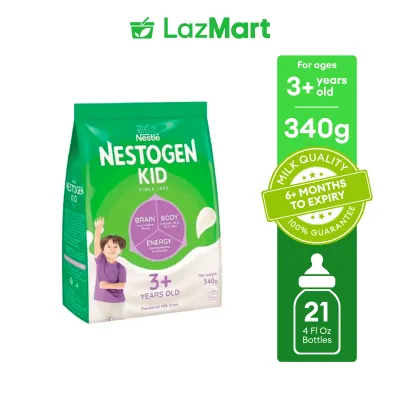
Prices are valid at publication and may change. Please refer to the product page for the latest price.
It is important to recognize that growing-up milk is a supplement to a balanced diet, not a complete replacement for solid meals. At this stage, your toddler should be getting most of their daily calories and nutrients from a diverse range of solid foods, including fruits, vegetables, grains, and proteins. Milk should serve as a supportive beverage rather than the primary source of nourishment.
Before choosing or switching to any growing-up milk, consulting a pediatrician is a crucial first step. A healthcare professional can evaluate your child’s growth chart and identify specific nutritional gaps, such as low iron, calcium, or vitamin levels. This assessment allows you to look for a formula that targets those exact needs rather than relying on general marketing claims.
Over-reliance on milk can sometimes lead to picky eating or iron-deficiency anemia, as filling up on liquids may reduce a toddler’s appetite for iron-rich solid foods. Establishing a structured feeding schedule where milk is offered after or between meals can help maintain a healthy balance.
Comparing Nutritional Profiles: What to Check on the Label
When comparing Nestogen Kid and Enfagrow A+, the most reliable source of information is the nutrition facts panel on the back of the packaging. Manufacturers design these formulas with different nutrient concentrations, and reading the labels carefully will help you match the milk to your pediatrician’s recommendations.

For brain and eye development, look closely at the levels of docosahexaenoic acid (DHA), arachidonic acid (ARA), and lutein. DHA is an omega-3 fatty acid that is a primary structural component of the brain and retina. When comparing the two brands, check the exact milligrams of DHA per 100 grams of powder or per serving to see which one offers a higher concentration if cognitive support is your primary focus.
Immunity and gut health are heavily influenced by the digestive system, which houses a large portion of a child’s immune cells. Look for the presence of prebiotics, such as fructooligosaccharides (FOS) and galactooligosaccharides (GOS), or active probiotics on the ingredient list. Additionally, compare the levels of Vitamin C, Vitamin E, and Zinc, which are essential micronutrients that support the body’s natural defenses.
Physical growth requires adequate bone and muscle support. Evaluate the calcium, Vitamin D, and protein content per serving on each label. Vitamin D is necessary for the efficient absorption of calcium, which builds strong bones and teeth. Ensure the protein source and amount are appropriate for a toddler, as excessive protein intake in early childhood is not recommended.
Sugar and flavoring are critical considerations for long-term health. Carefully read the ingredient list for added sugars, such as sucrose, corn syrup solids, maltodextrin, or artificial flavorings. Toddlers who become accustomed to highly sweetened milks may reject plain water or unsweetened solid foods, increasing the risk of early childhood dental cavities and unhealthy weight gain.
Taste Acceptance and Digestibility: Observing Your Toddler
Even the most nutritionally complete milk is only beneficial if your toddler is willing to drink it and can digest it comfortably. Introducing a new growing-up milk requires a gradual approach to allow your child’s taste buds and digestive system to adapt.
To introduce a new milk brand, try a gradual transition method over several days. Start by mixing a small portion of the new milk powder with their current milk, slowly increasing the proportion of the new brand while decreasing the old one. This slow change helps prevent immediate rejection due to differences in taste, sweetness, or texture, and avoids sudden digestive shocks.
Observe your toddler closely for signs of digestive comfort or discomfort during and after the transition. Common indicators of mild digestive adjustment include temporary changes in stool consistency, slight gas, or minor bloating. However, if these symptoms persist or cause your child visible distress, it may indicate that the specific formulation is not a good match for their digestive tract.
Be vigilant for signs of food allergies or severe sensitivities, such as cow’s milk protein allergy or lactose intolerance. If your toddler develops hives, skin rashes, persistent vomiting, chronic diarrhea, blood in the stool, or breathing difficulties, stop feeding the milk immediately. Seek immediate medical attention from your pediatrician to determine if a specialized, hypoallergenic, or lactose-free formula is required.
Price and Value Evaluation: Calculating the Real Cost
Budgetary sustainability is a key factor for many families, as growing-up milk is a recurring monthly expense. To determine the true cost of each brand, you must look beyond the retail price of the box or tin and calculate the cost per serving.
To calculate the exact cost per serving in ₱, use the manufacturer’s recommended preparation instructions found on the packaging. First, divide the retail price of the pack by the total weight in grams to find the cost per gram. Next, multiply the cost per gram by the exact weight of powder required for a single serving (usually determined by the weight of one scoop multiplied by the number of scoops recommended per glass).
Comparing packaging sizes can also reveal significant cost differences. Larger tins often provide a lower cost per gram compared to smaller boxes or individual sachets. However, in the tropical climate and high humidity of the Philippines, larger containers must be stored properly in a cool, dry place and consumed within the manufacturer’s recommended timeframe (usually three to four weeks after opening) to prevent spoilage, clumping, or insect infestation.
To ensure safety and quality, always purchase your toddler’s milk from official brand stores, major supermarkets, or authorized online retailers. Avoid buying discounted milk powder from unverified third-party sellers on online marketplaces. Counterfeit products, expired batches, or packages stored in hot, humid warehouses can compromise the safety and nutritional value of the milk, posing severe health risks to your child.
The Decision Framework: Which Milk Fits Your Toddler Best?
Choosing between Nestogen Kid and Enfagrow A+ should be a systematic decision based on your toddler’s health profile, digestive tolerance, and your household budget.
You may want to choose Nestogen Kid if its specific nutritional profile—particularly its focus on digestive support and gut-health nutrients—aligns with your toddler’s needs, and its price point fits comfortably into your family’s long-term monthly budget. It is often favored by parents looking for a reliable, everyday option that supports digestive comfort.
You may want to choose Enfagrow A+ if your pediatrician has recommended a formula with specific levels of brain-support nutrients like DHA, your toddler readily accepts its taste profile, and your budget easily accommodates a premium price point. This option is often selected by parents who prioritize specific cognitive-support ingredients on the nutrition label.
Neither option may be suitable if your toddler shows persistent signs of dairy allergies, lactose intolerance, or other metabolic conditions. In such cases, standard growing-up milks should be avoided entirely in favor of specialized, hypoallergenic, or plant-based formulas prescribed directly by a qualified medical professional.
Always verify your decision with your pediatrician before making a final switch, especially if your child has underlying health conditions, poor weight gain, or specific dietary restrictions. A professional medical evaluation ensures that your choice safely supports your toddler’s unique developmental path.
Frequently Asked Questions (FAQ)
Can I mix Nestogen Kid and Enfagrow A+ in the same bottle?
Mixing two different brands of growing-up milk in a single bottle is not recommended. Each brand is formulated with a specific scoop size and powder-to-water ratio designed to deliver a precise concentration of nutrients and hydration. Mixing them can alter this delicate balance, potentially leading to an over-concentrated mixture that strains your toddler’s kidneys and causes dehydration, or an under-concentrated mixture that deprives them of necessary nutrients. Additionally, combining different ingredients and protein structures in one feeding can increase the risk of digestive upset, bloating, or gas. If you are transitioning from one brand to another, it is safer to replace entire feedings gradually over several days rather than mixing the powders together.
When should I transition my toddler from growing-up milk to regular cow's milk?
Most healthy toddlers who are at least 12 months old can transition to regular pasteurized whole cow’s milk, provided they are eating a diverse and balanced diet of solid foods. Growing-up milks are fortified products designed to supplement nutritional gaps, but they are not strictly necessary if your child is obtaining adequate vitamins, iron, and minerals from their daily meals. If your toddler is a picky eater, has specific growth challenges, or has difficulty consuming enough solid foods, your pediatrician may recommend continuing with a fortified growing-up milk for a longer period. Always consult your pediatrician to assess your child’s dietary intake and determine the most appropriate time to transition to standard dairy or alternative milks.
Community discussion
Share your experience or ask a question. Comments are reviewed before publication.