
Choosing the right toddler formula for your three-year-old can feel like navigating a maze of nutritional claims, ingredient lists, and price points. In the Philippines, where grocery budgets must balance with high-quality nutrition, parents frequently compare Nestogen Kid 3 Plus, Nido 3+, and Enfagrow A+. However, there is no single “best” toddler formula that fits every child universally. The ideal choice for your toddler depends entirely on their specific nutritional gaps, how well they accept the taste, and your family’s monthly budget.
As your child reaches three years old, their dietary needs shift dramatically from infancy. They are now active toddlers exploring solid foods, which means milk transitions from being their primary source of sustenance to a supportive dietary supplement. Nestogen Kid 3 Plus, Nido 3+, and Enfagrow A+ are formulated specifically for this developmental stage, but they approach nutrition, flavor, and pricing differently.
To make an informed decision, you must look beyond eye-catching packaging and marketing slogans. This guide provides a practical framework to help you compare these three popular options. We will walk you through reading nutrition labels objectively, evaluating taste and preparation requirements, and calculating the true cost per serving so you can choose the formula that best supports your child’s growth.
Products mentioned in this guide
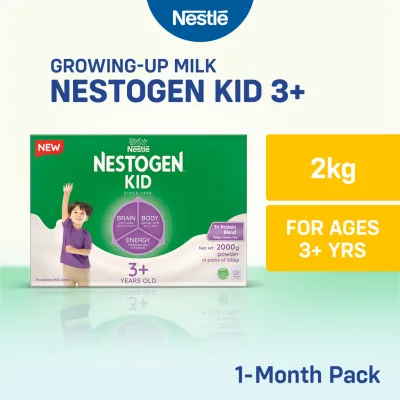
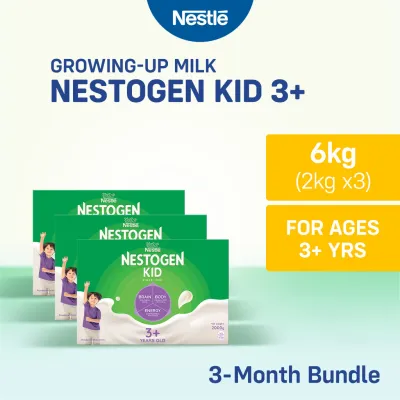
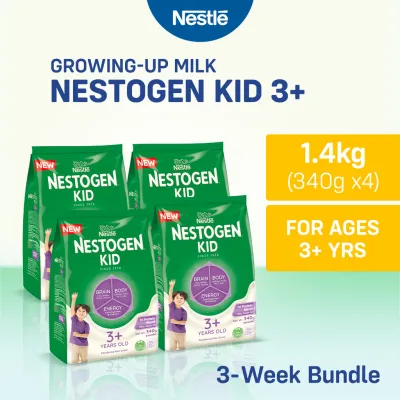
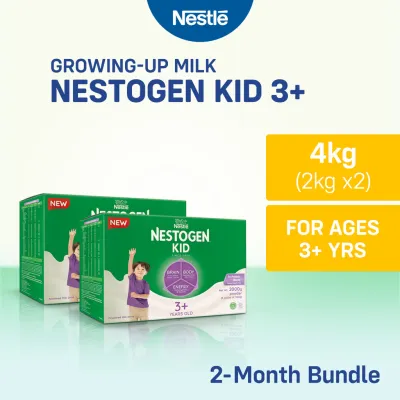
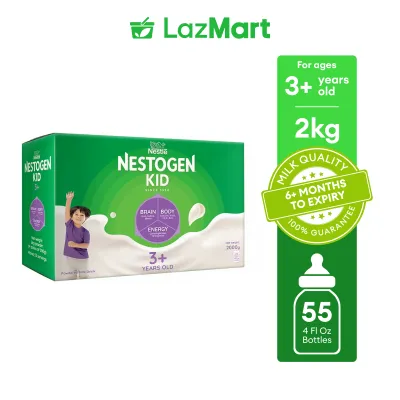
Prices are valid at publication and may change. Please refer to the product page for the latest price.
Setting the Baseline: What Your 3-Year-Old Actually Needs
Before comparing specific brands, it is essential to understand what a typical three-year-old requires from their diet. At this stage, solid foods should provide the vast majority of your child’s daily nutrients, vitamins, and minerals. Toddler milk is designed to act as a safety net, filling in nutritional gaps that may arise from picky eating habits or incomplete meals. It should never replace balanced, whole-food meals like rice, vegetables, fish, and meat.
When examining any toddler formula, certain key nutrients deserve your close attention. Calcium and vitamin D are vital for supporting bone development during active growth spurts. Iron and vitamin C work together to support healthy blood production and immune function, while DHA (an omega-3 fatty acid) is frequently highlighted for its role in brain development. Pediatric guidelines emphasize that these nutrients should complement a diet rich in fresh, diverse ingredients.
Every child’s developmental path is unique, and some toddlers may have specific dietary restrictions, sensitivities, or growth patterns that require specialized attention. If your child is experiencing slow weight gain, digestive discomfort, or shows signs of food allergies, you should consult a pediatrician before introducing or switching formulas. A qualified professional can help you identify whether your child needs a standard toddler milk or a specialized dietary alternative.
Reading the Labels: Nestogen Kid 3 Plus vs Nido 3+ vs Enfagrow A+
Comparing toddler formulas objectively starts with a side-by-side inspection of their physical packaging. Turn the tins or boxes around to locate the nutrition facts panel and the ingredient list. Do not rely on front-of-pack marketing claims; instead, look at the standardized values listed per 100 grams of powder or per prepared serving. This allows you to see exactly what your child is consuming in each cup.

Begin by checking the serving size and the recommended number of scoops per serving, as these vary between Nestogen Kid 3 Plus, Nido 3+, and Enfagrow A+. A brand might seem to offer more servings per tin, but if its recommended scoop size is larger or requires more scoops per cup, you will deplete the powder much faster. Compare the total calories, proteins, fats, and carbohydrates per prepared serving to understand how each option contributes to your child’s daily energy intake.
Next, scrutinize the ingredient list, which is organized by weight from highest to lowest. Look closely for the presence of added sugars, such as sucrose, corn syrup solids, or maltodextrin, which are sometimes added to enhance flavor but may impact long-term dietary habits. Note any artificial flavorings, such as vanilla, and check for common allergens like milk, soy, or fish oil (often the source of DHA) to ensure the formula is safe for your child’s digestive system.
Finally, verify the specific fortifications and age-appropriateness labels printed on the packaging. Manufacturers design these formulas to meet the nutritional standards of children aged three and above, often incorporating proprietary nutrient blends. Check the percentage of the recommended daily nutrient intakes that each serving provides. This step ensures you are choosing a product tailored to local nutritional baselines and your child’s specific daily needs.
Taste, Texture, and Mixing: Will Your Toddler Drink It?
Even the most nutritionally complete formula is of no use if your toddler refuses to drink it. Toddlers are notoriously sensitive to changes in taste, aroma, and texture. Introducing a new milk brand can be a challenge, especially if your child is accustomed to a specific sweetness level or mouthfeel. To make the transition smoother, consider a gradual introduction process rather than an abrupt switch.
A gradual transition involves slowly introducing the new formula alongside their current milk over several days. You can start by replacing a single feeding with the new brand, or by mixing prepared portions of the old and new milk in separate cups during the day. This allows your child’s palate and digestive system to adapt to the new flavor profile and texture without causing sudden resistance or feeding anxiety.
Proper preparation is also crucial for both taste acceptance and nutritional safety. Always refer to the manufacturer’s instructions on the packaging for the exact water-to-powder ratio and the recommended water temperature. Using water that is too hot can destroy heat-sensitive vitamins and probiotics, while using too much or too little powder can dilute the nutrients or strain your toddler’s kidneys. Ensure the powder dissolves completely to avoid clumps, which can clog bottle nipples or discourage cup-drinking.
As you introduce the new formula, closely observe your child’s physical response and overall acceptance. Watch for any signs of adverse digestive reactions, such as bloating, excessive gas, changes in stool consistency, or skin rashes. If you notice persistent discomfort, vomiting, or diarrhea, stop using the formula immediately and consult a pediatrician or healthcare professional to rule out food intolerances or allergies.
Calculating the Real Cost per Serving
For many families in the Philippines, the monthly cost of toddler milk is a significant household expense. To manage your budget effectively, you need to calculate the true cost per serving rather than simply comparing the retail price of the tins. A larger, more expensive tin may actually be more economical in the long run if it yields more servings or requires smaller scoop sizes.
To calculate the cost per serving in ₱, use this simple formula based on the product’s packaging details:
- Find the net weight of the tin (e.g., 800g, 1.2kg) and its current retail price.
- Divide the retail price by the net weight to find the cost per gram of powder.
- Check the preparation instructions to find the weight of a single scoop (in grams) and multiply it by the number of scoops required for one serving.
- Multiply the cost per gram by the total grams of powder needed per serving.
This calculation gives you the exact cost of preparing a single cup of milk, allowing for an accurate financial comparison across Nestogen Kid 3 Plus, Nido 3+, and Enfagrow A+.
When sourcing these formulas, compare prices across authorized physical supermarkets and official brand stores on reputable e-commerce platforms. Avoid purchasing from unauthorized third-party sellers, as counterfeit products or improperly stored milk can pose severe health risks to your child. Official online stores frequently offer vouchers, subscription discounts, or bundle deals that can lower your overall expenses.
If you decide to buy in bulk or take advantage of bundle deals, always check the expiry dates printed on the bottom of the tins. In the warm, humid tropical climate of the Philippines, proper storage is essential to prevent the powder from spoiling or clumping. Store unopened tins in a cool, dry place away from direct sunlight, and ensure that opened tins are tightly sealed and consumed within the manufacturer’s recommended timeframe, usually within three to four weeks.
Final Verdict: How to Choose the Right Toddler Milk
Choosing between Nestogen Kid 3 Plus, Nido 3+, and Enfagrow A+ ultimately comes down to matching each brand’s unique characteristics with your child’s needs and your household priorities. There is no universal winner, but rather a most suitable option based on specific conditions. By evaluating your child’s diet and your financial plan, you can confidently select the formula that aligns with your goals.
Choose Nestogen Kid 3 Plus if you are looking for a budget-friendly option that provides essential baseline nutrition without compromising on quality. This formula is often favored by parents who want a reliable, accessible everyday milk that supports general growth and digestive comfort while keeping monthly grocery expenses manageable. It is an excellent choice if your toddler already eats a highly diverse solid-food diet and only needs a basic nutritional supplement.
Choose Nido 3+ if your child prefers a classic, creamy milk taste and you want a formula that emphasizes immune support and bone development. This option is highly popular in the Philippines for its familiar flavor profile, which often appeals to picky eaters. It is well-suited for families seeking a balanced mid-range option that combines robust fortification with high taste acceptance.
Choose Enfagrow A+ if your primary focus is on premium nutritional ingredients, particularly higher levels of DHA and specialized nutrient blends designed to support cognitive development. This formula is ideal for parents who are willing to invest more per serving to target specific developmental milestones, especially if they feel their child’s daily solid-food intake lacks sufficient omega-3 fatty acids or other key micronutrients.
Before making your final purchase, verify first if your child has any known food allergies, lactose intolerance, or specific medical conditions. If your toddler has a history of sensitive digestion or allergic reactions to cow’s milk protein, standard formulas may not be suitable. Always consult your pediatrician to discuss these specific health profiles, as they can recommend specialized or hypoallergenic alternatives that ensure your child’s safety and comfort.
Frequently Asked Questions (FAQ)
Can I mix two different toddler formula brands together?
Mixing two different toddler formula brands in the same bottle or cup is generally not recommended. Each brand has a unique nutrient concentration, scoop size, and preparation instruction designed to work specifically with a precise volume of water. Combining different powders can alter the intended nutrient density, potentially leading to an over-concentrated feed that strains your child’s kidneys, or a diluted feed that lacks adequate nutrition.
If you are transitioning your toddler from one brand to another, it is safer to use a gradual transition method. Instead of mixing the powders together, alternate complete feeds of the old and new formulas throughout the day. For example, you can offer the new brand for one feed on the first day, two feeds on the second day, and gradually phase out the old brand entirely. Always check the manufacturer’s instructions or consult your pediatrician for a safe transition protocol tailored to your child.
How long can I keep prepared toddler milk at room temperature?
Prepared toddler milk should generally not be kept at room temperature for more than two hours. In the warm and humid tropical climate of the Philippines, bacteria can multiply rapidly in prepared milk, increasing the risk of foodborne illness. If the milk has been freshly prepared but not yet touched by your child, you can store it in the refrigerator for up to 24 hours, depending on the manufacturer’s specific storage guidelines.
However, the rules change completely once your child has started drinking from the cup or bottle. Saliva introduces bacteria into the milk, which can grow quickly even if the milk is refrigerated afterward. Any leftover milk that your child has already started drinking must be discarded within one hour of the start of the feed. To prevent waste, prepare only the amount of milk your child typically consumes in one sitting, and store unopened powder in a cool, dry place to maintain its freshness.

Community discussion
Share your experience or ask a question. Comments are reviewed before publication.