
When choosing between Nestogen 1-3 and Enfagrow for your toddler, there is no single option that is universally superior for every child. The ideal choice depends entirely on your toddler’s unique digestive tolerance, taste preferences, and specific nutritional requirements as assessed by a pediatrician. Because formulations, ingredients, and packaging can change over time, parents should always inspect the latest product labels to verify the nutrient profiles. Consulting a healthcare professional before introducing any new formula milk is the safest way to ensure the choice aligns with your child’s developmental needs.
Understanding Toddler Nutritional Needs (Ages 1 to 3)
As infants transition into their toddler years, their nutritional landscape undergoes a significant shift. Between the ages of one and three, breast milk or toddler formula milk transitions from being the primary source of nourishment to a supplementary role. Solid foods now take center stage, providing the bulk of the daily calories, vitamins, and minerals required for rapid physical and cognitive development. Formula milk at this stage serves as a nutritional safety net, helping to fill potential gaps when a toddler experiences picky eating phases or temporary dietary imbalances.
When evaluating any toddler milk, caregivers must focus on key developmental nutrients listed on the nutrition facts panel. Iron is crucial for supporting healthy brain development and preventing iron-deficiency anemia, which can occur when toddlers transition to solid foods. Calcium and vitamin D work synergistically to support rapid bone growth and dental health during these active years. Additionally, essential fatty acids, such as alpha-linolenic acid and linoleic acid, serve as critical building blocks for the developing nervous system.
Products mentioned in this guide
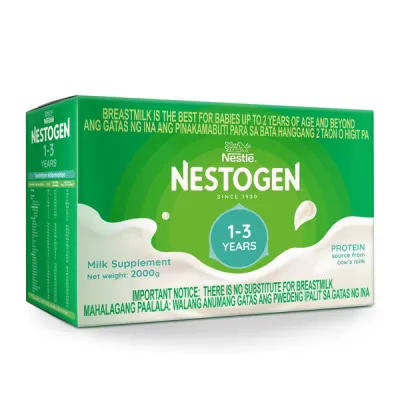

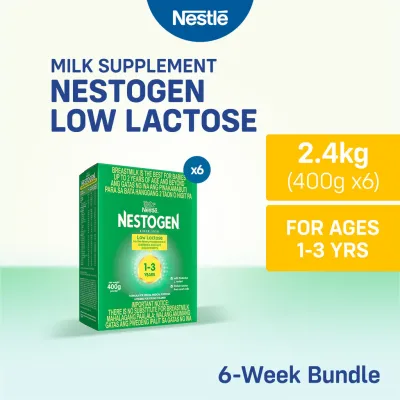
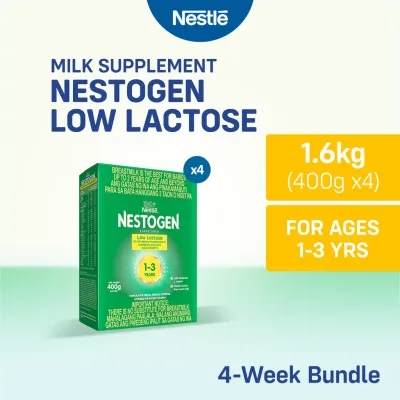
Prices are valid at publication and may change. Please refer to the product page for the latest price.
Another vital consideration when reading toddler milk labels is the presence of added sugars and artificial flavorings. Toddlers are highly receptive to sweet tastes, and early exposure to high levels of sucrose, corn syrup solids, or artificial flavors can influence their long-term dietary preferences. Opting for formulas that minimize these additives helps establish healthy eating habits and protects developing teeth from early decay.
Key Label Comparisons: What to Check in Nestogen 1-3 and Enfagrow
To make an informed decision, parents must learn to navigate the ingredient lists and nutritional panels of Nestogen 1-3 and Enfagrow. Comparing these products side-by-side on the store shelf allows you to identify subtle differences in their formulations.

Macronutrients and Calories
Begin your comparison by looking at the macronutrient distribution, which includes protein, fat, and carbohydrates. Locate the “per 100g” or “per serving” column on the nutrition information panel of both tins. Check the total energy (calories) provided per recommended serving size, as well as the source of the protein. Some formulas utilize specific whey-to-casein ratios to facilitate easier digestion, while others may have higher protein concentrations. Ensure the serving sizes are comparable when evaluating these values, as scoop sizes and water ratios differ between brands.
Brain and Eye Support
Many premium toddler formulas emphasize ingredients designed to support cognitive and visual development. When examining the packaging of Nestogen 1-3 and Enfagrow, look specifically for declarations of Docosahexaenoic Acid (DHA), Arachidonic Acid (ARA), and lutein. These compounds are typically listed under the fat or fatty acid section of the nutritional panel. Note the exact milligram measurements per serving to verify the manufacturer’s claims regarding brain-support nutrients, keeping in mind that dietary sources like fish and eggs also contribute to these needs.
Gut Health Ingredients
A toddler’s digestive system is still maturing, making gut health a priority for many parents. Inspect the ingredient list for prebiotics, which are non-digestible fibers that feed beneficial gut bacteria, and probiotics, which are live beneficial microorganisms. Look for terms such as galacto-oligosaccharides (GOS), fructo-oligosaccharides (FOS), or specific probiotic strains like Lactobacillus or Bifidobacterium. The presence of these ingredients can influence stool consistency and overall digestive comfort, which varies significantly from child to child.
Sweeteners and Flavorings
Carefully read the ingredient breakdown, which lists items in descending order of weight. Scan the first few ingredients for added sugars such as sucrose, corn syrup solids, maltodextrin, or glucose syrup. While carbohydrates are necessary for energy, the type of carbohydrate matters. Identifying whether a formula relies primarily on lactose (the natural sugar found in milk) or utilizes added sweeteners will help you choose a product that aligns with your family’s nutritional goals.
Practical Factors: Cost, Availability, and Preparation
Beyond nutritional profiles, practical daily logistics play a major role in determining which formula is sustainable for your household. Managing a toddler’s diet requires a reliable supply and a preparation routine that fits your lifestyle.
Price per Serving
Comparing the retail price of a tin or box does not always reveal the true cost of the formula. To calculate the actual cost per serving, use the following formula:
- Step 1: Divide the total net weight of the package (in grams) by the weight of a single scoop (listed in the preparation instructions) to find the total number of scoops per package.
- Step 2: Divide the total number of scoops by the number of scoops required per single feed to determine the total number of servings per package.
- Step 3: Divide the retail price in Philippine Pesos (₱) by the total number of servings to find the exact price per serving.
Using this method allows you to compare the financial impact of Nestogen 1-3 and Enfagrow objectively, regardless of differences in packaging sizes.
Availability
A formula is only beneficial if you can purchase it consistently. Check the stock levels in your local supermarkets, neighborhood pharmacies, and official brand stores on major online marketplaces. In the Philippines, supply chains can occasionally experience localized disruptions. Choosing a brand that is widely distributed in your immediate area reduces the risk of sudden brand switches, which can upset a toddler’s sensitive stomach.
Mixing and Taste
The physical characteristics of the powder can affect your daily routine. Observe how easily the powder dissolves in warm water during preparation. In hot and humid tropical climates, some powders may absorb moisture quickly once opened, leading to clumping or slower solubility. Additionally, pay close attention to your toddler’s reaction to the prepared milk. Some children prefer a milder, less sweet taste, while others may reject a formula based on its texture or aroma.
Transitioning and Monitoring Your Toddler's Reaction
Introducing a new formula milk requires a systematic approach to prevent digestive discomfort and monitor for potential adverse reactions. Caregivers should never switch formulas abruptly unless specifically instructed to do so by a pediatrician.
Gradual Transition Schedule
A gradual transition allows your toddler’s digestive enzymes and gut microbiota to adapt to the new formulation. Instead of mixing two different powders in a single bottle, which can alter the precise nutrient concentration, transition by replacing one full feed at a time over several days.
- Days 1 to 2: Replace one daily feed of the old formula with the new formula.
- Days 3 to 4: Replace two daily feeds with the new formula.
- Days 5 to 7: Complete the transition by offering only the new formula.
Observable Signs of Tolerance
During the transition period, closely monitor your toddler’s physical responses. Signs of good tolerance include a consistent appetite, steady energy levels, and normal stool consistency that is soft and easy to pass. The absence of skin rashes, excessive gas, or unusual fussiness after feeding indicates that your child’s digestive system is adapting well to the new milk.
Red Flags and When to Stop
Stop using the new formula immediately and consult your pediatrician if you observe any adverse reactions. Red flags include severe constipation, persistent diarrhea, vomiting, excessive spitting up, or unexplained skin rashes such as hives. If your toddler exhibits signs of severe abdominal pain, extreme lethargy, or breathing difficulties, seek immediate medical attention.
Decision Framework: Which Formula Fits Your Child?
To help guide your final choice, consider this structured decision framework based on your toddler’s specific needs, your household budget, and professional medical advice.
Choose Nestogen 1-3 if:
- Your toddler requires a formula with a specific prebiotic or probiotic profile to support regular bowel movements and digestive comfort.
- The calculated cost per serving fits comfortably within your monthly household budget, allowing for a consistent and uninterrupted supply.
- Your child readily accepts the taste and texture of the prepared milk without any signs of resistance.
Choose Enfagrow if:
- Your pediatrician has recommended a formula with specific levels of brain-support nutrients, such as DHA and ARA, to complement your toddler's solid food intake.
- Your toddler shows a strong preference for its specific flavor profile and tolerates the formulation without any digestive issues.
- The premium pricing aligns with your financial planning for your child's dietary needs.
Neither may fit if:
- Your toddler exhibits symptoms of a cow's milk protein allergy or lactose intolerance, which require specialized, hypoallergenic, or lactose-free formulas.
- Your child has a diagnosed medical condition that necessitates a specialized therapeutic formula prescribed by a clinical specialist.
Verify first if:
- Your child was born prematurely, has a history of low birth weight, or has underlying health conditions that require a customized nutritional plan. Always consult a healthcare professional to verify the suitability of any commercial toddler milk before making a purchase.
Frequently Asked Questions (FAQ)
Can I mix Nestogen 1-3 and Enfagrow in the same bottle?
No, you should not mix Nestogen 1-3 and Enfagrow powders together in a single bottle. Each brand is formulated with a specific scoop size, water ratio, and nutrient concentration designed to achieve a precise osmolality. Mixing them can alter this balance, potentially leading to dehydration, kidney strain, or digestive issues. If you need to transition your child from one brand to another, do so by alternating separate feeds throughout the day rather than combining the powders in one preparation.
When should I stop giving my toddler formula milk?
Most healthy toddlers can transition away from formula milk around the age of two, provided they are consuming a diverse and balanced diet of solid foods. At this stage, whole cow’s milk or suitable fortified alternatives can be introduced as part of their daily routine. However, the exact timeline for weaning depends on your child’s growth progress, eating habits, and overall health. Always consult your pediatrician to confirm when your toddler is ready to transition off formula milk completely.
Does a more expensive formula mean it is better for my toddler?
A higher price tag does not automatically guarantee that a formula is superior or more suitable for your toddler. Premium pricing often reflects factors such as proprietary ingredient blends, specialized packaging, import costs, or extensive brand marketing. All commercially available toddler formulas must meet strict national food safety and basic nutritional standards. The best formula is simply the one that your toddler tolerates well, supports their steady growth, and fits sustainably within your family’s budget.
Community discussion
Share your experience or ask a question. Comments are reviewed before publication.