
A stuffy nose can quickly disrupt a baby’s comfort, making feeding difficult, disturbing sleep, and causing understandable distress for parents. Because infants are obligatory nose breathers, even mild nasal congestion can feel overwhelming for them. Building a reliable baby medicine kit with the right nasal relief products ensures you are prepared to manage these episodes safely and effectively at home.
An effective nasal relief setup does not require a vast array of complicated gadgets. Instead, it relies on three core, pediatrician-approved tools: sterile saline solutions to loosen mucus, a safe nasal aspirator to clear the passages, and a cool-mist humidifier to maintain optimal air moisture. Selecting the right versions of these products and understanding how to use them safely is key to keeping your baby comfortable.
Key Safety Rules for Baby Nasal Care
Before selecting or using any nasal relief products, establishing baseline safety boundaries is essential for protecting your baby’s delicate airways. The most critical rule is to distinguish between plain sterile saline and medicated decongestant sprays. Medicated options, including over-the-counter decongestants designed for older children or adults, can cause serious systemic side effects in infants and should never be used without a direct prescription and dosage instructions from your pediatrician.
Products mentioned in this guide
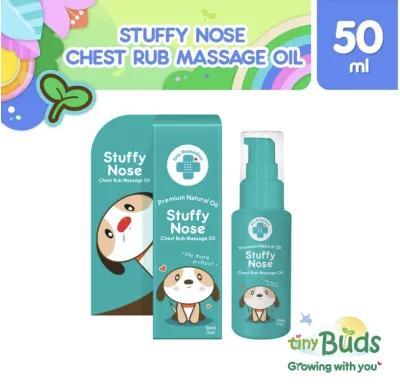
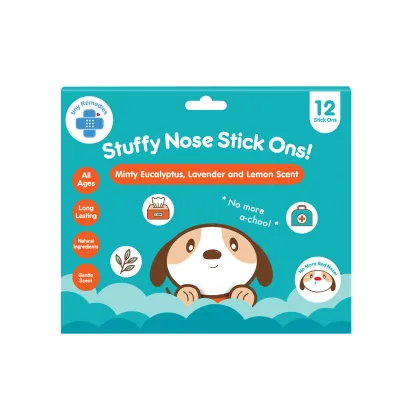
Prices are valid at publication and may change. Please refer to the product page for the latest price.
Continuous adult supervision is mandatory during any nasal care routine. Whether you are using a manual suction device, an electric aspirator, or running a humidifier in the nursery, never leave your baby unattended with these tools. Infant nasal passages are incredibly sensitive, and sudden movements can lead to accidental injury if a device is inserted incorrectly.
To prevent the spread of illness, strictly avoid sharing nasal aspirators or tip attachments between siblings. Nasal devices can harbor viruses and bacteria, even after basic rinsing. Each child should have their own dedicated aspirator, and every component must be thoroughly cleaned, sanitized, and dried completely after every single use to eliminate cross-contamination risks.
Saline Drops and Sprays: What to Look For
Sterile saline is the foundation of infant nasal care, acting as a gentle agent to loosen stubborn, dried mucus before suctioning. When shopping for saline, look for isotonic solutions, which match the body’s natural salt concentration and are safe for frequent, daily use. Hypertonic solutions have a higher salt concentration and are designed to draw out deeper fluid; however, these can be drying and should only be used if specifically recommended by your doctor.

Packaging plays a major role in maintaining product sterility. Single-use plastic vials (ampoules) are highly recommended for baby medicine kits because they contain small, preservative-free doses that are discarded after one use, minimizing the risk of bacterial growth. If you choose multi-use squeeze bottles or spray canisters, look for designs featuring one-way valves that prevent nasal fluids from being sucked back into the container.
Always verify that the saline formula is completely preservative-free, as additives like benzalkonium chloride can irritate sensitive nasal linings. Before stocking your kit, check the expiration dates on the packaging. Saline solutions lose their sterility and effectiveness over time, so expired products must be discarded and replaced immediately to ensure safety.
Nasal Aspirators: Choosing the Right Suction Device
Selecting the right nasal aspirator requires balancing suction control, ease of cleaning, and your baby’s comfort. Traditional bulb syringes are widely available and budget-friendly, but they offer limited suction control and are notoriously difficult to clean inside, making them highly susceptible to internal mold growth. If you use a bulb syringe, look for translucent models that can be pulled apart for thorough washing.
Manual tube aspirators, often called mouth-suction aspirators, allow parents to control the suction strength precisely using their own breath. These devices feature a mouthpiece, a flexible tube, and a nose tip, separated by a physical chamber. They are highly effective and hygienic, provided you use replaceable hygiene filters that prevent the transfer of mucus and bacteria to the parent’s mouthpiece.
Electric aspirators offer consistent, battery-operated suction at the push of a button, which can be helpful when dealing with a squirming baby. When choosing an electric model, verify that it has adjustable suction levels and soft silicone tips of varying sizes to fit growing nostrils. Regardless of the type, always check the manufacturer’s suction strength limits; excessive suction can cause swelling, inflammation, or bleeding of the delicate nasal mucosa.
Aspirator Types Comparison
| Aspirator Type | Suction Mechanism | Hygiene Consideration | Typical Use Case |
|---|---|---|---|
| Bulb Syringe | Manual hand squeeze | Difficult to clean internally; high mold risk if not dry | Quick, occasional clearing of loose surface mucus |
| Manual Tube | Parent's mouth suction | Requires replaceable filters; easy to wash and sterilize | Precise, controlled suction before feeds and bedtime |
| Electric Aspirator | Battery or USB motor | Removable silicone tips; chamber must be washed daily | Fast clearing for squirming babies or thick congestion |
Humidifiers: Setting Up a Safe Moisture Environment
In tropical climates like the Philippines, air conditioning is frequently used to keep homes cool and comfortable. However, air conditioners strip moisture from the indoor air, creating a dry environment that can dehydrate your baby’s nasal passages and make mucus thicker and harder to clear. Adding a humidifier to the nursery helps maintain a comfortable humidity level, soothing irritated airways.
When selecting a humidifier, always choose a cool-mist model over a warm-mist version. Warm-mist humidifiers rely on heating elements to boil water, creating a severe burn hazard if the device is accidentally tipped over by a curious toddler or if a caregiver trips in the dark. Cool-mist ultrasonic or evaporative humidifiers are much safer for nursery environments as they release a cool, fine vapor.
It is important to match the humidifier’s tank capacity and mist output to the specific square footage of your baby’s room. Over-humidifying a space can create damp patches on walls, bedding, and toys, which encourages the growth of mold and dust mites—both of which can worsen respiratory issues. Aim to keep indoor humidity levels between 30% and 50%, which you can monitor using a simple home hygrometer.
To keep the air clean, establish a strict cleaning routine for your humidifier. Standing water is a breeding ground for bacteria and mold, which the machine can then disperse into the air. Empty the water tank daily, rinse it thoroughly, and perform a deep clean weekly using distilled water and white vinegar, allowing all parts to air dry completely before reassembling.
Building Your Kit: A Stocking and Storage Checklist
Assembling your baby’s nasal relief kit in advance ensures you are not scrambling during a late-night congestion episode. Keep your kit organized in a dedicated, clean plastic container with a secure lid to protect the items from dust and tropical humidity. Store the container in a cool, dry place out of reach of children, avoiding damp areas like bathrooms where moisture can compromise sterile packaging.
Your kit should contain a reliable baseline of supplies to handle several consecutive days of congestion. Stock at least 10 to 15 single-use sterile saline vials, or one fresh, unopened multi-use saline spray bottle. If you use a manual tube aspirator, ensure you have a pack of 10 to 20 replacement hygiene filters on hand, as these must be changed after every suctioning session.
Set a recurring reminder on your calendar every three months to inspect the contents of your kit. Check the expiration dates on all saline products and discard any that are nearing their limit. Inspect plastic and silicone components of your aspirator for signs of wear, cracks, discoloration, or mold, replacing any damaged parts immediately to maintain optimal hygiene and performance.
When to Seek Professional Medical Advice
While mild nasal congestion is common and often manageable at home, caregivers must recognize when home care is no longer sufficient. Age is a primary factor; for infants under three months of age, any sign of nasal congestion, breathing difficulty, or fever requires immediate evaluation by a pediatrician, as their airways are exceptionally small and vulnerable.
Monitor your baby closely for any signs of respiratory distress, which indicate that they are working too hard to breathe. These signs include flaring nostrils, grunting sounds during breathing, rapid breathing, or chest retractions—where the skin pulls in sharply under the ribs, around the collarbone, or between the ribs. If you observe any of these symptoms, seek emergency medical care immediately.
For older infants, keep track of how long the congestion lasts. If your baby’s stuffy nose does not improve after 10 to 14 days, or if it is accompanied by a persistent fever, ear pain (often indicated by pulling at the ears), extreme irritability, or a refusal to drink fluids, stop home management and consult your pediatrician to check for secondary infections.
Frequently Asked Questions (FAQ)
Can I use adult nasal sprays for my baby?
No, you should never use adult nasal sprays, drops, or decongestants for your baby. Adult formulations contain active pharmaceutical ingredients, preservatives, and chemical concentrations that are unsafe for infants and can cause severe side effects, including rapid heart rate, extreme drowsiness, or rebound nasal swelling. Stick exclusively to infant-safe, preservative-free sterile saline drops or sprays specifically labeled for babies, or use products recommended directly by your pediatrician.
How often should I use a nasal aspirator on my baby?
Limit the use of a nasal aspirator to two or three times a day, focusing on key transition times such as right before feedings and before bedtime. Suctioning too frequently can irritate and inflame the delicate nasal tissues, which actually increases mucus production and worsens congestion. If your baby’s nose seems congested again shortly after suctioning, try using sterile saline drops alone to help soothe and moisten the nasal passages without additional suction.
Do I need to add essential oils to the humidifier?
No, you should not add essential oils, menthol, or eucalyptus drops to your baby’s humidifier. The strong vapors from essential oils can irritate an infant’s highly sensitive respiratory tract, potentially triggering coughing fits, airway irritation, or breathing difficulties. Additionally, oil residues can clog the internal mechanisms of ultrasonic humidifiers, damaging the device and promoting mold growth inside the tank. Always run the humidifier with plain, clean water.
Community discussion
Share your experience or ask a question. Comments are reviewed before publication.