
Dealing with adult nasal congestion requires understanding that adult nasal passages are significantly larger, deeper, and more complex than those of infants. Choosing the right nasal aspirator or clearing device depends entirely on the severity of your congestion, your lifestyle, and how comfortable you are with different clearing mechanisms. While manual bulb syringes offer a simple, low-cost option for mild blockages, electric nasal aspirators provide consistent mechanical suction for moderate buildup, and nasal irrigators offer a thorough, high-volume flush for severe or chronic sinus issues.
In tropical climates like the Philippines, where high humidity, urban dust, and sudden weather shifts frequently trigger allergic rhinitis and sinus congestion, having an effective nasal clearance strategy is essential. Many adults mistakenly reach for baby-specific products or use devices incorrectly, leading to poor results or nasal irritation. By evaluating the design, suction power, and hygiene requirements of each device type, you can select a tool that safely and effectively restores clear breathing.
Assessing Your Congestion: When to Use Suction vs. Irrigation
Before selecting a device, you must evaluate the nature of your nasal congestion. Mild congestion, often characterized by a runny nose or thin, occasional mucus buildup, typically responds well to gentle, localized suction or simple saline sprays. This type of blockage is common during minor seasonal changes or brief exposure to air-conditioned environments.
Products mentioned in this guide
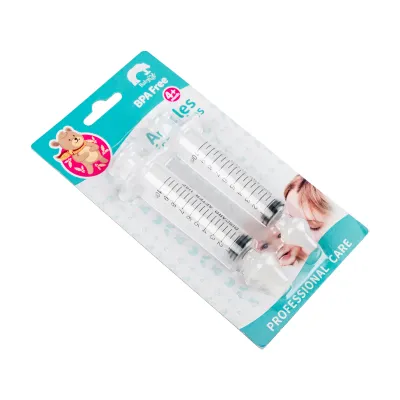
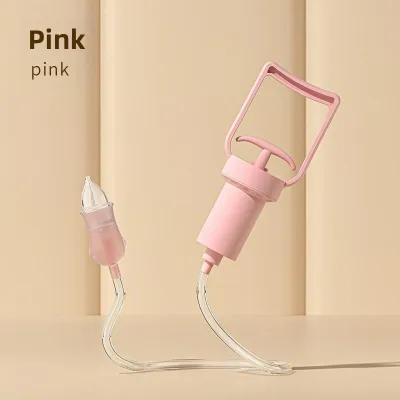
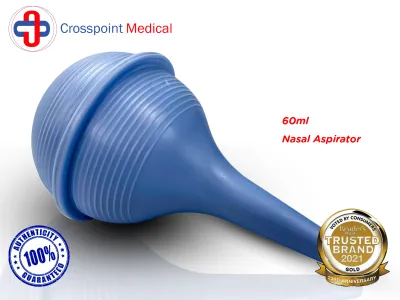
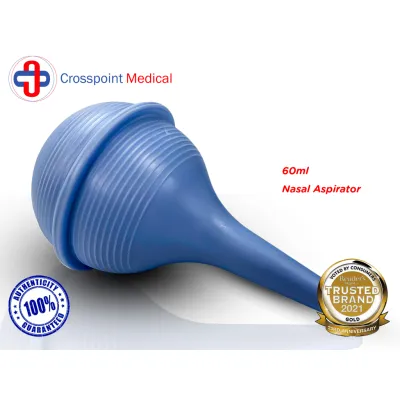
Prices are valid at publication and may change. Please refer to the product page for the latest price.
In contrast, severe or chronic congestion involves thick, sticky mucus that settles deep within the sinus cavities, often accompanied by inflammation of the nasal lining. For these deep-seated blockages, simple suction devices often fail to reach the affected areas. Instead, high-volume nasal irrigation is required to physically flush out the debris, thin the mucus, and soothe the irritated membranes.
Understanding the anatomical differences between adult and infant nasal passages is crucial when choosing a device. An adult’s nasal cavity is much wider, longer, and has a larger surface area than that of a baby. Consequently, devices designed for infants often feature nozzles that are too small to form a proper seal in an adult nostril, and their suction mechanisms are rarely powerful enough to pull thick adult mucus through the larger nasal passages.
While self-care devices are highly effective for common congestion, you must remain vigilant about symptoms that indicate a more serious underlying condition. Stop using any nasal clearance device and consult a healthcare professional immediately if you experience persistent nosebleeds, severe facial pain or pressure around the eyes, a high fever, or if your congestion remains completely blocked for more than two weeks without improvement. These red flags may point to a severe bacterial infection, structural issues, or other conditions requiring medical intervention.
Manual Bulb Syringes: Evaluating Effectiveness for Mild Congestion
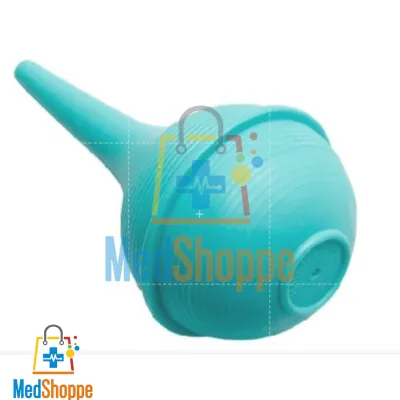
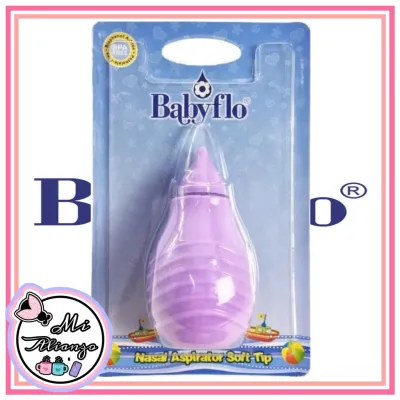
Manual bulb syringes, often made of rubber or silicone, are the most basic and widely available nasal clearance tools. These devices operate on a simple vacuum principle: you compress the bulb, insert the tip into the nostril, and release the pressure to draw mucus into the chamber. They are highly portable, require no batteries or electrical outlets, and represent the most budget-friendly option on the market.

For adults, the primary utility of a manual bulb syringe is limited to mild, watery mucus accumulation. They are excellent for quick, on-the-go relief or for clearing the front portion of the nasal passages before applying medicated nasal sprays. Because they are completely silent, they can be used discreetly in shared spaces or office environments without drawing attention.
However, manual bulbs have significant limitations when applied to adult congestion. The suction power generated by squeezing a manual bulb is relatively weak and highly inconsistent, making it virtually ineffective against thick, sticky, or dried mucus deep within the nasal cavity. Additionally, because the bulb is opaque, it is impossible to visually verify if the device has been thoroughly cleaned and dried inside.
When selecting a manual bulb syringe for adult use, look for models specifically labeled for adults or those featuring a wider, flared silicone tip that can comfortably seal an adult nostril. Ensure the material is medical-grade, flexible, and soft enough to prevent scratching the delicate nasal lining. Most importantly, prioritize designs that can be disassembled or split in half for thorough cleaning, as traditional one-piece bulbs are notorious for harboring mold and bacteria in warm, humid environments.
Electric Nasal Aspirators: Power, Control, and Moderate Relief
Electric nasal aspirators utilize a small, motor-driven pump to deliver continuous, regulated suction. Unlike manual bulbs, these devices maintain a steady vacuum level, allowing you to clear moderate mucus buildup more efficiently and with less physical effort. They bridge the gap between the simplicity of manual suction and the deep-cleansing capability of liquid irrigation.
These devices are ideal for adults who experience frequent moderate congestion due to allergies, dust exposure, or common colds, but who dislike the sensation of running water through their sinuses. The continuous suction helps draw out mucus from slightly deeper within the nasal passage without the risk of sudden pressure spikes that can occur with manual squeezing.
When evaluating electric nasal aspirators, several core dimensions should guide your purchase decision. First, look for models that offer adjustable suction levels, allowing you to start with a gentle setting and increase the power as needed to avoid tissue irritation. Second, consider the noise level of the motor, as quieter devices are much more comfortable to use, especially at night. Third, verify the power source; rechargeable USB models offer excellent portability, while battery-operated versions are convenient for travel.
Hygiene is another critical factor to inspect before buying an electric model. Ensure the device features a clear, easily detachable collection cup and replaceable or sterilizable silicone nozzles. Some models utilize disposable foam filters to prevent mucus from entering the motor housing; verify the availability and cost of these replacement parts. Never use an electric aspirator on open nasal wounds, severely inflamed tissues, or immediately after a nosebleed, and always follow the manufacturer’s sanitization protocols to prevent cross-contamination.
Nasal Irrigators: Deep Cleaning for Severe or Chronic Congestion
Nasal irrigators, which include squeeze bottles, neti pots, and powered micro-irrigation systems, represent the gold standard for clearing severe, chronic, or allergy-driven nasal congestion. Rather than relying on suction to pull mucus out, these devices use a gentle flow of saline solution to enter one nostril, pass through the nasal cavity, and exit through the other nostril, physically washing away thick mucus, allergens, and airborne irritants.
This high-volume flushing action is highly effective for individuals suffering from chronic sinusitis, severe seasonal allergies, or heavy exposure to environmental pollutants. By thoroughly bathing the nasal passages, irrigation not only clears physical blockages but also helps restore the natural moisture of the mucosal lining, which can become dry and irritated from air conditioning or dry weather.
The most critical safety rule of nasal irrigation is the water source. You must strictly use distilled, sterile, or previously boiled and cooled water to prepare your saline solution. Never use untreated tap water, as it can carry harmful microorganisms, including rare but life-threatening amoebae, which can travel directly from the nasal passages to the brain. Always mix the water with pre-measured, USP-grade saline packets to ensure the solution is isotonic and matches your body’s natural salt balance, preventing a painful burning sensation.
When choosing a nasal irrigator, evaluate the reservoir capacity to ensure it holds enough fluid for a complete flush, typically between 120ml and 240ml. Consider the pressure control mechanism: gravity-fed neti pots offer a very gentle, low-pressure flow, while squeeze bottles allow you to manually control the pressure of the stream. Ensure the device is made from BPA-free plastics or high-quality ceramics, and check that the design allows you to easily reach all interior surfaces with a cleaning brush to prevent biofilm buildup.
Decision Matrix: Matching Device Types to Your Specific Symptoms
To help you determine which device best fits your daily routine and congestion patterns, it is helpful to compare their key characteristics side by side. Each device type serves a distinct purpose, balancing factors like portability, cost, and cleaning effort against its overall clearing capability.
The following matrix outlines how manual bulbs, electric aspirators, and nasal irrigators compare across these essential dimensions:
| Device Type | Suitable Congestion Level | Mechanism | Portability | Maintenance Effort | Relative Price Tier |
|---|---|---|---|---|---|
| Manual Bulb Syringe | Mild / Thin Mucus | Manual Suction | Excellent (Pocket-sized) | Low (If disassemblable) | Budget-friendly (Under ₱300) |
| Electric Aspirator | Moderate / Consistent | Motorized Suction | Moderate (Handheld) | Medium (Requires washing & filters) | Mid-range (₱1,000 to ₱3,000) |
| Nasal Irrigator | Severe / Chronic / Thick | Saline Flush | Low to Moderate | High (Requires sterile water prep) | Budget to Mid-range (₱200 to ₱1,500) |
If your primary pain point is a strong aversion to running water through your nose, an electric nasal aspirator provides the mechanical power you need without the liquid volume. If you travel frequently and only experience occasional, mild stuffiness, a high-quality, split-design manual bulb is the most practical choice. For those dealing with stubborn, thick mucus from chronic sinus issues or heavy dust exposure, investing the time to use a nasal irrigator will yield the most thorough relief.
Safety, Hygiene, and When to Stop Using Nasal Devices
Regardless of the device type you choose, maintaining strict hygiene standards is non-negotiable to prevent introducing new bacteria or mold into your respiratory system. After every single use, completely disassemble the device, wash all parts thoroughly with warm, soapy water, and rinse them with sterile or distilled water. In humid tropical environments, allowing the parts to air-dry completely on a clean paper towel in a well-ventilated area is crucial, as lingering moisture quickly promotes mold growth.
Protecting your delicate nasal tissues requires careful control of pressure and suction. Applying excessive suction with an electric device or squeezing an irrigation bottle too forcefully can push fluid or air into your Eustachian tubes, leading to ear discomfort, temporary hearing muffledness, or middle ear irritation. Always start with the lowest possible pressure or suction setting and gently guide the nozzle, keeping your mouth open during irrigation to allow pressure to equalize.
Knowing when to stop using these devices is just as important as knowing how to use them. If you experience sudden ear pain, a feeling of water trapped deep in your ears, persistent nosebleeds, or increased nasal irritation, discontinue use immediately. Nasal clearance tools are meant to assist your body’s natural recovery; if your symptoms do not improve after a week of consistent use, or if they worsen, seek professional medical advice to identify the root cause of your congestion.
Frequently Asked Questions (FAQ)
Can adults safely use nasal aspirators designed for babies?
While it is physically safe to try, baby nasal aspirators are generally ineffective for adults. The nozzles on infant devices are designed for tiny nostrils and cannot create the airtight seal required to generate suction in larger adult nasal passages. Furthermore, the suction power of baby aspirators is calibrated for very thin, infant-grade mucus and is rarely strong enough to clear the thicker, more stubborn mucus produced by adults.
How often should an adult use a nasal aspirator or irrigator?
During acute congestion phases, such as a cold or an allergy flare-up, using a nasal irrigator or aspirator one to two times a day is generally sufficient to maintain clear breathing. For daily maintenance or allergen removal, once a day—typically in the evening—is ideal. Avoid overusing these devices multiple times a day, as excessive suction or flushing can strip away the natural protective mucus layer, leading to rebound dryness, irritation, and increased susceptibility to infections.
Is it safe to use a nasal aspirator if I have a deviated septum?
If you have a deviated septum, you must exercise extra caution and consult an ear, nose, and throat (ENT) specialist before using mechanical suction or irrigation devices. A deviated septum narrows one of your nasal passages, making it easier for aspirator tips to scrape the sensitive mucosal lining or cause localized swelling. An ENT specialist can guide you on the correct angles for insertion or recommend low-pressure irrigation methods that will not cause discomfort or tissue damage.
Community discussion
Share your experience or ask a question. Comments are reviewed before publication.