
Selecting the right milk supplement for your growing toddler is a major decision for parents in the Philippines. With options like Nankid, Nido, and Enfagrow lining supermarket shelves, finding the one that matches your child’s needs requires looking beyond the bright packaging. There is no single “best” formula for every child; instead, the ideal choice depends on your toddler’s specific nutritional gaps, taste preferences, and digestive tolerance.
As a quick guide, consider Nankid if you are looking for specific Nestlé nutritional profiles tailored for early childhood development, particularly focusing on gentle digestion and balanced growth. Choose Nido if you prefer a widely available, cost-effective, and familiar-tasting milk supplement for older toddlers who are already eating a diverse range of solid foods. Select Enfagrow if your priority lies in specialized brain-support formulations that highlight higher levels of DHA and MFGM (Milk Fat Globule Membrane).
Always consult your pediatrician before switching formulas or introducing a new milk supplement. This is particularly critical if your child has known food allergies, lactose intolerance, or any underlying medical conditions that require specialized clinical nutrition.
Products mentioned in this guide
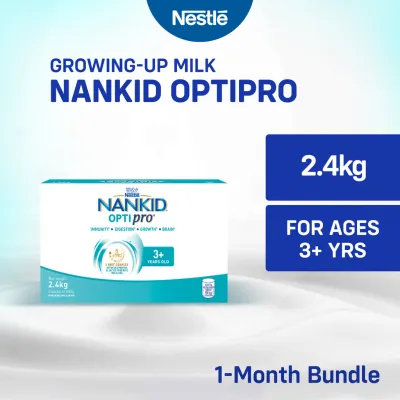
![[Pack of 3] Nankid OptiPro Four 2.4kg](https://img.lazcdn.com/g/p/6ba05be388a208762ea15bcebb4014da.jpg_400x400q80.jpg_.webp)

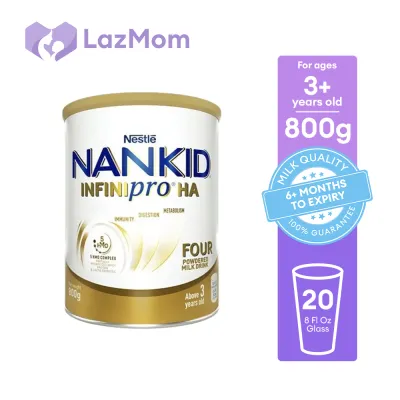
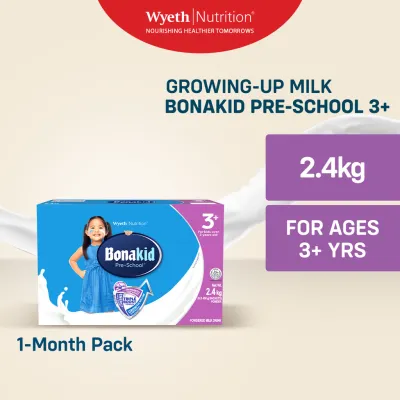
Prices are valid at publication and may change. Please refer to the product page for the latest price.
Baseline Nutritional Needs for Toddlers
Between the ages of 1 and 3 years, toddlers undergo rapid physical and cognitive development. During this transitional phase, their primary source of nutrition should shift from breast milk or infant formula to a diverse diet of solid foods. Toddler formulas—commonly labeled as Step 3 or Step 4 growing-up milks—are designed to act as liquid supplements to a balanced solid-food diet, rather than a complete replacement for daily meals.
At this stage, several key nutrients are highly critical for supporting your child’s growth. Iron is essential for healthy cognitive development and preventing iron-deficiency anemia, which can sometimes occur when toddlers transition to solid foods. Calcium and Vitamin D work synergistically to support the rapid elongation of bones and the strengthening of teeth. Additionally, essential fatty acids, such as alpha-linolenic acid (ALA) and linoleic acid, serve as structural building blocks for brain development and visual acuity.
Before selecting a growing-up milk, take a close look at your toddler’s daily eating habits. If your child is a picky eater who struggles to consume iron-rich foods like red meat or green leafy vegetables, or if they avoid calcium-rich dairy products, a targeted toddler formula can help bridge these nutritional gaps. However, if your toddler already enjoys a highly varied, nutrient-dense diet, their supplemental milk needs may be different, focusing more on simple hydration and basic calcium intake rather than heavy fortification.
Comparing Nutritional Profiles: What to Look For on the Label
To make an informed comparison between Nankid, Nido, and Enfagrow, you must learn to navigate the nutrition facts panel and the ingredients list printed on the packaging. Marketing claims on the front of the tin often highlight specific proprietary blends, but the true value of the formula is detailed on the back label.

Macronutrients and Added Sugars
When evaluating macronutrients, start by comparing the protein, fat, and carbohydrate ratios per serving size rather than looking only at the total weight of the powder. Toddlers require a balanced distribution of these macronutrients to sustain their high energy levels. Protein supports muscle growth, fats are crucial for brain development and cellular health, and carbohydrates provide the primary fuel for daily activities.
A key area of focus for many parents is the presence of added sugars. Carefully inspect the ingredient list for sweeteners such as sucrose, corn syrup solids, glucose syrup, or maltodextrin. While naturally occurring milk sugar (lactose) is the preferred carbohydrate source for healthy toddlers because it supports calcium absorption and gut health, some brands add sucrose or corn syrup to enhance flavor or adjust sweetness. If you want to limit your child’s intake of added sugars, prioritize formulas where lactose is listed as the primary carbohydrate source and avoid those containing added artificial flavorings like vanillin or honey unless specifically chosen for a picky eater.
Additionally, ensure you are checking the packaging for age-specific formulations. Macronutrient ratios and micronutrient concentrations are carefully adjusted by manufacturers to match specific developmental milestones. Step 3 formulas are typically structured for toddlers aged 1 to 3 years, while Step 4 formulations are designed for children aged 3 years and older. Mixing up these steps can result in your child receiving nutrient levels that are either insufficient or excessive for their specific age group.
Brain and Immune Support Ingredients
Brain development continues at a rapid pace during the toddler years, which is why brands heavily emphasize cognitive-support ingredients. When comparing Nankid, Nido, and Enfagrow, look specifically for docosahexaenoic acid (DHA) and arachidonic acid (ARA) on the nutrition label. These omega-3 and omega-6 fatty acids are highly concentrated in the brain and retina. Note the declared milligrams of DHA per serving; some premium formulations, such as those in the Enfagrow line, are specifically marketed for their high DHA concentrations, whereas other brands may offer standard levels.
Immune and digestive support is another critical dimension. Look for the inclusion of prebiotics, which are non-digestible fibers that feed beneficial gut bacteria. Common prebiotics listed on formula labels include fructooligosaccharides (FOS) and galactooligosaccharides (GOS). Some formulas also incorporate active probiotics—live beneficial microorganisms, such as Bifidobacterium lactis or Lactobacillus rhamnosus—to help maintain a healthy gut microbiome. Check the ingredient list to verify which specific prebiotic fibers or probiotic strains are included.
You may also encounter premium, specialized ingredients like Milk Fat Globule Membrane (MFGM) or Lutein. MFGM is a protein-lipid membrane that surrounds milk fat droplets, which studies suggest supports cognitive development and immune defense. Lutein is an antioxidant associated with eye health. Because these specialized ingredients can significantly increase the cost of the formula, verify their presence and declared amounts on the exact product variant you are purchasing to determine if the added cost aligns with your developmental priorities.
Taste, Digestibility, and Daily Acceptance
Even the most nutritionally complete formula will not benefit your child if they refuse to drink it. Toddlers are highly sensitive to sensory attributes, including sweetness, texture, and aroma. High concentrations of DHA, for instance, can sometimes impart a slightly “fishy” note to the milk, which some sensitive toddlers might reject.
Taste profiles vary noticeably across these three brands. Nido is widely recognized for its classic, rich, and creamy milk flavor, which closely mimics standard whole milk. This makes it highly palatable for toddlers who prefer a traditional dairy taste. Enfagrow and Nankid offer distinct flavor profiles depending on the specific variant. While plain versions are available, some lines feature subtle vanilla or honey flavors designed to appeal to picky eaters. If your toddler is sensitive to sweet tastes, starting with a plain, unflavored variant is generally recommended to avoid conditioning their palate to highly sweetened beverages.
Another practical consideration is powder mixability. In the hot and humid climate of the Philippines, formula powder can easily absorb moisture from the air, leading to clumping inside the tin and difficulty dissolving during preparation. When preparing the bottle, check how easily the powder dissolves in warm, pre-boiled water. Clumpy formula can clog bottle nipples and lead to inconsistent nutrient delivery. Many parents share their real-world experiences with clumping and mixability on local online marketplaces and parent forums; reading these reviews can give you a practical idea of what to expect.
Digestive tolerance is the ultimate test of any toddler formula. If your child has a sensitive stomach, look for formulas that feature partially hydrolyzed proteins. These are milk proteins that have been broken down into smaller, easier-to-digest pieces, a characteristic often found in specialized NAN or Nankid lines. For toddlers who experience mild gas or bloating, lactose-reduced options might be worth discussing with your pediatrician. Always monitor your child closely after introducing a new formula, keeping an eye out for signs of intolerance such as excessive gas, abdominal bloating, skin rashes, or sudden changes in stool consistency and frequency.
Brand Backgrounds and Product Line Variations
Understanding the corporate heritage and product structures of Nestlé and Mead Johnson can help you navigate the supermarket aisle with confidence. Both manufacturers have established long-standing reputations in the Philippines, operating under strict quality control and food safety standards.
Nestlé produces both Nankid and Nido, but positions them for very different consumer segments. Nankid is marketed as a premium, scientifically advanced growing-up milk designed for early childhood, often focusing on optimized protein quality (such as whey-to-casein ratios) and digestive comfort. Nido, on the other hand, is a household staple in the Philippines, designed as a highly accessible, family-oriented milk supplement. It is widely distributed in various formats, including Nido 3+ and Nido 5+, catering to older toddlers and school-aged children with a focus on basic immunity and bone growth at a more economical price point.
Mead Johnson, the maker of Enfagrow, focuses heavily on pediatric nutrition backed by brain-development research. The Enfagrow brand includes several sub-lines, such as Enfagrow A+ Four and Enfagrow Premium. These lines are positioned at premium price points, highlighting advanced ingredient complexes like MFGM and high levels of DHA.
Because formulations, ingredients, and target age groups vary significantly even within a single brand’s portfolio, never buy a tin based on the brand name alone. Always read the exact product name, the specific sub-line (e.g., Nido 3+ versus Nido Fortigrow, or Nankid Optipro versus specialized NAN variants), and the age step indicated on the front of the packaging.
Final Decision Framework: Matching Formula to Your Child
To simplify your decision, use this structured framework to match the unique characteristics of Nankid, Nido, and Enfagrow to your toddler’s specific needs and your family’s lifestyle.
- Choose Nankid if:
- Your toddler is in the early stages of transitioning to solid foods (around 1 to 2 years old) and requires a premium, scientifically formulated milk supplement.
- You prioritize digestive comfort and optimized protein quality designed to be gentle on a developing stomach.
- Your budget accommodates a premium-tier formula, and your child prefers a mild, natural milk flavor without heavy sweetness.
- Choose Nido if:
- You are looking for a highly accessible, budget-friendly milk supplement for an older toddler (aged 3 years or older) who already eats a well-balanced, diverse diet of solid foods.
- Your child prefers a rich, traditional, creamy milk taste.
- You value the convenience of being able to purchase your child's milk at almost any local sari-sari store, supermarket, or neighborhood grocery outlet across the Philippines.
- Choose Enfagrow if:
- You want to prioritize specialized cognitive-support ingredients, specifically looking for high levels of DHA and the inclusion of MFGM.
- Your child accepts the specific taste profile of Enfagrow's premium variants.
- You are comfortable investing in a premium-priced pediatric formula line to supplement your child's daily nutrition.
- Verify first if:
- Before committing to a bulk purchase of any brand, buy a small tin or box to test your child's acceptance.
- Verify the local availability and consistent stock of your chosen formula in nearby physical supermarkets or official online flagship stores. Running out of a specific formula suddenly can disrupt your child's feeding routine.
- Calculate the actual price per serving rather than just comparing the shelf price of the tin, as scoop sizes and serving recommendations differ between brands.
- Most importantly, observe your child's physical response. If you notice any signs of digestive discomfort, allergic reactions, or growth concerns, consult your pediatrician immediately to determine the best course of action.
Frequently Asked Questions (FAQ)
Can I mix Nankid and Enfagrow in the same bottle?
It is strongly advised not to mix different brands, such as Nankid and Enfagrow, or different stages of formula within the same bottle. Each formula is scientifically calibrated with a specific ratio of powder to water to achieve the correct osmolarity, nutrient density, and digestive load. Mixing them can alter this delicate balance, potentially leading to dehydration, nutritional imbalances, or severe gastrointestinal upset. If you need to switch your toddler from one brand to another, do so gradually by alternating separate feeding sessions over several days under the guidance of your pediatrician.
When should I transition my toddler from infant formula to growing-up milk?
The transition from infant formula (typically Step 1 or Step 2) to growing-up milk (Step 3) generally occurs around 12 months of age. At this milestone, a child’s nutritional requirements change as solid foods become their primary source of energy and nutrients. However, the exact timing depends on your child’s individual developmental readiness and solid-food intake. Always check the specific age grading on the packaging of Nankid, Nido, or Enfagrow, and consult your pediatrician to confirm when your toddler is ready to make the switch.
Community discussion
Share your experience or ask a question. Comments are reviewed before publication.