
Quick Answer: Which Toddler Formula Fits Your Child Best?
Choosing the right milk for your growing toddler is one of the most frequent decisions parents face during the crucial transition from infancy to early childhood. In the Philippines, the market offers several prominent options, with Nankid, Nido, and Enfagrow being among the most widely discussed brands. There is no single, universal winner among these three options; instead, the ideal choice depends entirely on your child’s specific nutritional requirements, digestive tolerance, age stage, and taste preferences.
Each of these brands is formulated with a distinct primary focus to cater to different developmental priorities. Nankid, produced by Nestlé, is highly regarded for its emphasis on digestive comfort and immune support, often incorporating specific probiotic strains and optimized proteins. Enfagrow, manufactured by Mead Johnson, places a heavy emphasis on cognitive development, featuring high levels of DHA and other brain-building nutrients. Nido, also from Nestlé, is widely recognized as a fortified milk drink designed for older toddlers and young children, focusing on general growth, bone development, and a flavor profile that closely mirrors standard cow’s milk.
Before making any changes to your child’s diet or switching between these milk products, it is essential to consult your pediatrician. A qualified medical professional can assess your toddler’s unique growth trajectory, identify any underlying food sensitivities, and recommend the most appropriate nutritional path, especially if your child has a history of allergies or digestive issues.
Products mentioned in this guide
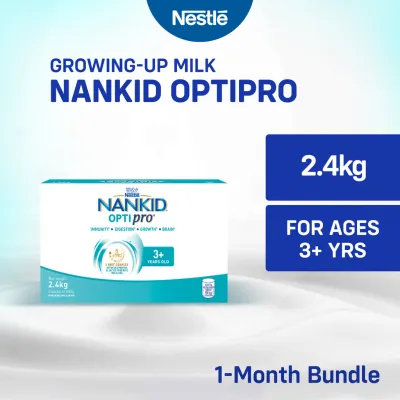
![[Pack of 3] Nankid OptiPro Four 2.4kg](https://img.lazcdn.com/g/p/6ba05be388a208762ea15bcebb4014da.jpg_400x400q80.jpg_.webp)
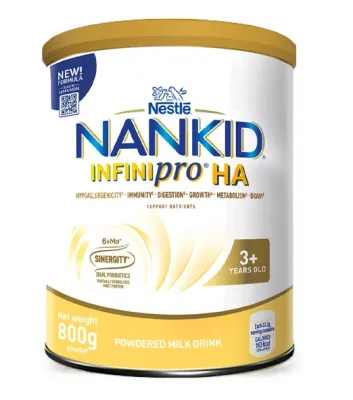
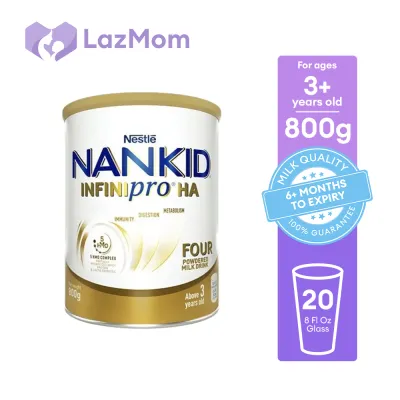
Prices are valid at publication and may change. Please refer to the product page for the latest price.
Nutritional Showdown: What to Look for on the Label
Understanding how to read and compare nutritional labels is a vital skill for parents navigating the transition from infant formula to toddler milk. Toddler formulas (often designated as Stage 3 for children aged 1 to 3 years) and fortified milk drinks (often designated as Stage 4 for children aged 3 years and older) serve different nutritional purposes. Because formulations can vary significantly between brands and even between different stages of the same brand, parents must carefully examine the packaging to verify the recommended age range, weight guidelines, and specific preparation instructions.

When comparing Nankid, Nido, and Enfagrow, do not rely solely on front-of-pack marketing claims. Instead, turn the container around to examine the nutrition facts panel and the ingredient list. Pay close attention to the serving size, as different brands use different scoop sizes and water volumes to define a single serving. To make an accurate comparison, calculate the nutrient values per 100 grams of powder or per 100 milliliters of prepared milk, rather than comparing single servings directly. This systematic approach allows you to evaluate the actual concentration of essential vitamins, minerals, proteins, and fats your child will consume.
Brain and Immune Support (DHA, ARA, and Vitamins)
During the toddler years, rapid brain growth and immune system maturation require a steady supply of specific micronutrients and fatty acids. Docosahexaenoic acid (DHA) and arachidonic acid (ARA) are polyunsaturated fatty acids that play critical roles in the structural development of the brain and the retina of the eyes. Additionally, vitamins and minerals such as Vitamin C, Zinc, Iron, Vitamin A, and Vitamin D are essential for maintaining robust immune defenses, helping toddlers ward off common childhood infections.
When evaluating these brands, parents should look closely at the labels of Enfagrow and Nankid, as both of these brands heavily emphasize cognitive development in their product positioning. Check the nutritional panel to compare the exact sources of DHA—such as fish oil or single-cell algae—and the specific milligrams provided per serving. Enfagrow is particularly known for its high DHA content, designed to support brain development during these highly active learning years. Nankid also includes structured lipids and DHA to support cognitive function alongside its digestive components.
In contrast, Nido is often classified as a fortified milk drink rather than a specialized toddler formula, particularly in its later stages. While Nido is enriched with essential vitamins and minerals like Iron, Zinc, and Vitamin C to support general growth and immunity, its baseline levels of specialized brain-support lipids like DHA and ARA may differ from those found in dedicated formula brands like Nankid or Enfagrow. Parents should verify these specific levels on the respective nutrition labels based on their pediatrician’s recommendations.
Digestive Health (Probiotics and Prebiotics)
A toddler’s gut health is closely linked to their overall immune system, as a significant portion of the body’s immune cells reside in the digestive tract. Probiotics are live, beneficial microorganisms that help maintain a healthy balance of gut microbiota, while prebiotics are non-digestible fibers that serve as food for these friendly bacteria. Together, they support smooth digestion, help prevent common issues like constipation or loose stools, and reinforce the gut barrier against harmful pathogens.
When reviewing the packaging of Nankid and Enfagrow, parents should look for the specific strains of probiotics and types of prebiotics included in the ingredients list. For instance, Nankid frequently incorporates active probiotic cultures, such as Bifidobacterium lactis, which are selected to support digestive comfort and natural defenses. Enfagrow formulations may also contain prebiotic blends designed to foster a healthy gut environment. Because manufacturers update their formulations periodically, verifying the active cultures on the physical packaging is a necessary step.
If you select a milk product containing live probiotics, proper preparation is critical to ensure these beneficial bacteria survive. High temperatures can easily destroy live probiotics, rendering them ineffective. Parents must check the manufacturer’s preparation instructions, which typically advise cooling boiled water to a lukewarm temperature (usually around 40 degrees Celsius or lower) before mixing in the powder. Using boiling or excessively hot water will neutralize the probiotics and alter the nutritional value of the feed.
Sugar Content and Sweeteners
Monitoring the intake of added sugars is a primary concern for modern parents focused on long-term health and dental hygiene. Naturally occurring milk sugar, known as lactose, is the standard carbohydrate source in mammal milk and provides essential, steady energy for active toddlers. However, some toddler milk products and fortified milk drinks may contain added sugars or alternative sweeteners, such as sucrose, corn syrup solids, glucose syrup, or maltodextrin, to enhance flavor, texture, or solubility.
To identify the presence and amount of these sugars, parents must read both the nutrition facts panel and the ingredient list on Nankid, Nido, and Enfagrow. In the ingredient list, items are listed in descending order by weight, meaning the ingredients listed first are present in the largest quantities. If you see sucrose, corn syrup solids, or other sweeteners near the top of the list, the product relies more heavily on added sugars for its carbohydrate content.
Consuming excessive amounts of added sugars during early childhood can significantly influence a toddler’s developing taste preferences, potentially leading to a rejection of plain milk, water, and unsweetened whole foods. Furthermore, frequent exposure to added sugars increases the risk of early childhood dental caries (tooth decay) and can cause rapid fluctuations in blood sugar levels, leading to energy spikes followed by irritability. Verifying the sugar profile on the label helps you choose a product that aligns with your family’s nutritional goals.
Taste, Texture, and Toddler Acceptance
Even the most nutritionally advanced formula is of little value if your toddler consistently refuses to drink it. Toddlers are notoriously sensitive to changes in the taste, aroma, and texture of their food, and transitioning to a new milk can sometimes trigger strong resistance. Understanding the general sensory profiles of Nankid, Nido, and Enfagrow can help parents anticipate potential challenges and manage the transition more smoothly.
The taste profiles of these three brands differ noticeably due to their distinct ingredient compositions. Nido is highly regarded for its rich, creamy, and slightly sweet taste, which closely resembles standard cow’s milk. This familiar dairy flavor makes Nido highly acceptable to many older toddlers, especially those who are transitioning away from breastmilk or standard infant formulas and prefer a traditional milk taste.
On the other hand, Nankid and Enfagrow contain specialized ingredients like DHA, ARA, iron, and specific vitamin-mineral complexes that can subtly alter the flavor and aroma of the prepared milk. Some parents note that formulas with high concentrations of DHA can have a slightly distinct, less sweet, or faintly metallic taste that some toddlers may find unfamiliar. If your toddler is sensitive to these subtle flavors, they may require more time and patience to accept the new taste.
Powder solubility and texture also play a role in toddler acceptance. Clumping or a chalky texture can cause frustration, especially if the lumps clog the bottle nipple or cup spout. To ensure a smooth texture, parents should check the manufacturer’s instructions for mixing. Some powders dissolve readily in lukewarm water, while others require specific stirring techniques or vigorous shaking to fully integrate.
To minimize the risk of refusal and prevent sudden digestive upset, parents should avoid making an abrupt switch from one milk brand to another. Instead, implement a gradual transition strategy over a period of seven to ten days. Start by introducing the new milk in small increments. For example, on days one to three, replace a small fraction of the old milk with the new milk in a single serving, or replace just one of the daily feeds with the new brand. Gradually increase the proportion of the new milk every few days while carefully monitoring your toddler’s digestion, stool consistency, and overall comfort. This step-by-step approach gives the toddler’s digestive system and taste buds adequate time to adapt.
Brand Trust and Where to Buy Safely
When selecting a milk product for your child, the reputation and manufacturing standards of the parent company provide an important layer of assurance. Both Nestlé (the manufacturer of Nankid and Nido) and Mead Johnson (the manufacturer of Enfagrow) have established a long-standing, decades-long presence in the Philippines. These companies operate under strict quality control protocols and comply with local and international food safety standards. However, brand reputation alone does not guarantee safety if the product is not sourced and handled correctly.
In the tropical climate of the Philippines, high humidity and elevated temperatures present significant challenges for the storage and preservation of milk powders. Exposure to moisture, direct sunlight, or excessive heat can cause the powder to clump, degrade the sensitive vitamins and probiotics, and potentially encourage the growth of harmful bacteria if the seal is compromised. Consequently, purchasing from reputable, authorized sellers is crucial to ensure the product has been stored and transported under controlled conditions.
Parents should purchase toddler milk exclusively from authorized retail channels. These include major physical supermarkets, established pharmacy chains, and the official brand stores hosted on reputable online marketplaces or e-commerce platforms. Avoid purchasing from unauthorized third-party online sellers, even if they offer substantial discounts. Extremely low prices can sometimes indicate counterfeit goods, parallel imports that have not cleared local safety checks, expired stock, or products that have been damaged by improper storage.
Before opening any milk package, perform a thorough physical inspection to verify its integrity. First, check that the outer plastic seal, tin lid, or foil tab is completely intact, with no signs of tearing, denting, or tampering. Second, locate the expiration date printed on the bottom of the tin or the back of the box, ensuring the product is well within its shelf life. Third, verify that the package displays a valid Food and Drug Administration (FDA) registration number, which confirms that the specific formulation has been officially registered and approved for distribution in the Philippines. If you notice any defects, unusual odors, or compromised seals, do not feed the milk to your child and contact the manufacturer’s customer care line immediately.
The Final Verdict: How to Choose Based on Your Child's Needs
Navigating the choices between Nankid, Nido, and Enfagrow ultimately comes down to matching the specific developmental priorities of your child with the unique strengths of each formulation. Because every toddler’s body and taste preferences are unique, the ideal choice is highly individualized. To help simplify your decision, consider the following guidelines based on your child’s primary needs:
- Choose Nankid if: Your main priority is to support your toddler's digestive comfort, gut health, and immune system with a formula that features optimized proteins and specific active probiotic strains, and your child easily accepts its specialized taste profile.
- Choose Enfagrow if: Your primary focus is on cognitive development, memory, and brain growth, and you want a formula that provides high levels of DHA and brain-support nutrients, provided your toddler tolerates the taste of DHA-fortified milk.
- Choose Nido if: Your older toddler (typically three years and above, or transitioning from Stage 3 milk) is growing well without specific digestive or cognitive concerns, prefers a rich, traditional cow's milk flavor, and you are looking for a widely accessible, budget-friendly fortified milk drink for general growth support.
- Verify first if: Your child has a documented history of cow's milk protein allergy, lactose intolerance, or other metabolic conditions. Standard versions of Nankid, Nido, and Enfagrow are formulated using cow's milk proteins and lactose, making them highly unsuitable for children with these medical conditions. If your child exhibits signs of an allergy or intolerance, stop using these standard formulas immediately and consult your pediatrician, who can prescribe a specialized hypoallergenic, soy-based, or lactose-free formula tailored to your child's therapeutic needs.
Frequently Asked Questions (FAQ)
Can I mix Nankid or Enfagrow with regular cow's milk like Nido?
Parents should avoid mixing different brands of formula or blending toddler formula with fortified milk drinks like Nido in the same bottle or cup. Each product is scientifically formulated with a precise ratio of powder to water to deliver a specific concentration of nutrients, minerals, and calories. Mixing different powders alters this delicate balance, which can lead to over-concentration or dilution. This imbalance can strain a toddler’s developing kidneys, cause dehydration, or result in severe digestive discomfort. If you are transitioning your child from one milk to another, do so by serving them in separate feeds throughout the day rather than mixing the powders together.
How do I know if my toddler is intolerant to a specific formula?
Recognizing the signs of milk intolerance or allergy is crucial for your child’s well-being. Common symptoms of intolerance or sensitivity include persistent diarrhea or loose stools, frequent vomiting, excessive abdominal gas, bloating, severe diaper rash, skin hives, or extreme fussiness and crying during or shortly after feeding. If you observe any of these symptoms after introducing a new milk, stop feeding that formula immediately. Do not attempt to diagnose the issue or switch through various specialized formulas on your own; instead, consult a qualified pediatrician promptly to obtain an accurate diagnosis and a safe feeding plan.
Community discussion
Share your experience or ask a question. Comments are reviewed before publication.