
Choosing the right toddler milk in the Philippines can feel overwhelming. With major brands like Nankid, Nido, and Enfagrow lining supermarket shelves, parents face a constant stream of marketing claims about brain development, immunity, and growth.
There is no single “best” formula for every child. The ideal choice for your toddler depends entirely on their individual digestive tolerance, taste preferences, and your family’s monthly budget.
Each of these three prominent brands has carved out a specific reputation among Filipino parents. Nankid is often recognized for its advanced nutritional blends and focus on digestive comfort. Nido is a household classic, widely loved for its rich, creamy taste and its focus on overall growth and immunity. Enfagrow is frequently highlighted for its emphasis on brain development nutrients, particularly DHA.
Products mentioned in this guide
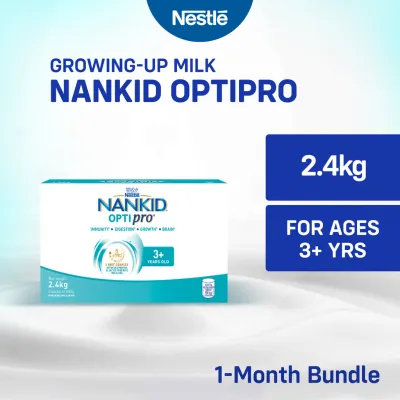
![[Pack of 3] Nankid OptiPro Four 2.4kg](https://img.lazcdn.com/g/p/6ba05be388a208762ea15bcebb4014da.jpg_400x400q80.jpg_.webp)
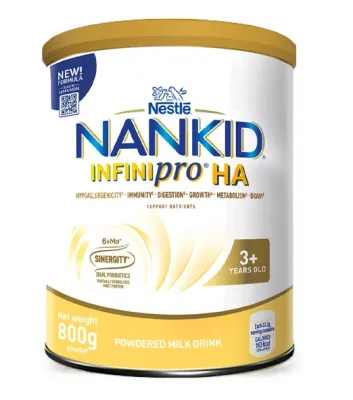
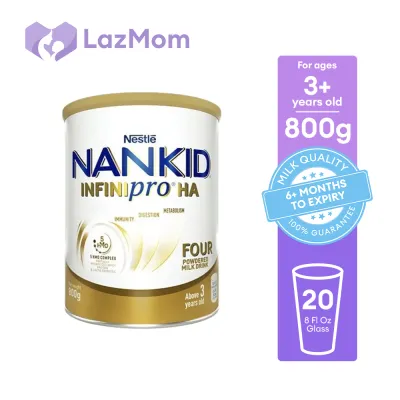
Prices are valid at publication and may change. Please refer to the product page for the latest price.
Before making any significant changes to your child’s diet, always consult a pediatrician. This is especially critical if your toddler has known food allergies, lactose intolerance, or any underlying health conditions. A professional medical assessment ensures that your choice supports your child’s unique development safely.
Comparing Nutritional Profiles and Key Ingredients
When your child reaches one year of age, their nutritional needs change dramatically. Toddler formulas, often labeled as Stage 3, are designed for children aged 1 to 3 years. These products are formulated to supplement a transitioning diet, not to replace whole, solid foods. At this stage, solid foods should become the primary source of nutrients, with milk acting as a supportive partner to fill potential nutritional gaps.
To make an objective comparison between Nankid, Nido, and Enfagrow, you must look past the front-of-pack marketing claims. The most reliable way to evaluate what goes into your child’s body is to turn the container around and examine the Nutrition Facts label and the ingredient list. Formulations can change, and different regional variants may exist, so checking the exact label of the product in your hands is the gold standard for comparison.
Macronutrients and Energy Density
When reviewing the Nutrition Facts, start with the macronutrient breakdown—specifically protein, fat, and carbohydrates—alongside the overall energy density, which is measured in calories per serving. Protein is essential for muscle development, tissue repair, and overall physical growth during these highly active years. You will want to verify that the protein content aligns with local pediatric guidelines for daily intake, ensuring it supports growth without overloading your toddler’s developing kidneys.
Equally important is the source of carbohydrates. You should carefully inspect the ingredient list for added sugars, which may appear under names like sucrose, corn syrup solids, fructose, or maltodextrin. While some added sugars are used to improve taste or adjust texture, a high intake of added sugars can influence a toddler’s preference for overly sweet foods and impact dental health.
In contrast, lactose is the natural sugar found in milk and is generally preferred unless your child has a diagnosed lactose sensitivity. Comparing the ratio of natural lactose to added sugars across Nankid, Nido, and Enfagrow will help you choose an option that supports balanced energy levels without unnecessary sweetness.
Brain and Immune Support Ingredients
The toddler years are a period of rapid cognitive development and physical exploration, which places a high demand on the immune system. Consequently, brands heavily emphasize ingredients like Docosahexaenoic Acid (DHA), Arachidonic Acid (ARA), iron, and essential vitamins. DHA and ARA are omega-3 and omega-6 fatty acids, respectively, which play structural roles in brain and eye development. Iron is another critical nutrient, as iron deficiency can affect cognitive function and energy levels in young children.
When comparing these brands, you will notice distinct marketing focuses. Enfagrow is widely recognized for its strong emphasis on high DHA levels, positioning itself as a premium choice for cognitive support. Nido frequently highlights its immune-support blends, focusing heavily on vitamins A, C, and D, alongside Zinc and Selenium to support the body’s natural defenses.
Nankid typically takes a balanced approach, combining brain-support nutrients with specialized protein blends designed for overall growth and physical development. Because formulations are updated periodically and vary between standard and premium lines, you should always check the specific milligram amounts of DHA, iron, and vitamins on the packaging of the exact variant you plan to purchase.
Digestive Comfort and Gut Health
A toddler’s digestive system is still maturing, making them prone to occasional constipation, gas, or loose stools. To support gut health, many toddler milks incorporate prebiotics and probiotics. Prebiotics, such as Fructooligosaccharides (FOS) and Galactooligosaccharides (GOS), are non-digestible fibers that feed beneficial gut bacteria. Probiotics are live beneficial microorganisms, such as Bifidobacterium lactis, that directly support a healthy gut microbiome.
Nankid often highlights its inclusion of specific probiotic strains and optimized proteins designed to be easy on gentle tummies, aiming to promote soft stools and reduce digestive discomfort. Enfagrow and Nido also include prebiotic blends in several of their variants to assist with digestive regularity.
As a parent, it is crucial to monitor your child’s reaction to any formula. If you observe signs of severe bloating, persistent diarrhea, unexplained vomiting, or skin rashes, these could indicate a milk protein allergy or severe lactose sensitivity. In such cases, stop using the formula immediately and consult your pediatrician.
Taste, Mixability, and Toddler Acceptance
Even the most nutritionally complete formula is of no use if your toddler refuses to drink it. Toddlerhood is famous for the onset of picky eating, making taste and texture major factors in your final decision.

Taste Preferences
The flavor profiles of these three milks differ noticeably, which can influence how quickly your child accepts them. Nido is widely celebrated for its rich, creamy, and traditional milk flavor. Because it tastes very similar to standard full-cream milk, many toddlers transition to it with minimal resistance.
Enfagrow and Nankid, on the other hand, feature highly specialized nutritional profiles that can subtly alter their taste. Some parents note that Enfagrow has a slightly sweeter taste or a mild iron aftertaste, depending on the specific variant. Nankid is often described as having a clean, mild taste that is less sweet than some competitors. Ultimately, taste is highly subjective, and your toddler’s unique palate will be the final judge.
Mixability
For parents, the ease of preparing the milk is a daily practical consideration. Powder solubility varies between brands and can be affected by water temperature and preparation techniques. Poor mixability leads to frustrating clumps at the bottom of the bottle or cup, which not only wastes nutrients but can also clog bottle nipples or alter the texture of the drink.
To ensure smooth mixing and preserve the integrity of heat-sensitive nutrients like vitamins and probiotics, always follow the manufacturer’s exact instructions printed on the tin. Use the provided scoop to measure the powder accurately, and ensure the water is at the recommended temperature—typically lukewarm, previously boiled water. Avoid using boiling hot water, as this can clump the powder and destroy beneficial probiotics.
Transitioning Tips
If you decide to switch your toddler from one brand to another, a gradual transition is usually the most successful approach. Suddenly replacing their familiar milk can cause digestive upset or lead to immediate rejection based on the unfamiliar taste.
With your pediatrician’s approval, you can introduce the new milk slowly over several days. Start by replacing a small portion of the old milk with the new one in the same serving, or replace just one feed a day with the new brand. Offering the milk in a favorite cup or alongside a familiar snack can also help ease the transition. If your child shows persistent resistance or digestive discomfort during the process, pause the transition and seek professional medical guidance.
Brand Reputation and Safety Standards
Trust is paramount when choosing products for your child. Understanding the background of the manufacturers and knowing how to verify product safety can give you peace of mind.
Parent Companies
The three brands are produced by some of the largest and most established names in global pediatric nutrition. Nankid and Nido are both manufactured by Nestlé, a Swiss multinational company with over a century of experience in developing food and beverage products. Enfagrow is produced by Mead Johnson, a highly respected American company specializing in pediatric nutrition, which is now part of the Reckitt group. Both manufacturers have long-standing histories of research, development, and quality control in the Philippines and globally.
Safety and Registration
In the Philippines, all commercially sold toddler formulas must comply with strict national safety standards. Before purchasing any milk, always verify that the product has been registered and approved by the Food and Drug Administration (FDA) of the Philippines. This registration ensures that the product has undergone safety evaluations and meets local nutritional regulations. You can check for the FDA registration number on the packaging or verify it through the official FDA online verification portal.
Authenticity
The rise of online shopping has made toddler milk more accessible, but it has also increased the risk of counterfeit, expired, or improperly stored products. To protect your child’s health, avoid buying formula from unauthorized third-party sellers, especially those offering prices that seem too good to be true.
Always purchase your toddler’s milk from established supermarkets, reputable pharmacy chains, or the brands’ official flagship stores on authorized online marketplaces. Properly stored formula should be kept in a cool, dry place, away from direct sunlight. Inspect the packaging before purchase or opening; do not use any product if the outer seal is broken, the tin is severely dented, or the expiration date has passed.
Price, Availability, and Value for Money
Feeding a growing toddler is a long-term financial commitment. Balancing nutritional quality with your household budget requires looking beyond the price tag on the shelf.
Cost Per Serving
When comparing the prices of Nankid, Nido, and Enfagrow, looking solely at the price of the tin can be misleading. A larger or cheaper tin is not always the most economical choice. Instead, you should calculate the cost per serving.
To do this, check the preparation instructions on the back of the packaging. Note the weight of the tin, the recommended scoop size in grams, and the number of scoops required per serving. Divide the total weight of the powder by the weight of a single serving to find out how many servings one tin actually provides. Finally, divide the purchase price of the tin by the number of servings. You may find that a brand with a slightly higher initial shelf price requires fewer scoops per glass, making it more cost-effective per serving than a cheaper brand that requires larger or more frequent scoops.
Availability
Convenience is another practical factor. If a formula is difficult to find, you risk running out and being forced to make sudden, unplanned brand switches.
In the Philippines, Nido is exceptionally widely distributed. You can find Nido in almost every major supermarket, local grocery store, and even in smaller neighborhood sari-sari stores across both urban and rural areas. Enfagrow and Nankid are also widely available in major cities, large supermarket chains, and leading pharmacies. However, their availability may be more limited in remote provincial areas or smaller local shops. If you choose Enfagrow or Nankid, you may need to plan your purchases ahead of time or rely on official online stores to ensure a continuous supply.
Promotions and Bundles
To optimize your budget, look out for official promotions and bulk bundles. Official flagship stores on online marketplaces and major supermarket chains frequently offer discounts on multi-pack bundles, loyalty rewards, or seasonal sales. Purchasing your preferred brand in larger tin sizes or bulk packs can significantly lower the cost per serving. Always ensure that you are buying from official, authorized channels to guarantee product freshness and authenticity, and check the expiration dates on bulk purchases to ensure your child can consume the milk before it expires.
How to Decide: A Framework for Parents
Choosing between Nankid, Nido, and Enfagrow ultimately comes down to matching the specific characteristics of each milk with your toddler’s unique needs and your family’s circumstances. To help guide your decision, you can use the following framework.
Choose Nido if:
- Your toddler is a picky eater who prefers a classic, rich, and creamy milk flavor.
- You are looking for a highly accessible option that is easy to buy anywhere in the Philippines, from large malls to local neighborhood stores.
- Your primary focus is on supporting general physical growth, daily activity, and basic immune health through a reliable, budget-friendly option.
Choose Enfagrow if:
- You want to prioritize a formulation that places a strong emphasis on brain development and cognitive support, particularly through high levels of DHA.
- Your toddler accepts its specific flavor profile without issue.
- Your family budget comfortably accommodates a premium-tier formula.
Choose Nankid if:
- Your toddler has a sensitive stomach and you want to prioritize digestive comfort, soft stools, and gut health through specialized protein blends and probiotics.
- You prefer a balanced nutritional profile with a clean, less-sweet taste.
- You are looking for an advanced formula backed by research into physical growth and digestive wellness.
When to Neither/Verify First
It is important to remember that all three of these standard formulas are based on cow’s milk. If your child has been diagnosed with Cow’s Milk Protein Allergy (CMPA) or severe lactose intolerance, none of these standard options are suitable. Feeding cow’s milk-based formula to a child with CMPA can lead to severe allergic reactions, respiratory issues, or gastrointestinal distress.
In these scenarios, you must bypass standard toddler milks entirely and consult a pediatrician or pediatric gastroenterologist. They can prescribe specialized, hypoallergenic formulas, such as extensively hydrolyzed or amino acid-based formulas, or appropriate plant-based medical alternatives.
Ultimately, the best toddler formula is the one that your child drinks willingly, digests comfortably without any adverse reactions, and fits sustainably within your family’s monthly budget.
Frequently Asked Questions (FAQ)
Can I mix Nankid, Nido, and Enfagrow together in one bottle?
No, you should not mix different brands or types of formula together in the same bottle. Each brand is formulated with a precise balance of nutrients and requires a specific water-to-powder ratio to achieve the correct concentration. Mixing them can alter this delicate balance, leading to incorrect osmolarity. This can put unnecessary strain on your toddler’s developing kidneys and cause digestive issues like constipation, gas, or diarrhea. If you are transitioning between brands, keep the servings separate or follow a gradual transition schedule recommended by your pediatrician.
At what age should I transition my child from infant formula to toddler formula?
Toddler formulas, often designated as Stage 3, are designed for children between the ages of 1 and 3 years. During the first year of life, breastmilk or appropriate infant formula is the primary source of nutrition, as recommended by the World Health Organization (WHO) and local health guidelines. You should not introduce toddler formula before your child’s first birthday, as their digestive system is not yet ready for it. Always consult your pediatrician before making the transition to ensure your child is developmentally ready and receiving adequate nutrition from a diverse diet of solid foods.
What should I do if my toddler experiences constipation after switching brands?
It is common for toddlers to experience minor changes in their bowel movements or mild constipation when transitioning to a new formula brand, as their digestive system adjusts to the new ingredients. To help ease this transition, ensure your child is drinking plenty of water throughout the day and consuming fiber-rich solid foods like fruits and vegetables. However, if the constipation is severe, accompanied by pain, vomiting, blood in the stool, or lasts for more than a few days, stop using the new formula immediately and consult your pediatrician. Do not administer any laxatives or medical treatments without professional medical advice.
Community discussion
Share your experience or ask a question. Comments are reviewed before publication.