
Choosing the right formula milk for your three-year-old child often comes down to balancing nutritional gaps, digestive comfort, taste preferences, and your household budget. At three years of age, children undergo rapid cognitive and physical development, transitioning from toddlerhood into active preschool years. While solid foods should now serve as their primary source of nutrition, fortified milk remains a popular and convenient way to ensure they receive essential micronutrients.
In the Philippines, brands like NAN, Nido, and Enfagrow are widely available options, each formulated with distinct nutritional priorities, ingredient sources, and price points. Rather than searching for a universal “best” brand, the key is to identify which product’s specific formulation aligns with your child’s unique dietary patterns and digestive health. By learning how to analyze product labels, assess preparation requirements, and calculate the actual cost per serving, you can make an informed decision that supports your child’s growth without straining your family budget.
Baseline Nutritional Needs for a 3-Year-Old
By the age of three, a child’s nutritional requirements shift significantly as their physical growth stabilizes and their daily activity levels increase. Preschoolers require a steady intake of calcium and Vitamin D to support rapid bone elongation and tooth development. Iron remains a critical micronutrient during this stage to support healthy blood cells and cognitive function, while adequate protein is necessary to build and repair muscle tissues. Additionally, vitamins such as Vitamin A, C, and E play vital roles in maintaining a robust immune system as children begin interacting more frequently with peers in preschool or playgroups.
Products mentioned in this guide



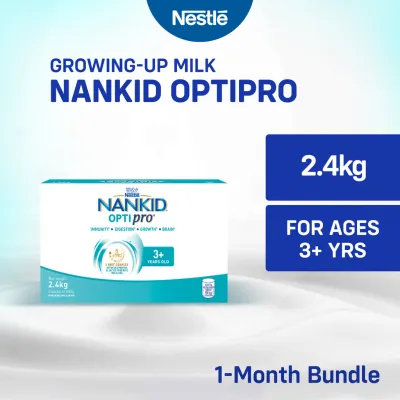
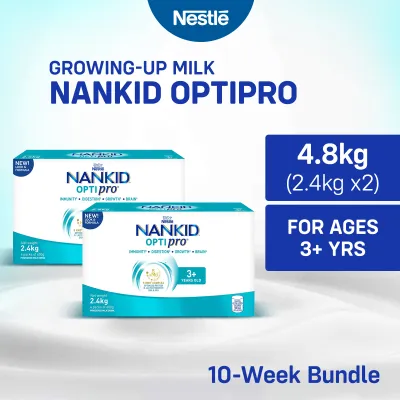
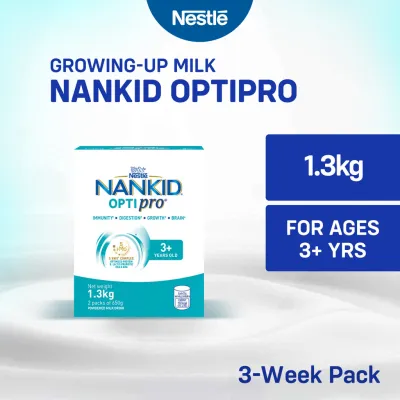

Prices are valid at publication and may change. Please refer to the product page for the latest price.
It is essential to view formula milk or growing-up milk as a dietary supplement rather than a primary meal replacement. At this stage, your child should ideally be consuming three balanced meals and two healthy snacks a day, consisting of diverse whole foods like fruits, vegetables, lean proteins, and whole grains. Fortified milk serves as a safety net, bridging any nutritional gaps left by picky eating habits or temporary appetite fluctuations. Relying too heavily on milk can fill a child’s stomach, inadvertently reducing their appetite for solid foods and potentially leading to nutrient deficiencies such as iron-deficiency anemia.
Before introducing a new formula or switching brands, consulting a pediatrician is highly recommended. A healthcare professional can evaluate your child’s growth chart, assess their solid food intake, and identify any specific nutrient gaps that require targeted fortification. They can also provide personalized guidance on the appropriate daily milk volume for your child, which typically ranges from 350 to 500 milliliters, ensuring that milk consumption complements rather than hinders their transition to a diverse, solid-food diet.
Evaluating Nutritional Profiles on the Label
To make an objective comparison between NAN, Nido, and Enfagrow, you must look past front-of-pack marketing claims and carefully examine the nutrition facts panel on the back of the packaging. Start by checking the levels of key developmental nutrients per serving. Look for docosahexaenoic acid (DHA) and arachidonic acid (ARA), which are polyunsaturated fatty acids associated with brain and visual development. Compare the milligrams of DHA per serving across the brands, keeping in mind that the overall impact depends on your child’s dietary intake of other DHA sources, such as fatty fish.

Next, evaluate the mineral content, specifically focusing on iron and calcium. Check the percentage of the Recommended Energy and Nutrient Intakes (%RENI) or Daily Value (%DV) that each serving provides for a three-year-old. A high-quality growing-up milk should offer a balanced ratio of calcium and phosphorus to optimize bone mineralization. Additionally, examine the protein source listed in the ingredients; some formulas utilize partially hydrolyzed whey proteins, which are broken down into smaller segments for easier digestion, while others use intact cow’s milk protein concentrates or skimmed milk powder.
Another critical factor to inspect is the presence of added sugars and sweeteners. Carefully read the ingredient list for terms like sucrose, corn syrup solids, maltodextrin, or glucose syrup. While lactose is the naturally occurring sugar found in milk, added sugars are often used to enhance flavor or alter texture, which can contribute to a preference for overly sweet tastes and increase the risk of early childhood dental caries. Compare the total sugar content per serving across the brands and prioritize formulations that minimize added sugars in favor of lactose.
Assessing Taste Acceptance and Preparation
Even the most nutritionally advanced formula is of little use if your child refuses to drink it. Children at this age have highly sensitive palates and distinct flavor preferences. Some brands offer a mild, natural milk flavor that closely resembles regular pasteurized cow’s milk, while others incorporate subtle vanilla or honey flavorings to appeal to young children. When evaluating a brand, check the ingredient list to see if these flavorings are natural or artificial, and observe how your child responds to the taste over a trial period of one to two weeks.
Preparation characteristics are also an important practical consideration for busy parents, especially in the warm, humid climate of the Philippines. High humidity can cause milk powder to absorb moisture quickly once the packaging is opened, leading to clumping and poor solubility. When preparing the milk according to the manufacturer’s instructions, observe how easily the powder dissolves in lukewarm water. Formulas that clump excessively or leave a heavy, undissolved residue at the bottom of the cup can result in inconsistent nutrient delivery and make cleaning bottles or cups more difficult.
If you decide to transition your child to a new brand, do so gradually to minimize the risk of taste rejection or mild digestive adjustments. Start by replacing a small portion of the old formula with the new one in the same cup, slowly increasing the ratio of the new brand over a period of five to seven days. This gradual introduction allows your child’s taste buds and digestive enzymes to adapt smoothly. During this transition, monitor your child’s stool consistency, gas patterns, and overall comfort to ensure their digestive system tolerates the new formulation well.
Calculating Value and Managing Household Budgets
When managing a household budget, comparing the shelf prices of different milk brands can be misleading, as package sizes and serving measurements vary widely. To determine the true cost-effectiveness of NAN, Nido, and Enfagrow, you should calculate the cost per serving. First, identify the total weight of the package in grams and divide it by the recommended scoop weight per serving listed on the preparation instructions to find the total number of servings per package. Then, divide the retail price in ₱ by the total number of servings to find the cost per cup.
$$\text{Servings per Package} = \frac{\text{Total Package Weight (g)}}{\text{Scoop Weight per Serving (g)}}$$
$$\text{Cost per Serving (₱)} = \frac{\text{Retail Price (₱)}}{\text{Servings per Package}}$$
Using this simple formula allows you to compare premium-tier brands with mass-market options on an equal footing, revealing which product offers the best nutritional value for your daily budget.
Packaging formats also play a significant role in both pricing and product preservation. Many brands offer milk powder in either tin cans or cardboard boxes containing foil refill pouches. While refill pouches are generally more economical and environmentally friendly, tin cans provide superior protection against moisture, humidity, and pests. In tropical environments, a practical strategy is to purchase a tin can initially, and then buy more affordable refill pouches to decant into the clean, dry tin, ensuring the powder remains fresh and uncontaminated.
To manage long-term costs, look for bundle deals, promotional discounts, or loyalty programs at local supermarkets and authorized online marketplaces. However, prioritize product authenticity over low prices. Counterfeit formula milk poses severe health risks to young children. Always purchase your child’s milk from official brand stores, leading supermarket chains, or certified distributors, and inspect the packaging carefully for intact safety seals, clear batch numbers, and valid expiration dates before preparation.
Decision Framework: Which Brand Fits Your Child?
To simplify your final purchasing decision, you can categorize these three prominent brands based on their primary formulation characteristics and how they align with specific childhood needs. This framework helps you match the unique properties of each brand to your child’s digestive health, dietary gaps, and your family’s lifestyle requirements.
- Consider NAN if: Your child has a sensitive digestive system or is prone to mild constipation and bloating. The product labels for NAN growing-up formulas often highlight optimized protein blends, such as partially hydrolyzed whey, alongside specific probiotic strains like Lactobacillus reuteri or Bifidobacterium lactis. These ingredients are formulated to support gut health, promote soft stools, and ease overall digestion.
- Consider Nido if: You are looking for a highly accessible, cost-effective option that focuses on comprehensive daily fortification. Nido packaging typically emphasizes immune-support nutrients, featuring a blend of Zinc, Vitamin C, Selenium, and Vitamin A. It is an excellent choice for active preschoolers who need a reliable, widely available daily supplement to complement a standard family diet.
- Consider Enfagrow if: Your primary goal is to support cognitive development and you want a formula with high levels of brain-support nutrients. Enfagrow nutrition panels frequently highlight significant amounts of DHA, ARA, and Milk Fat Globule Membrane (MFGM). This option is highly suitable if your child's solid food diet lacks regular sources of omega-3 fatty acids, such as fish or eggs.
Before finalizing your choice, verify whether your child has any known food allergies or metabolic conditions. If your child has a diagnosed cow’s milk protein allergy, lactose intolerance, or requires a specialized therapeutic diet, standard commercial growing-up formulas are not suitable. In such cases, you must consult a pediatrician or pediatric gastroenterologist, who can prescribe a specialized, hypoallergenic, or lactose-free formula tailored to your child’s medical needs.
Safe Preparation and Serving Guidelines
Maintaining strict hygiene and following correct preparation standards is vital to preserve the nutritional integrity of the formula and protect your child from foodborne illnesses. Always wash your hands thoroughly with soap and clean water before handling preparation utensils. Ensure that all cups, spoons, and mixing containers are washed, sanitized, and completely dry. Even minor moisture inside a storage container or scoop can encourage bacterial growth and spoil the remaining powder.
Always adhere strictly to the water-to-powder ratio specified on the product label. Using too much powder can concentrate the feed, straining your child’s developing kidneys and potentially causing dehydration or severe constipation. Conversely, adding too much water dilutes the essential nutrients, meaning your child will not receive the intended caloric and vitamin intake per serving. Use clean, safe drinking water that has been boiled and allowed to cool to the temperature recommended by the manufacturer to avoid destroying heat-sensitive nutrients like probiotics.
Proper storage of the milk powder is especially critical in tropical climates characterized by high temperatures and humidity. Store opened tins or foil packs in a cool, dry pantry away from direct sunlight, stovetops, or appliances that generate heat. Never store milk powder in the refrigerator, as the temperature fluctuation when taking the container in and out creates condensation, causing the powder to clump and spoil. Once opened, most manufacturers recommend consuming the powder within three to four weeks; write the date of opening on the lid as a helpful reminder.
Once prepared, formula milk should be consumed promptly to prevent the growth of harmful bacteria. If your child does not finish their cup within one hour of preparation, discard the remaining milk immediately. The introduction of saliva into the cup introduces bacteria that multiply rapidly at room temperature. Never save leftover prepared milk in the refrigerator for a later feed, and avoid warming prepared milk in a microwave, as this can create localized hot spots that can burn your child’s mouth.
Frequently Asked Questions (FAQ)
Can a 3-year-old drink regular cow's milk instead of formula?
Yes, a healthy three-year-old child who consumes a diverse, well-balanced diet of solid foods can transition to regular pasteurized whole cow’s milk. Regular cow’s milk provides essential calcium, protein, and Vitamin D necessary for growing children. However, standard cow’s milk is not fortified with the same levels of iron, DHA, zinc, and specific vitamins found in preschool formula milk. If your child is a picky eater, has a limited appetite for solid foods, or exhibits specific micronutrient gaps, a fortified growing-up milk may be highly beneficial. A pediatrician can help evaluate your child’s diet to determine if regular cow’s milk is sufficient or if a fortified formula remains the more appropriate choice.
How do I know if my child is allergic or intolerant to a specific formula?
It is important to distinguish between a cow’s milk protein allergy, which involves the immune system, and lactose intolerance, which is a digestive issue. Observable signs of an adverse reaction include digestive distress such as chronic loose stools, severe constipation, vomiting, excessive gas, or frequent abdominal pain. You may also observe skin reactions like hives, eczema, or swelling around the face, as well as respiratory symptoms like chronic wheezing or coughing. If you observe any of these signs after your child consumes a specific formula, stop using the product immediately and consult a healthcare professional. A pediatrician can perform a proper diagnosis and recommend a safe, specialized alternative formula.

Community discussion
Share your experience or ask a question. Comments are reviewed before publication.