
Quick Answer: Which Brand Fits Your Baby?
Choosing the right formula for your baby between the ages of 6 and 12 months is a highly individualized decision. At this stage, often referred to as Stage 2 or the follow-on period, your baby’s nutritional needs shift as they begin to explore solid foods. While there is no single universal option, understanding the general positioning of these three major brands can help you narrow down your choices before consulting your pediatrician.
NAN is widely recognized for its focus on digestive comfort and gut health, often incorporating specific probiotic strains and optimized protein blends to ease sensitive tummies. Enfagrow, on the other hand, is heavily marketed around cognitive development, featuring prominent levels of docosahexaenoic acid (DHA) and arachidonic acid (ARA) on its nutrition panels. Nido is traditionally associated with physical growth and bone development, though parents must exercise extreme caution here: many standard Nido products in the Philippines are formulated strictly for toddlers aged one year and older. You must verify that any Nido variant you consider is explicitly labeled for the 6-to-12-month stage.
Ultimately, the ideal brand depends entirely on your baby’s digestive tolerance, growth trajectory, and the specific product lines available in your local supermarket or official online stores. Always verify first if your baby has a diagnosed cow’s milk protein allergy, lactose intolerance, or other specialized medical needs, as standard formulas from these brands will not be suitable.
Products mentioned in this guide
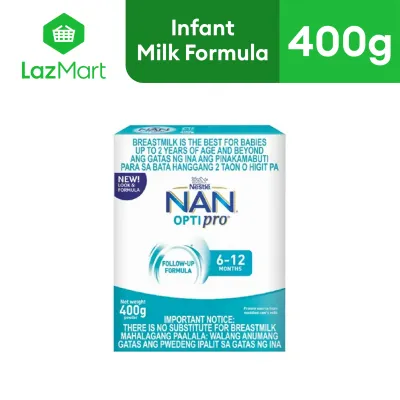
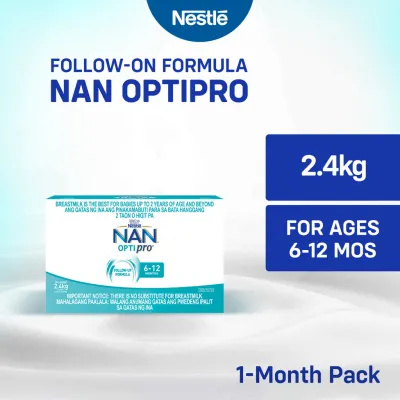
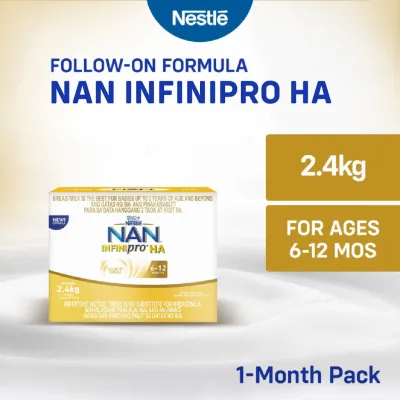
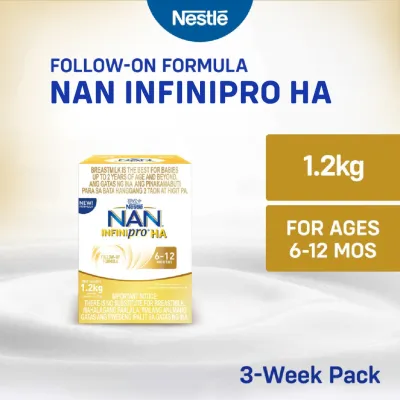
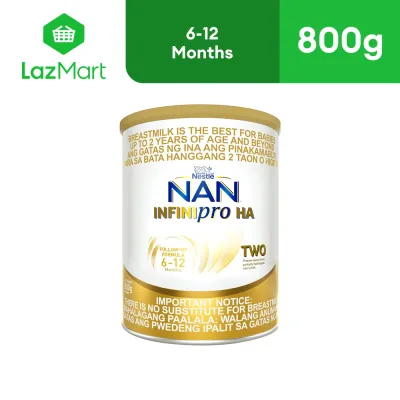
Prices are valid at publication and may change. Please refer to the product page for the latest price.
Key Nutritional Shifts for 6-12 Month Olds
The period between 6 and 12 months is a time of rapid physical and cognitive milestones. Your baby is likely learning to sit up, crawl, and perhaps even pull themselves up to stand. To support this intense physical activity, their bodies require a different balance of nutrients compared to the first six months of life.

One of the most critical shifts during this stage is the dramatic increase in iron requirements. Babies are born with natural iron stores accumulated from their mothers, but these stores begin to deplete significantly around the six-month mark. Because iron is essential for brain development and healthy red blood cells, follow-on formulas are typically fortified with higher levels of iron than Stage 1 formulas to bridge this gap.
In addition to iron, the demand for calcium and vitamin D rises to support rapid skeletal growth and teething. While solid foods are gradually introduced during this complementary feeding phase, they do not immediately replace milk. Instead, follow-on formula serves as a vital nutritional safety net, ensuring your baby receives consistent micronutrients even on days when they reject their solid meals.
Comparing the Labels: What to Check in NAN, Nido, and Enfagrow
When standing in the baby care aisle or browsing official brand stores online, reading the nutrition facts panel is your most reliable tool. Formulations can change, and regional variations exist, so physical label verification is essential.
Iron and Micronutrients Turn the can to the nutrition information table and locate the iron content, usually listed per 100 grams of powder or per 100 milliliters of prepared formula. Compare the values across the brands you are considering. Ensure the level aligns with the recommended daily intake for older infants, and check for supporting micronutrients like zinc and vitamin C, which help facilitate optimal iron absorption in your baby’s body.
Carbohydrate Sources Examine the ingredients list for the primary sources of carbohydrates. Lactose is the naturally occurring sugar found in breastmilk and is generally the preferred carbohydrate source for healthy infants. Some formulas may substitute or supplement lactose with sucrose, corn syrup solids, or maltodextrin to manage sweetness or production costs. Minimizing added sugars like sucrose is highly beneficial for your baby’s developing teeth and helps prevent an early preference for overly sweet flavors.
Added Beneficial Ingredients Look closely at the specialized ingredients listed on the label. For cognitive support, check the exact milligram amounts of DHA and ARA. For digestive and immune support, look for prebiotics such as galacto-oligosaccharides (GOS) and fructo-oligosaccharides (FOS), as well as specific probiotic strains like Lactobacillus reuteri or Bifidobacterium lactis. Additionally, check for nucleotides, which are compounds that support cellular growth and immune function.
Protein Composition The ratio of whey to casein protein changes as formula stages progress. Stage 1 formulas are typically whey-dominant to mimic the easy digestibility of breastmilk. Stage 2 formulas often increase the proportion of casein, a slower-digesting protein, to help keep your increasingly active baby satisfied for longer periods. If your baby has a sensitive stomach, look for labels that specify partially hydrolyzed whey proteins, which are pre-broken down for easier digestion.
How to Choose: Matching the Formula to Your Baby's Needs
Every baby’s digestive system reacts differently to different milk proteins and prebiotic blends. Matching the formula to your baby’s specific physical responses and your family’s priorities is the most practical way to make a decision.
Choose NAN if Your baby experiences mild digestive discomforts such as gas, bloating, or occasional hard stools. NAN variants, particularly those featuring optimized proteins and active probiotic cultures, are designed to support a balanced gut microbiome. If you prioritize easy digestion and want to minimize fussiness related to wind or mild constipation, verify the presence of these digestive aids on the specific NAN Stage 2 label.
Choose Nido if You are looking for a brand focused on physical growth and your baby has already demonstrated a robust digestive system that tolerates standard cow’s milk proteins without issue. However, you must carefully verify the age recommendation on the packaging. If the only available Nido products in your local store are labeled for children aged 1 year and above, do not purchase them for your 6-12 month old. If a verified Stage 2 follow-on variant is available, it can be a practical option for supporting bone development and weight gain.
Choose Enfagrow if Your primary focus is supporting your baby’s rapid cognitive and visual development during this crucial milestone window. If you want a formula with a highly emphasized profile of brain-supporting nutrients, check the Enfagrow or Enfamil Stage 2 labels for their specific DHA and ARA concentrations. This brand is often chosen by parents who want to ensure their baby receives a consistent, structured intake of these essential fatty acids alongside their daily solid foods.
Neither may fit if Your baby exhibits signs of a cow’s milk protein allergy or severe lactose intolerance. Symptoms such as persistent vomiting, blood or mucus in the stool, severe eczema, or chronic diarrhea require immediate medical attention. In these cases, standard formulas from NAN, Nido, or Enfagrow will not work, and your pediatrician will need to prescribe a specialized hypoallergenic or amino acid-based formula.
Transitioning Safely and Monitoring Tolerance
Switching your baby to a new formula brand or moving from Stage 1 to Stage 2 requires a gradual, systematic approach to prevent digestive upset. A sudden change can shock your baby’s sensitive stomach, leading to temporary constipation, gas, or refusal to feed.
To transition safely, introduce the new formula gradually over a period of five to seven days. Start by replacing just one feeding on the first day with the new formula, keeping the remaining feedings as the old formula. Over the next few days, slowly increase the number of new formula bottles while phasing out the old ones. Because different brands use different scoop sizes and water ratios, always prepare the bottles separately according to each manufacturer’s exact instructions rather than mixing dry powders in a single bottle.
In the warm and humid tropical climate of the Philippines, proper storage is critical to prevent spoilage and contamination. Keep the formula cans in a cool, dry pantry away from direct sunlight, and never store open cans in the refrigerator, as the moisture can cause the powder to clump and harbor bacteria. Ensure the scoop is completely dry before placing it back in the can, and discard any prepared formula that has sat at room temperature for more than one hour.
Monitor your baby closely during and after the transition. Positive signs of tolerance include regular, soft bowel movements, a healthy appetite, steady weight gain, and normal sleep patterns. If you observe red flags such as persistent vomiting, watery diarrhea, skin rashes, or extreme fussiness immediately after feeding, stop using the new formula and consult your pediatrician right away.
Frequently Asked Questions (FAQ)
Can I mix NAN, Nido, and Enfagrow in the same bottle?
No, you should not mix different formula brands or stages together in the same bottle. Each brand has a unique nutritional profile, specific scoop size, and precise water-to-powder ratio designed to achieve the correct concentration of nutrients. Mixing them can alter the osmolality of the feed, potentially leading to severe dehydration, kidney strain, or nutrient deficiencies. Always prepare and feed each brand separately.
Do I still need to give vitamins if my baby drinks these formulas?
Standard follow-on formulas are highly fortified with essential vitamins and minerals, including iron, calcium, and vitamin D. However, whether your baby needs additional vitamin drops depends on their overall health, solid food intake, and your pediatrician’s assessment. Do not introduce vitamin supplements without consulting your doctor, as excessive intake of certain fat-soluble vitamins can be harmful.
How long can I keep using 6-12 month formula after my baby turns one?
Once your baby reaches 12 months of age, their nutritional requirements shift again as solid foods become their primary source of energy and nutrients. Pediatricians generally recommend transitioning to whole cow’s milk or Stage 3 toddler milks at this milestone. While finishing an open can of Stage 2 formula shortly after their first birthday is typically fine, you should consult your doctor to plan the transition to age-appropriate milk options.
Community discussion
Share your experience or ask a question. Comments are reviewed before publication.