
Choosing the right infant formula for your newborn is one of the most significant decisions you will make in their first few months of life. When comparing leading options like NAN and Enfamil for the 0 to 6 months stage, both brands provide highly regulated, nutritionally complete options designed to support your baby’s growth. There is no single “best” formula that works universally; rather, the ideal choice depends entirely on your newborn’s unique digestive system, overall tolerance, and the guidance of your pediatrician.
Many parents searching for options like infamil 0 to 6 months milk or its competitors are looking for a reliable nutritional foundation. Both NAN and Enfamil design their starter formulas to mimic the nutritional profile of breast milk as closely as possible, adhering to strict international food standards. Because every baby’s gut microbiome and digestive capacity develop at different rates, one infant may thrive on one brand while another might experience mild gas, making individual observation key.
Understanding the Core Differences in 0-6 Month Formulas
All infant formulas manufactured for newborns aged 0 to 6 months must comply with rigorous regulatory standards. These regulations dictate the precise levels of essential macronutrients—proteins, fats, and carbohydrates—as well as vital vitamins and minerals. Consequently, whether you select NAN or Enfamil, you can be confident that the baseline nutritional requirements for your baby’s survival and growth are fully met.
Products mentioned in this guide

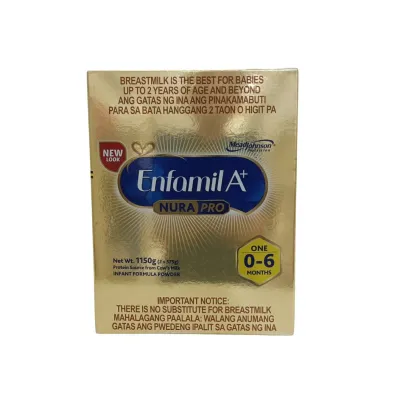
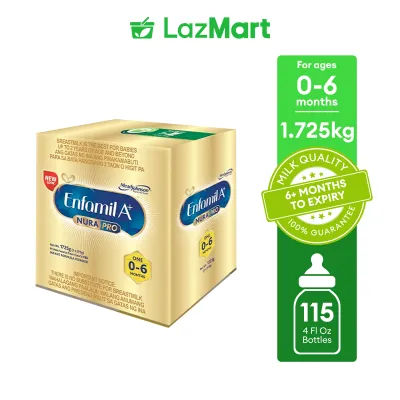
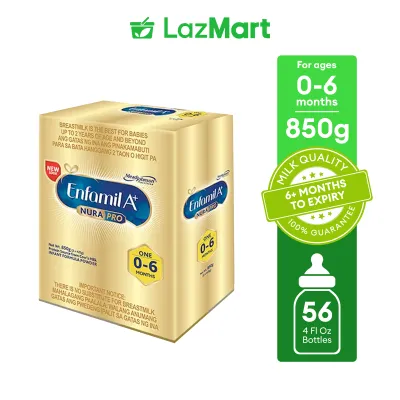

Prices are valid at publication and may change. Please refer to the product page for the latest price.
The primary differences between these premium brands lie in their proprietary ingredient blends and processing methods. Manufacturers differentiate their products by modifying protein structures, altering carbohydrate sources, and adding specific bioactive components. These additions often include unique prebiotic fibers, probiotic strains, specific lipid structures, and varying ratios of polyunsaturated fatty acids like DHA and ARA.
Ultimately, how these subtle differences affect your newborn depends on their individual digestive tolerance. A baby’s digestive tract is highly sensitive during the first six months, and minor variations in protein processing or prebiotic blends can influence how easily they digest their meals. Consulting your pediatrician before making a final decision ensures that you choose a formulation tailored to your baby’s specific health profile.
Key Label Claims to Compare on NAN and Enfamil
Navigating the front of a formula tin can be overwhelming, as packaging is often filled with marketing terms highlighting various developmental benefits. To make an informed comparison, parents must look beyond these eye-catching claims and carefully examine the ingredient list and the guaranteed analysis panel on the back of the tin. This analytical approach allows you to verify what nutritional components are actually present and in what quantities.

When evaluating claims such as “easy to digest,” “brain support,” or “immune system protection,” it is important to identify the specific ingredients responsible for these promised benefits. For instance, brain support claims are typically tied to the presence of DHA and ARA, while immune support claims are linked to specific prebiotics, probiotics, or vitamins. By comparing the actual ingredient listings, you can determine which brand aligns more closely with your nutritional preferences.
Standard Infant Formulas
Standard infant formulas are designed for healthy, full-term newborns without specific digestive issues. When comparing the standard lines of NAN and Enfamil, the first point of comparison should be the protein source and the whey-to-casein ratio. Breast milk is naturally whey-dominant, particularly in early lactation, which makes it easier for newborns to digest; therefore, look at the label to see how closely each brand’s standard formula matches this optimal ratio.
Carbohydrate sources also warrant close inspection on the ingredient panel. While lactose is the primary carbohydrate in standard breast milk, some formulations incorporate other carbohydrates like maltodextrin or corn syrup solids to assist with digestion. Additionally, you should compare the declared amounts of DHA and ARA, as well as the presence of specific prebiotics (such as galacto-oligosaccharides) or probiotics (such as Lactobacillus reuteri) added to support gut health. Standard formulas are generally the recommended starting point unless your pediatrician advises a specialized alternative.
Comfort and Sensitive Formulas
For newborns who experience persistent fussiness, excessive gas, or mild digestive discomfort, both brands offer specialized “comfort” or “sensitive” formulations. These products are specifically engineered to ease digestion by altering the state of the proteins and carbohydrates. When you see a “comfort” label, it typically indicates that the cow’s milk proteins have been partially hydrolyzed, meaning they are broken down into smaller, more manageable pieces that the baby’s developing stomach can process with less effort.
Sensitive formulas may also feature reduced lactose levels, replacing a portion of the lactose with easier-to-digest carbohydrates to assist infants who have temporary lactase deficiency or mild gas. However, parents should avoid switching to these specialized formulas prematurely. Mild gas and occasional fussiness are normal parts of newborn development as their digestive systems mature, and unnecessary switches can cause further digestive confusion. Always consult a healthcare professional to review symptoms before transitioning from a standard formula to a sensitive or comfort line.
How to Match the Formula to Your Newborn's Needs
Choosing between these two prominent brands requires a structured decision-making process based on your baby’s physical responses and your specific nutritional goals. You might choose NAN if your newborn seems to benefit from its specific optimized protein blends and you prefer a formula that integrates active probiotic cultures to support gut flora. Conversely, Enfamil may be the preferred choice if your baby responds exceptionally well to its specific lipid blends, such as milk fat globule membrane (MFGM) components, and you prioritize its specific ratios of brain-supporting fatty acids.
Neither standard nor comfort formulas from these brands will be suitable if your newborn suffers from a true cow’s milk protein allergy (CMPA). This condition involves an immune system response to the proteins in cow’s milk and requires highly specialized, extensively hydrolyzed or amino acid-based hypoallergenic formulas prescribed by a medical professional. Attempting to manage a suspected allergy by simply switching between standard commercial brands can prolong your baby’s discomfort.
Before purchasing any formula, verify your newborn’s specific risk factors with your pediatrician, especially if there is a strong family history of allergies or if your baby was born prematurely. Once you have selected a starting formula, the ultimate test of suitability lies in careful, daily observation. Monitor your baby’s stool patterns, the frequency and volume of their spit-ups, and general fussiness levels over a period of two to three weeks to determine if the chosen formula is a good match.
Practical Considerations: Availability, Preparation, and Cost
Beyond nutritional profiles, practical and logistical factors play a massive role in maintaining a stress-free feeding routine. One of the most critical aspects of formula preparation is understanding the specific scoop-to-water ratio, which can vary significantly between NAN and Enfamil. Always read the preparation instructions on the specific tin you purchase, as using the wrong scoop size or miscalculating the water volume can lead to dangerous under-dilution (causing kidney strain) or over-dilution (leading to malnutrition).
In the tropical climate of the Philippines, high humidity can cause opened formula powder to clump or spoil more rapidly if not stored correctly. Ensure that the tin is kept in a cool, dry place, tightly sealed, and never stored in the refrigerator, which can introduce moisture. Additionally, consistent stock availability is a major factor; check your local supermarkets, major pharmacies, and official brand online stores to ensure you can easily source your chosen formula without facing sudden shortages.
To manage your household budget effectively, avoid comparing only the retail price of the tins. Instead, calculate the cost per serving in ₱ by dividing the total price of the tin by the number of scoops it yields, based on the manufacturer’s feeding guide. This calculation gives you a realistic view of the ongoing financial commitment, helping you choose an option that is sustainable for your family over the entire six-month period.
When to Stop and Consult a Pediatrician
While mild digestive adjustments are common when a newborn starts a new formula, parents must remain vigilant for clear warning signs that indicate a more serious issue. You should stop using the current formula and seek immediate medical advice if your baby exhibits persistent, projectile vomiting, visible blood or mucus in their stool, severe skin rashes, wheezing, or difficulty breathing. A failure to gain weight or a sudden drop in growth trajectory are also critical indicators that require professional intervention.
It is helpful to differentiate between normal newborn behaviors and true formula intolerance. For example, mild grunting during bowel movements, occasional spit-up that does not cause distress, and transitional stool color changes are typically normal signs of a maturing digestive tract. True intolerance or allergic reactions are usually accompanied by systemic symptoms, extreme fussiness during or immediately after feedings, and poor physical development.
Under no circumstances should parents attempt to stretch their formula supply by adding extra water or altering the recommended mixing ratios. Diluting formula dilutes essential nutrients and electrolytes, which can lead to severe nutritional deficiencies. If you experience difficulty securing or affording formula, consult a healthcare professional for safe, approved support options.
Frequently Asked Questions (FAQ)
Can I mix NAN and Enfamil in the same bottle?
Mixing two different formula brands in the same bottle is generally discouraged by pediatricians and clinical experts. Each brand has its own unique scoop size, powder density, and specific water-to-powder ratio designed to create a safe, balanced concentration of nutrients. Combining them in one bottle increases the risk of preparation errors, which can lead to digestive distress, dehydration, or improper nutrient intake. If you need to transition your baby from one brand to another, it is best to do so gradually by replacing entire feeds one bottle at a time over several days, under the guidance of your pediatrician.
How do I know if the formula is causing an allergy?
A true formula allergy, most commonly a cow’s milk protein allergy, presents with distinct symptoms that go beyond typical gas or mild fussiness. Watch for signs such as persistent vomiting, severe diarrhea, blood or mucus in the stool, widespread hives, swelling around the face, or chronic eczema. Respiratory symptoms like wheezing or chronic nasal congestion can also indicate an allergic response. If you suspect your newborn is allergic to their formula, do not attempt to self-diagnose or switch to another standard brand; instead, consult your pediatrician immediately for a proper evaluation and a prescription for a specialized hypoallergenic formula.
Community discussion
Share your experience or ask a question. Comments are reviewed before publication.