
At six months of age, your baby enters a rapid phase of growth and development. This is the transitional period when solid foods—often introduced as complementary feeding—are integrated alongside breast milk or infant formula. If you are formula-feeding, this milestone typically marks the transition from Stage 1 infant formula to Stage 2 follow-on formula. Navigating the baby food aisle in the Philippines can feel overwhelming with prominent options like NAN PRO, Nido, and Enfagrow lining the shelves. Choosing the right option requires understanding how each brand addresses your baby’s changing digestive system and nutritional requirements.
When comparing these options, particularly when looking for a product like nanpro 6 to 12 months, it is essential to recognize that there is no single “best” formula for every infant. The ideal choice depends entirely on your baby’s individual digestive tolerance, specific nutritional gaps, and, most importantly, the guidance of your pediatrician. Each brand is formulated with a distinct nutritional focus: NAN PRO generally prioritizes digestive comfort and gut health; Nido focuses on wholesome physical growth and general immunity; and Enfagrow emphasizes cognitive and visual development.
Before making any changes to your baby’s diet, always verify that you are looking at the specific follow-on formula variants designed for the 6 to 12-month age bracket, often designated as Stage 2. Feeding requirements change dramatically during this half-year window, and using a formula designed for younger infants or older toddlers can lead to nutritional imbalances. Always consult a healthcare professional before switching formulas to ensure the transition is safe and tailored to your child’s unique health profile.
Products mentioned in this guide


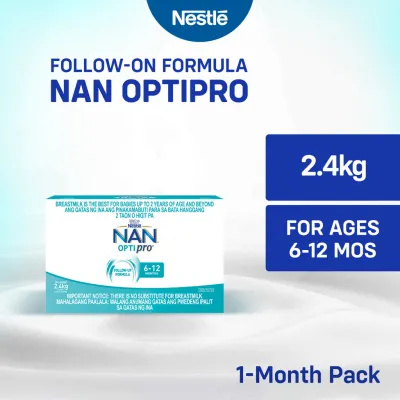
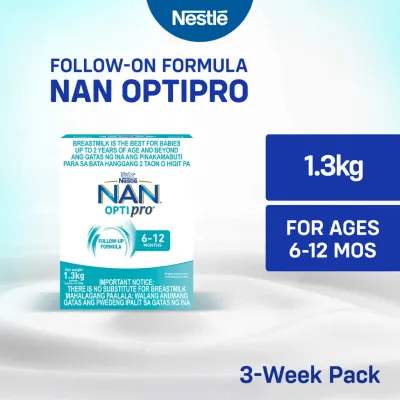
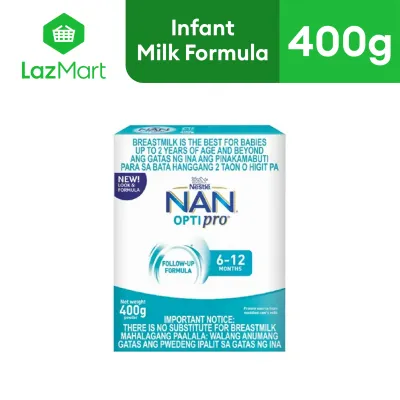
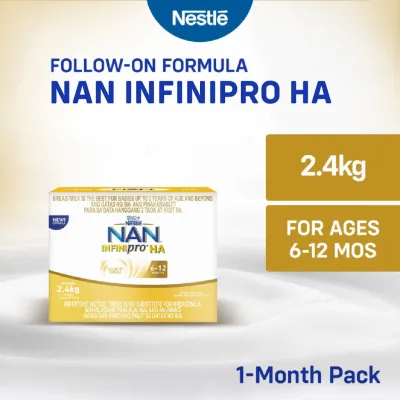
Prices are valid at publication and may change. Please refer to the product page for the latest price.
Nutritional Priorities for 6 to 12 Months
Between 6 and 12 months, your baby’s nutritional landscape shifts. While solid foods introduce new textures and flavors, follow-on formula or breast milk continues to provide the vast majority of daily calories, essential fats, and micronutrients. During this stage, your baby’s physical activity increases as they learn to sit, crawl, and pull themselves up. This rapid motor development requires a steady supply of energy and specific building blocks to support bone density, muscle growth, and cognitive processing.
One of the most critical nutritional shifts at six months is the depletion of your baby’s natural iron stores. Babies are born with iron reserves accumulated during gestation, but these stores naturally begin to run low around the half-year mark. Because iron is vital for healthy brain development and red blood cell production, transitioning to an iron-fortified follow-on formula is highly important if you are not exclusively breastfeeding. Additionally, adequate levels of calcium and vitamin D are required to support the rapid skeletal growth occurring during this active phase.
Essential fatty acids, specifically docosahexaenoic acid (DHA) and arachidonic acid (ARA), also play a critical role in supporting the rapid myelination of the brain and the development of the retina. As your baby starts to interact more dynamically with their environment, their cognitive and visual systems require robust nutritional support. However, introducing these nutrients must be done carefully, balancing formula intake with a variety of nutrient-dense solid foods to ensure a well-rounded diet.
While these nutritional guidelines are universal, every baby’s digestive system matures at a different rate. Introducing solid foods can sometimes cause mild digestive changes, making the choice of formula even more influential on your baby’s daily comfort. You must establish a strict safety boundary: always consult your pediatrician before switching formulas, introducing new nutritional supplements, or if your baby shows any signs of feeding intolerance. A healthcare professional can help you interpret nutritional labels and choose a formulation that aligns with your baby’s growth curve.
Brand Profiles: What to Expect from nanpro 6 to 12 months, Nido, and Enfagrow
To make an informed decision, it is helpful to understand the general market positioning and formulation priorities of each brand’s 6-12 month lineup. While all commercial formulas sold in the Philippines must meet strict national and international nutritional standards, manufacturers use different ingredient blends, protein structures, and supplementary nutrients to differentiate their products.

NAN PRO
NAN PRO, manufactured by Nestlé, is widely recognized for its emphasis on digestive comfort, gut health, and protein quality. For the 6 to 12-month age group, the brand typically focuses on providing an optimized protein blend designed to be gentle on an infant’s developing digestive tract. Many variants in the NAN PRO line incorporate specific probiotic strains, such as Lactobacillus reuteri, which are intended to support a healthy gut microbiome and reduce symptoms of mild digestive discomfort like colic or gas.
When evaluating nanpro 6 to 12 months, parents should carefully inspect the physical packaging of the Stage 2 variant. Formulations can vary significantly depending on the specific sub-line (such as NAN Optipro or specialized comfort versions) and are subject to frequent updates by the manufacturer. It is important to check the label for the exact probiotic strains, prebiotic fibers, and the whey-to-casein ratio. This ratio determines how easily the protein curd breaks down in your baby’s stomach, directly influencing gastric emptying and overall digestive comfort.
Nido
Nido is a household name in the Philippines, traditionally associated with wholesome, balanced nutrition designed to support physical growth, bone strength, and general immunity. The brand’s philosophy centers on providing a solid foundation of essential vitamins and minerals that complement a growing child’s daily diet. Nido formulations often highlight key immune-supporting nutrients, including zinc, vitamin A, vitamin C, and selenium, alongside calcium and vitamin D for skeletal development.
However, parents must exercise extreme caution and perform a critical verification step when considering Nido. The Nido brand is highly diverse and primarily known for its toddler and school-age milk powders, such as Nido 1+ or Nido 3+, which are formulated for children over one year old. These toddler milks have different nutrient densities, higher protein concentrations, and sugar levels that are inappropriate and potentially harmful for an infant under 12 months. You must verify that you are purchasing a specific, registered follow-on formula variant approved for the 6-12 month age bracket, and never feed standard Nido toddler milk to an infant.
Enfagrow
Enfagrow, produced by Mead Johnson (Reckitt), is heavily positioned around cognitive and visual development. The brand’s marketing and scientific research frequently highlight the inclusion of brain-building nutrients, particularly high levels of DHA and ARA. In some premium variants, Enfagrow also features Milk Fat Globule Membrane (MFGM), a complex component layer surrounding fat droplets in milk that research suggests supports cognitive development and immune health.
When considering Enfagrow for older infants, parents should carefully read the ingredient list and nutrition facts panel to verify the exact levels of DHA, ARA, choline, and lutein. It is also important to note that while these advanced cognitive ingredients are highly researched, they are most effective when integrated into a balanced diet and a stimulating environment. Premium cognitive formulations often come at a higher price point, so parents should weigh these specialized benefits against their overall budget and their pediatrician’s recommendations.
Key Label Dimensions to Compare Before Buying
Shifting your focus from marketing claims on the front of the tin to the factual data on the nutrition label is the most reliable way to compare formulas. Understanding how to read these labels empowers you to make decisions based on objective nutritional metrics rather than brand popularity.
Digestive Comfort and Tolerance
When examining the nutrition label for digestive indicators, the protein source and structure are the most critical factors. Look at the ingredient list to see if the formula uses intact cow’s milk protein or partially hydrolyzed proteins. Partially hydrolyzed proteins have been broken down into smaller fragments, making them easier for a developing digestive system to process and reducing the likelihood of mild gas or fussiness.
Additionally, check the label for prebiotic fibers (such as GOS and FOS) and specific probiotic cultures, which support gut health by encouraging the growth of beneficial bacteria. If your baby has shown signs of mild sensitivity, you may also want to compare the lactose levels, as some comfort formulas reduce lactose to minimize gas. However, it is vital to understand that standard commercial formulas—including standard variants of NAN PRO, Nido, and Enfagrow—are not designed for infants with diagnosed medical conditions. Severe milk protein allergies, chronic reflux, or metabolic disorders require specialized hypoallergenic or therapeutic formulas prescribed by a pediatrician.
Cognitive and Visual Development Support
To compare the brain-building potential of these formulas, locate the fatty acid profile on the nutrition facts panel. Specifically, look for the exact milligrams of DHA (docosahexaenoic acid) and ARA (arachidonic acid) per 100 kilocalories (kcal) or per 100 grams (g) of powder. Comparing these standardized values, rather than the marketing percentages, gives you an accurate picture of which formula provides a higher concentration of these essential fatty acids.
You should also look for supporting nutrients like choline, taurine, and iron, which work synergistically with DHA to support neural pathway development. Keep in mind that “more” is not automatically better; the human body requires a delicate balance of nutrients. High concentrations of certain fatty acids can sometimes affect the taste of the formula or how well it is tolerated by your baby’s stomach. The true metric of quality is how well the nutrient balance aligns with your pediatrician’s assessment of your baby’s developmental needs.
Iron, Calcium, and Immune Nutrients
As your baby transitions through the 6 to 12-month window, their skeletal system and blood volume expand rapidly. When reading the label, compare the daily value percentages or absolute amounts of iron, calcium, zinc, and vitamin D. Ensure the formula provides an adequate level of iron to offset the natural depletion of your baby’s prenatal stores, especially if their intake of iron-rich solid foods like pureed meats or fortified cereals is still limited.
Calcium and vitamin D must be present in balanced ratios to ensure optimal bone mineralization. Zinc and vitamins A, C, and E are also crucial for supporting the immune system as your baby begins exploring their environment and putting objects in their mouth. While it may be tempting to seek out the highest possible levels of every vitamin, you must avoid the risk of nutrient toxicity. Never mix different formula powders together or add over-the-counter vitamin drops to a prepared bottle without explicit instructions from your pediatrician, as excessive intake of certain fat-soluble vitamins and minerals can be highly dangerous for an infant.
Decision Framework: Which Brand Should You Try First?
To help you navigate this choice, it is helpful to use a structured, conditional framework based on your baby’s observable physical responses and your specific nutritional priorities. Because every baby’s digestive tract and nutritional needs are unique, the right choice is always the one that your baby tolerates best and that supports steady, healthy growth.
Consider the following guidelines when deciding which formula to try first:
- Choose NAN PRO if: Your baby experiences mild digestive fussiness, occasional gas, or minor constipation, and you want to prioritize gut comfort and easy protein digestion. Ensure you verify the specific Stage 2 label to confirm the inclusion of active probiotics and an optimized protein ratio suitable for the 6-12 month stage.
- Choose Nido if: You are seeking a traditional, balanced growth formula focused on physical development and immune support, your baby has shown no signs of digestive sensitivities, and you have verified with your pediatrician that you have selected a registered follow-on variant specifically formulated for infants aged 6-12 months.
- Choose Enfagrow if: Your primary goal is to provide a nutrient profile heavily focused on cognitive and visual development with high levels of DHA, ARA, and supporting brain nutrients, and your baby has a robust digestive system that easily tolerates standard, intact cow's milk proteins.
- Verify first if: Your baby has a known or suspected cow's milk protein allergy, lactose intolerance, or chronic, forceful reflux. Standard commercial versions of NAN PRO, Nido, and Enfagrow are not suitable for these conditions. In such cases, you must bypass standard formulas entirely and consult your pediatrician for a prescription-grade, specialized hypoallergenic or therapeutic formula.
When introducing any new formula, always monitor your baby closely for at least two weeks. This period allows their digestive system to adapt to the new protein structures and nutrient levels. Keep a daily log of their stool consistency, spitting-up frequency, sleep patterns, and general mood. If you observe any persistent negative changes, stop using the formula immediately and contact your pediatrician for guidance.
Frequently Asked Questions (FAQ)
Can I mix NAN PRO, Nido, and Enfagrow in the same bottle?
No, you should never mix different formula brands, stages, or types in the same bottle. Each formula is scientifically designed with a precise balance of nutrients, specific water-to-powder preparation ratios, and unique scoop sizes. Mixing them alters the concentration of the feed, which can lead to severe digestive distress, improper hydration, or nutrient imbalances. In a tropical climate like the Philippines, where maintaining proper hydration is critical due to high temperatures and humidity, feeding an improperly concentrated formula can quickly lead to dehydration or put excessive strain on your baby’s developing kidneys. Always prepare each formula strictly according to the manufacturer’s instructions on the packaging.
How do I know if my 6-12 month old needs to switch formulas?
Your baby will show clear, observable physical signs if their current formula is not agreeing with their digestive system or meeting their nutritional needs. Red flags that indicate a potential formula intolerance or inadequacy include persistent watery diarrhea, severe constipation with hard stools, excessive and forceful spit-up, unexplained skin rashes or hives, visible blood or mucus in the stool, or a flatlining growth curve. If you observe any of these symptoms, do not attempt to solve the problem by blindly switching to another commercial brand on your own. Stop using the formula and consult your pediatrician immediately to receive a proper diagnosis and professional guidance on the safest next steps.

Community discussion
Share your experience or ask a question. Comments are reviewed before publication.