
Finding the right formula milk for your growing child can feel like standing before an overwhelming wall of options in the supermarket aisle. Each brand promises unique benefits, from superior cognitive development to optimal digestive comfort. However, there is no single “best” formula milk brand that fits every child universally. The ideal choice depends on your child’s specific age, digestive tolerance, individual nutritional needs, and your family’s budget.
To help you navigate this decision, we can look at the primary marketed strengths of three of the most popular brands in the Philippines: NAN OPTIPRO, Enfagrow, and Nido. NAN OPTIPRO is widely recognized for its focus on gentle digestion and probiotic support, making it a common choice for infants and toddlers with sensitive tummies. Enfagrow centers its formulation on brain development, loading its products with DHA and other key cognitive nutrients to support active learning milestones. Nido, on the other hand, is a household staple designed for older toddlers and school-age children, offering wholesome daily nutrition, physical growth support, and excellent value for money.
Before making any changes to your child’s diet, it is vital to consult your pediatrician. This is especially critical for infants under 12 months, as their digestive systems are highly sensitive and require precise nutritional balances that only a medical professional should evaluate.
Products mentioned in this guide
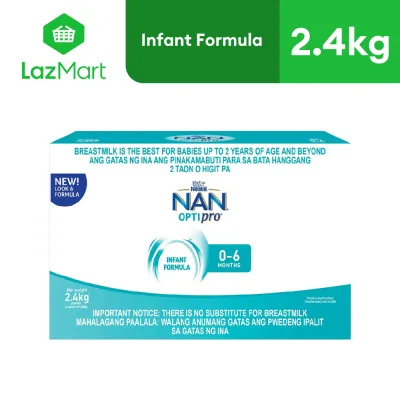
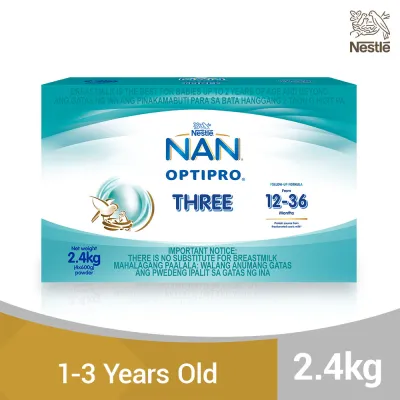
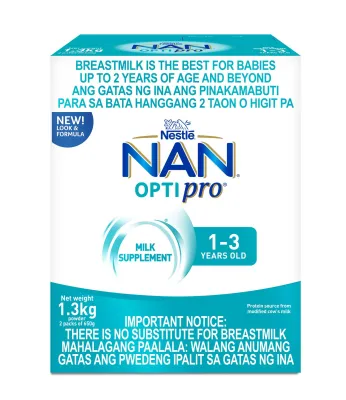
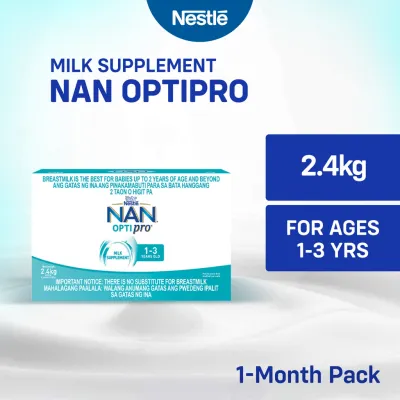
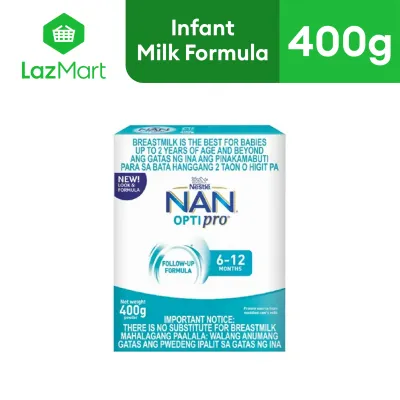
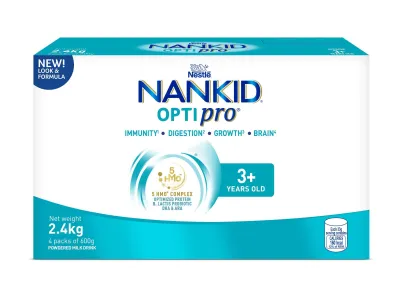
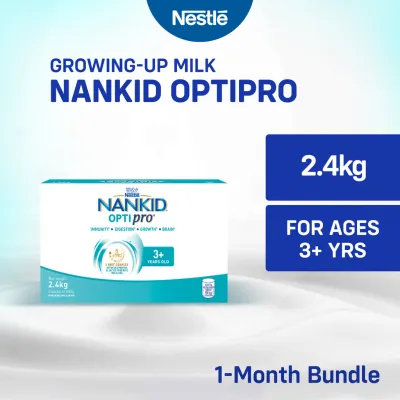
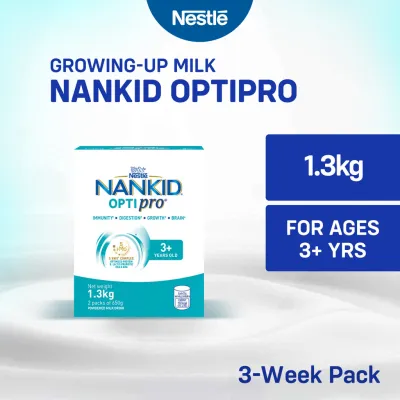
Prices are valid at publication and may change. Please refer to the product page for the latest price.
Understanding the Brands: Core Focus and Target Demographics
To make an informed decision, it helps to understand the core philosophy and target demographics of each brand. These manufacturers design their products with distinct developmental priorities in mind, which shapes their ingredient profiles and pricing.
Nestlé’s NAN OPTIPRO is positioned as a premium, science-backed formula line. Its primary focus spans from early infancy through the toddler years, with a strong emphasis on optimized protein structures. The brand prioritizes gut health and easy digestion, recognizing that a healthy digestive system is the foundation for overall growth and immunity in a child’s earliest stages of life.
Enfagrow, produced by Reckitt, is a premium brand specifically positioned for toddlers and preschoolers. Its core philosophy revolves around cognitive milestones, social-emotional development, and brain growth. The brand heavily highlights its inclusion of brain-building nutrients, targeting parents who want to support their child’s learning abilities, memory, and focus during critical developmental years.
Nido, also a Nestlé brand, enjoys massive popularity in the Philippines as an accessible, family-friendly option. While it offers formulations for toddlers, its broader appeal extends well into the school-age years. Nido focuses on physical growth, bone density, and daily immune defense, making it a practical, long-term choice for active, older children who need consistent, wholesome nutrition alongside their solid food diet.
Keep in mind that these brand positions reflect general marketing and formulation trends. Individual product lines within each brand can vary significantly, so parents should always evaluate the specific product variant rather than relying solely on overall brand reputation.
Age Suitability: Matching Formula Stages to Development
Matching the correct formula stage to your child’s exact age and weight is one of the most critical responsibilities of a caregiver. Formula manufacturers carefully calibrate the nutrient densities, protein sizes, and vitamin ratios of each stage to match a child’s changing developmental capabilities. Giving a child a stage that does not match their age can lead to digestive discomfort or nutritional imbalances.

NAN OPTIPRO and Enfagrow primarily focus on the early years, covering the crucial period from birth up to three or six years of age. NAN OPTIPRO offers highly specific stage transitions, starting with infant formulas (Stage 1 for 0 to 6 months), follow-on formulas (Stage 2 for 6 to 12 months), and growing-up milks (Stage 3 for toddlers aged 1 to 3 years). Enfagrow similarly structures its product line to support early childhood, with options like Enfagrow A+ Four specifically designed for children aged 3 years and above, focusing on the rapid brain development that occurs during preschool years.
In contrast, Nido provides options that extend much further into childhood. While Nido 1+ caters to toddlers, the brand also offers Nido 3+, Nido 5+, and Nido Fortigrow, which is formulated for school-age children up to 12 years old. This makes Nido an incredibly versatile, long-term option for families with multiple growing children of different ages, allowing for a seamless transition as kids grow older.
Because manufacturers occasionally update their stage definitions, age brackets, and product names, you must always verify the exact age range printed on the physical product label. Never assume a product is suitable based on the brand name alone; physical verification is key to ensuring your child’s safety and nutritional adequacy.
Nutritional Profiles: Comparing Key Ingredients and Benefits
While all commercial formulas sold in the Philippines must meet strict national and international nutritional standards, each brand emphasizes different key ingredients to target specific developmental areas. Understanding these nutritional profiles allows you to align your purchase with your child’s unique needs.
Digestive Health and Immunity (NAN OPTIPRO Focus)
NAN OPTIPRO is formulated with Nestlé’s proprietary “OPTIPRO” technology, which optimizes the quality and quantity of proteins. This process is designed to make the protein blend easier for a young child’s immature digestive tract to break down, reducing the likelihood of common digestive discomforts like gas, bloating, and mild colic.
In addition to optimized proteins, NAN OPTIPRO frequently incorporates active probiotics, most notably Bifidobacterium lactis. This beneficial bacterium helps populate the child’s gut microbiome, supporting a healthy digestive environment and strengthening the natural immune defenses of the gut. Some variants also include Human Milk Oligosaccharides (HMOs) to further feed beneficial gut bacteria.
It is important to remember that these ingredients are designed to support general gut comfort and daily digestive health. They are not medical treatments for severe gastrointestinal conditions, chronic acid reflux, or diagnosed allergies, which require professional medical intervention.
Brain and Cognitive Development (Enfagrow Focus)
Enfagrow places a heavy emphasis on cognitive development, positioning itself as a leader in brain-building nutrition. The primary star of its ingredient list is Docosahexaenoic Acid (DHA), an omega-3 fatty acid that serves as a primary structural component of the human brain and retina. Enfagrow formulations often feature higher levels of DHA compared to standard family milks.
Many premium Enfagrow products also include Milk Fat Globule Membrane (MFGM), a complex structure of proteins and lipids that surrounds fat droplets in milk. Research suggests that MFGM, working in tandem with DHA, supports cognitive development, behavioral regulation, and even immune defense in young children. The formula is also fortified with essential vitamins and minerals like iron, zinc, iodine, and choline, which are critical for neural connection and cognitive milestones.
While these brain-building nutrients provide excellent dietary support during years of rapid brain growth, parents should remember that nutrition is only one piece of the puzzle. Cognitive development is also deeply influenced by environmental factors, including active parental engagement, interactive play, reading, and healthy sleep hygiene.
Overall Growth and Bone Health (Nido Focus)
Nido is designed with the physical demands of active, growing children in mind. As toddlers transition into energetic preschoolers and school-age kids, their skeletal systems require robust support. Nido addresses this by fortifying its milks with high levels of calcium, vitamin D, and phosphorus.
These three nutrients work synergistically: calcium builds the structural foundation of bones and teeth, vitamin D enhances calcium absorption in the body, and phosphorus helps maintain bone density. This combination is crucial for supporting the rapid physical growth spurts common in early and middle childhood.
Additionally, Nido is often fortified with a combination of iron, vitamin C, and zinc—often referred to as “Prebio” or immune-support blends. This helps protect active children as they interact with peers in school and outdoor environments. The focus is on providing robust, everyday physical energy and immune defense at an accessible price point.
Price, Value, and Safe Purchasing in the Philippines
Raising a child in the Philippines involves balancing nutritional needs with household expenses. When comparing NAN OPTIPRO, Enfagrow, and Nido, you will quickly notice a wide variation in price points. To make an economically sound decision, it is essential to look beyond the shelf price of a single tin or box.
Instead of comparing the total cost of different packages, calculate the true value by determining the cost per gram or cost per serving in Philippine Pesos (₱). Premium formulas like NAN OPTIPRO and Enfagrow generally carry a higher price per gram due to their specialized ingredients, advanced protein processing, and cognitive additives. Nido is significantly more budget-friendly, offering a lower cost per serving, which makes it highly sustainable for long-term daily consumption, especially for families with multiple children.
These brands are widely available across the Philippines. You can find them in major supermarkets like SM Supermarket, Robinsons, and Puregold, as well as leading pharmacy chains such as Mercury Drug and Watsons. They are also sold through official brand flagship stores on major e-commerce platforms.
Because the Philippines has a tropical climate with high humidity and temperatures, safe storage and purchasing practices are non-negotiable. Avoid buying formula milk from unauthorized online sellers or physical stores that lack proper climate control. Exposure to extreme heat and moisture can degrade the nutritional quality of the powder, compromise the safety seal, and lead to premature spoilage or bacterial contamination. Always purchase from reputable, authorized retailers, and store the formula in a cool, dry place inside an airtight container once opened.
Keep in mind that prices and promotions fluctuate frequently. It is wise to monitor official retail listings, calculate your expenses based on the actual price paid at checkout, and stock up during official sales from verified distributors to maximize your savings safely.
Decision Framework: Which Brand Fits Your Child's Needs?
Choosing the right formula milk does not have to be an overwhelming process. By evaluating your child’s current development, digestive comfort, and your family’s financial plan, you can use the following conditional framework to guide your decision:
- Choose NAN OPTIPRO if: Your baby or toddler has mild digestive sensitivities, experiences occasional gas or bloating, or if you want to prioritize probiotic support for gut comfort and early immune health. This choice is ideal for the first three years of life, subject to your pediatrician's approval and guidance.
- Choose Enfagrow if: Your toddler is actively transitioning to solid foods, and you wish to prioritize cognitive development, memory, and learning milestones. This is a premium option suited for parents who want to ensure their child receives high levels of DHA and MFGM during years of rapid brain growth.
- Choose Nido if: You have an older toddler, preschooler, or school-aged child who needs a reliable, nutritious, and great-tasting milk supplement to support physical growth, bone density, and daily energy. It is the most cost-effective and practical option for long-term daily use.
- Verify first if: Your child has a diagnosed medical condition, lactose intolerance, or a suspected cow's milk protein allergy (CMPA). Standard commercial formulas like NAN OPTIPRO, Enfagrow, and Nido are not suitable for children with these medical needs. If your child exhibits severe digestive distress, skin rashes, or respiratory symptoms, stop use immediately and consult a healthcare provider for a specialized, prescription-only formula.
Frequently Asked Questions (FAQ)
Can I mix NAN OPTIPRO, Nido, and Enfagrow together in one bottle?
No, you should never mix different formula brands, stages, or types together in a single bottle. Each product has a unique nutrient concentration, powder density, and scoop size designed for a specific volume of water. Mixing them can disrupt the precise water-to-powder ratio, leading to a mixture that is either too concentrated (which strains your child’s kidneys and digestive system) or too diluted (which can cause nutritional deficiencies and water intoxication). Always prepare each formula strictly according to its manufacturer’s instructions.
How do I know if my baby needs to switch formula brands?
Your child may show visible signs if their current formula is not agreeing with their digestive system. Look out for persistent, inconsolable fussiness or crying after feedings, significant changes in stool consistency (such as chronic constipation or watery diarrhea), frequent vomiting, unexplained skin rashes, or poor weight gain. If you observe any of these symptoms, do not switch brands on your own. Consult your pediatrician immediately to rule out underlying medical issues and receive a professional recommendation on the safest transition plan.
Is it safe to buy formula milk from online marketplaces?
It is safe only if you purchase directly from official brand flagship stores, authorized online distributors, or verified pharmacy chains on these platforms. Avoid buying from third-party, unauthorized individual sellers, even if they offer steep discounts. Unauthorized sellers may not store the formula in temperature-controlled environments, which is critical in the hot and humid Philippine climate. Furthermore, buying from unverified sources increases the risk of purchasing counterfeit or expired products, which poses a severe risk to your child’s health.
Community discussion
Share your experience or ask a question. Comments are reviewed before publication.