
Choosing the right milk for your growing toddler can feel overwhelming with so many options on the shelves. In the Philippines, NAN OPTIPRO 3, Nido, and Enfagrow are three of the most popular Stage 3 formulas available to parents. There is no single “best” formula for every child; instead, the ideal choice depends on your toddler’s specific nutritional gaps, taste preferences, and your family’s budget. While some parents prioritize advanced protein technologies, others look for specific brain-development nutrients or budget-friendly options that offer reliable daily nutrition. Before making any changes to your child’s diet, it is always best to consult your pediatrician to ensure the chosen formula aligns with their developmental needs.
Understanding Stage 3 Formula Needs for Toddlers
As children transition from infancy to toddlerhood, their nutritional requirements change dramatically. Stage 3 formulas are formulated specifically to complement a toddler’s diet during this rapid phase of growth, typically spanning ages one to three. It is crucial to remember that these formulas are supplementary drinks and should never replace a balanced diet of solid foods. At this stage, solid foods should be the primary source of nutrients, with milk serving as a supportive partner to fill in potential nutritional gaps.
When reading formula labels, parents should look for key nutrients that support toddler development. Iron is essential for healthy brain development and preventing anemia, while calcium and vitamin D support strong bones and teeth. Zinc and vitamin C help support the immune system, and docosahexaenoic acid (DHA) is an omega-3 fatty acid that plays a key role in cognitive and visual development. In a tropical climate like the Philippines, where warm and humid weather can sometimes affect a toddler’s appetite, ensuring they receive adequate hydration and concentrated nutrients through a balanced diet and appropriate milk is a common priority for caregivers. If your toddler has known food allergies, lactose intolerance, or other medical conditions, always consult a pediatrician before introducing any new formula.
Products mentioned in this guide
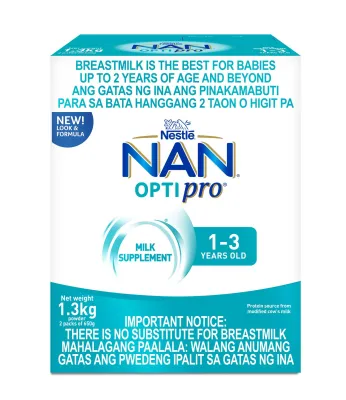
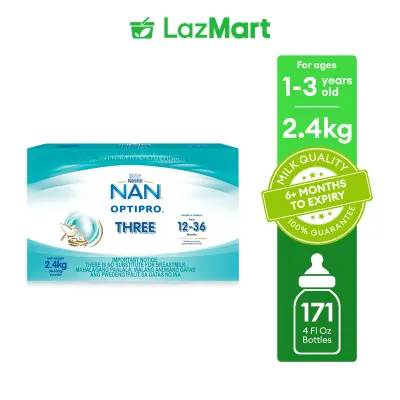
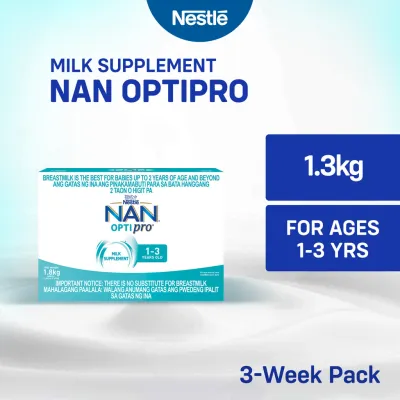
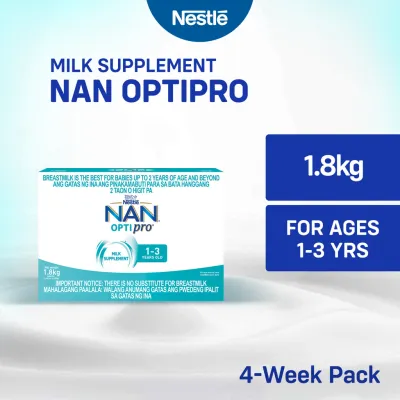
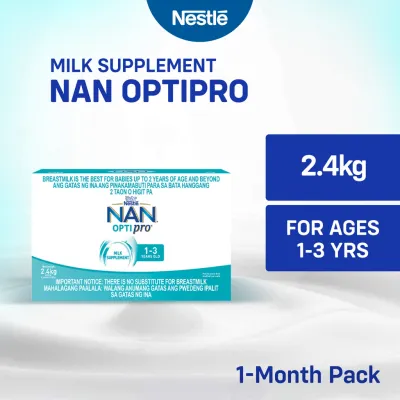
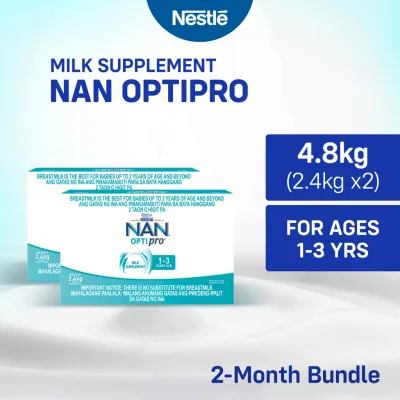
Prices are valid at publication and may change. Please refer to the product page for the latest price.
Comparing NAN OPTIPRO 3, Nido, and Enfagrow
Evaluating NAN OPTIPRO 3, Nido, and Enfagrow requires looking beyond the colorful front packaging and diving deep into the nutrition facts panel and ingredient list. To make an informed decision, parents should compare these formulas across three main dimensions: nutritional profiles, taste and mixability, and overall cost-effectiveness. Additionally, always check the manufacturing and expiration dates on the packaging, as manufacturers frequently update their recipes, ingredient sources, and packaging designs.

Nutritional Profiles and Key Ingredients
When comparing the nutritional profiles of these three brands, the physical ingredient label is your most reliable tool. Front-of-pack marketing claims often highlight specific benefits, but the back label reveals the exact quantities and sources of nutrients.
For NAN OPTIPRO 3, the label typically highlights an optimized protein blend designed to be gentle on a toddler’s developing digestive system. Parents should look at the protein source and check for the inclusion of specific probiotic strains, such as Bifidobacterium lactis, which are added to support gut health.
When examining Nido (such as Nido 3+), you will often find a focus on immune-support nutrients. The label usually lists a blend of vitamins A, C, and D, along with zinc and selenium. Some variants also include prebiotics to support digestion.
Enfagrow (such as Enfagrow A+ Four) is widely recognized for its emphasis on cognitive development. On its label, look for the specific levels of DHA and milk fat globule membrane (MFGM) components, alongside a prebiotic blend like polydextrose (PDX) and galactooligosaccharides (GOS).
Always check the ingredient list for potential allergens, including cow’s milk protein, soy lecithin, and lactose. Additionally, pay close attention to the carbohydrate section to identify any added sugars, such as sucrose or corn syrup solids, which some parents prefer to limit in their toddler’s diet.
Taste, Mixability, and Toddler Acceptance
A formula’s nutritional value matters little if your toddler refuses to drink it. Taste and texture play a massive role in toddler acceptance, especially for picky eaters. Some formulas have a distinct vanilla flavor or are slightly sweeter due to added carbohydrates, while others maintain a mild, natural milk flavor.
Mixability is another practical consideration for busy parents. Some powders dissolve quickly in room-temperature water, while others require warm water and vigorous shaking to prevent clumping. In the humid climate of the Philippines, milk powder can easily absorb moisture from the air once the tin is opened. This can lead to clumping inside the container, making accurate scooping difficult. To gauge real-world preparation experiences, parents can read user reviews on reputable online marketplaces and ecommerce platforms. To avoid wasting money on a large tin that your toddler might reject, it is highly recommended to purchase the smallest available pack size first to test their acceptance.
Pricing and Value Assessment
Calculating the true cost of formula requires looking past the retail price of the tin and determining the cost per serving. A larger, more expensive tin might actually offer better value if it requires fewer scoops per bottle or contains more total servings.
To calculate the cost per serving, use this simple method: divide the total price of the package by the number of servings indicated on the nutrition facts panel. For example, if a tin costs ₱1,200 and contains 30 servings, the cost per serving is ₱40. Compare this across different packaging sizes, as bulk packs or box refills often provide a lower cost per serving than single tins.
When shopping, look for current prices, promotions, and bundle deals at official brand stores, major supermarkets, and established online retailers in the Philippines. Be extremely cautious and avoid buying from unauthorized online sellers. Counterfeit products, expired stock, or formulas stored in hot, humid warehouses can pose serious health risks to your toddler.
Decision Framework: Which Formula Fits Your Toddler?
To help you choose the right formula for your toddler, consider this conditional decision framework based on observable label features, budget, and availability:
- Choose NAN OPTIPRO 3 if: You prioritize an optimized protein profile and specific probiotic strains listed on the label to support your toddler's digestive health, and you are comfortable paying a premium price for advanced formulation.
- Choose Nido if: You are looking for a highly accessible, budget-friendly option that provides essential vitamins and minerals for daily growth, has a familiar taste that is widely accepted by local toddlers, and is easy to find in almost any local supermarket or grocery store.
- Choose Enfagrow if: Your primary focus is on higher levels of DHA and specific brain-development nutrients listed on the label, and your household budget accommodates a premium-tier formula.
- Verify first with a pediatrician if: Your toddler has a history of allergies, frequent spitting up, severe gassiness, or other digestive sensitivities. Standard Stage 3 formulas may not be suitable for children with specific medical needs, and a healthcare professional can recommend specialized or hypoallergenic alternatives.
How to Transition and Monitor Your Toddler
Switching your toddler from one formula brand to another should always be done gradually to allow their digestive system to adjust. A sudden change can lead to mild digestive upset, such as gas, constipation, or loose stools.
A safe transition method involves gradually mixing the old and new formulas over several days. For example, on days one and two, prepare bottles with 75% of the old formula and 25% of the new formula. On days three and four, use a 50/50 mix. On days five and six, shift to 25% of the old formula and 75% of the new formula. By day seven, you can transition completely to 100% of the new formula. Alternatively, you can gradually replace one full feed per day with the new formula.
During this transition period, closely monitor your toddler for any signs of intolerance or allergy. Watch for persistent diarrhea, vomiting, skin rashes, hives, excessive gassiness, or unusual fussiness during or after feeds. If you observe any of these adverse reactions, stop using the new formula immediately and consult your pediatrician or a qualified healthcare professional.
Frequently Asked Questions (FAQ)
Can I mix NAN OPTIPRO 3 with Nido or Enfagrow in the same bottle?
It is highly advised against mixing different formula brands or stages in the same bottle. Each brand is formulated with a specific concentration of nutrients and requires a precise water-to-powder ratio as indicated on its packaging. Mixing different powders in one bottle can alter this balance, leading to a mixture that is either too concentrated or too diluted. This can strain your toddler’s developing kidneys or cause digestive issues like constipation or dehydration. If you are transitioning between brands, it is safer to alternate separate feeds rather than mixing the powders together in a single bottle.
How long can a toddler stay on Stage 3 formula?
Stage 3 formulas are generally designed for toddlers aged one to three years. However, you should always verify the exact age range specified on the product label of the brand you choose. As your child approaches age three, their dietary patterns will continue to evolve. Consult your pediatrician for personalized guidance on when to transition your toddler from Stage 3 formula to whole cow’s milk, fortified milk drinks, or other dairy alternatives, ensuring their overall diet remains balanced and complete.

Community discussion
Share your experience or ask a question. Comments are reviewed before publication.