
Choosing the right breast pump in the Philippines involves balancing comfort, convenience, and long-term value. While the Naim breast pump has gained attention among local mothers, comparing it to other leading brands requires looking closely at technical specifications, physical design, and local support. By understanding how to verify these features, you can make an informed decision that fits your daily routine and breastfeeding goals.
Identifying Your Pumping Goals and Daily Routine
Your daily routine is the most critical factor when comparing any breast pump to alternative options. If you plan to pump exclusively, you will need a heavy-duty motor capable of handling multiple sessions a day without losing suction efficiency. Occasional pumpers who only need to relieve engorgement or build a modest milk stash can often opt for lighter, more portable models.
The environment where you will pump also dictates the most suitable design for your needs. Working mothers returning to office environments in the Philippines often prioritize discreet, wearable options that fit inside a nursing bra. If you primarily pump at home near a power outlet, a slightly larger tabletop unit might offer more robust features at a lower price point.
Products mentioned in this guide
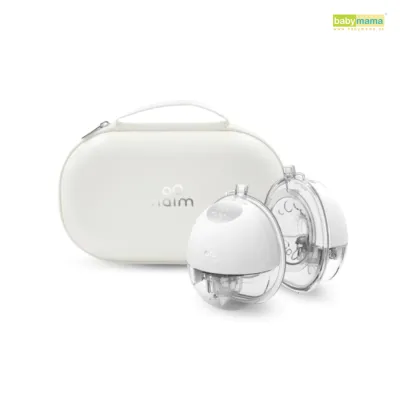
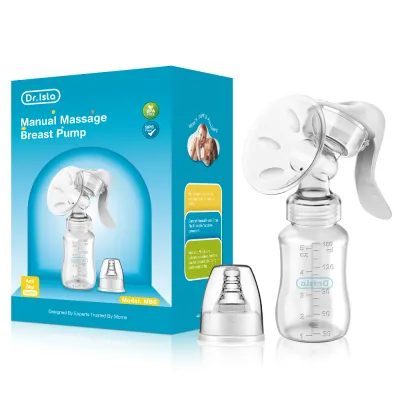
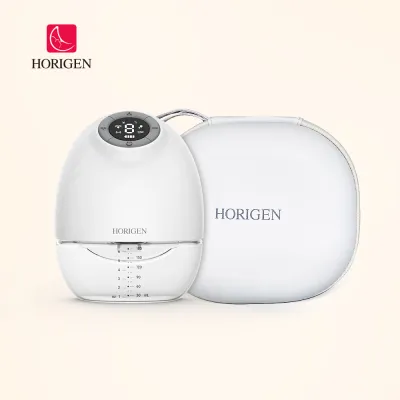
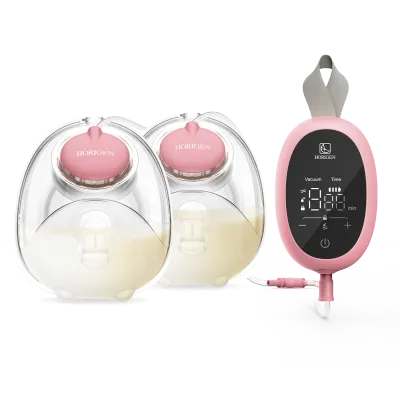
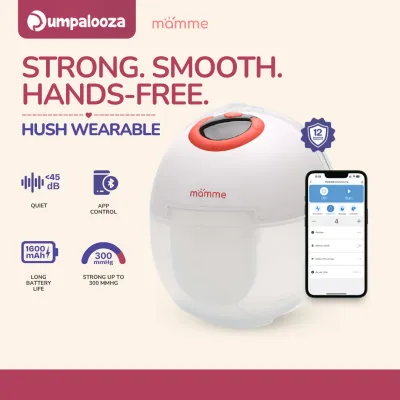
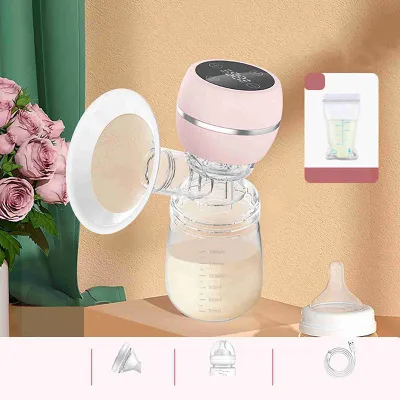
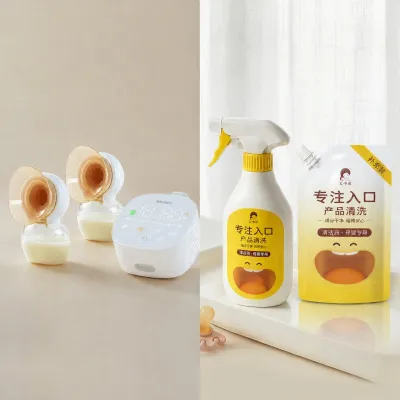
Prices are valid at publication and may change. Please refer to the product page for the latest price.
In the tropical climate of the Philippines, commuting with heavy equipment can be particularly exhausting. If you rely on public transportation or have a long daily commute in the heat, minimizing the weight of your diaper bag is essential. A lightweight, compact pump becomes a necessity rather than a luxury under these conditions.
Humidity can also affect how you store and clean your pump parts. When choosing a pump, consider how easy the parts are to wash and dry in humid environments. Simple designs with fewer crevices dry faster, reducing the risk of moisture retention and bacterial growth.
Physical comfort is another highly personal variable that varies from mother to mother. Breast tissue sensitivity and nipple size can change throughout your breastfeeding journey, making customization essential. A pump that works well for one mother might cause discomfort for another if the settings or shield sizes are not a proper match.
Key Specifications to Compare: Naim vs. Leading Brands
To make an objective comparison between Naim and other leading brands, you must examine specific technical details. Checking these specifications directly in the product manuals ensures you get accurate data rather than relying on marketing claims.

Suction Modes, Strength, and Cycle Speeds
When evaluating any breast pump, start by checking the control panel for the available expression and massage modes. Most modern pumps offer a stimulation or massage mode to mimic a baby’s initial fast sucks, followed by an expression mode with slower, deeper suction. Verify how many levels of adjustment each mode offers, as more levels allow you to fine-tune the settings for optimal comfort.
Suction strength is typically measured in millimeters of mercury (mmHg). You can verify the maximum suction strength of the Naim pump and its competitors by consulting their official user manuals. While higher suction is not always better—and can sometimes cause tissue damage—having a range up to 250 mmHg or 300 mmHg is standard for high-quality electric pumps.
Additionally, check whether the pump allows you to adjust the cycle speed and vacuum level independently. Some basic models link these two settings together, meaning higher suction automatically results in slower cycles. Advanced models let you customize both, giving you greater control over your milk expression efficiency.
Many mothers find that a pump with a wide range of suction levels is more comfortable during different phases of postpartum recovery. In the early weeks, your breasts may be highly sensitive, requiring very gentle stimulation. As your body adjusts, you might gradually increase the suction strength to find your optimal expression level.
It is also helpful to check if the pump has a memory function. A memory setting saves your preferred suction levels and cycle speeds, allowing you to start your pumping session immediately without manually adjusting the controls every time. This feature is especially convenient during late-night or early-morning sessions when you are tired.
Portability, Power Options, and Discreetness
Portability is a major consideration for active mothers who need to pump on the go. Check whether the pump relies on a built-in rechargeable battery, standard AA batteries, or a continuous connection to a wall outlet. For those commuting or traveling in the Philippines, a reliable USB-rechargeable battery provides the flexibility to charge via a power bank or car charger.
The physical weight and footprint of the motor unit will determine how easily it fits into your diaper bag or work tote. Wearable, hands-free pumps integrate the motor directly onto the collection cups, eliminating external tubing entirely. If you prefer a traditional pump, look for a compact motor unit that you can easily carry in one hand.
When evaluating battery life, look for real-world usage estimates rather than just standby times. A battery that can support four to six full pumping sessions on a single charge is ideal for a full day away from home. If you frequently experience power interruptions or pump in areas without easy access to electrical outlets, a robust battery is a critical feature.
Discreetness is also highly dependent on the noise level of the motor during active operation. Review the product labels or user manuals for the stated decibel (dB) levels. A quieter motor, ideally below 50 dB, allows you to pump discreetly during office meetings or while your baby is sleeping nearby without causing a disturbance.
Flange Sizing and System Compatibility
Using the correct flange size is crucial for both comfort and milk output. Check what flange sizes are included in the box with the Naim pump compared to other brands. If your nipple size does not match the standard inclusions, verify if the manufacturer sells alternative sizes or if you can use silicone sizing inserts to achieve a proper fit.
An ill-fitting flange can lead to blocked milk ducts, friction soreness, and reduced milk expression. Many brands include a standard 24mm or 28mm flange in the box, but these sizes do not fit everyone. Before buying, measure your nipple diameter and check if the brand offers smaller sizes like 19mm or 21mm, or if you will need to purchase separate silicone inserts.
Hygiene is another non-negotiable factor when selecting a breast pump. Always confirm that the pump utilizes a closed-system design, which features a physical barrier like a silicone diaphragm. This barrier prevents expressed milk and moisture from backing up into the tubing and motor, protecting the system from mold and bacterial growth.
Finally, consider how the pump connects to your existing baby bottles. Some pumps are designed to screw directly onto standard wide-neck or narrow-neck bottles, while others require specific proprietary containers. Choosing a pump compatible with your baby’s preferred bottle brand can save you time on transferring milk and washing extra parts.
Evaluating Long-Term Value and Local Support in the Philippines
When assessing the total cost of ownership, look beyond the initial retail price in ₱. Compare what accessories are included in the starter kit, such as extra valves, storage bags, carry pouches, or bottle adapters. A lower upfront price might lose its appeal if you have to purchase essential accessories separately to make the pump functional.
The initial purchase price of a breast pump is only one part of the financial equation. Consider the cost and availability of replacement parts over the entire duration of your breastfeeding journey. Valves and membranes are consumable items that must be replaced regularly to maintain proper suction, so high replacement costs can add up quickly.
Warranty coverage is a critical safety net for electronic devices that see daily use. Verify the length and specific terms of the manufacturer’s warranty offered by authorized local distributors in the Philippines. A reliable local warranty ensures you can quickly get a replacement motor or repair service without waiting weeks for international shipping.
Before making a purchase, search local online marketplaces and baby specialty stores to see how easily you can buy replacement parts. If a brand’s parts are constantly out of stock or only available from international sellers with long shipping times, you may want to consider a brand with more reliable local availability.
Decision Framework: Which Breast Pump Fits Your Needs?
To finalize your decision, align the verified specifications of each pump with your personal lifestyle. The Naim breast pump may be the right choice if its battery life, included flange sizes, and local warranty terms match your daily mobility and comfort requirements. It offers a practical solution for mothers seeking a balance of modern features and local accessibility.
On the other hand, you might want to choose an alternative leading brand if you require specialized features. For instance, mothers who need clinical-grade suction strengths for medical reasons or those who require highly specific flange inserts may find better compatibility with established international brands. Always prioritize the technical specifications that directly support your milk supply.
Ultimately, consulting a lactation professional before buying can save you time and money. They can provide personalized guidance, help you measure for the correct flange size, and offer tips on how to improve your milk expression comfort and efficiency regardless of the brand you choose.
Frequently Asked Questions (FAQ)
How often should I replace the silicone valves and membranes?
You should check the manufacturer’s recommended replacement timeline in your pump’s user manual, as schedules vary by brand. Generally, silicone valves and membranes require replacement every one to three months depending on how frequently you pump. Look out for visual signs of wear, such as stretching, tearing, or a noticeable drop in suction power, which indicate it is time for a replacement.
Can I use third-party flanges with the Naim breast pump?
Before attempting to mix brands, check the pump’s connector diameter and consult the official compatibility lists provided by the manufacturer. Using unauthorized third-party parts can compromise the closed-system hygiene barrier or cause air leaks that reduce suction. Additionally, using non-approved accessories may void your manufacturer’s warranty, so it is usually safest to stick to official brand parts.
Community discussion
Share your experience or ask a question. Comments are reviewed before publication.