
Choosing the right baby barrier cream is one of the most frequent decisions caregivers face, especially in tropical climates like the Philippines where high humidity and heat can quickly exacerbate diaper area irritation. The constant exposure to moisture, combined with friction from diapers, makes a reliable protective barrier essential for maintaining a baby’s skin health.
The ideal barrier cream for your baby depends on their specific skin needs, the severity of any existing diaper irritation, and your preferences regarding ingredients and texture. Mustela is generally a strong choice for daily prevention and sensitive skin due to its focus on plant-based ingredients and skin-barrier support. However, competing products with higher concentrations of zinc oxide or heavy petrolatum bases may be more effective for treating active, severe diaper rash.
Caregivers should always prioritize checking the specific product label for age recommendations, suitability, and potential allergens before application. If diaper redness persists, worsens, or is accompanied by signs of infection, it is important to stop using the product and consult a pediatrician for a professional diagnosis and treatment plan.
Products mentioned in this guide
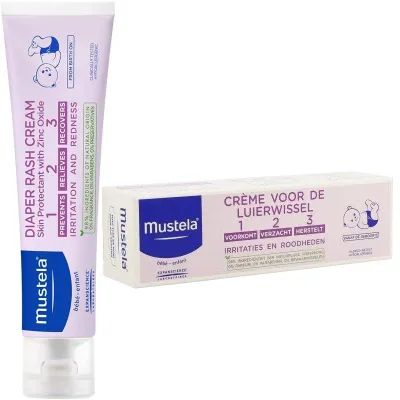
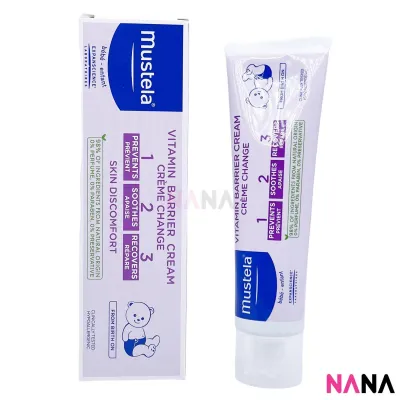
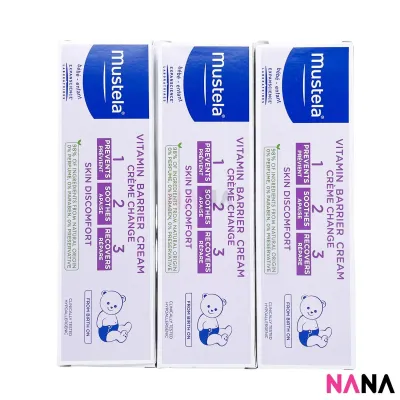
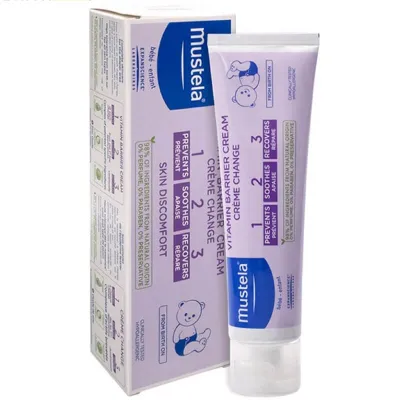
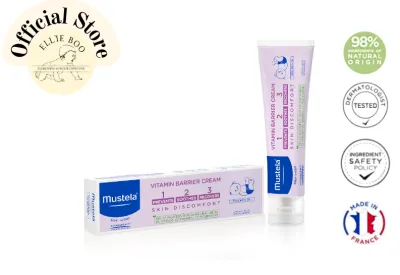
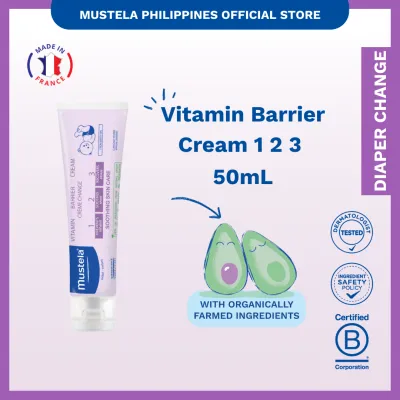

Prices are valid at publication and may change. Please refer to the product page for the latest price.
Key Factors to Evaluate in Baby Barrier Creams
To make an informed decision, it is helpful to understand how barrier creams function. The primary purpose of a barrier cream is to create a physical shield on the skin’s surface. This shield blocks moisture from urine and feces while reducing the friction caused by the diaper moving against the baby’s delicate skin.
Active Ingredients and Their Roles
Active ingredients in diaper care generally fall into two categories: preventative and treatment-focused. Preventative ingredients include plant-based oils, shea butter, and sunflower seed oil, which nourish the skin and support its natural lipids. Treatment ingredients, such as zinc oxide and petrolatum, provide a heavy-duty, waterproof layer that isolates compromised skin from external irritants, allowing the epidermis to heal underneath.
Texture, Application, and Cleanability
The physical texture of a cream affects both its protective capability and how easy it is to use during daily diaper changes. Thick, paste-like creams containing high percentages of zinc oxide offer robust protection but can be difficult to wipe away, sometimes requiring gentle friction that can further irritate sensitive skin. Lighter creams and lotions spread easily and clean off quickly, making them highly convenient for quick, routine changes, though they may wash away faster under heavy moisture.
Formulations for Sensitive Skin
Because a baby’s skin barrier is thinner and more permeable than an adult’s, minimizing exposure to potential irritants is crucial. Caregivers should look for hypoallergenic, fragrance-free, and paraben-free formulations, particularly for newborns or babies prone to eczema. Because formulations and ingredient sources can vary by region, always verify the ingredient list on the physical packaging of the product you purchase.
Deep Dive: Mustela Barrier Cream Profile
Mustela offers specialized diaper care products, with the Mustela Vitamin Barrier Cream 123 being one of its most widely recognized formulations. This product is designed with a triple-action approach: to prevent diaper area irritation at every change, soothe baby’s skin from the very first application, and recover the skin barrier continuously.

Signature Ingredient Profile
Mustela emphasizes ingredients of natural origin, featuring a patented blend designed to support infant skin. A key component is Avocado Perseose, a natural active ingredient intended to protect the skin barrier and preserve cellular richness. The formulation also typically includes Alcacea Oxeoline to reduce inflammation, Sunflower Oil Distillate to help repair the lipid barrier, and a moderate concentration of zinc oxide to provide the necessary physical shield. Caregivers should verify the exact ingredient list on the packaging, as manufacturers may update formulations over time.
Texture and Everyday Usability
In terms of application, Mustela Vitamin Barrier Cream 123 presents a medium-thick white paste. It is formulated to spread smoothly without requiring excessive pressure, which helps prevent discomfort during application on already tender skin. It leaves a visible, protective white layer that does not immediately disappear, helping caregivers confirm that the skin is fully shielded. During diaper changes, this cream wipes off relatively easily with a damp cotton ball or baby wipe, reducing the need for harsh rubbing.
Pros and Cons of the Mustela Formula
- Pros: Composed of a high percentage of natural-origin ingredients, fragrance-free to minimize allergy risks, clinically tested under pediatric supervision, and easy to apply and clean during routine changes.
- Cons: Sits at a higher price point than basic drugstore alternatives in the local market; the moderate zinc oxide concentration may not provide enough coverage for severe, weeping diaper dermatitis compared to clinical-strength pastes.
Mustela vs. Competitors: Feature and Ingredient Comparison
To understand where Mustela fits in the wider market, it is helpful to compare it against other common categories of baby barrier creams. These generally include heavy zinc-oxide clinical pastes, natural oil-based organic balms, and standard petrolatum-based drugstore ointments.
| Feature / Dimension | Mustela Vitamin Barrier Cream | Heavy Zinc-Oxide Pastes | Natural Organic Balms | Petrolatum-Based Ointments |
|---|---|---|---|---|
| Primary Active Ingredient | Zinc Oxide, Avocado Perseose, Sunflower Oil | High-concentration Zinc Oxide (up to 40%) | Beeswax, Shea Butter, Plant Oils | Petrolatum (Mineral-based) |
| Best Use Case | Daily prevention & mild redness | Severe diaper rash treatment | Daily hydration & light moisture barrier | General moisture locking & chafing prevention |
| Texture & Wipe-ability | Medium paste; moderate, gentle wipe-off | Very thick, heavy paste; requires effort to clean | Greasy or oily; melts easily, simple to wipe | Thick, slick ointment; moderate wipe-off |
| Fragrance Status | Fragrance-free | Fragrance-free or lightly scented variants | Often contains essential oils or natural scents | Typically fragrance-free |
How Formulation Differences Impact Daily Care
These structural differences have practical implications for daily diapering, especially in warm climates. Thicker clinical pastes containing 40% zinc oxide are highly effective at blocking moisture during long periods, such as overnight sleep, but their heavy texture can trap sweat and heat if applied to skin that is not completely dry.
In contrast, natural organic balms provide excellent hydration and are highly breathable, but they may break down quickly when exposed to acidic urine and feces, requiring more frequent reapplication. Petrolatum-based ointments serve as excellent, cost-effective moisture locks, but they lack the specific soothing and skin-repairing botanical extracts found in premium formulations like Mustela.
Pricing and Value: Does Mustela Justify Its Cost?
When evaluating baby skincare products in the Philippines, assessing value goes beyond looking at the initial purchase price. Caregivers must consider the cost per milliliter or gram, alongside how much product is required for each application. Because high-quality barrier creams are concentrated, a small, pea-sized amount is often sufficient to protect the diaper area, meaning a single tube can last for several weeks or even months.
Mustela is positioned within the mid-to-premium tier of the local baby care market. It generally costs more than basic pharmacy-brand petrolatum ointments or standard zinc oxide creams. However, it is often more accessible and competitively priced compared to high-end, imported organic boutique balms.
To find the best value, caregivers should check current pricing and promotional offers at authorized online marketplaces, official brand stores, or local physical pharmacies. Purchasing from authorized channels helps ensure product authenticity and safety, protecting your baby from counterfeit goods.
For babies with highly reactive, sensitive, or eczema-prone skin, paying a premium for a clinically tested, fragrance-free formula like Mustela is often a worthwhile investment. Conversely, if your baby has highly resilient skin that rarely experiences redness, a simple, budget-friendly petrolatum ointment may provide sufficient protection at a lower cost.
Decision Framework: Which Cream Fits Your Baby's Skin?
To finalize your choice, consider your baby’s current skin condition, skin sensitivity history, and your daily diapering routine.
Choose Mustela Vitamin Barrier Cream if:
- You want a gentle, daily preventative barrier cream formulated with plant-derived ingredients.
- Your baby has highly sensitive skin that reacts easily to heavy synthetic chemicals or artificial fragrances.
- You live in a humid environment and prefer a medium-weight paste that balances reliable protection with easy wipe-off during routine diaper changes.
Choose a Heavy Zinc Oxide Paste if:
- Your baby is currently experiencing an active, bright red, or severe diaper rash.
- You need a thick, impermeable physical barrier to protect compromised skin overnight or during long car rides.
- A pediatrician has recommended a high-concentration zinc paste to address acute skin irritation.
Choose a Petrolatum-Based Ointment if:
- You are looking for an affordable, multi-purpose moisture-lock for a baby with resilient skin.
- You want a product that can also be used to treat dry patches on other areas of the body, such as elbows or knees.
- You prefer a simple, mineral-based formula with minimal ingredients.
When to Stop Use and Consult a Pediatrician
Regardless of the barrier cream you choose, monitor your baby’s skin closely. Stop using any product immediately if you notice signs of an allergic reaction, such as a sudden rash, hives, or increased redness.
Consult a pediatrician if the diaper rash does not improve after three days of consistent barrier cream use, or if you observe any of the following symptoms:
- Pus-filled blisters, pimples, or open sores.
- Bright red skin with distinct, peeling edges (which may indicate a yeast infection).
- The rash spreads significantly beyond the diaper area to the abdomen, back, or limbs.
- The baby develops a fever or seems unusually uncomfortable or difficult to soothe.
Frequently Asked Questions (FAQ)
Can I use Mustela barrier cream on newborns?
Many of Mustela’s diaper care products, including the Vitamin Barrier Cream 123, are formulated to be safe for use from birth. However, because newborn skin is exceptionally delicate and thin, caregivers must always verify the specific product label for age suitability and manufacturer warnings. It is also highly recommended to perform a patch test by applying a tiny amount of cream to a small, healthy patch of the baby’s skin and waiting 24 hours to ensure no adverse reaction occurs before applying it to the diaper area.
How often should I apply barrier cream during diaper changes?
For daily prevention, you should apply a thin, even layer of barrier cream at every diaper change, especially before bedtime or long periods between changes when the baby will be in contact with wetness for longer. For treating mild redness, a slightly thicker layer can be applied. Before each application, ensure the diaper area is gently cleaned with water or a mild wipe, and then patted completely dry with a clean towel; applying cream over damp skin can trap moisture and worsen irritation.
What is the difference between a barrier cream and a diaper rash treatment?
Preventative barrier creams are designed to shield healthy skin from coming into contact with moisture and friction, acting as a proactive defense mechanism. Active diaper rash treatments, on the other hand, typically contain higher concentrations of therapeutic ingredients like zinc oxide, soothing agents, or medicated compounds. These are formulated specifically to reduce inflammation, soothe discomfort, and repair the skin barrier once diaper dermatitis has already developed.

Community discussion
Share your experience or ask a question. Comments are reviewed before publication.